Plizio Visual Lab

Jatiluwih Rice Fields
Plizio editorial teamData Sources
Agriculture
—°11
Jatiluwih Rice Fields (Indonesia)

Weather…

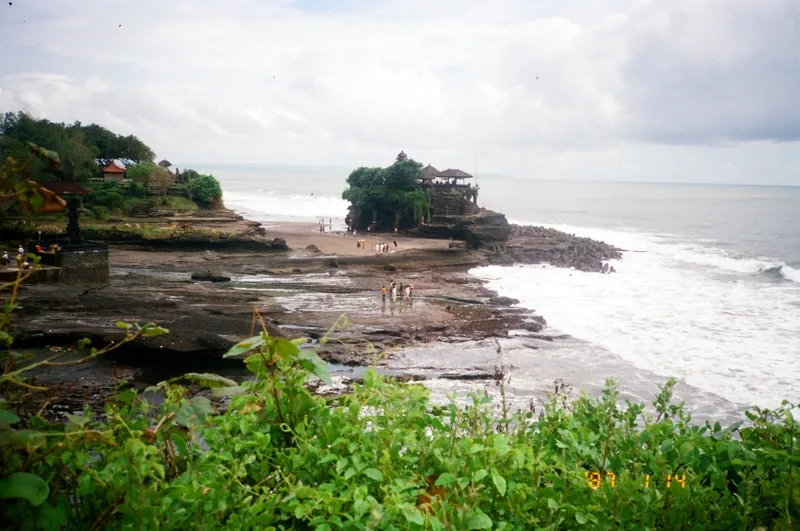
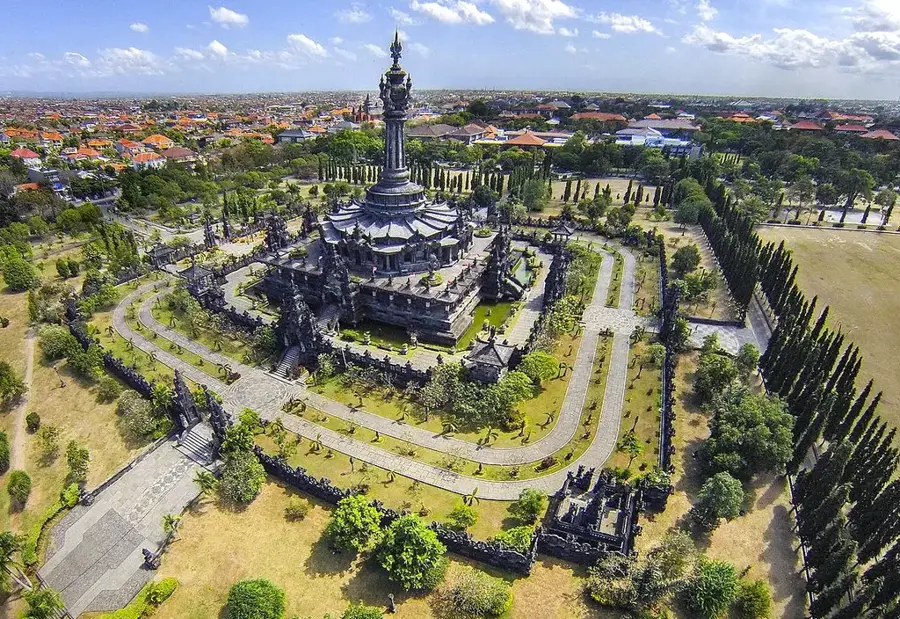
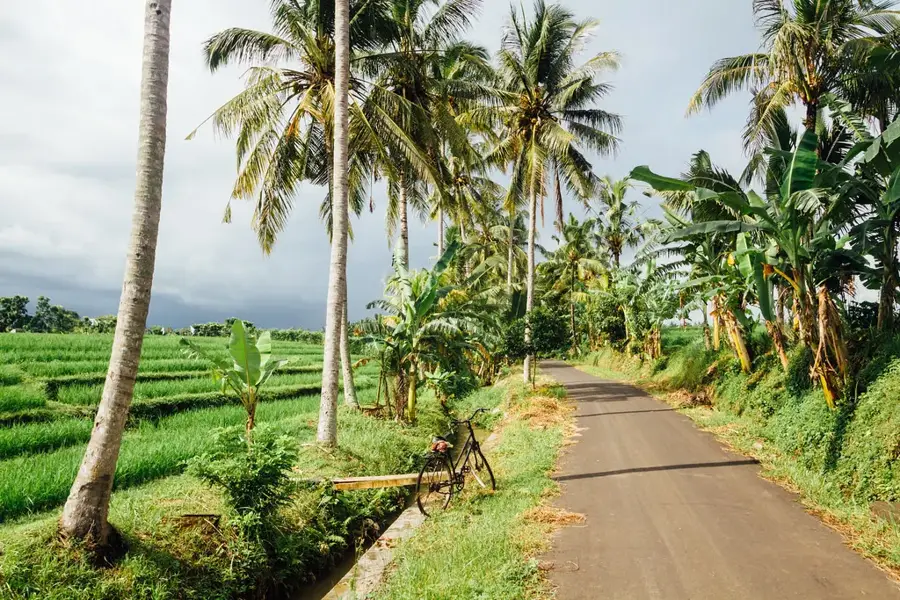
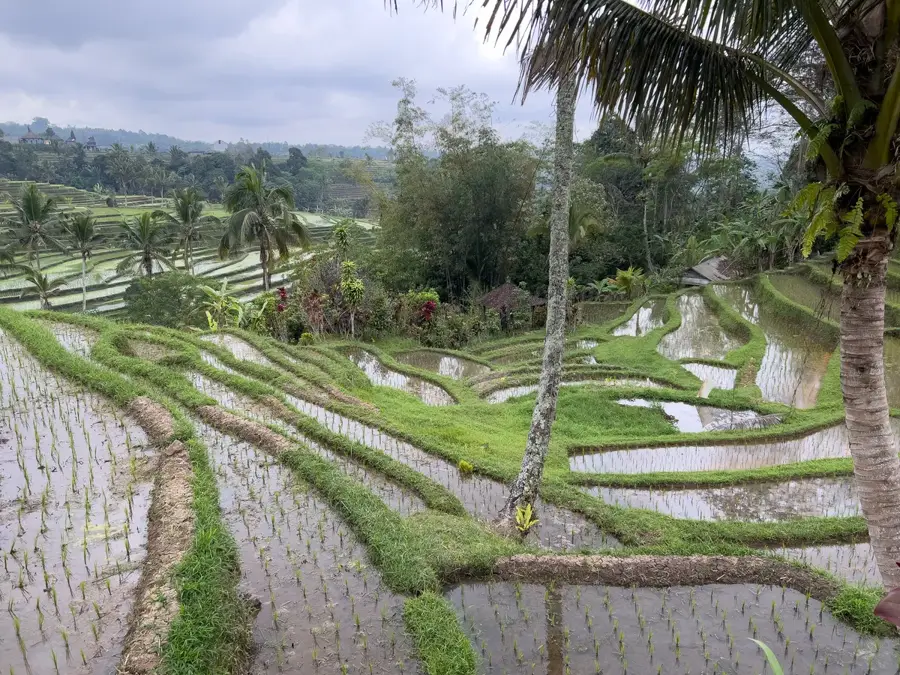
The Jatiluwih Rice Terraces are located in the Tabanan Regency of Bali, sprawling across more than 600 hectares at the foot of Mount Batukaru. They are considered one of the most spectacular examples of the traditional Balinese irrigation system known as Subak, which was designated a UNESCO World Heritage site in 2012. This system is rooted in the Tri Hita Karana philosophy, emphasizing harmony between the divine, humans, and nature, and has been in practice since the 9th century. The terraces follow the natural contours of the hilly landscape, offering vast panoramic views of lush green fields that change color depending on the stage of the rice growth cycle. Farmers in Jatiluwih primarily grow red and white rice varieties, largely avoiding modern chemical fertilizers to maintain ecological balance. Trekking paths through the fields allow visitors to gain insight into the laborious process of rice cultivation. The region is not only agriculturally significant but also serves as an important cultural symbol of the spiritual connection Balinese people share with their land.

Best time to visit & climate

The most pleasant time to visit is Jul–Sep.

JanFebMarAprMayJunJulAugSepOctNovDec
Avg °C262626262524242324262626
Rain mm317252201123825340243857134272

📋 Practical info

🏭
What is this place?
Jatiluwih is a UNESCO World Heritage site featuring the traditional Subak irrigation system. It serves as a model for sustainable agriculture and a key tourist destination, preserving Bali's cultural landscape.
🚪
Visiting
The rice terraces are accessible to visitors, typically allowing walks along field paths. Entry often requires a small fee, though exact opening hours may vary.
👀
Where to view it
Best viewpoints are from roadside lookouts or purpose-built viewing platforms. Higher spots along the terraces offer panoramic views of the entire valley.
🧺
Local products
Local rice varieties and traditional Balinese snacks are sold in the area. Seasonal fruits like durian or mangosteen are commonly available from small stalls.
📆
Active season
Peak activity occurs during planting and harvest seasons, varying by monsoon cycles. Typically, the area is most animated between November and March when the terraces are lush green.
Nearby
Combine your visit with other Balinese cultural sites like temples. Trips to nearby villages or the southern beaches are also great additions.

Geography

Coordinates
-8.36880, 115.13220

Facts

  • The rice terraces were designated a UNESCO World Heritage site in 2012.
  • They span across an area of approximately 600 hectares.
  • The Subak irrigation system dates back to the 9th century.
  • Jatiluwih is situated at an altitude of about 700 meters above sea level.
  • The region is famous for the cultivation of organic red rice.
  • The name Jatiluwih translates to 'really marvelous' or 'really beautiful'.

Explore nearby

Notable places around
Route planner — Car & Motorhome

Where do you start? We build the route here, with stops and country notes along the way.

Vehicle
Only stops with (optional):

© OpenStreetMap contributors · OpenRouteService

Sights in the town Jatiluwih Rice Fields (11)

Pura Pucak Tedung⛪ religious

A high-altitude Balinese Hindu temple perched on a scenic ridge, offering panoramic views of the southern Bali coastline.

Batu Meringgit Temple⛪ religious

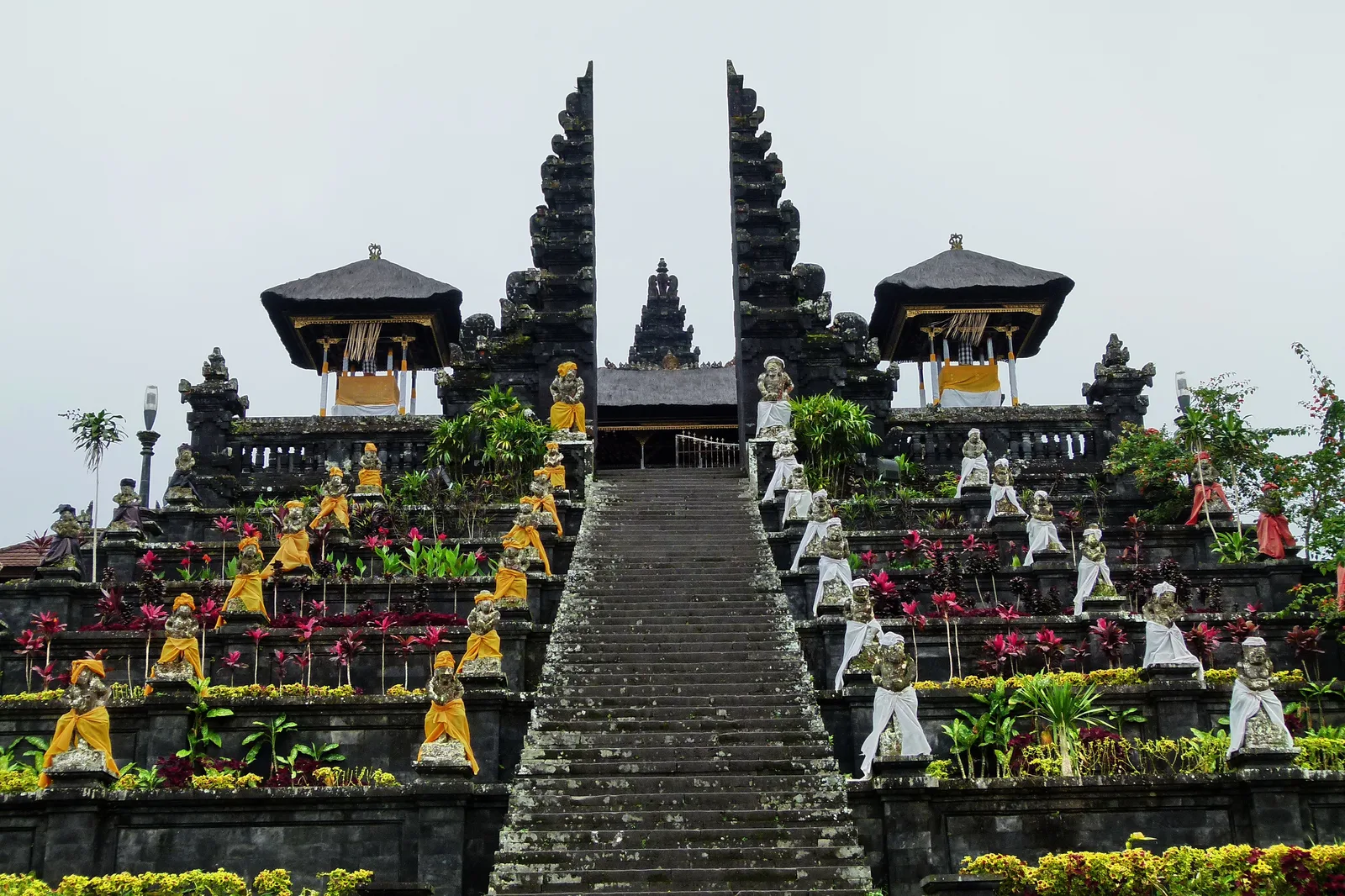
A tranquil roadside Hindu temple featuring traditional Balinese split gates and stone shrines amidst tropical greenery.

Gunung Adeng🌿 nature

An extinct volcanic peak covered in dense tropical rainforest, forming part of the Bedugul caldera region.

Gunung Pohen🌿 nature

A majestic mountain peak known for its geothermal potential and the lush, primeval forest that carpets its slopes.

Pura Luhur Batukau🏺 historical

One of Bali's most sacred directional temples, situated on the misty slopes of Mount Batukau amidst a lush jungle.

🕒 sunrise-sunset

Pura Luhur Besi Kalung🏺 historical

A historic Hindu temple marking the entry to the UNESCO-listed Jatiluwih rice terraces, surrounded by ancient megalithic stones.

Pura Luhur Pucak Petali🏺 historical

A sacred mountain temple dedicated to the deity of agriculture, featuring tiered Meru towers overlooking the rice fields.

Pasar Petang🎭 culture

An animated traditional market where locals trade fresh highland produce, tropical fruits, and handmade Balinese crafts.

Cau chocolates📍 landmark

An organic chocolate factory and farm offering tours of cacao groves and demonstrations of traditional Balinese chocolate making.

Air Panas Angseri📍 landmark

Natural volcanic hot springs tucked inside a lush valley, featuring tiered pools and a small scenic waterfall.

Pinge Village📍 landmark

A well-preserved traditional Balinese village showcasing ancient residential architecture and community-based eco-tourism.

Sights nearby

Frequently asked questions

Do I need a ticket for the rice fields?
Yes, a fee is collected at the village entrance.
When is the rice at its greenest?
Usually before harvest in April and September.
Can I hike through the fields?
Yes, there are marked trails of varying lengths.
Are there restaurants nearby?
Yes, many cafes offer panoramic views of the terraces.
How are the road conditions?
The roads are narrow and winding but paved.
Jatiluwih Rice Fields: where is it located?
Jatiluwih Rice Fields is located in Indonesia.
Jatiluwih Rice Fields: what is there to see?
Highlights include Pura Pucak Tedung, Batu Meringgit Temple, Gunung Adeng.
Jatiluwih Rice Fields: when is the best time to visit?
The most pleasant time to visit is Jul, Sep.
Jatiluwih Rice Fields: why is it worth visiting?

The Jatiluwih Rice Terraces are located in the Tabanan Regency of Bali, sprawling across more than 600 hectares at the foot of Mount Batukaru.
View on map → The Top 50 Attractions → OpenStreetMap →
Asia
Explore with Plizio Discover more places in Asia
More places in Indonesia →

Nearby cities

More places