Plizio Visual Lab

Goa Gajah 'Elephant Cave'
Plizio editorial teamData Sources
historical-site
—°14
Goa Gajah 'Elephant Cave' (Indonesia)

Weather…

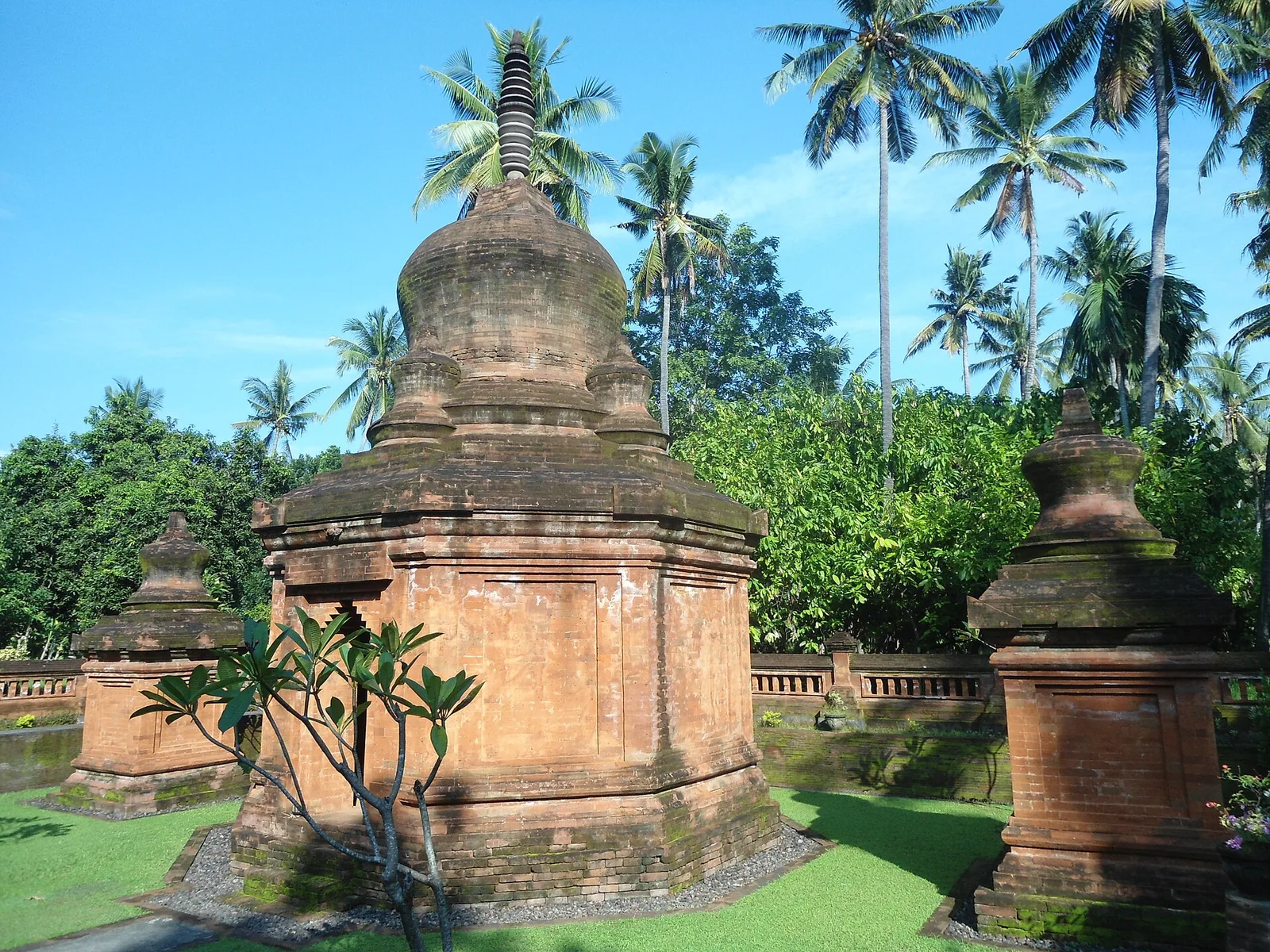
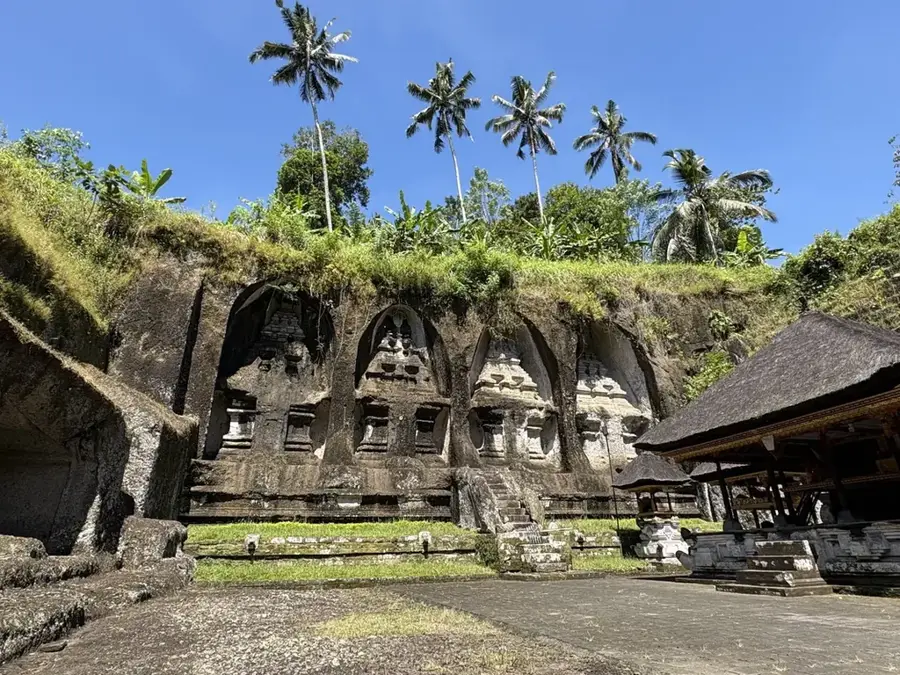
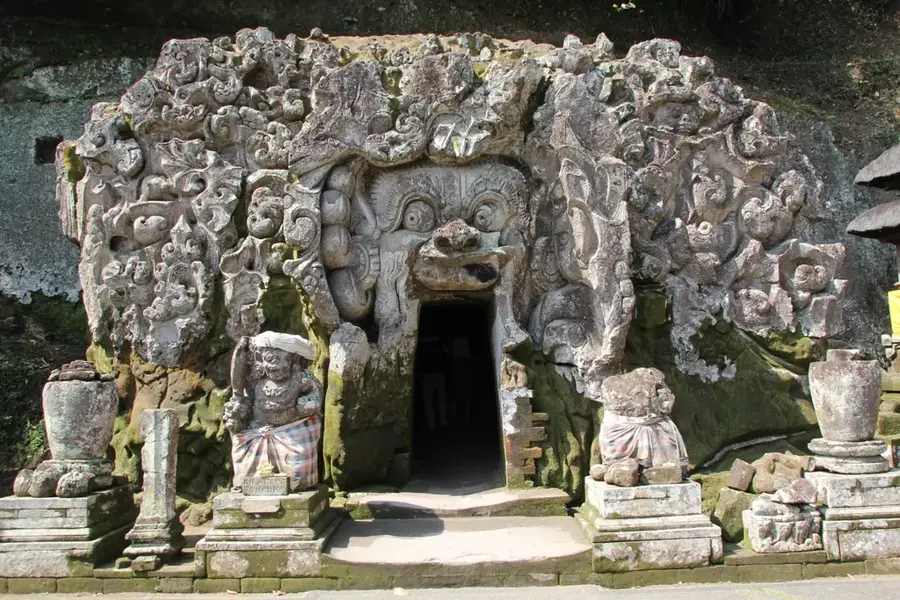
Goa Gajah, popularly known as the Elephant Cave, is a significant archaeological site located near Ubud on the island of Bali. Dating back to the 9th century, the site originally functioned as a sanctuary for Hindu and Buddhist priests seeking meditation and spiritual retreat. The cave's entrance is renowned for its menacing relief carvings of demonic faces and mythical creatures, intended to ward off malevolent spirits. Inside the T-shaped cavern, visitors can find fragments of Hindu lingam and yoni symbols alongside a statue of the elephant-headed god, Ganesha. A prominent feature is the courtyard containing two ritual bathing pools with female fountain figures, which were only fully excavated in 1954. Positioned at the confluence of two small rivers, the site holds deep spiritual importance in Balinese tradition. Today, Goa Gajah is a protected heritage site, offering a mystical atmosphere amidst lush tropical vegetation.

Best time to visit & climate

The most pleasant time to visit is Jul–Sep.

JanFebMarAprMayJunJulAugSepOctNovDec
Avg °C272727272726252526272827
Rain mm318251207123824633164262159296

📋 Practical info

🚪
Visiting
Goa Gajah is an active tourist attraction in Bali, open daily for visitors to explore both the cave and the surrounding complex. You can enter the cave itself, which features a T-shaped interior and ancient Hindu relics, and also stroll through the gardens and pools outside.
🕒
Typical hours
The site is typically open from early morning to late afternoon, around 8am to 5pm, but exact times may vary seasonally. It is best to check the current opening hours online or at the ticket counter before your visit.
📷
Photography
Photography is allowed throughout the site, both inside the cave and in the courtyard. Flash photography may be restricted inside the cave to protect the ancient carvings, so use natural light or a low-light setting.
⏱️
Time needed
Most visitors spend about one to two hours exploring Goa Gajah and its grounds. This allows enough time to see the cave interior, the ancient bathing pools, and the small museum on site.
Combine with
Goa Gajah is located near Ubud, so you can easily combine it with visits to other nearby temples like Tirta Empul or Gunung Kawi. Many travelers also include a stop at the Ubud Monkey Forest on the same day trip.
🧭
Getting there
The site is about 5 kilometers southeast of Ubud, easily reachable by taxi, scooter, or local bus. There is a dedicated parking area for cars and scooters right at the entrance.
💡
Insider tip
Visit early in the morning to avoid the crowds and enjoy cooler temperatures. Wear comfortable shoes and bring a sarong, as you may need to cover your legs for entry into the cave and temple areas.

Geography

Coordinates
-8.52550, 115.28680

Facts

  • The site was officially identified by Dutch archaeologists in 1923.
  • The name 'Elephant Cave' likely refers to the nearby Petanu River, once called Elephant River.
  • The ritual bathing pools were hidden underground until their excavation in 1954.
  • The elaborate rock carvings at the entrance depict the earth deity Bhoma.
  • Inside the cave, there are three stone lingams and a well-preserved Ganesha statue.
  • The site is currently included in the UNESCO World Heritage tentative list.

Explore nearby

Notable places around

Route planner — Car & Motorhome

Where do you start? We build the route here, with stops and country notes along the way.

Vehicle
Only stops with (optional):

© OpenStreetMap contributors · OpenRouteService

Sights in the town Goa Gajah 'Elephant Cave' (14)

Goa Gajah🏺 historical

The 11th-century archaeological site is famous for its cave entrance carved with a demonic face.

Gereja Santa Maria Ratu Rosari, Gianyar⛪ religious

This Catholic church in Gianyar is a hub for the local Christian community.

Museum Gedong Arca🏛 museum

The archaeological museum displays ancient Balinese stone sarcophagi and tools.

🕒 Mo-Fr 08:00-17:00

Pura Samuan Tiga⛪ religious

This important 11th-century Hindu temple is known for its large religious festivals.

🕒 sunrise-sunset

Njana Tilem Museum🏛 museum

The museum showcases masterful wood carvings by the famous artists Njana and Tilem.

🕒 closed

Setia darma house of masks and puppets🏛 museum

An impressive collection of traditional Indonesian masks and puppets is displayed here.

Yeh Pulu🏺 historical

Here find 14th-century rock-cut reliefs depicting daily life and mythology in ancient Bali.

Candi Tebing Krobokan🏺 historical

This ancient temple carved into the cliffside is hidden near a river valley.

Naya Veda Vastu🎭 culture

A center for traditional arts and spiritual knowledge in the heart of Gianyar.

Pasar Senggol Gianyar🎭 culture

This famous night market is known for authentic Balinese street food like Babi Guling.

UD Rama🎭 culture

A local marketplace in Gianyar selling traditional handicrafts and everyday goods.

Air Terjun Kuning📍 landmark

A hidden waterfall near Goa Gajah, tucked away deep within a lush tropical jungle.

Bulakan Magelung Warterfall📍 landmark

A scenic waterfall surrounded by dense Balinese vegetation and steep rock faces.

Sumampan Waterfall📍 landmark

This waterfall is notable for the intricate stone carvings hewn directly into the surrounding rock faces.

Sights nearby

Frequently asked questions

What does 'Goa Gajah' mean?
It means 'Elephant Cave', although real elephants never lived there.
What is inside the cave?
Small niches for meditation and statues of Ganesha and Lingam-Yoni symbols.
Do I need to wear a sarong?
Yes, as with all Balinese temples, proper attire is mandatory.
Is there parking available?
Yes, there is a large paid parking lot right in front of the entrance.
How much time is needed for a visit?
About 45 to 60 minutes are enough to see the cave and the gardens.
Goa Gajah 'Elephant Cave': where is it located?
Goa Gajah 'Elephant Cave' is located in Indonesia.
Goa Gajah 'Elephant Cave': what is there to see?
Highlights include Goa Gajah, Gereja Santa Maria Ratu Rosari, Gianyar, Museum Gedong Arca.
Goa Gajah 'Elephant Cave': when is the best time to visit?
The most pleasant time to visit is Jul, Sep.
Goa Gajah 'Elephant Cave': why is it worth visiting?

Goa Gajah, popularly known as the Elephant Cave, is a significant archaeological site located near Ubud on the island of Bali.
View on map → The Top 50 Attractions → OpenStreetMap →
Asia
Explore with Plizio Discover more places in Asia
More places in Indonesia →

Nearby cities

More places