Plizio Visual Lab

Kaziranga National Park
Plizio editorial teamData Sources
national-park
—°2
Kaziranga National Park (India)

Weather…

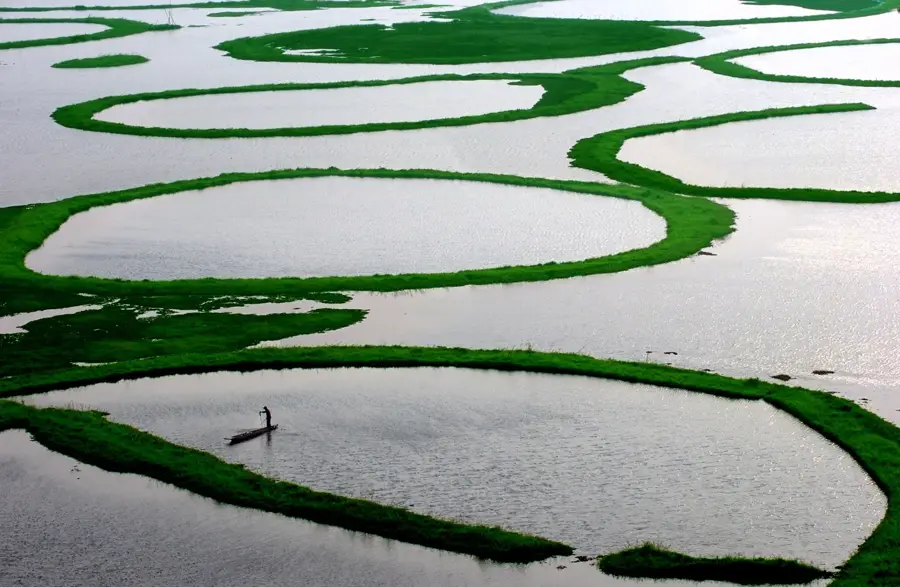
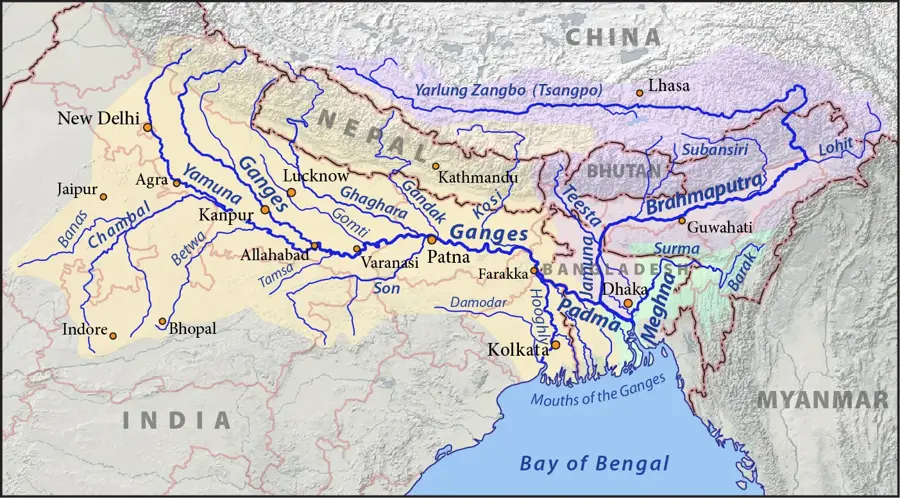
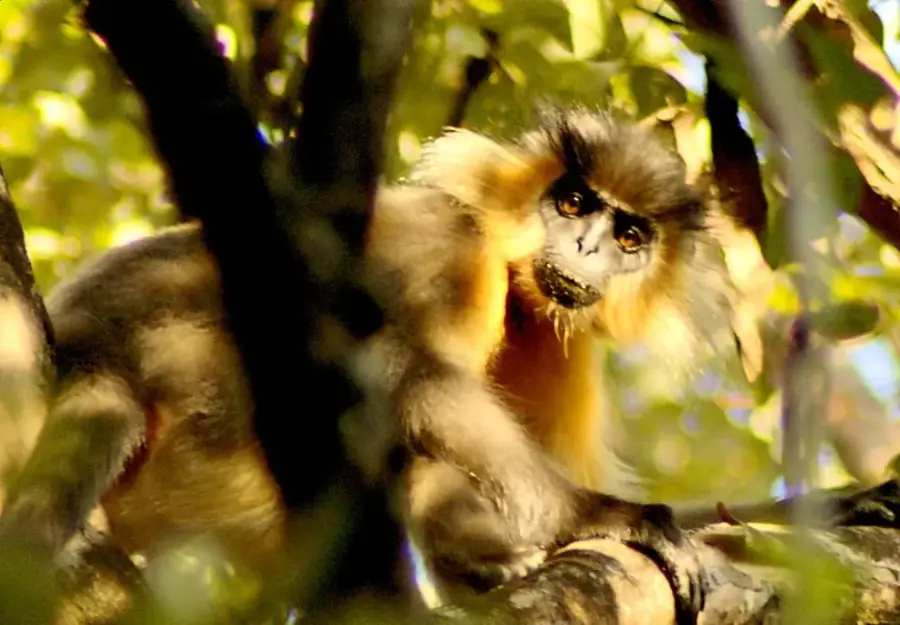
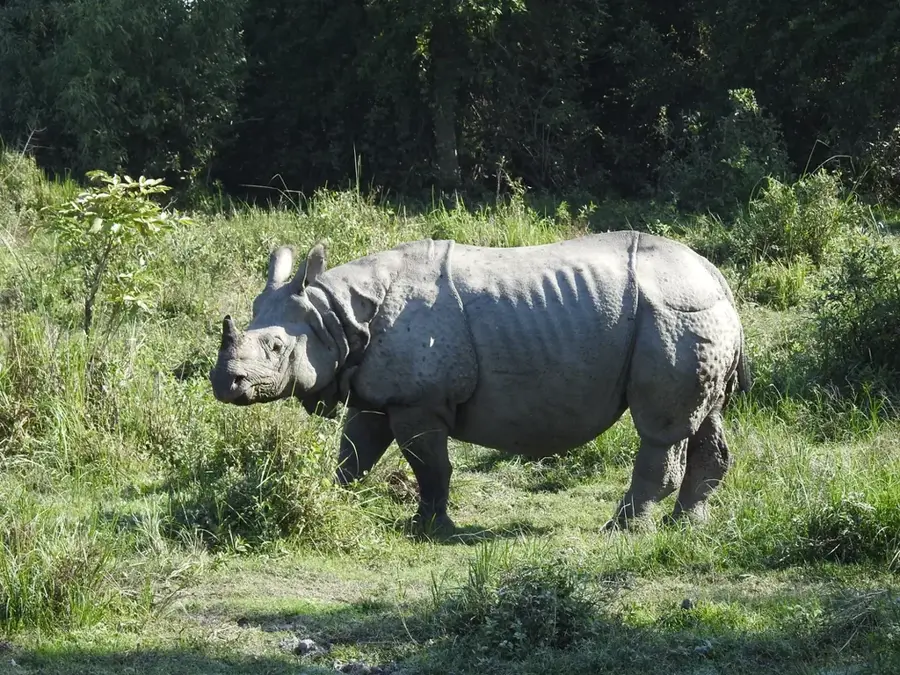
Kaziranga National Park in the state of Assam is a globally significant sanctuary and has been a UNESCO World Heritage site since 1985. It is most famous for hosting two-thirds of the world's population of the Great One-horned Rhinoceros. Spanning approximately 430 square kilometers in the Brahmaputra River floodplain, the park's landscape consists of tall elephant grass, dense tropical forests, and marshy wetlands known as bils. Beyond its rhinos, Kaziranga has one of the highest tiger densities in the world and is home to large populations of wild water buffalo, swamp deer, and Indian elephants. Its ecological importance is underscored by its status as an Important Bird Area, providing a habitat for numerous migratory species. The conservation history of the site dates back to 1905, initiated by Mary Curzon to save the rhinoceros from extinction. Today, despite recurring monsoon floods and the threat of poaching, Kaziranga stands as a testament to successful wildlife management and remains a major biodiversity hotspot in India.

Best time to visit & climate

The most pleasant time to visit is Feb, Nov, Dec.

JanFebMarAprMayJunJulAugSepOctNovDec
Avg °C161923262828282827252017
Rain mm1226561562342983222822261002110

📋 Practical info

🧭
Getting there
The most convenient entry point is usually through the town of Kohora, easily accessible by road from the major airports in Guwahati or Jorhat. Independent roaming is not permitted, so tourists must arrange official jeep or elephant safaris at the entry zones.
📅
Best season
The optimal visiting window is between November and April, when the weather is relatively dry and the tall elephant grass has died back, improving visibility. The sanctuary is typically closed to all visitors from May to October due to severe flooding from the Brahmaputra River.
⛰️
Terrain & paths
The topography features vast expanses of alluvial floodplains, dense tropical broadleaf forests, and numerous shallow water bodies. Exploration relies entirely on robust four-wheel-drive vehicles traversing the established dirt tracks within designated tourist zones.
🎒
What to bring
Pack lightweight, breathable cotton clothing for the warm days, layered with a fleece or jacket for the remarkably chilly early mornings. Binoculars are absolutely essential for spotting distant rhinos and diverse birdlife across the expansive grasslands.
🅿️
Parking
Most visitors choose to leave their personal vehicles at their respective lodges or designated guesthouse parking lots in the Kohora or Bagori areas. Dedicated transport provided by the park operators will then convey you directly to the specific safari starting points.
⚠️
Safety
Maintaining complete silence and refraining from sudden movements is crucial while observing large mammals like rhinos and wild elephants. Adhere to all guidelines provided by forest guards and never attempt to disembark from your vehicle unless at explicitly authorized watchtowers.
⏱️
Time needed
Safari expeditions usually consume roughly two to three hours per session, frequently split into a dawn patrol and a late afternoon drive. Devoting two full days to the area allows enough time to explore different ranges and observe a wider variety of species.

Geography

Coordinates
26.66000, 93.35000

Facts

  • The park was designated a UNESCO World Heritage Site in 1985.
  • It is home to over 2,400 one-horned rhinos, 70% of the world population.
  • Conservation efforts for the area first began in the year 1905.
  • The core area of the national park spans roughly 430 square kilometers.
  • Kaziranga was formally declared a Tiger Reserve in 2006.
  • The park hosts the world's largest population of wild water buffaloes.

Explore nearby

Notable places around
Route planner — Car & Motorhome

Where do you start? We build the route here, with stops and country notes along the way.

Vehicle
Only stops with (optional):

© OpenStreetMap contributors · OpenRouteService

Sights in the town Kaziranga National Park (2)

Haldhibari Burhimai Mandir📍 landmark

A Hindu shrine located near the wildlife-rich expanse of Kaziranga National Park.

Kohora Market🎭 culture

A central market hub close to the entrance of Kaziranga National Park.

Sights nearby

Frequently asked questions

What is Kaziranga famous for?
It is world-famous for its population of the Great One-horned Rhinoceros.
Are elephant safaris available?
Yes, early morning elephant safaris are a popular way to see rhinos up close.
When is the park closed due to floods?
From May to October during the monsoon, when the Brahmaputra river floods the area.
How many safari zones are there?
There are four main ranges: Kohora, Bagori, Agaratoli, and Burapahar.
Is birdwatching possible here?
Yes, it's an 'Important Bird Area' with many migratory species in winter.
Kaziranga National Park: where is it located?
Kaziranga National Park is located in India.
Kaziranga National Park: what is there to see?
Highlights include Haldhibari Burhimai Mandir, Kohora Market.
Kaziranga National Park: when is the best time to visit?
The most pleasant time to visit is Feb, Nov, Dec.
Kaziranga National Park: why is it worth visiting?

Kaziranga National Park in the state of Assam is a globally significant sanctuary and has been a UNESCO World Heritage site since 1985.
View on map → The Top 50 Attractions → OpenStreetMap →
Asia
Explore with Plizio Discover more places in Asia
More places in India →

Nearby cities

Nature

More places