Plizio Visual Lab

Assam Tea Gardens
Plizio editorial teamData Sources
Agriculture
—°8
Assam Tea Gardens (India)

Weather…

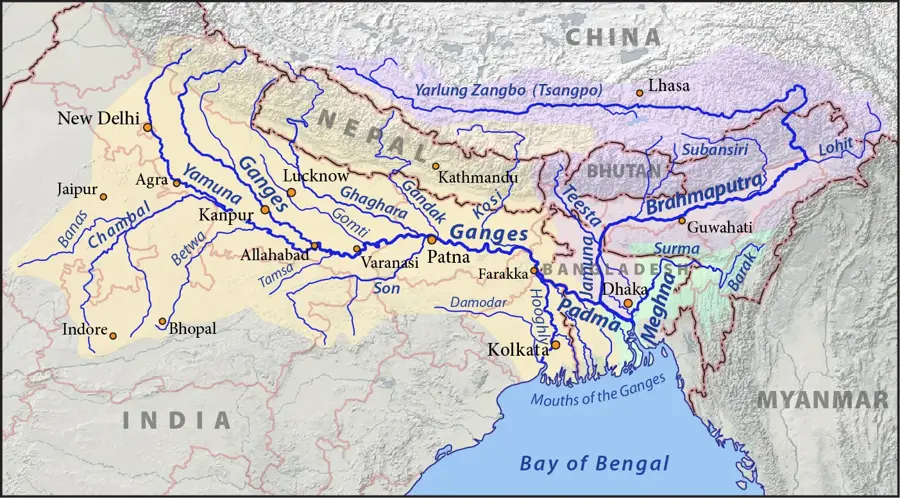
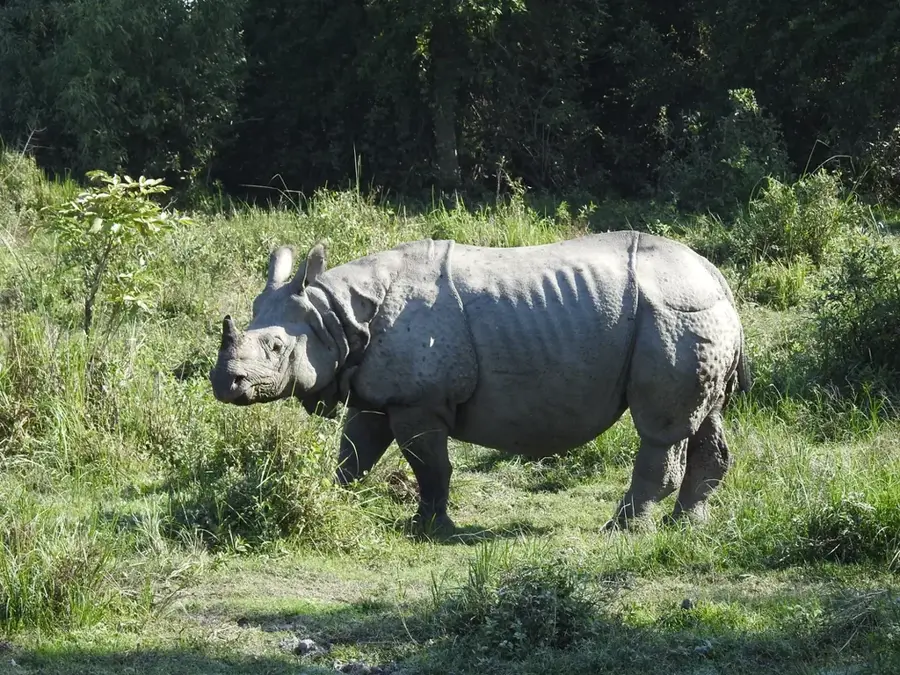
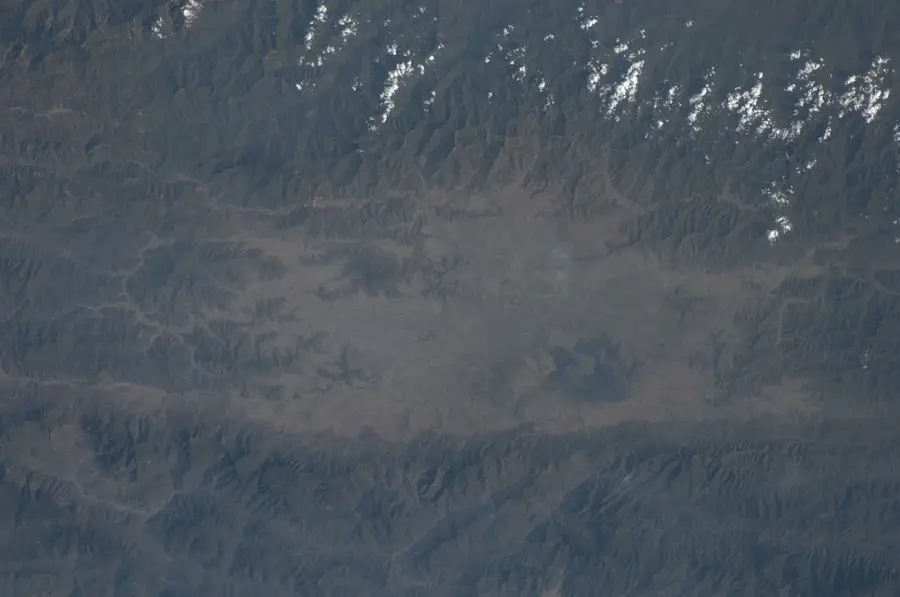
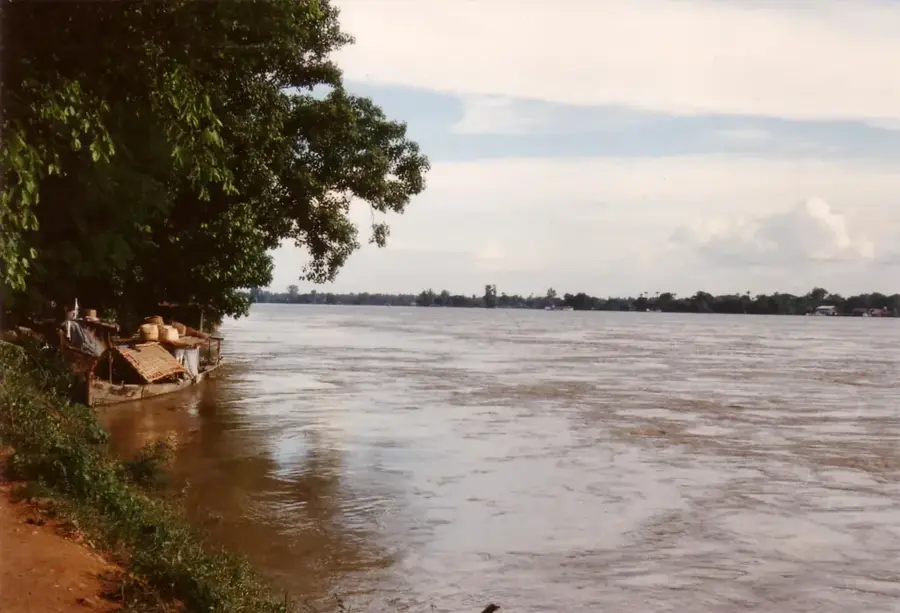
Assam is home to the world's largest contiguous tea-growing region, stretching along the fertile floodplains of the Brahmaputra River. Unlike the high-altitude gardens of Darjeeling, Assam tea is grown in low-lying areas, which results in its characteristic bold, malty flavor and deep, dark color. The discovery of the indigenous tea plant (Camellia sinensis var. assamica) by Robert Bruce in 1823 revolutionized the global tea industry and ended China's monopoly on production. Today, the region accounts for approximately half of India's total tea output, with over 800 major estates and thousands of small tea growers. These gardens define the social and economic landscape of Assam, employing millions of people across the state. The picking season lasts from March to December, with the 'Second Flush' in June being globally renowned for its superior quality. The region's unique geography often sees tea estates bordering world-famous wildlife sanctuaries like Kaziranga National Park.

Best time to visit & climate

The most pleasant time to visit is Feb, Nov, Dec.

JanFebMarAprMayJunJulAugSepOctNovDec
Avg °C161923262828282827252017
Rain mm1226561562342983222822261002110

📋 Practical info

🏭
What is this place?
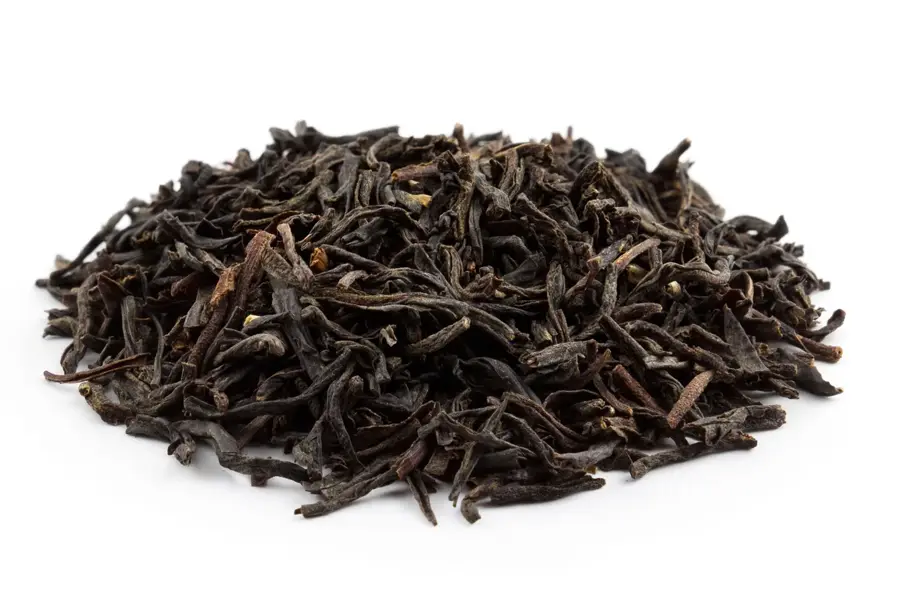
Assam Tea Gardens are the heart of India's largest tea-producing region. They play a vital role in the local economy and offer visitors a glimpse into the cultivation of the famous strong, malty Assam black tea.
🚪
Visiting
Tea gardens are typically open to the public along designated walking paths or guided tours, but it is best to check local access. Even without a tour, the lush green estates are clearly visible from surrounding roads.
👀
Where to view it
Excellent viewpoints can be found along the roads that wind through the estates, especially near hillside terraces. Public vantage points at tea estate gates or small hillocks provide panoramic views over the rolling tea bushes.
🧺
Local products
Local markets and roadside stalls sell fresh Assam tea leaves, packaged black tea, and seasonal produce like bamboo shoots. Visitors can also find handmade teas and local snacks in the nearby towns.
📆
Active season
The main tea plucking season runs from March to November, with peak freshness in the spring and autumn flushes. During this time the gardens are bustling with workers and the estates are most spirited.
Nearby
Combine a visit to the tea gardens with a trip to the Kaziranga National Park or a river cruise on the Brahmaputra. The region also features cultural tours of ancient temples and traditional Assamese villages.

Geography

Coordinates
26.74830, 94.24750

Facts

  • Assam produces approximately 50% of India's total tea output.
  • The indigenous tea plant was discovered in 1823 by Robert Bruce.
  • There are over 800 major registered tea estates in Assam.
  • Estates often follow 'Tea Garden Time,' an hour ahead of IST.
  • The 'Second Flush' in June is the most prized harvest of the year.
  • The Camellia sinensis var. assamica is native to this region.

Explore nearby

Notable places around
Route planner — Car & Motorhome

Where do you start? We build the route here, with stops and country notes along the way.

Vehicle
Only stops with (optional):

© OpenStreetMap contributors · OpenRouteService

Sights in the town Assam Tea Gardens (8)

Jorhat Theatre Hall🎭 culture

A historic theatre in Jorhat that has been a hub for Assamese arts and culture for decades.

Jorhat Museum🏛 museum

The museum in Jorhat displays archaeological finds and historical artifacts from the Ahom dynasty.

Jahind Theater🎭 culture

A local venue in Jorhat known for traditional dance and theatre performances.

Jorhat Science Centre and Planetarium🏛 museum

This facility in Jorhat provides interactive science exhibits and a modern planetarium.

Atila Gaon Namghar📍 landmark

A traditional Namghar in Atila Gaon, serving as a prayer and assembly house for Assamese Vaishnavites.

Karni Mata Mandir📍 landmark

This Hindu temple is dedicated to Karni Mata and is noted for its colourful architecture.

Masjid📍 landmark

A local mosque in Jorhat, representing Islamic sacred architecture in Assam.

Biponi Market🎭 culture

A busy market in Jorhat selling local produce and traditional Assamese handicrafts.

Sights nearby

Frequently asked questions

How is Assam tea different from others?
Assam tea is known for its bold, malty flavor and deep dark color.
Can you stay in tea plantation bungalows?
Yes, many heritage colonial bungalows have been converted into luxury stays for tourists.
When is the best time to visit?
From November to March, the weather is most pleasant for visiting the estates.
Are there factory tours available?
Yes, visitors can witness the tea processing steps from withering to final packaging.
Is Assam the largest tea-growing region?
Yes, it is the world's largest contiguous tea-growing region by area.
Assam Tea Gardens: where is it located?
Assam Tea Gardens is located in India.
Assam Tea Gardens: what is there to see?
Highlights include Jorhat Theatre Hall, Jorhat Museum, Jahind Theater.
Assam Tea Gardens: when is the best time to visit?
The most pleasant time to visit is Feb, Nov, Dec.
Assam Tea Gardens: why is it worth visiting?

Assam is home to the world's largest contiguous tea-growing region, stretching along the fertile floodplains of the Brahmaputra River.
View on map → The Top 50 Attractions → OpenStreetMap →
Asia
Explore with Plizio Discover more places in Asia
More places in India →

Nearby cities

Nature

More places