Plizio Visual Lab
Sarkad
ℹ️Practical info — Sarkad
▾
🌤 Weather — 5 days
📍 Nearby
Sights nearby
💡 Tips
- Rent a bike to explore the extremely flat Alföld (Great Plains) landscape.
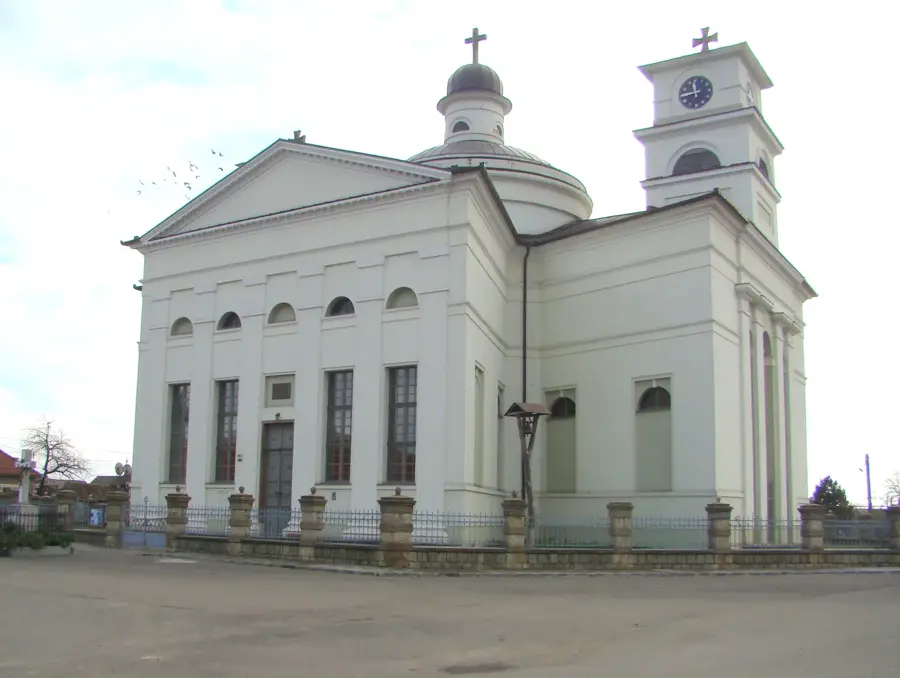
- Visit the local Reformed Church, which is known for its architecture.
- Use Sarkad as a quiet base for visiting nearby Gyula (famous for its castle and thermal spa).
- Watch out for slow-moving agricultural vehicles on rural roads when driving.
- Mosquito repellent is absolutely essential in the summer due to the nearby rivers.
🍽 Food
Try this highly regarded and spicy local sausage.
The traditional spicy fisherman's soup, often made with fish from the Körös rivers.
A Hungarian fruit brandy; Békés county is famous for its plum pálinka.
🛍 Shopping · 🧘 Quiet spots
Buy packaged local sausage (kolbász) at the market or butcher.
Hungarian pickled peppers and cucumbers make a great edible souvenir.
Look for traditional wooden items at local artisan markets.
A peaceful little lake excellent for relaxing or fishing.
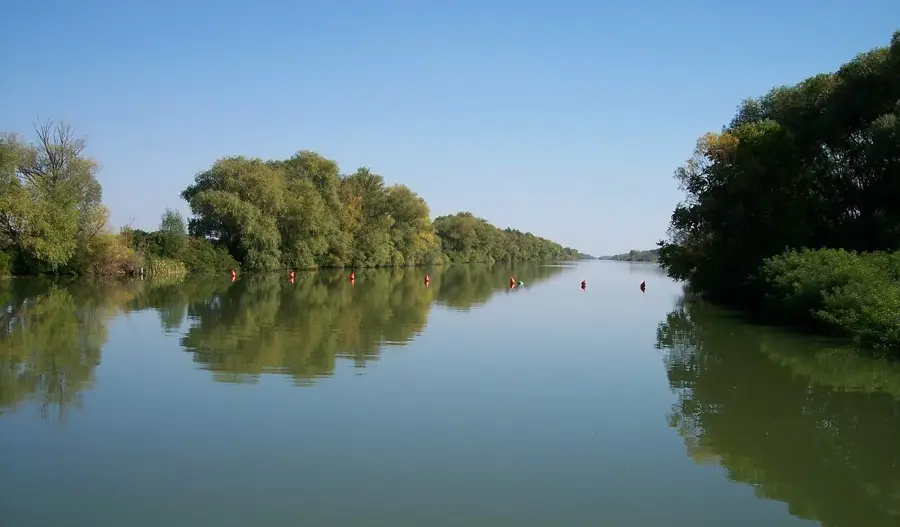
Walk along the nearby river for pure nature and bird watching.
Water temperature…
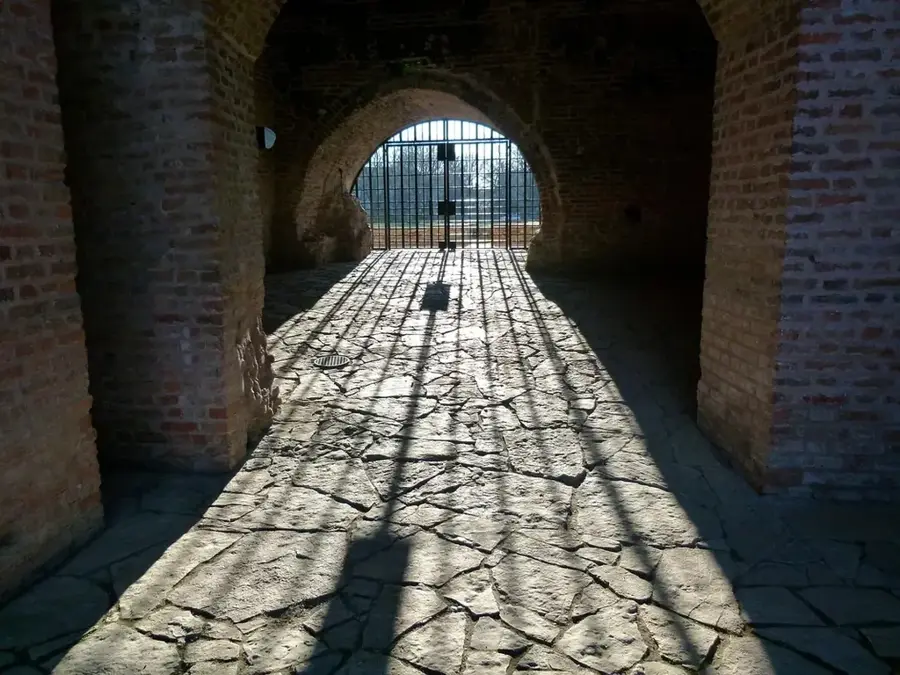
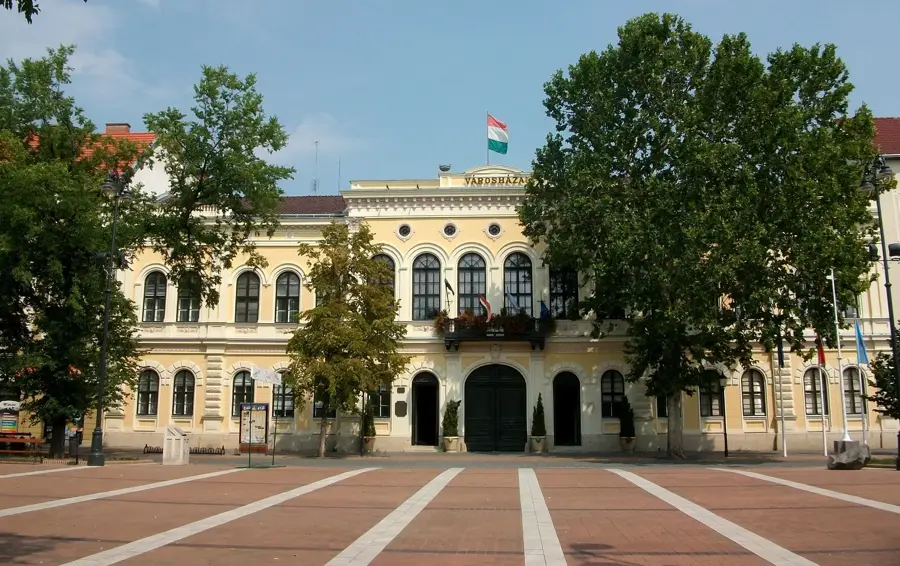
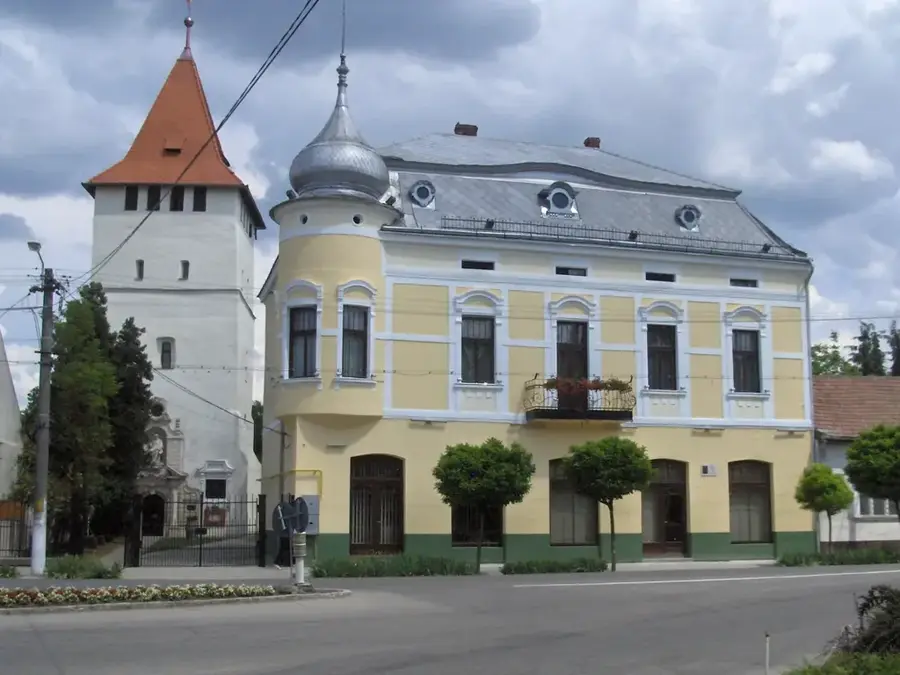
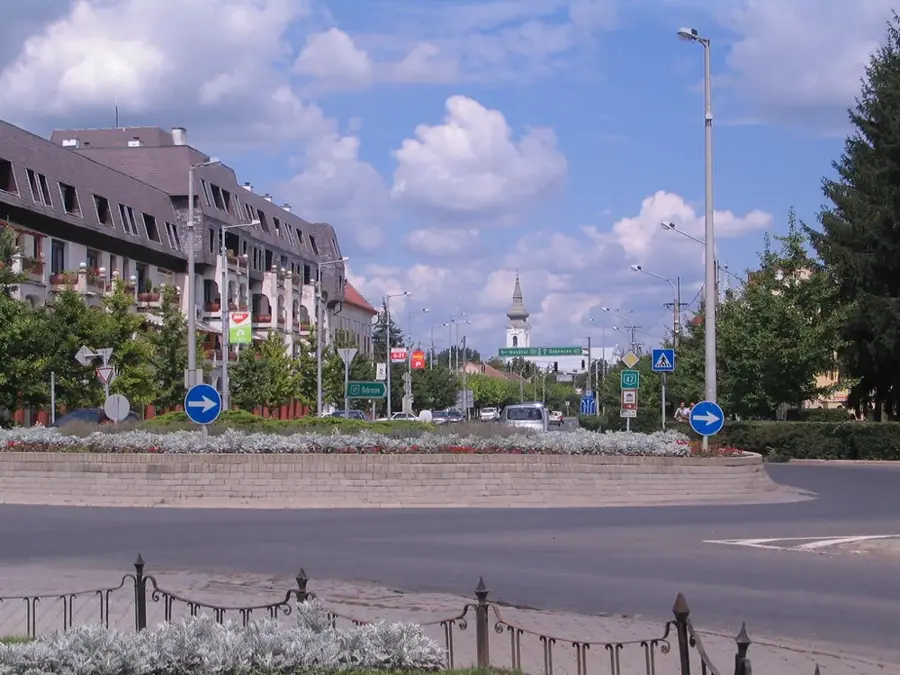
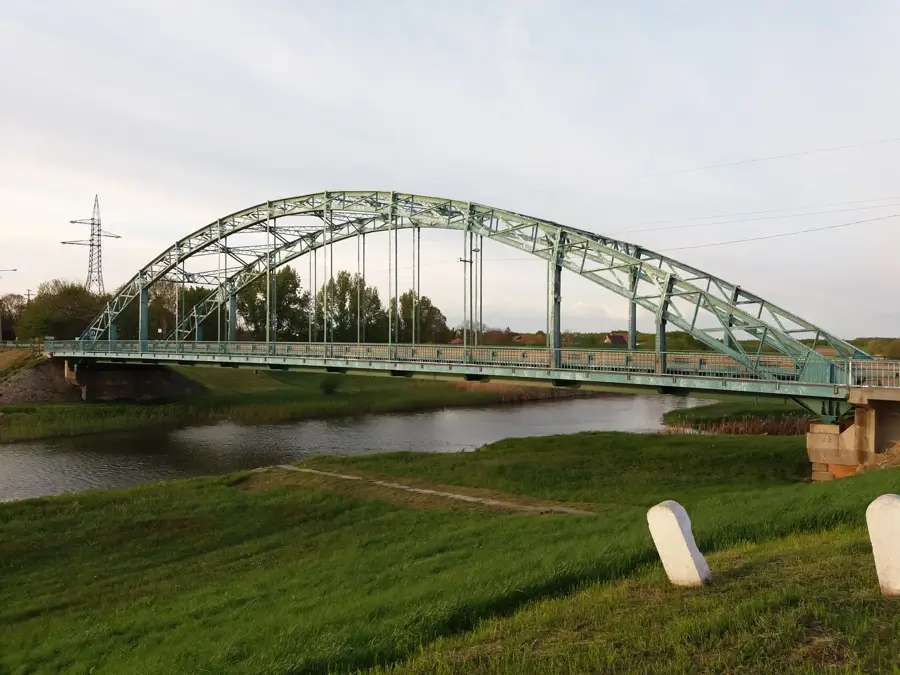
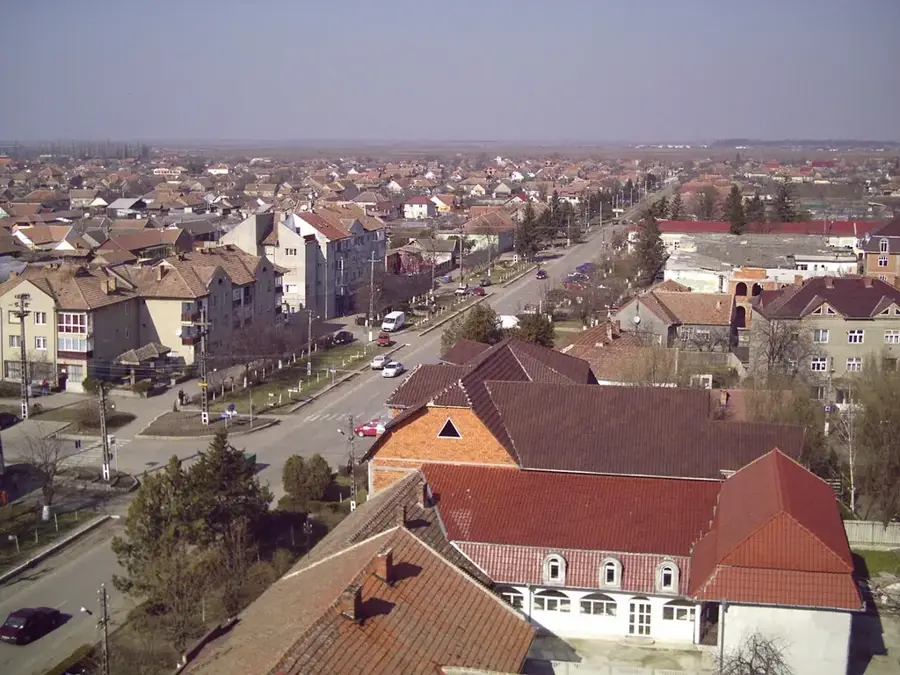
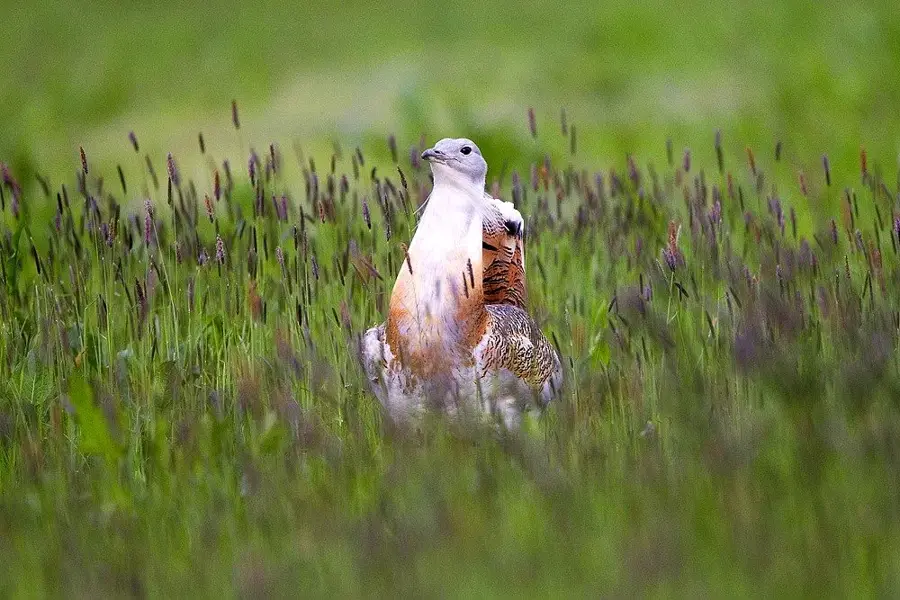
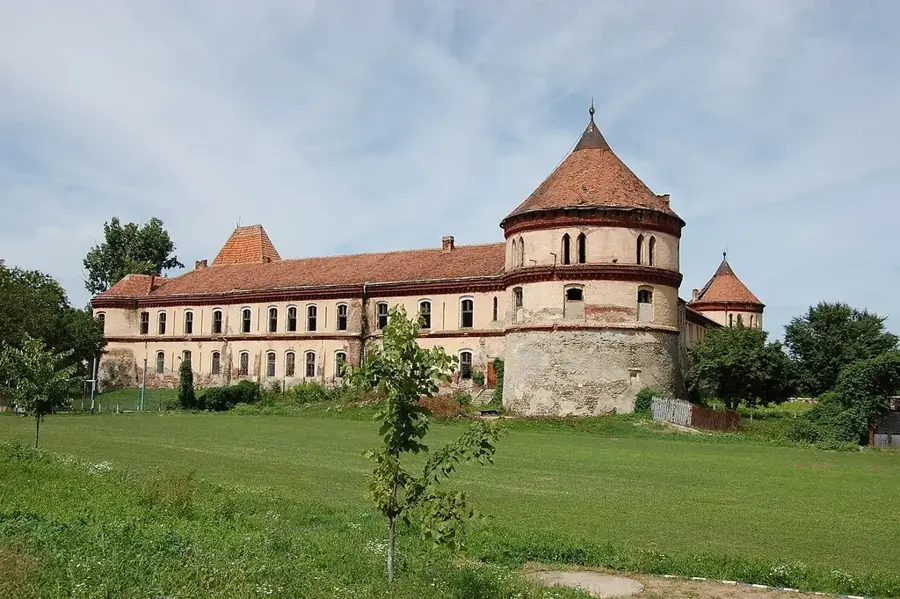
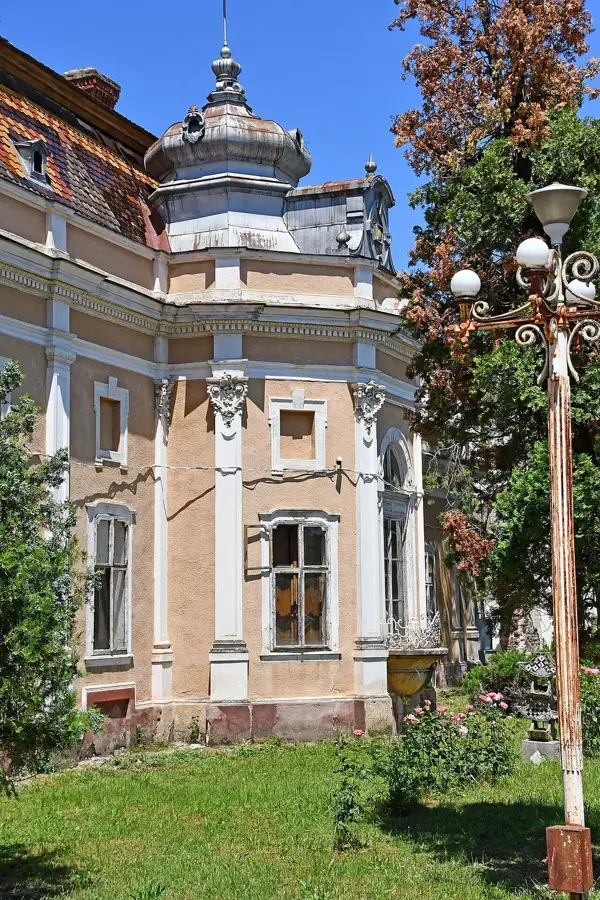
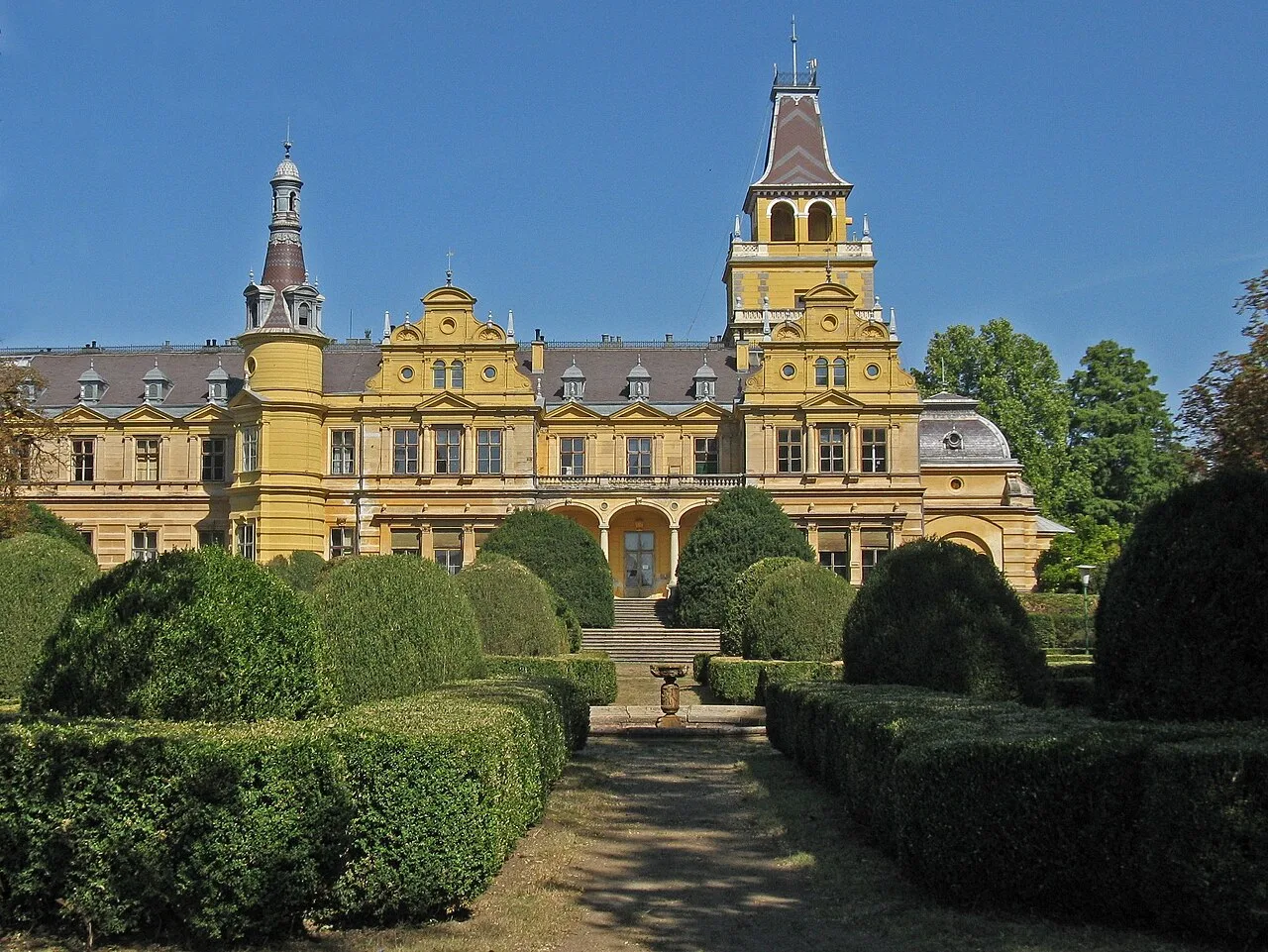
Sarkad is a historic town located in the southeastern part of Hungary, within Békés County, positioned directly along the Romanian border on the banks of the Black Körös River. The town's origins are deeply rooted in the medieval period, with its first written mention appearing in 1138, a time when the settlement was largely defined by the surrounding vast marshlands that provided a natural defense system. The landscape underwent a dramatic evolution in the late 19th century following extensive river regulations and the drainage of wetlands, which paved the way for the establishment of a major sugar refinery in 1889. This industrial boom transformed Sarkad into a vital economic hub of the Southern Great Plain for over a hundred years, attracting workers and fostering urban development. Among its notable architectural landmarks are the Almásy Mansion, which served as a seat for local nobility, and the monumental Reformed Church, characterized by its distinctive twin towers. Today, Sarkad serves as a key regional center for education and culture, maintaining strong cross-border ties with the nearby Romanian city of Salonta. The surrounding natural environment, including the river's backwaters and riparian forests, has a sanctuary for various protected species and serves as a prime destination for eco-tourism and angling.
- Location: Hungary
- Top sights: Almásy Castle · Millennium Memorial Park · Sándor Kónya Memorial Room
- Population: ~8.988
Best time to visit & climate
The most pleasant time to visit is Jun, Aug, Sep.
| Jan | Feb | Mar | Apr | May | Jun | Jul | Aug | Sep | Oct | Nov | Dec | |
|---|---|---|---|---|---|---|---|---|---|---|---|---|
| Avg °C | -1 | 1 | 6 | 12 | 18 | 22 | 24 | 24 | 18 | 12 | 6 | 1 |
| Rain mm | 38 | 39 | 43 | 44 | 66 | 80 | 69 | 53 | 52 | 49 | 46 | 44 |
Geography
Facts
- First mentioned in written records in 1138.
- The Sarkad sugar factory was established in 1889.
- The settlement was granted town status in 1989.
- The Reformed Church tower is 42 meters high.
- The Almásy Mansion was built in the early 19th century.
- The town is located 30 kilometers from Békéscsaba.
Explore nearby
Notable places around


Route planner — Car & Motorhome
Where do you start? We build the route here, with stops and country notes along the way.
© OpenStreetMap contributors · OpenRouteService
Sights in the town Sarkad (6)
Frequently asked questions
Why is Sarkad called the 'city of eight towers'?
What can you visit in Sarkad?
Is Sarkad located by a river?
Are there nature trails nearby?
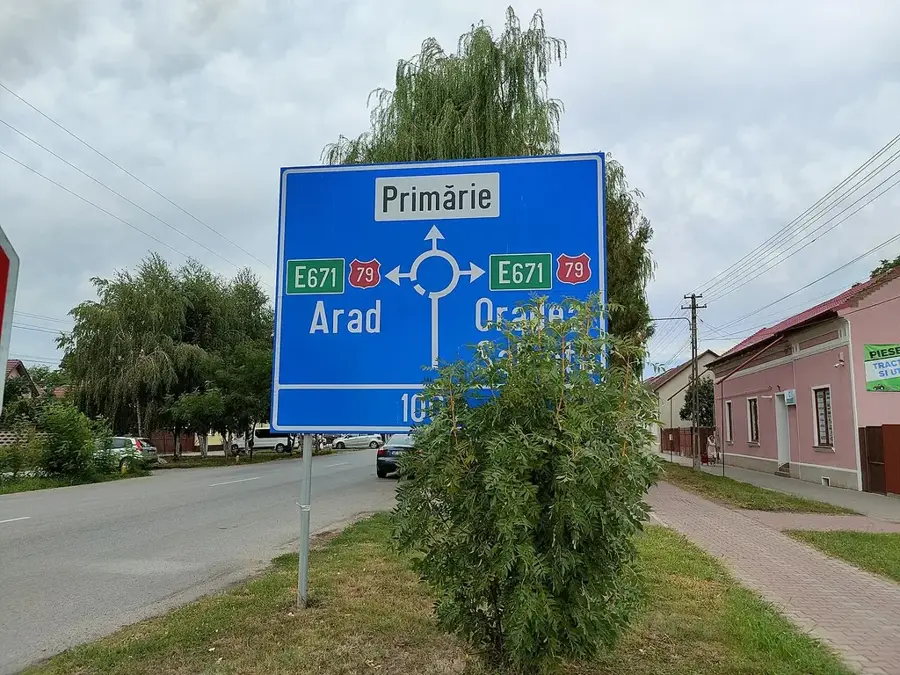
How is the connection to Romania?
Sarkad: where is it located?
Sarkad: what is there to see?
Sarkad: when is the best time to visit?
Sarkad: why is it worth visiting?

Nearby cities
History & landmarks

Nature
More places