Plizio Visual Lab
Füzesabony
ℹ️Practical info — Füzesabony
▾
🌤 Weather — 5 days
📍 Nearby
Sights nearby
💡 Tips
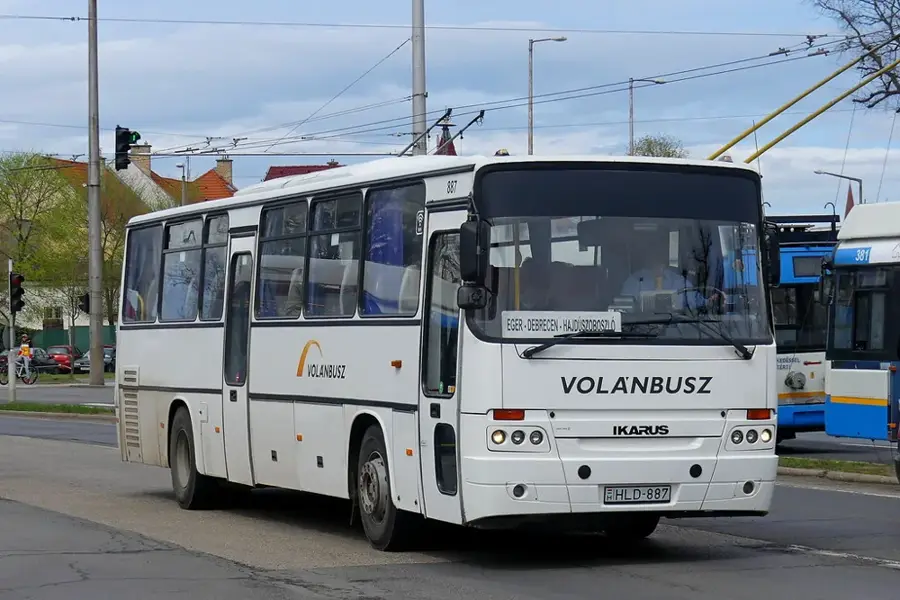
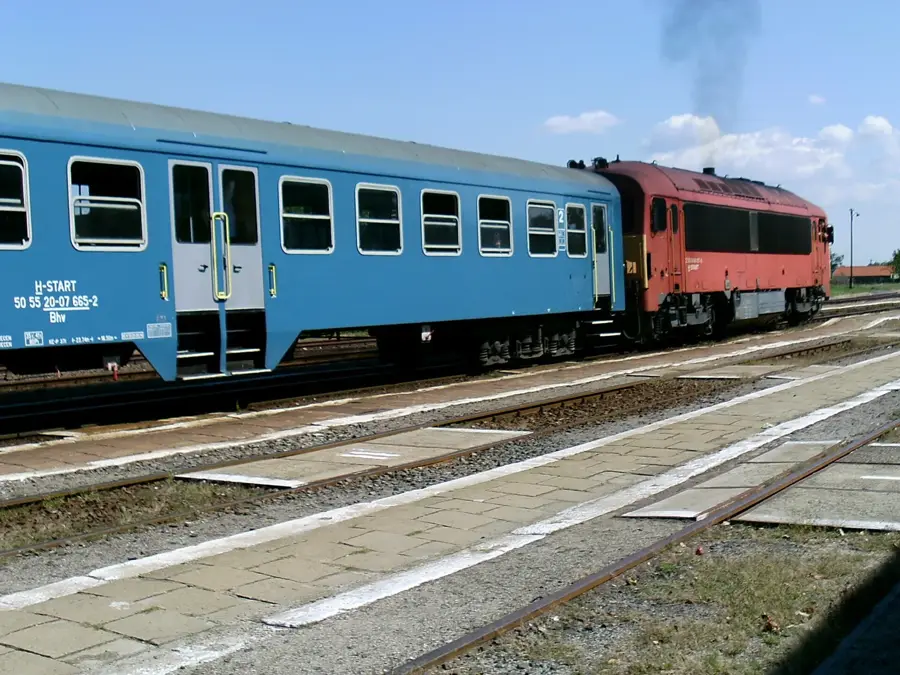
- Take advantage of the railway junction: Eger and Lake Tisza can be reached quickly from here.
- Learn about the Bronze Age Füzesabony culture at local archaeological exhibitions.
- Rent a bike and take a day trip to the nearby Lake Tisza.
- Stay here affordably if you are looking for a base to explore the Bükk Mountains or Lake Tisza.
🍽 Food
Taste it in local restaurants due to the proximity of Lake Tisza.
Look for this filling meat dish on the menu of traditional local inns.
Order a glass of Egri Bikavér (Bull's Blood) with your dinner.
🛍 Shopping · 🧘 Quiet spots
Buy honey from local producers at the market.
Browse the ceramics and goods of local artisans.
Take a walk under the trees in the renovated central park.
Take a walk to the edge of town at sunset towards the quiet fields.
Water temperature…
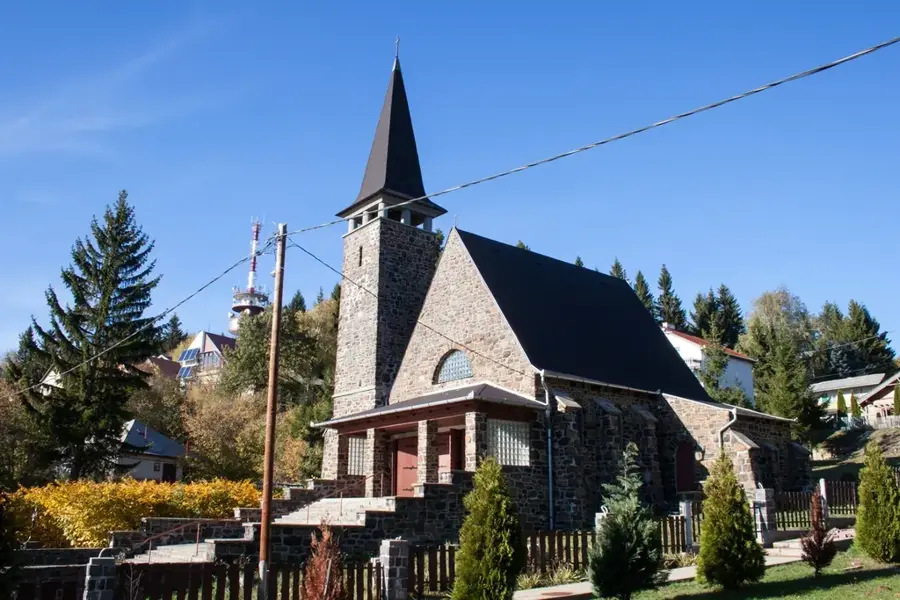
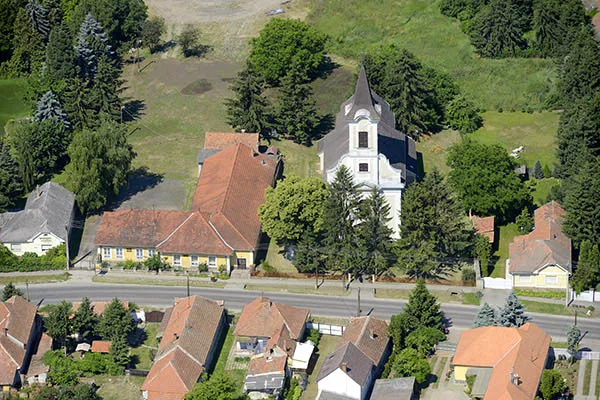
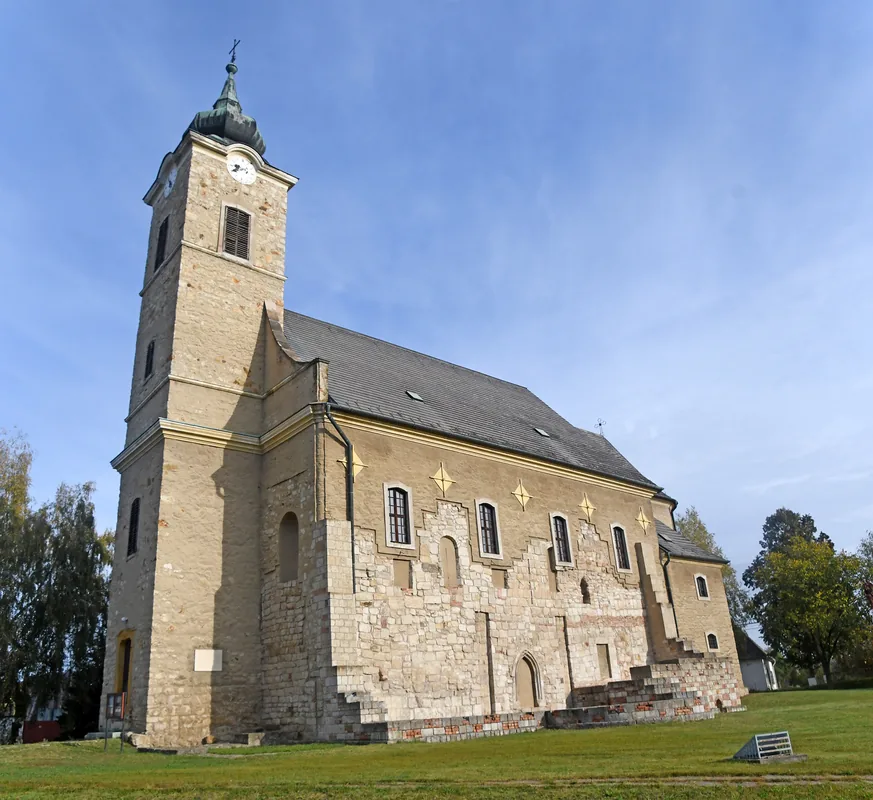
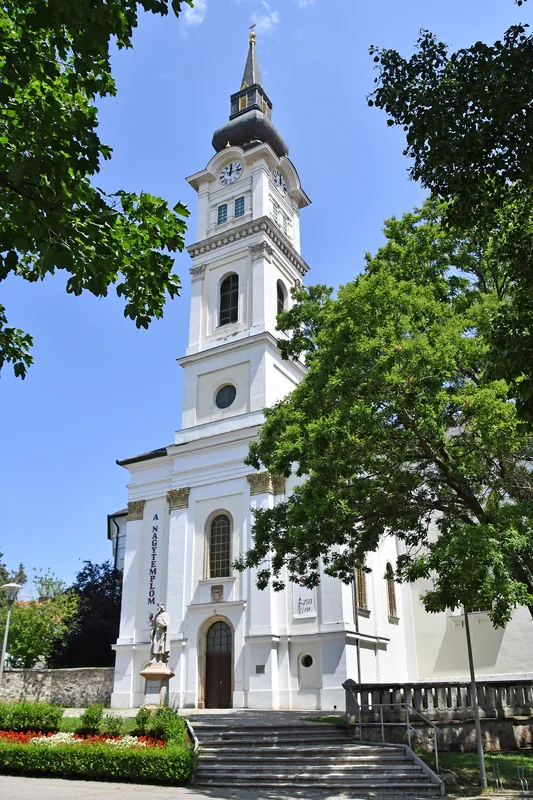
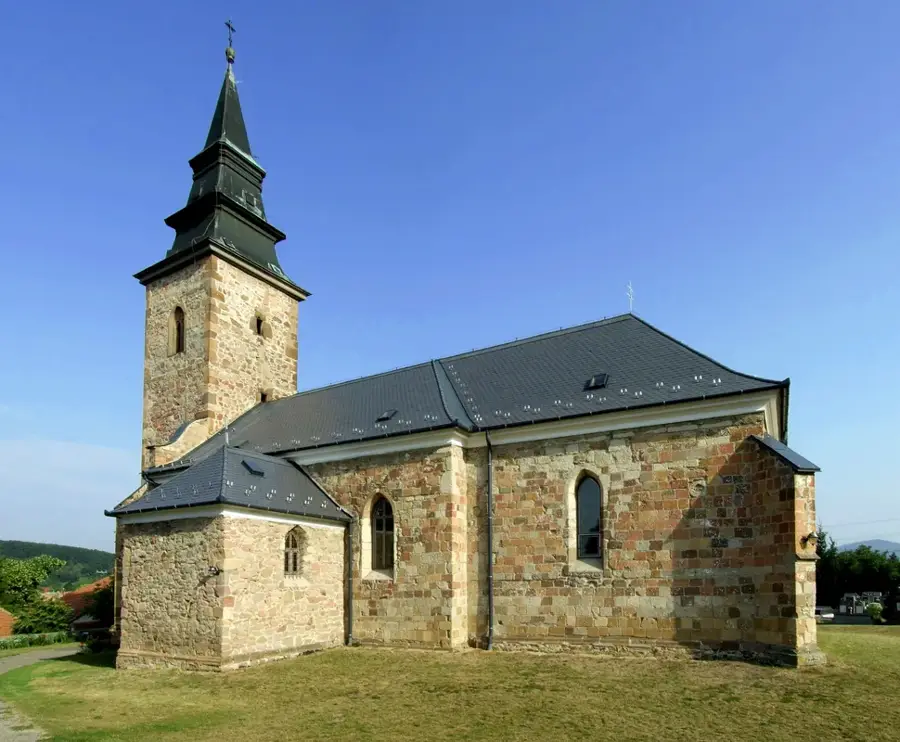
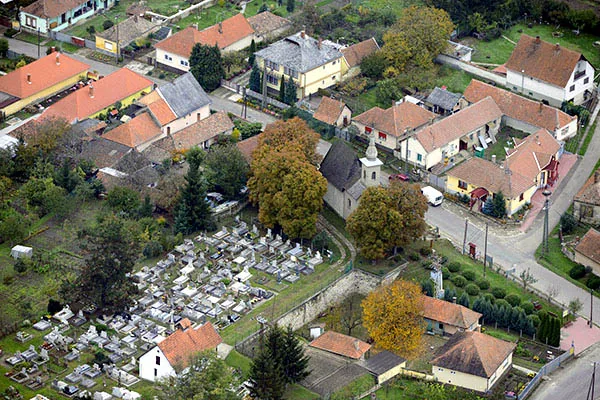
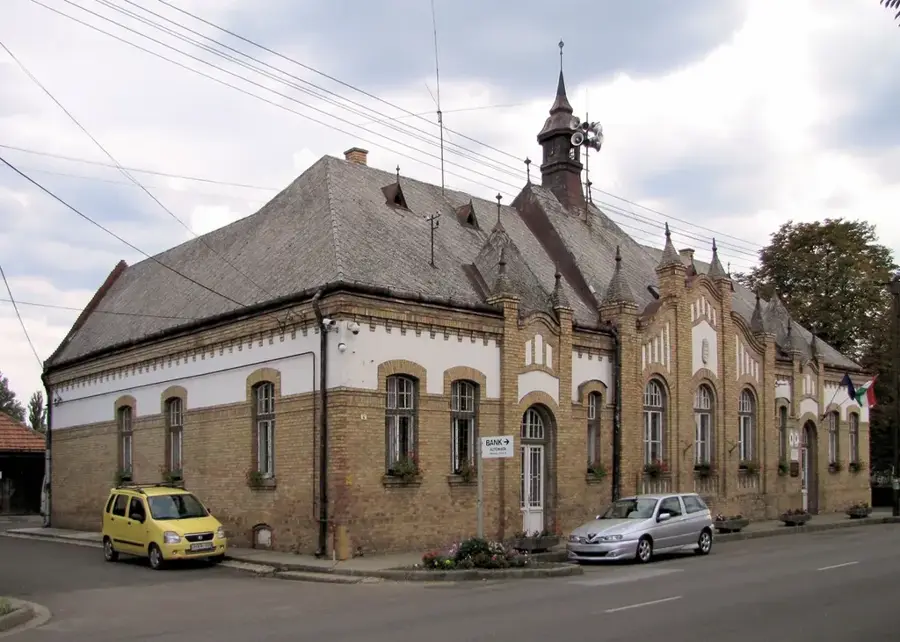
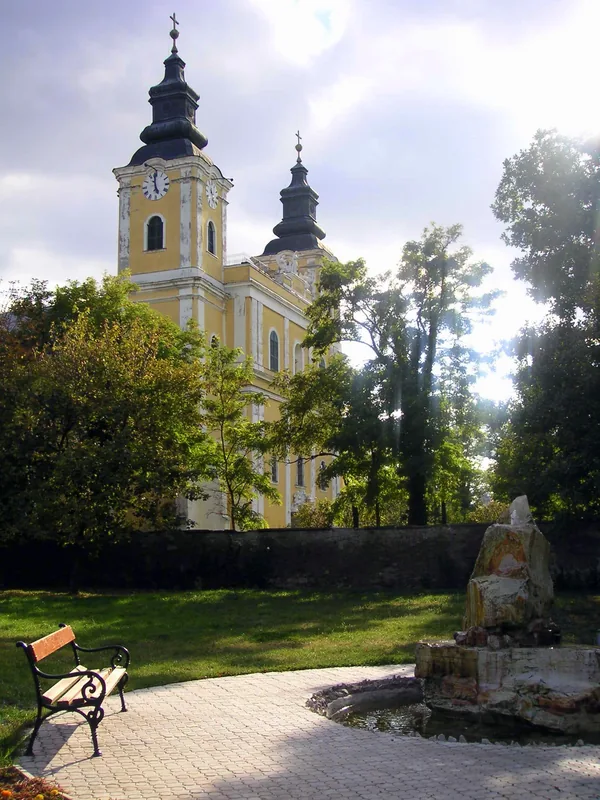
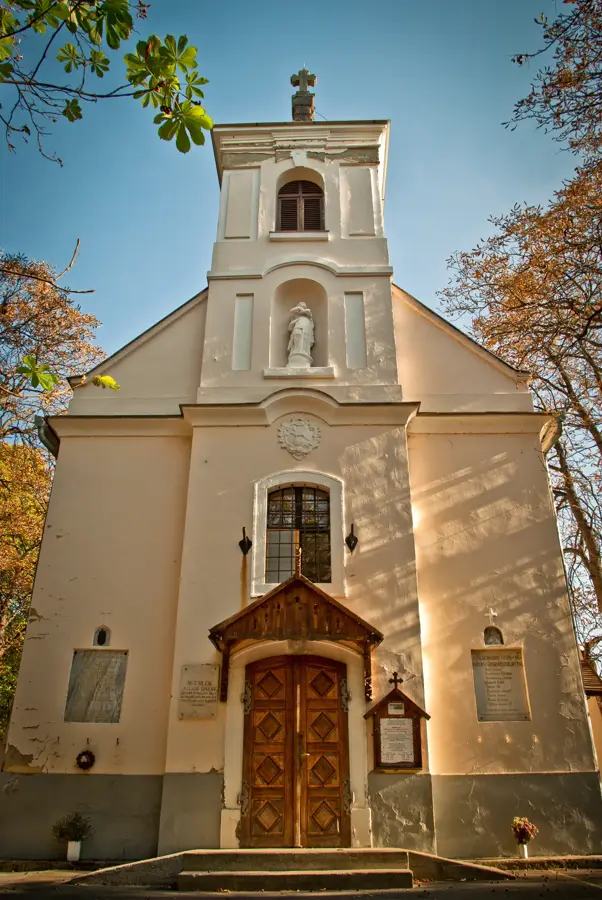
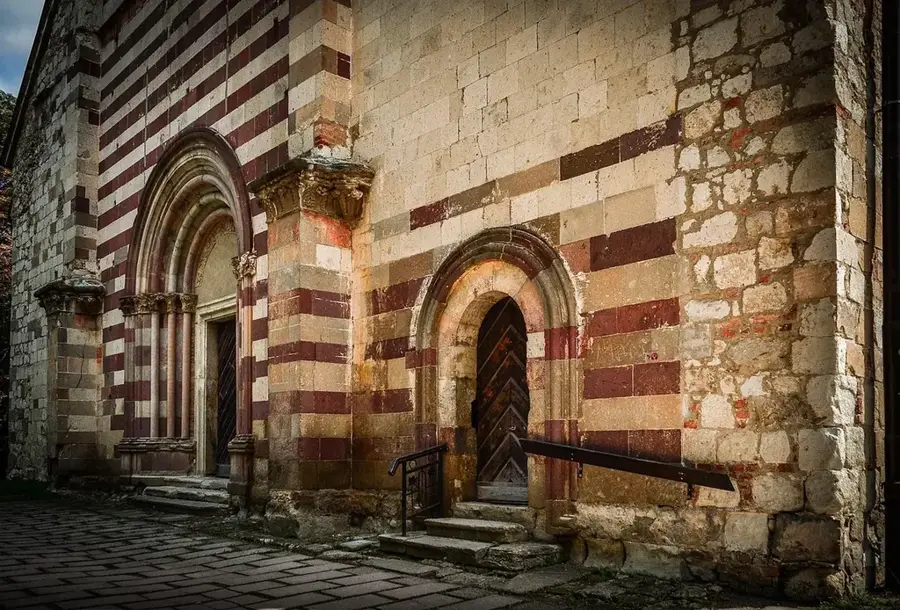
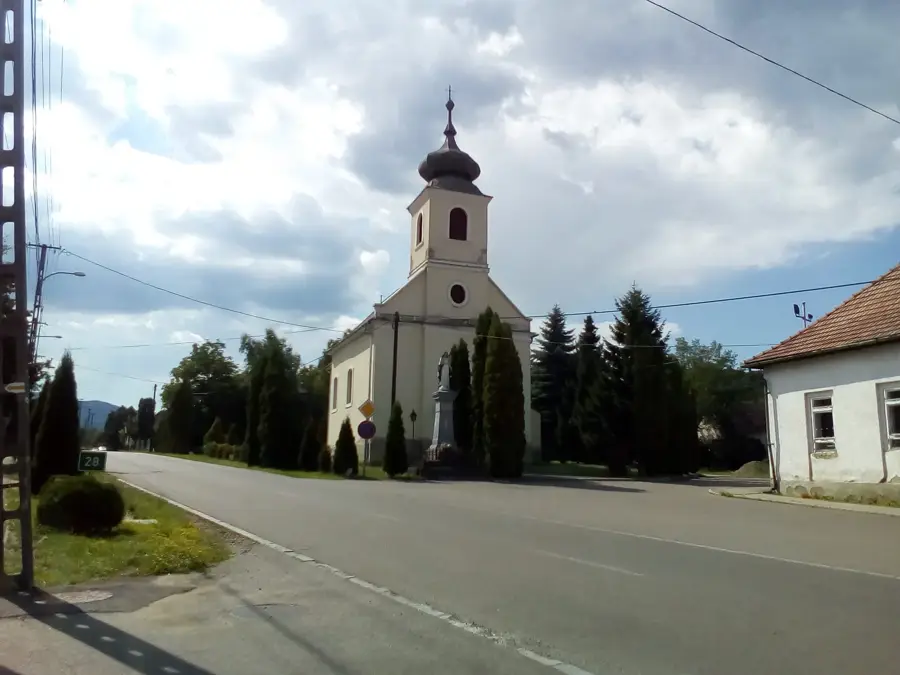
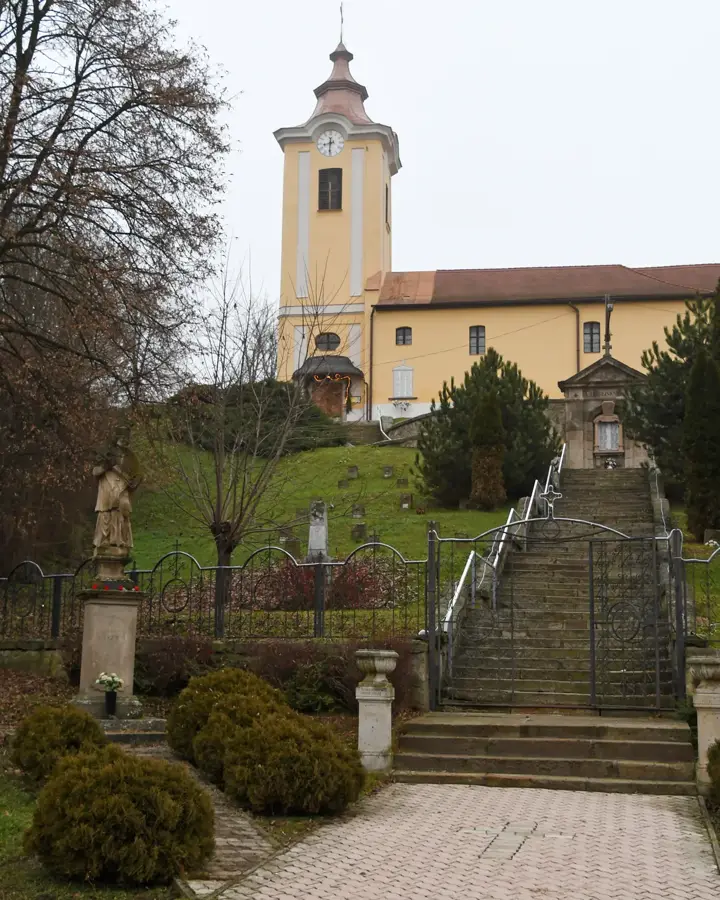
Füzesabony is a strategically located town in Heves County, renowned as a primary transport hub connecting the Great Hungarian Plain with the northern Mátra and Bükk mountain ranges. The town's modern history is inextricably linked to the railway line opened in 1870, which turned it into a vital junction and shaped its industrial and commercial character. Beyond its logistical importance, Füzesabony is an archaeological treasure trove; major excavations at the Pusztaszikla site have uncovered significant finds from the Bronze Age and the Migration Period, shedding light on the early inhabitants of the region. Architectural landmarks include the Roman Catholic Church of St. John the Baptist and the Baroque St. Vendel Chapel, built in honor of the patron saint of shepherds. While agriculture and food processing remain traditional staples, the town's proximity to the M3 motorway has fostered growth in logistics and services. Füzesabony serves as an excellent jumping-off point for visitors exploring the Eger wine region or the Lake Tisza area, providing all the amenities of a well-connected regional center. The town maintains a friendly, community-oriented atmosphere, hosting regular markets and cultural festivals that reflect its dual identity as a dynamic transit point and a historically rich settlement.
- Location: Hungary
- Top sights: Füzesabony Railway Station · Remenyik Zsigmond Museum · Keresztelő Szent János születése templom
- Population: ~7.098
Best time to visit & climate
The most pleasant time to visit is Jun–Aug.
| Jan | Feb | Mar | Apr | May | Jun | Jul | Aug | Sep | Oct | Nov | Dec | |
|---|---|---|---|---|---|---|---|---|---|---|---|---|
| Avg °C | -3 | -1 | 4 | 11 | 16 | 20 | 22 | 22 | 16 | 10 | 4 | -1 |
| Rain mm | 38 | 40 | 41 | 42 | 73 | 79 | 83 | 62 | 55 | 54 | 47 | 45 |
Geography
Facts
- Area: 46.34 km²
- Population: approx. 7,400
- Railway station: Since 1870
- Archaeology: Pusztaszikla site
- Chapel: St. Vendel
- Region: North Hungary
Explore nearby
Notable places around
Route planner — Car & Motorhome
Where do you start? We build the route here, with stops and country notes along the way.
© OpenStreetMap contributors · OpenRouteService
Sights in the town Füzesabony (5)
Frequently asked questions
Why is Füzesabony an important transport hub?
What is the archaeological significance of the city?
Is there a museum in the city?
Is the area suitable for cyclists?
Are there accommodation options near the station?
Füzesabony: where is it located?
Füzesabony: what is there to see?
Füzesabony: when is the best time to visit?
Füzesabony: why is it worth visiting?

Nearby cities
History & landmarks
Nature
More places