Plizio Visual Lab
Rudabánya
ℹ️Practical info — Rudabánya
▾
🌤 Weather — 5 days
📍 Nearby
Sights nearby
💡 Tips
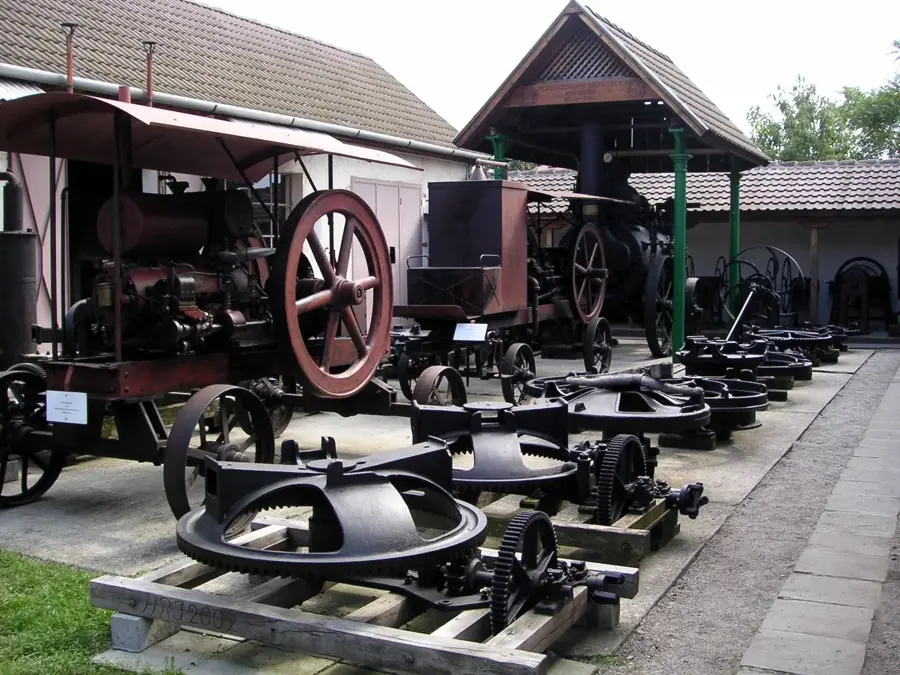
- Do not miss the local museum dedicated to the famous Rudapithecus hungaricus paleontology discovery and local mining history.
- The mining lake (Bányató) is exceptionally beautiful but very deep and dangerous; swimming is strictly prohibited.
- Wear sturdy, closed-toe shoes if you plan to walk around the old mining areas and the rugged lake shores.
- Since the town is small, check the limited opening hours of the museum and local eateries in advance.
🍽 Food
Hearty traditional Hungarian goulash soup, occasionally available at local traditional restaurants.
Deep-fried flatbread topped with garlic, sour cream, and cheese, sometimes available at small local stands.
Hungarian crepes filled with jam or cocoa, a simple and sweet local treat.
🛍 Shopping · 🧘 Quiet spots
Unique rocks and minerals are sometimes available as souvenirs related to the town's extensive mining history.
Pick up fresh bread and savory scones (pogácsa) for a quick snack while hiking.
The spectacular mining lake features a striking, quiet viewpoint from designated safe observation areas.
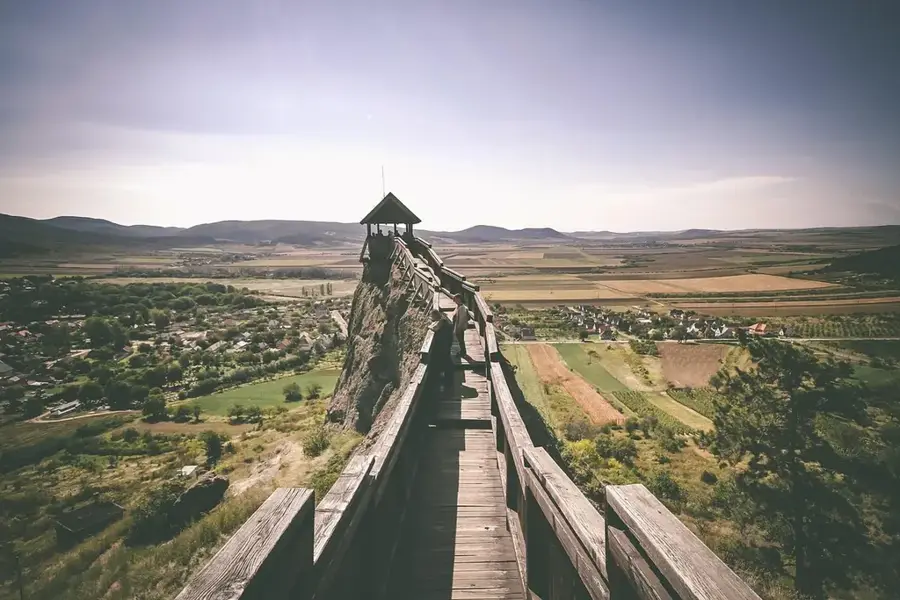
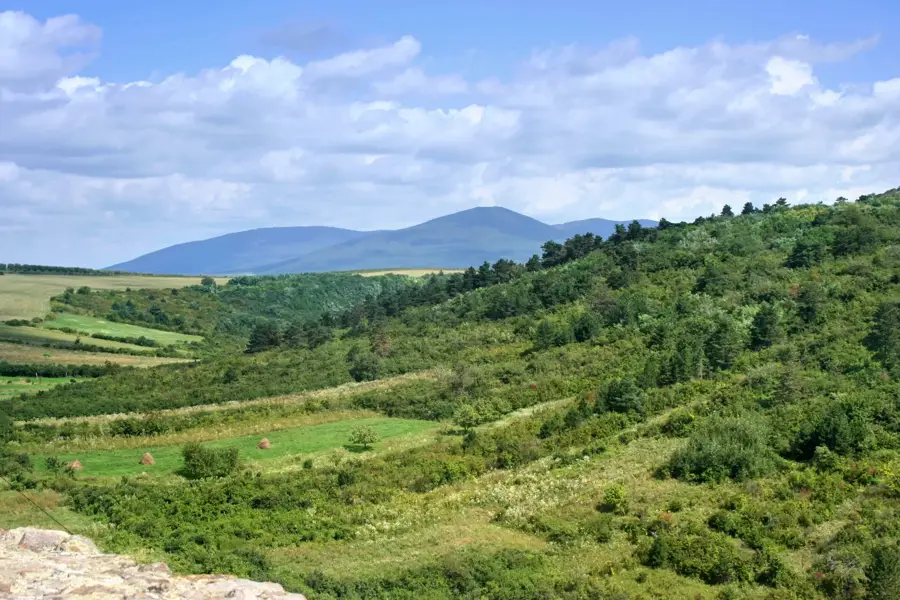
Remains of an old earthwork fort offering a quiet walk and scenic views over the surrounding hills.
Water temperature…
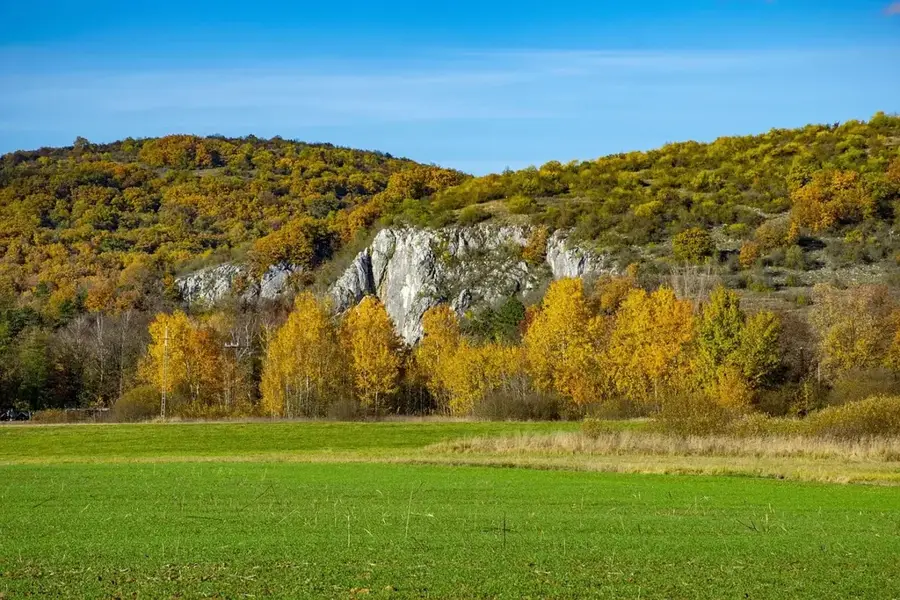
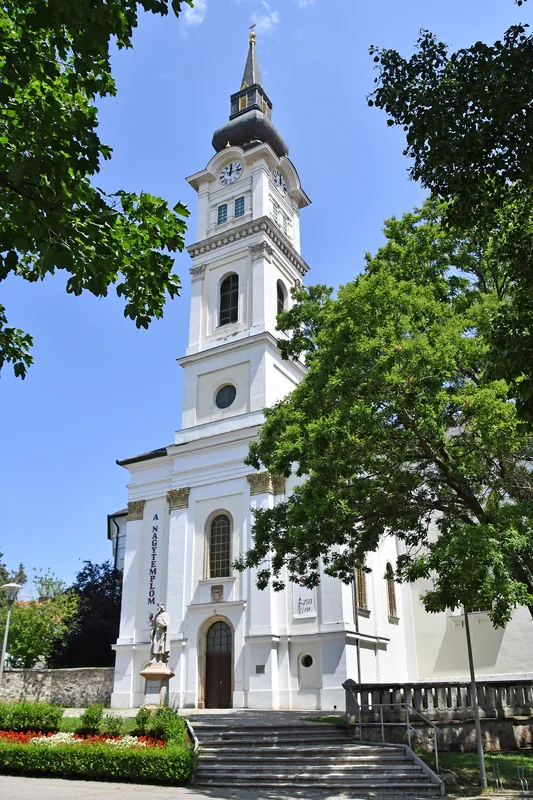
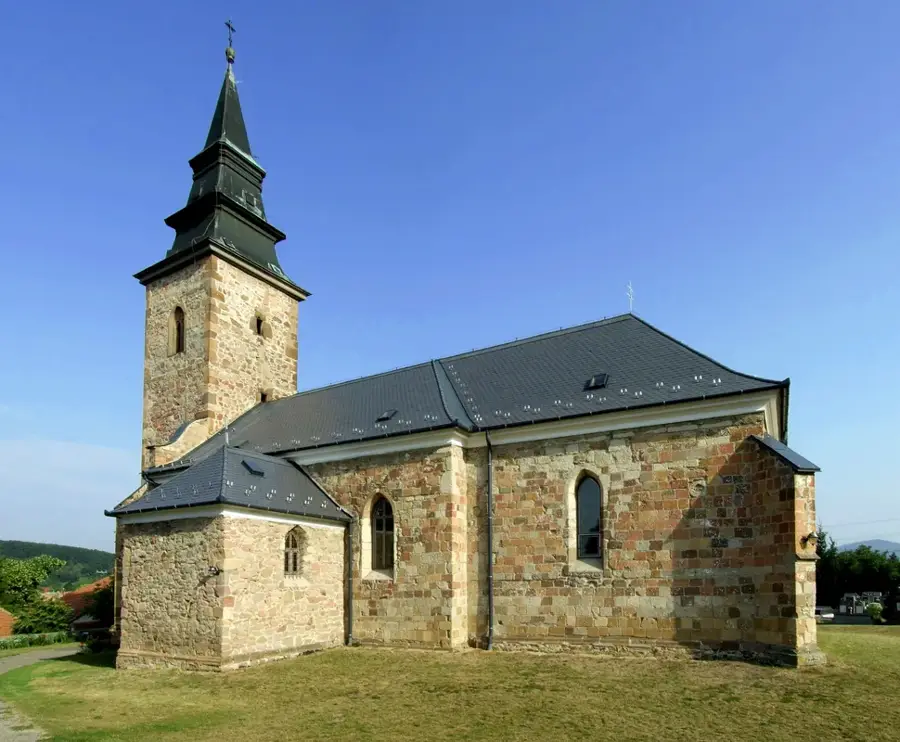
Rudabánya is a small town in Northern Hungary that has extraordinary geological and paleontological significance. Historically one of the country's major iron ore mining centers, its legacy took a dramatic turn after the mines closed, leading to the formation of Lake Rudabánya. This turquoise-colored lake, located in a former open-cast mine, reaches a depth of 60 meters, making it the deepest standing body of water in Hungary and a sweeping natural site. Scientifically, Rudabánya gained worldwide fame in 1967 with the discovery of 'Rudapithecus hungaricus,' a 10-million-year-old primate fossil that is a crucial link in human and ape evolution. This find turned the town into a global hub for evolutionary research. The local Mining Museum and the Paleontological Park allow visitors to explore these prehistoric finds and learn about the arduous life of miners in past centuries. The town's historic Reformed Church, dating back to the Middle Ages and featuring a unique painted ceiling, serves as a reminder of the settlement's deep historical roots. Rudabánya features a unique experience where industrial heritage, prehistoric sensations, and a striking turquoise lake converge, situated just south of the Aggtelek Karst region. It is a destination that captures the imagination of history buffs, nature lovers, and scientists alike.
- Location: Borsod-Abaúj-Zemplén, Hungary
- Top sights: Bányászmúzeum · Református templom · Tájház
- Nearby: Kazincbarcika (15 km)
- Population: ~2.300
Best time to visit & climate
The most pleasant time to visit is Jun–Aug.
| Jan | Feb | Mar | Apr | May | Jun | Jul | Aug | Sep | Oct | Nov | Dec | |
|---|---|---|---|---|---|---|---|---|---|---|---|---|
| Avg °C | -4 | -2 | 3 | 10 | 15 | 19 | 21 | 21 | 15 | 9 | 4 | -2 |
| Rain mm | 38 | 40 | 41 | 44 | 78 | 84 | 91 | 67 | 57 | 56 | 47 | 44 |
Geography
Facts
- Lake Rudabánya was formed between 1985 and the early 1990s.
- Rudapithecus fossils were first identified by paleontologist Miklós Kretzoi.
- The town was granted Royal Mining City status in the Middle Ages.
- The mining museum contains over 5,000 mineral and rock samples.
- The lake's steep, unstable walls make the surrounding area dangerous for hikers.
- Excavations at the primate site are still ongoing and yield new finds regularly.
Explore nearby
Notable places around

Route planner — Car & Motorhome
Where do you start? We build the route here, with stops and country notes along the way.
© OpenStreetMap contributors · OpenRouteService
Sights in the town Rudabánya (6)
Sights nearby (2)
Edelény Palace🏺 historical
15 kmA massive Baroque palace featuring unique interior paintings and gardens.
Aggtelek Caves🌿 nature
30 kmA world-renowned cave system and UNESCO World Heritage site.
Frequently asked questions
What is special about the Rudabánya Lake?
Is swimming allowed in the lake?
Who is 'Rudi' from Rudabánya?
Is there a mining museum?
How can I reach the lookout points around the lake?
Rudabánya: where is it located?
Rudabánya: what is there to see?
Rudabánya: when is the best time to visit?
Rudabánya: why is it worth visiting?

Nearby cities
History & landmarks