Plizio Visual Lab

Ziama Forest
Plizio editorial teamData Sources
Forest
—°
Ziama Forest (Guinea)

Weather…

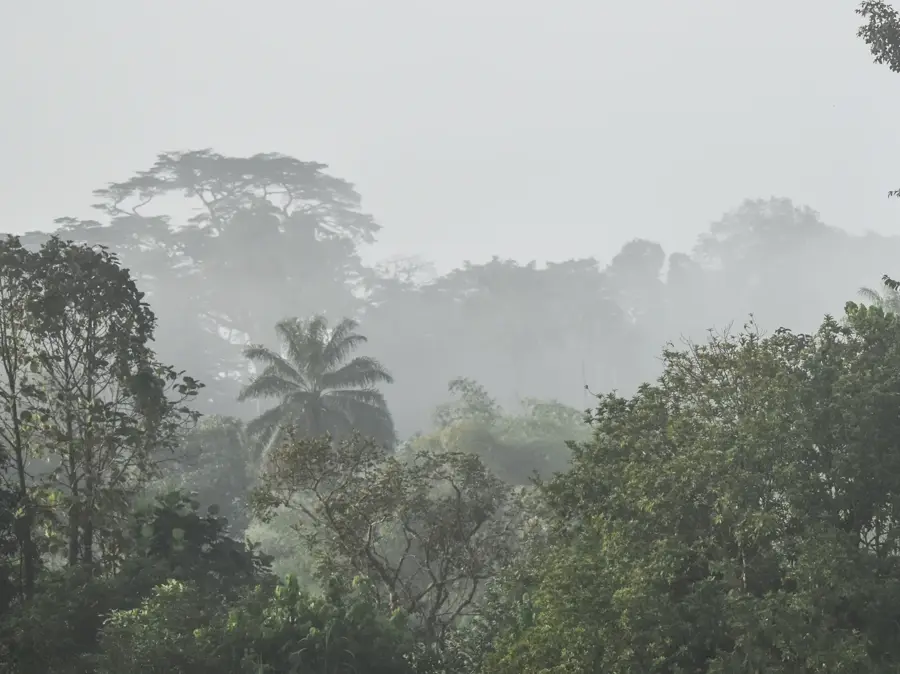
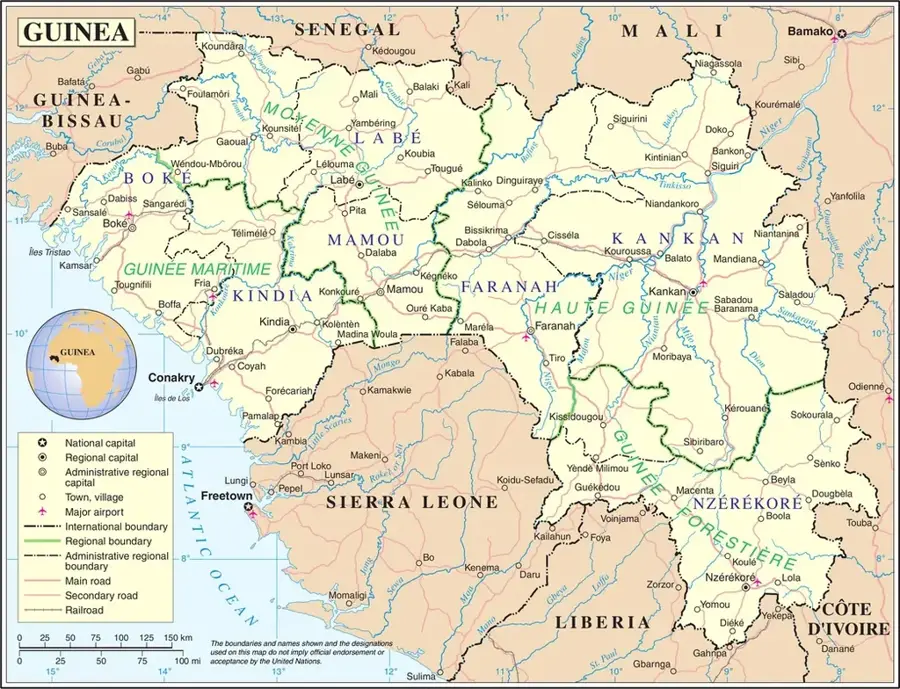
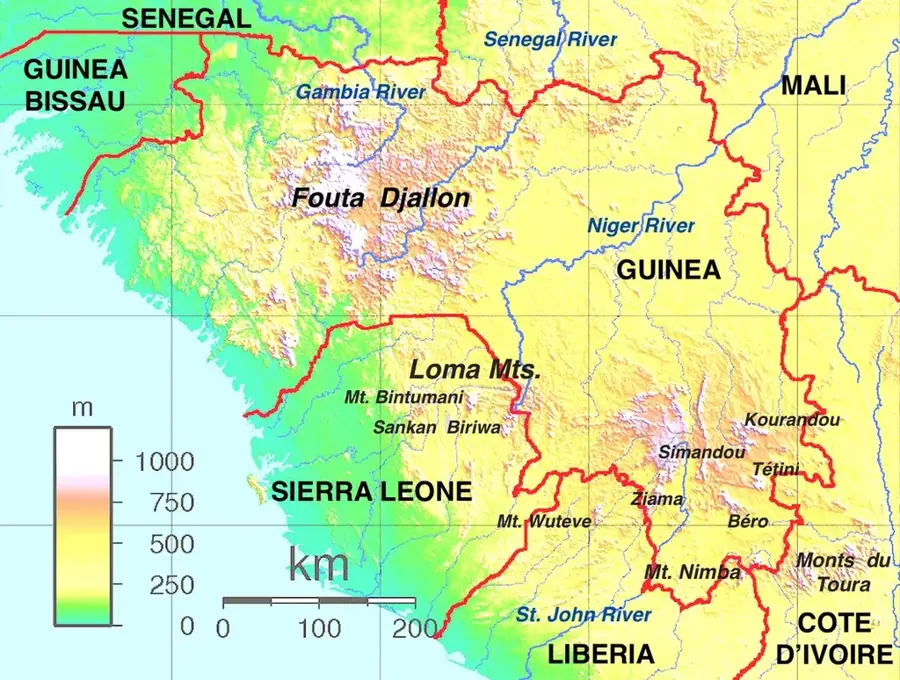
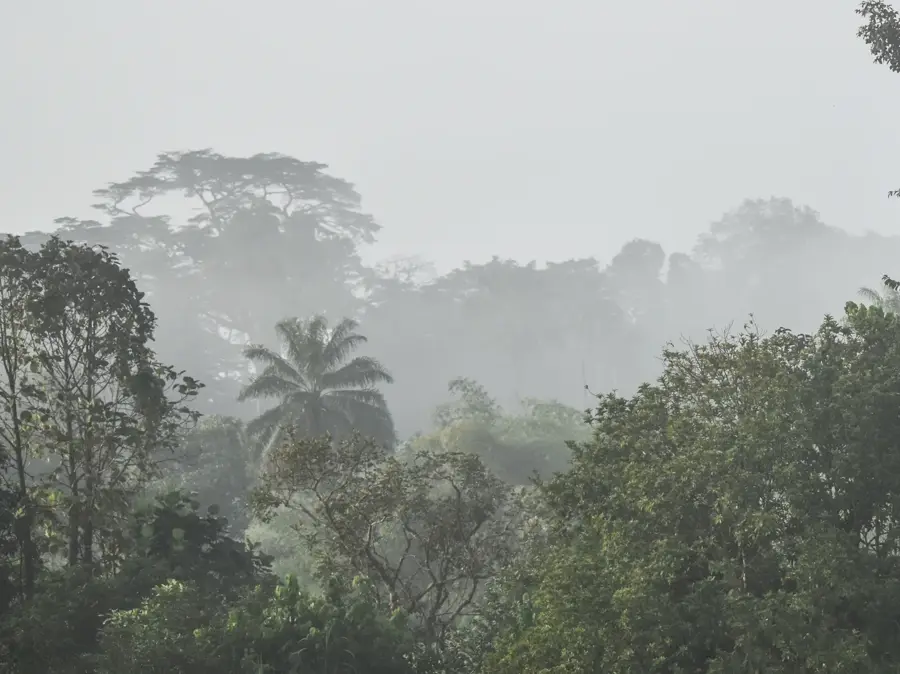
The Ziama Forest (Massif du Ziama) is one of the most valuable and well-preserved primary tropical rainforests in Guinea and across West Africa. Geographically, the massif is located in the southeastern corner of the country within the Macenta Prefecture, near the Liberian border. The forest spans a rugged mountainous landscape with elevations ranging from 500 to 1,300 meters. Due to its exceptional biodiversity and role as a sanctuary for endangered species, Ziama has been recognized by UNESCO as a Biosphere Reserve. It is famously one of the last remaining refuges for forest elephants in Guinea, and it also hosts significant populations of West African chimpanzees and the elusive pygmy hippopotamus. Botanically, Ziama is a vast repository of diverse tree species, ferns, and orchids thriving in its humid tropical climate. Historically, the forest has been central to the spiritual practices of the local Toma people, who revere it as a sacred space. Economically, the forest is crucial for regional water management and the sustainable harvesting of non-timber forest products. Despite its protected status, Ziama faces persistent threats from poaching, illegal logging, and agricultural expansion. For scientists and nature enthusiasts, it remains a supreme symbol of Guinea's pristine wilderness.

Best time to visit & climate

The most pleasant time to visit is Jan, Nov, Dec.

JanFebMarAprMayJunJulAugSepOctNovDec
Avg °C232526262524232323242423
Rain mm62979126153216234355266143429

📋 Practical info

🧭
Getting there
Access to the Ziama Forest, a critical primary rainforest within the Ziama Massif, typically involves navigating local unpaved roads in Guinea. Visitors usually start their journey from nearby villages or regional administrative centers which may serve as initial points for guided excursions into the Biosphere Reserve.
📅
Best season
The best time to visit this primary rainforest biosphere reserve usually coincides with the dry season, generally from November to April, when paths are less muddy and wildlife viewing is potentially easier. During the wet season, conditions can be challenging due to heavy rainfall and increased humidity, making some areas less accessible.
⛰️
Terrain & paths
The terrain of Ziama Forest is characteristic of a dense primary rainforest, featuring uneven ground, muddy paths, and potentially steep inclines within the Ziama Massif. Expect thick vegetation and a humid environment; navigation often requires following established, though sometimes indistinct, trails.
🎒
What to bring
Essential gear for exploring this rainforest includes sturdy, waterproof hiking boots, long-sleeved clothing to protect against insects and scratches, and rain gear, regardless of the season. Bringing sufficient water, insect repellent, a first-aid kit, and binoculars for wildlife observation is highly recommended, especially to spot the significant elephant population.
🅿️
Parking
Parking facilities are generally rudimentary or non-existent directly at the forest entrance. Visitors typically arrange transport to a designated drop-off point near the reserve boundary, often in a nearby village, and proceed on foot or with local guides. In some cases, arrangements can be made with local communities for secure parking.
⚠️
Safety
Safety in this primary rainforest biosphere reserve requires caution due to wild animals, including a significant elephant population, and the remote nature of the area. It is highly advisable to engage experienced local guides who are familiar with the terrain and wildlife behavior. Always stay on designated paths and be aware of your surroundings to prevent incidents.
⏱️
Time needed
A typical visit to explore parts of the Ziama Forest biosphere reserve can range from a half-day trek to multi-day expeditions, depending on the desired depth of exploration and physical fitness. Shorter guided walks often focus on specific accessible areas, while longer trips delve deeper into the primary rainforest.

Geography

Coordinates
8.25000, -9.25000

Facts

  • Ziama was designated a UNESCO Biosphere Reserve in 1980.
  • It is home to the most significant remaining population of forest elephants in Guinea.
  • The forest plays a critical role in the headwaters of the Saint Paul River.
  • The highest peak in the Ziama range reaches approximately 1,387 meters.
  • It boasts an incredible diversity of over 500 species of West African butterflies.
  • The core protection area covers a vast expanse of more than 110,000 hectares.

Explore nearby

Notable places around
Route planner — Car & Motorhome

Where do you start? We build the route here, with stops and country notes along the way.

Vehicle
Only stops with (optional):

© OpenStreetMap contributors · OpenRouteService

Sights nearby

Frequently asked questions

What rare animals live in the Ziama Forest?
The forest is home to Guinea's last population of forest elephants and pygmy hippos.
Do I need a guide for the visit?
Yes, for safety reasons and to protect the wildlife, a licensed guide is mandatory.
Are there hiking trails in the forest?
There are primarily paths used by rangers; these are often densely overgrown and challenging.
Is the Ziama Forest a national park?
It is a biosphere reserve under the protection of UNESCO.
When is the best chance to see elephants?
The chances are highest during the dry season, when animals move to permanent water sources.
Ziama Forest: where is it located?
Ziama Forest is located in Guinea.
Ziama Forest: when is the best time to visit?
The most pleasant time to visit is Jan, Nov, Dec.
Ziama Forest: why is it worth visiting?

The Ziama Forest (Massif du Ziama) is one of the most valuable and well-preserved primary tropical rainforests in Guinea and across West Africa.
View on map → The Top 50 Attractions → OpenStreetMap →
Africa
Explore with Plizio Discover more places in Africa
More places in Guinea →

Nearby cities

Nature

More places