Plizio Visual Lab
Koulé
ℹ️Practical info — Koulé
▾
🌤 Weather — 5 days
📍 Nearby
Sights nearby
💡 Tips
- The town is bustling on specific market days but is otherwise a quiet and relaxed agricultural settlement.
- Roads from Nzérékoré can be extremely muddy during the rainy season (May-October), so use a 4x4 vehicle.
- Try the local palm wine, but make sure to buy it from trusted or recommended vendors.
- Cash is king here; mobile money is used by locals but ATMs are likely non-existent in the area.
🍽 Food
Rice cooked with meat, oil, and local vegetables. Commonly served at busy roadside food stands for a hearty meal.
A traditional sauce made from cassava or potato leaves with palm oil, eaten with rice. Try it at a local maquis.
Pineapples, bananas, and mangoes are exceptionally fresh and cheap here. Buy them directly from farmers at the market.
🛍 Shopping · 🧘 Quiet spots
The main draw of the town. It's the best place to observe the trade of local forest products and buy fresh, local spices.
Woven baskets typically used for agriculture are commonly sold along the main road by local weavers.
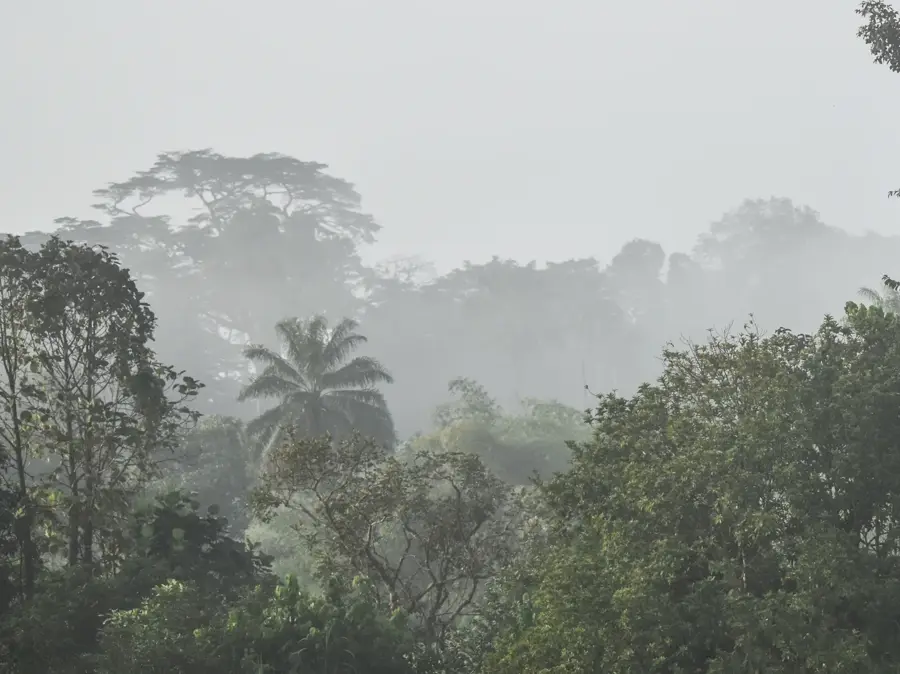
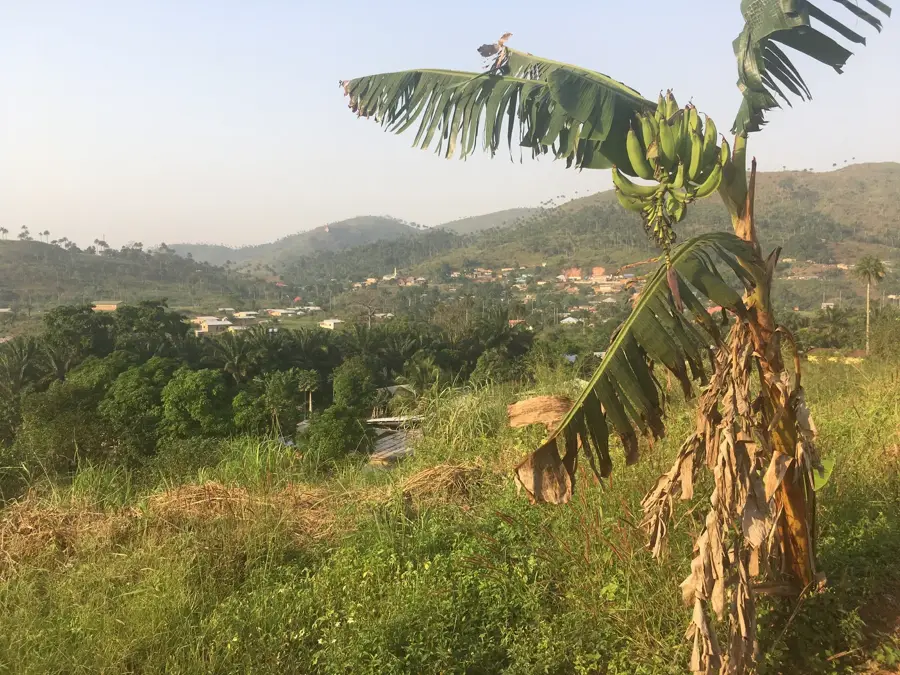
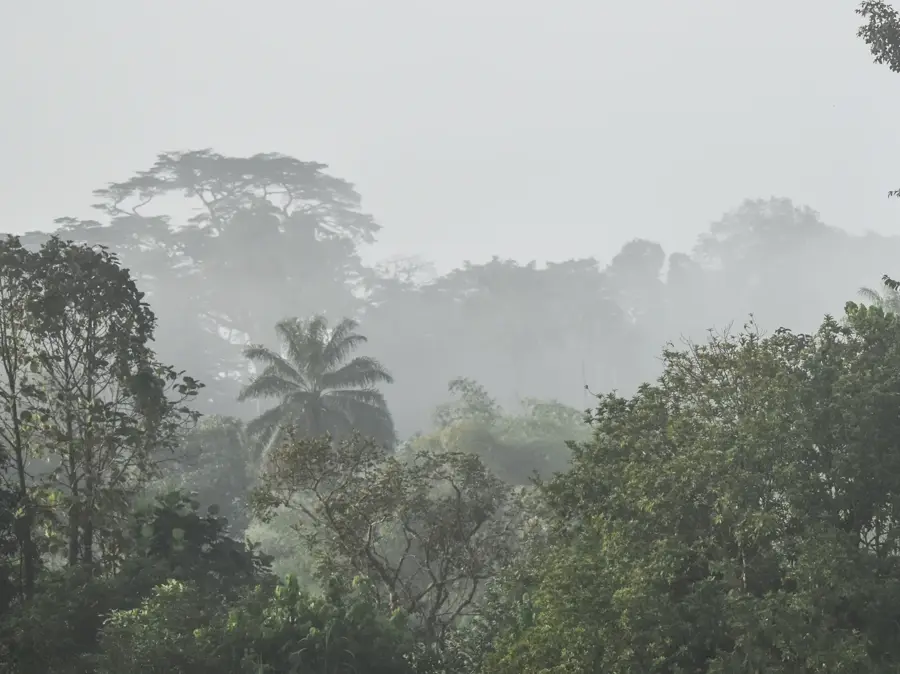
Just outside the settlement, the dense Guinean forest begins, offering tranquil spots for peaceful nature observation.
Walk along the small paths leading to the agricultural fields for a quiet, rural atmosphere away from the market.
Water temperature…
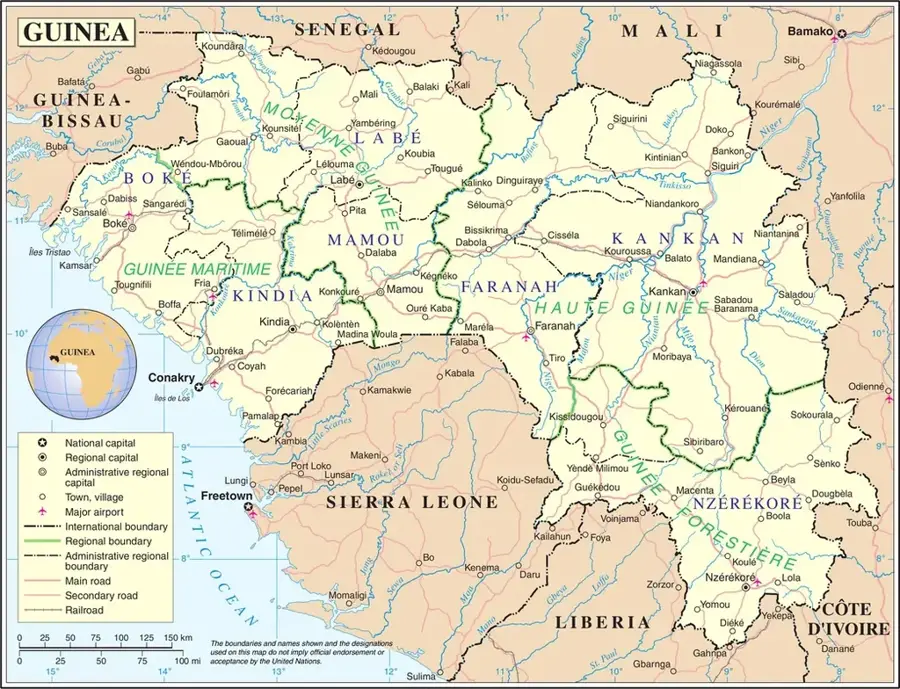
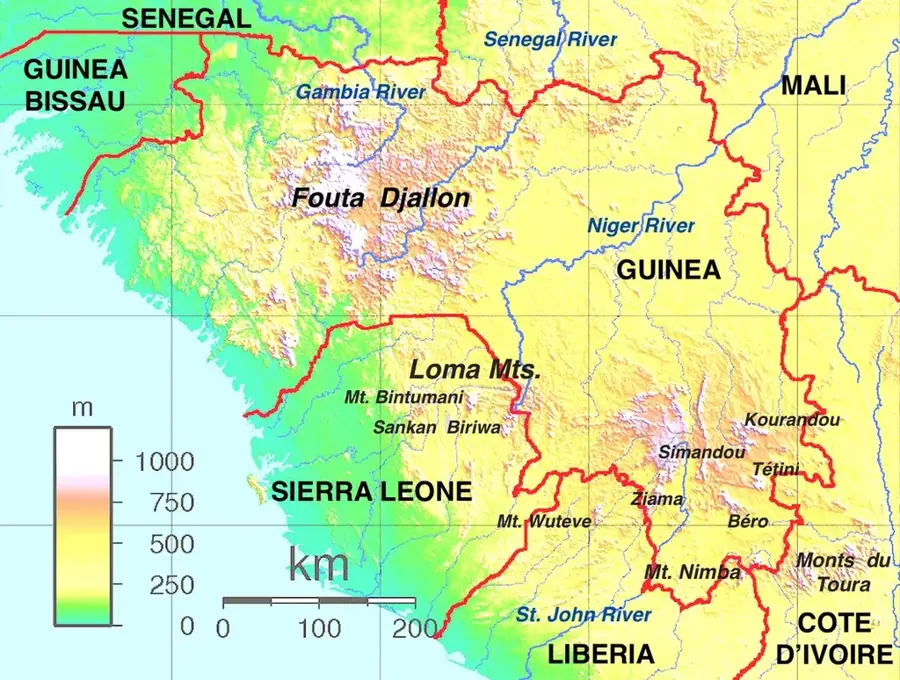
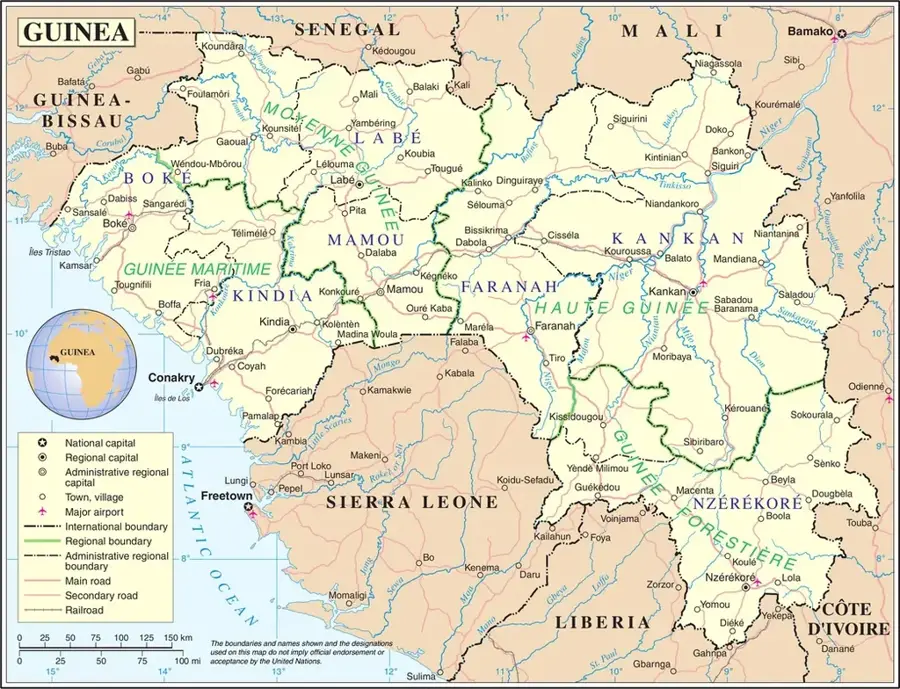
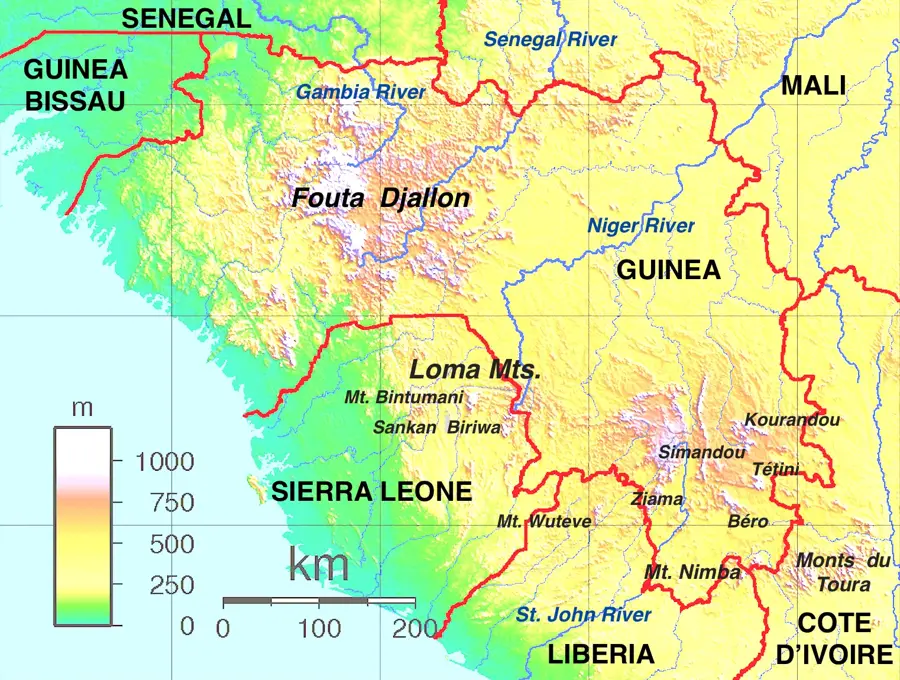
Koulé is a prominent urban center in the Nzérékoré Prefecture, located in the far southeast of Guinea within the Forested Guinea region. The town is set amidst a lush, hilly landscape characterized by dense tropical rainforests and a humid equatorial climate. Koulé serves as a vital trade and transport junction in the forest region, particularly due to its location on the primary highway connecting Nzérékoré to the border with Liberia. The local economy is primarily based on agriculture, with palm oil, rubber, and coffee being the main sources of income for its residents. Koulé is well-known for its bustling market, where agricultural products from across the region are traded. The population consists mainly of the Guerzé (Kpelle) and Mano ethnic groups, whose cultural identity is closely tied to forest traditions and spiritual rites. In recent history, Koulé has often provided refuge for people fleeing conflicts in neighboring countries, shaping the town's social dynamics. Despite infrastructure challenges, Koulé remains a vital driver of economic development in the country's southeastern interior.
- Location: Guinea
- Nearby: Nzérékoré (6 km)
- Population: ~2.054 (2023)
Best time to visit & climate
The most pleasant time to visit is Jan, Nov, Dec.
| Jan | Feb | Mar | Apr | May | Jun | Jul | Aug | Sep | Oct | Nov | Dec | |
|---|---|---|---|---|---|---|---|---|---|---|---|---|
| Avg °C | 24 | 26 | 26 | 26 | 25 | 24 | 23 | 23 | 23 | 24 | 24 | 23 |
| Rain mm | 8 | 41 | 108 | 162 | 190 | 264 | 252 | 350 | 316 | 180 | 65 | 17 |
Geography
Facts
- Koulé is situated in the Forested Guinea region, Nzérékoré Prefecture.
- The town is a strategic hub on the main road to the Liberian border.
- Palm oil and rubber are the primary commercial crops in the area.
- The local market is a major gathering point for regional traders.
- The population is largely composed of the Guerzé and Mano ethnic groups.
- Koulé is an essential link for transport in the southeastern interior.
Explore nearby
Notable places around



Route planner — Car & Motorhome
Where do you start? We build the route here, with stops and country notes along the way.
© OpenStreetMap contributors · OpenRouteService
Sights in the town Koulé (1)
Frequently asked questions
Why should one visit Koulé?
How far is it to Nzérékoré?
Are there traditional festivals there?
What is the main product of Koulé?
How are the road conditions?
Koulé: where is it located?
Koulé: when is the best time to visit?
Koulé: why is it worth visiting?

Nearby cities


Nature
More places