Plizio Visual Lab
Milos Perlite Mines
Weather…
Water temperature…
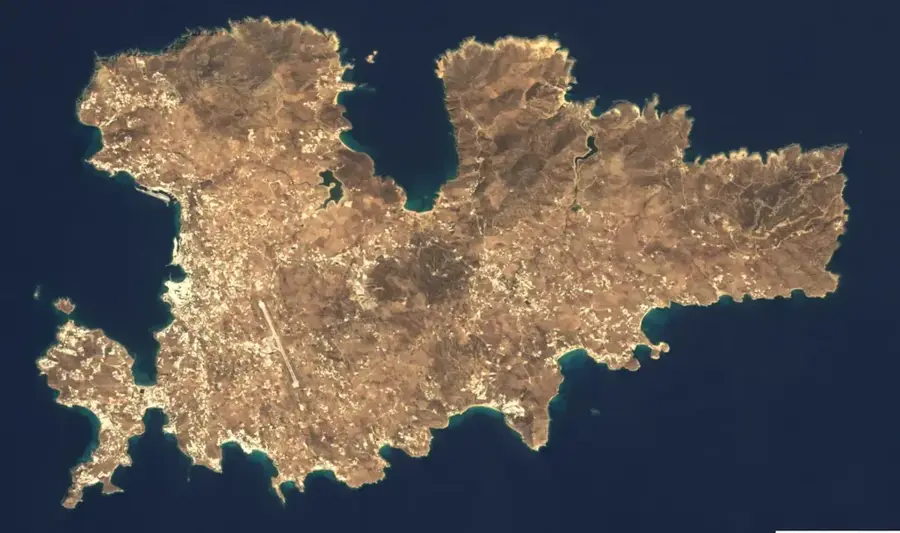
The island of Milos is one of the world's most significant sites for the extraction of industrial minerals, specifically perlite and bentonite. The island's mining tradition dates back to the Neolithic period when Milos was the primary source of obsidian in the Mediterranean. Today, these volcanic minerals form the bulk of its exports, making Greece one of the leading global producers in the sector. The perlite mines are mainly located in the northern and eastern parts of the island, characterized by extensive open-cast pits. Once extracted, the mineral is crushed and often processed locally before being shipped worldwide for use in construction, horticulture, and filtration. Mining is the most vital economic pillar of the island alongside tourism, providing employment for a large portion of the local population. Despite environmental challenges, the industry operates under strict regulations to ensure the gradual restoration of the landscape.
- Location: Greece
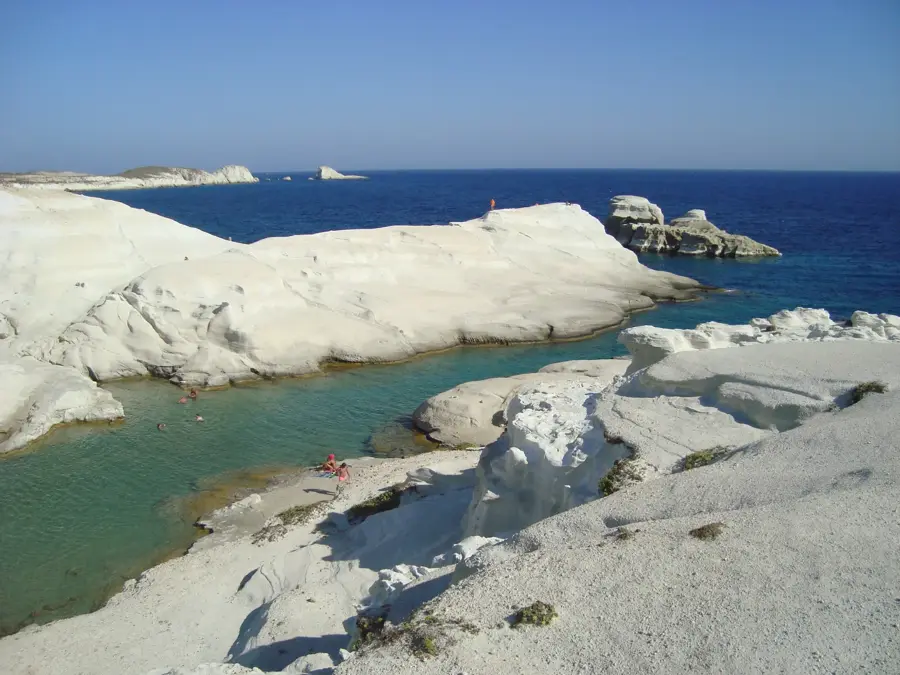
- Top sights: Gerania · Tourkothalassa · Sarakiniko
- Nearby: Milos (6 km)
Best time to visit & climate
The most pleasant time to visit is May, Jun, Oct.
| Jan | Feb | Mar | Apr | May | Jun | Jul | Aug | Sep | Oct | Nov | Dec | |
|---|---|---|---|---|---|---|---|---|---|---|---|---|
| Avg °C | 14 | 14 | 15 | 16 | 19 | 23 | 26 | 26 | 24 | 21 | 18 | 15 |
| Rain mm | 103 | 89 | 56 | 29 | 17 | 5 | 2 | 3 | 20 | 56 | 80 | 106 |
📋 Practical info
Geography
Facts
- Greece is the world's leading producer of perlite minerals.
- Milos hosts the largest bentonite processing plant in all of Europe.
- Obsidian mining on the island dates back over 7,000 years.
- About 10% of the island's total area is used for mining activities.
- Perlite reserves on Milos are estimated to exceed 50 million tons.
- The Mining Museum in Adamas showcases the island's industrial heritage.
Explore nearby
Notable places around
Route planner — Car & Motorhome
Where do you start? We build the route here, with stops and country notes along the way.
© OpenStreetMap contributors · OpenRouteService
Sights in the town Milos Perlite Mines (8)
Milos Mining Museum🏛 museum
Museum in Greece showcasing the mining history of Milos island.
Holy Trinity
Orthodox church in Milos Municipality, Greece, a place of worship.
Ecclesiastical Museum of Milos🏛 museum
A museum on Milos displaying ecclesiastical artifacts and icons.
Archaeological Museum of Milos🏛 museum
Museum in Greece, with ancient finds including a copy of the Venus de Milo.
Paralia Mitikas
A viewpoint on Milos with panoramic views of the coastline.
Sights nearby
Frequently asked questions
What is Milos perlite?
Is Milos an important mining center?
Can you visit the mines?
Does mining affect tourism?
Where can I learn more about Milos' geology?
Milos Perlite Mines: where is it located?
Milos Perlite Mines: what is there to see?
Milos Perlite Mines: when is the best time to visit?
Milos Perlite Mines: why is it worth visiting?

Nearby cities