Plizio Visual Lab
Apollonia (Sifnos)
ℹ️Practical info — Apollonia (Sifnos)
▾
🌤 Weather — 5 days
📍 Nearby
Sights nearby
💡 Tips
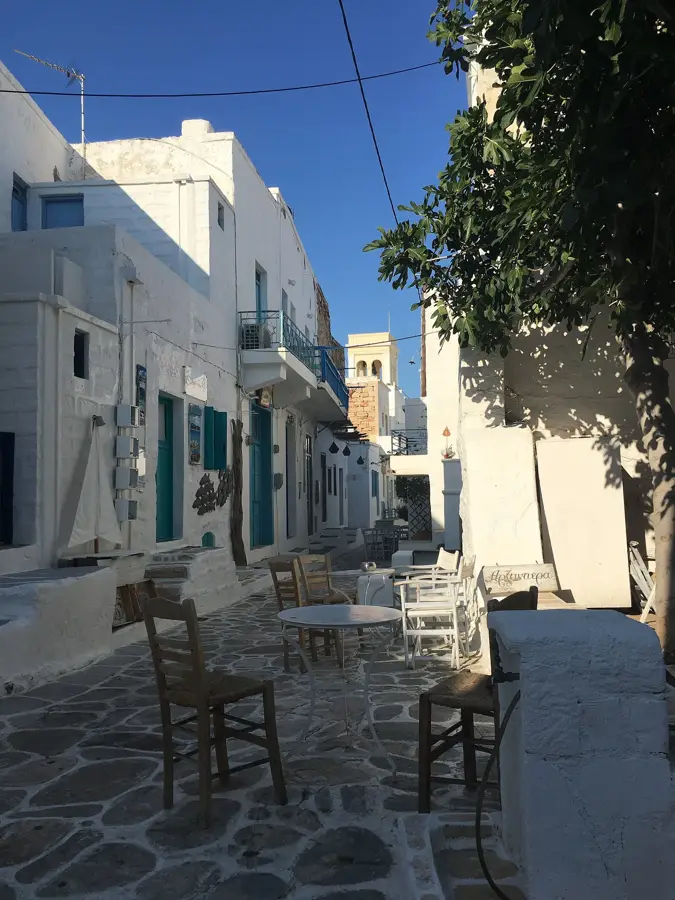
- The famous narrow main street, the 'Steno', gets extremely crowded after 9 PM; visit in the early evening for a more relaxed stroll.
- Sifnos features an excellent, well-marked trail network; purchase a detailed hiking map from a central kiosk in Apollonia.
- Parking in the center is highly limited; leave your car in the designated, free public parking areas along the ring road.
- The bus system radiating from Apollonia connects all major villages and beaches reliably, making a rental car completely optional.
🍽 Food
Try this signature dish of lamb or goat slow-cooked in wine within a clay pot at traditional tavernas slightly off the main Steno.
Pair this sweet, crustless local cheesecake with a morning Greek coffee at a traditional kafeneio.
Look out for this unique and savory stew made from wild capers, prominently featured on authentic local menus.
🛍 Shopping · 🧘 Quiet spots
The island is renowned for its pottery; buy a traditional chimney pot (flaros) or a clay baking dish from local shops along the pedestrian paths.
Pick up a box of these traditional, highly aromatic almond cookies from a local pastry shop on the main street.
Just a peaceful 15-minute walk from Apollonia, this adjacent village is packed with beautiful neoclassical mansions and bougainvillea.
A quiet, often shaded church courtyard situated slightly removed from the bustling center, great for a brief, calming rest.
Water temperature…
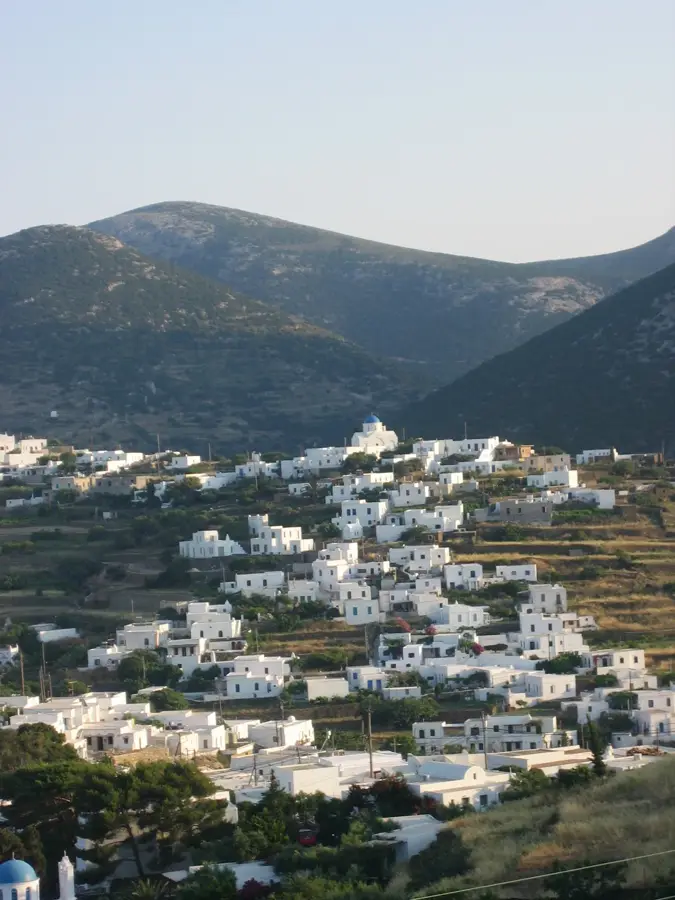
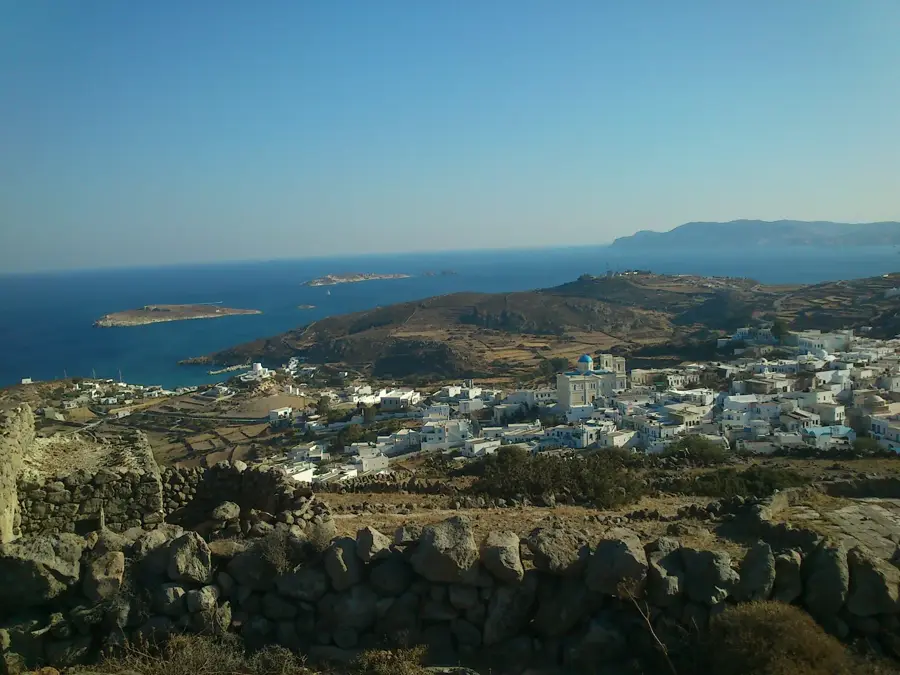
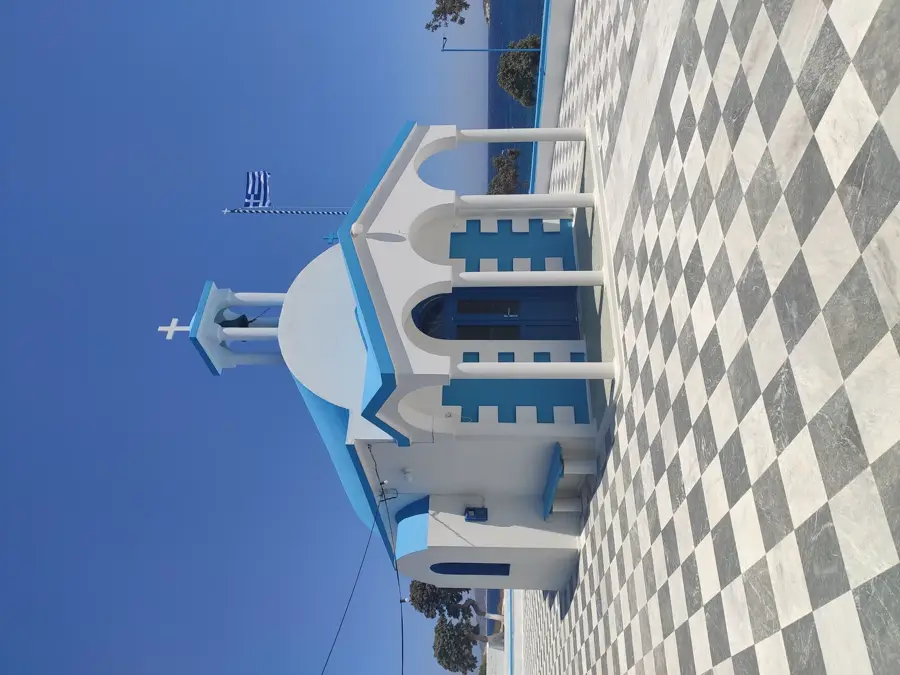
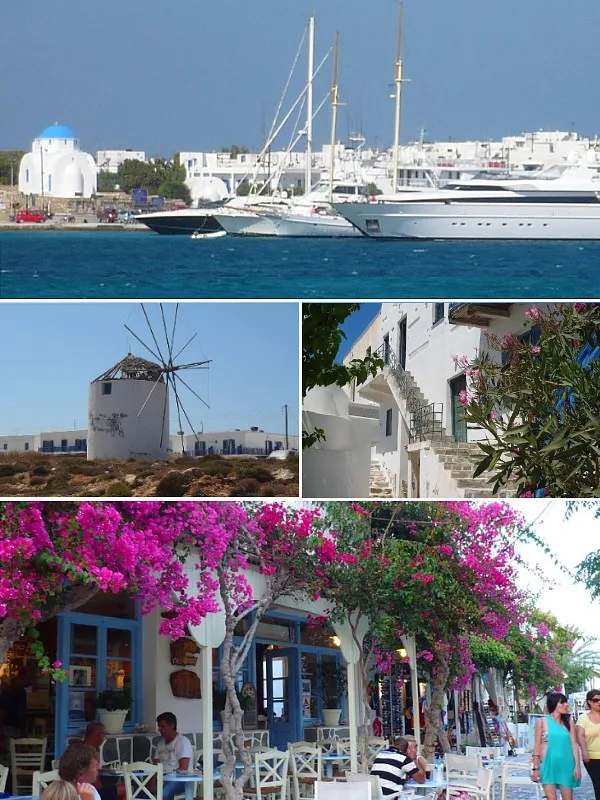
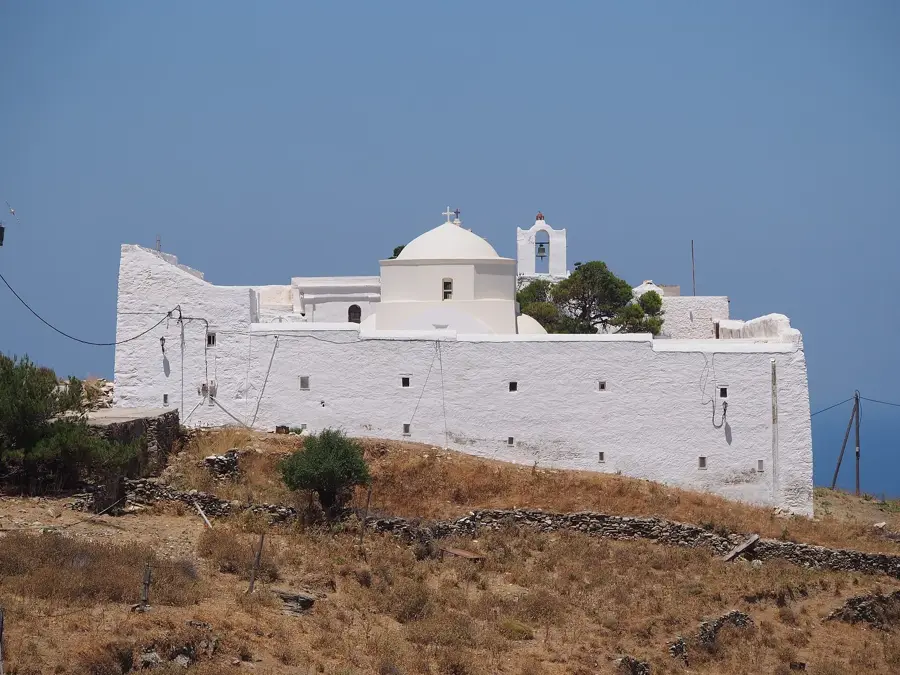
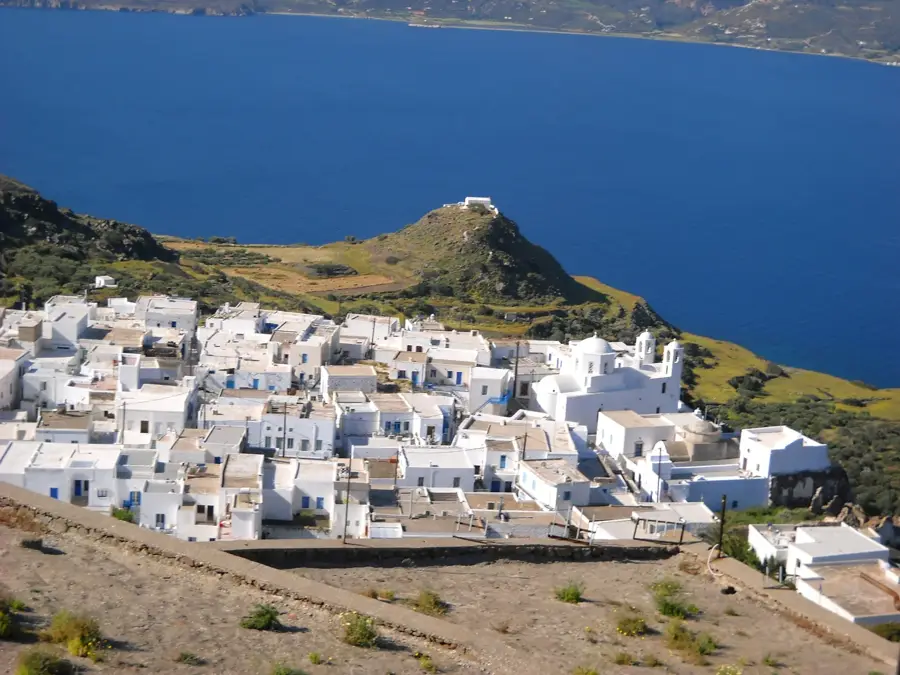
Apollonia, the elegant capital of Sifnos, is centrally located and spread across three low hills. Named after the god Apollo, it serves as the cultural and social hub of the island. The town's highlight is the 'Steno', a long, narrow pedestrian lane paved in white marble and lined with boutiques, traditional houses, and world-class restaurants. Sifnos is legendary in Greece for its culinary heritage, being the birthplace of the famous chef Nikolaos Tselementes, and Apollonia lives up to this reputation with its superb tavernas and local pottery workshops. At night, the Steno becomes a lively yet sophisticated corridor of bars and cafes where visitors gather under the stars. The architecture is impeccably maintained, featuring beautiful churches like Panagia Ouranofora with its intricate belfry. Apollonia is also a primary starting point for the 'Sifnos Trails', a world-renowned network of hiking paths that crisscross the island. Just a short stroll away is the aristocratic village of Artemonas, famous for its neoclassical mansions. With its blend of gourmet dining, traditional Cycladic beauty, and a refined nightlife, Apollonia has a uniquely sophisticated Aegean experience.
- Location: Greece
- Top sights: Apokophto · Agios Andréas · Archaeological Site of Agios Andreas Museum
- Nearby: Kimolos Town (22 km)
- Population: ~869
Best time to visit & climate
The most pleasant time to visit is May, Jun, Oct.
| Jan | Feb | Mar | Apr | May | Jun | Jul | Aug | Sep | Oct | Nov | Dec | |
|---|---|---|---|---|---|---|---|---|---|---|---|---|
| Avg °C | 13 | 13 | 14 | 16 | 19 | 23 | 26 | 26 | 24 | 21 | 18 | 15 |
| Rain mm | 106 | 87 | 61 | 31 | 20 | 7 | 4 | 4 | 23 | 58 | 84 | 107 |
Geography
Facts
- Named after the Greek god Apollo
- Built across three hills in the island's center
- The 'Steno' is the iconic narrow main street
- Recognized as a gourmet capital of the Cyclades
- Birthplace of the legendary chef Tselementes
- Main hub for the famous Sifnos Trails hiking network
- Famous for its long tradition of pottery
- A short walk from the neoclassical village of Artemonas
Explore nearby
Notable places around

Route planner — Car & Motorhome
Where do you start? We build the route here, with stops and country notes along the way.
© OpenStreetMap contributors · OpenRouteService
Sights in the town Apollonia (Sifnos) (8)
Frequently asked questions
Why is the place called Apollonia?
What is the 'Steno'?
Is Sifnos known for its cuisine?
Can you hike from Apollonia?
Are there parking options?
Apollonia (Sifnos): where is it located?
Apollonia (Sifnos): what is there to see?
Apollonia (Sifnos): when is the best time to visit?
Apollonia (Sifnos): why is it worth visiting?

Nearby cities