Plizio Visual Lab

Lake Stymphalia
Plizio editorial teamData Sources
Lake
—°3
Lake Stymphalia (Greece)

Weather…

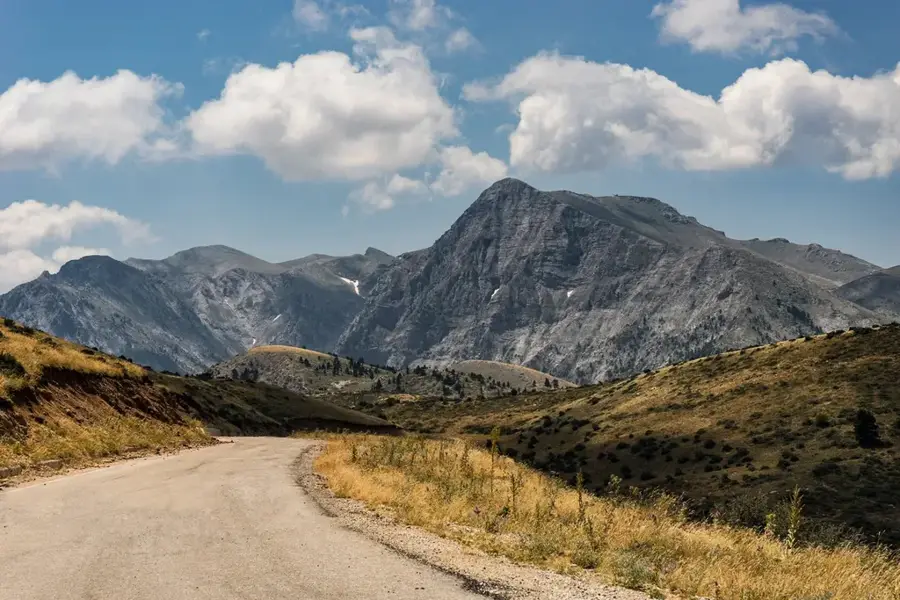
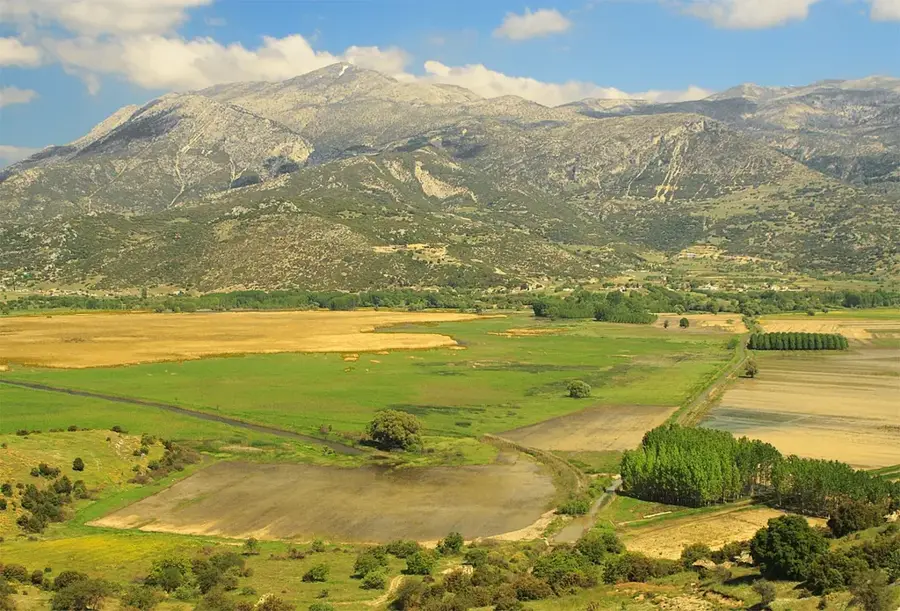
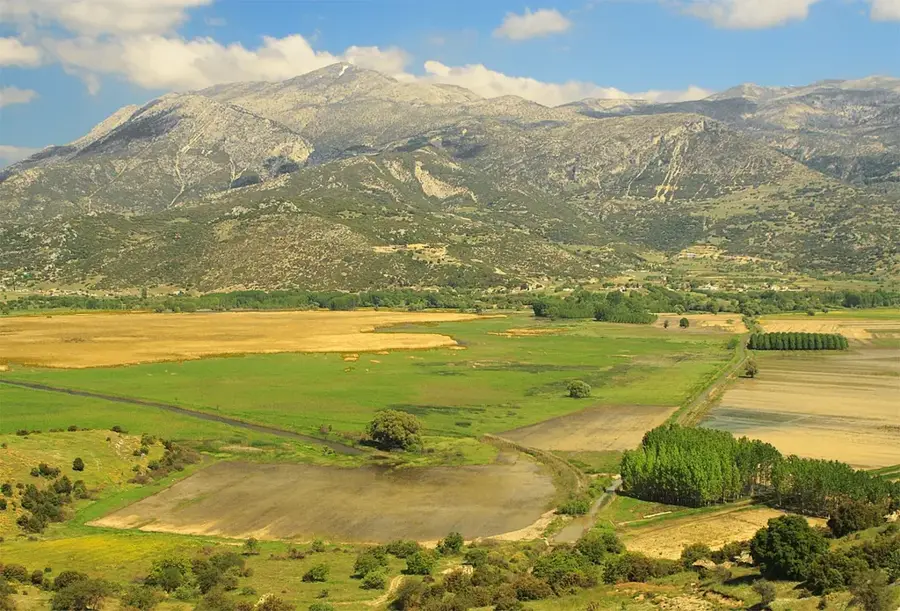
Lake Stymphalia is situated on a high karst plateau in the northeastern Peloponnese at an altitude of approximately 600 meters. It is a vital wetland ecosystem protected under the Natura 2000 network, serving as a sanctuary for numerous migratory bird species. In Greek mythology, the lake gained fame as the site of Heracles' sixth labor, where he had to defeat the man-eating Stymphalian birds using bronze castanets provided by Athena. The lake's hydrology is characterized by natural underground sinkholes, known as katavothres, which drain the water into subterranean channels leading to Argolis. The area is home to the rare endemic fish species Phoxinellus stymfalicus, which has the unique ability to survive in mud during extreme dry periods. Today, the Environment Museum of Stymphalia educates visitors about the long-standing relationship between local communities and the lake's fragile ecological environment.

Best time to visit & climate

The most pleasant time to visit is Jun, Aug, Sep.

JanFebMarAprMayJunJulAugSepOctNovDec
Avg °C56912172326252116117
Rain mm867362352928201640628493

📋 Practical info

🧭
Getting there
The wetland area at 600 meters altitude in Corinthia is easily accessible by car from directions like Corinth or Nemea. The approach roads are typically well signposted and lead through a gentle, pretty rural landscape.
📅
Best season
Spring is excellent for observing migratory birds and experiencing the lush greenery of the surroundings in full splendor. Autumn also gives pleasant temperatures, whereas the summer months in this basin can sometimes be oppressively hot.
⛰️
Terrain & paths
The terrain consists primarily of dense reed beds, swamps, and wet meadows framed by rolling hills. Hiking is mostly restricted to paths along the edge of the marsh, as the central area is naturally inaccessible and protected.
🎒
What to bring
In addition to comfortable shoes for light walks, binoculars and a good camera are highly recommended for nature observation. Sun protection and plenty of water are essential, as there are often few shaded sections along the exposed paths.
🅿️
Parking
A good and safe parking option is often found directly at the local Environment Museum or in marked bays along the main road. From these starting points, the hiking trails can be accessed easily and without having to walk long distances.
⚠️
Safety
Visitors should avoid the deep swamp areas and strictly remain on the paths for their own safety and for nature conservation. Caution is also advised when encountering agricultural vehicles on the somewhat narrow access roads.
⏱️
Time needed
A stay of around 2 to 4 hours is usually sufficient to visit the informative museum and take a leisurely walk along the water's edge. For more in-depth bird watching, visitors can certainly plan to dedicate a relaxed half day to the area.

Geography

Coordinates
37.85190, 22.46470

Facts

  • Located at 600 meters altitude on a karst plateau
  • Site of the 6th labor of Heracles in Greek mythology
  • Protected wetland area under the Natura 2000 network
  • Habitat for the rare endemic fish Phoxinellus stymfalicus
  • Water is drained through natural underground sinkholes
  • Features the Environment Museum of Stymphalia on site

Explore nearby

Notable places around
Route planner — Car & Motorhome

Where do you start? We build the route here, with stops and country notes along the way.

Vehicle
Only stops with (optional):

© OpenStreetMap contributors · OpenRouteService

Sights in the town Lake Stymphalia (3)

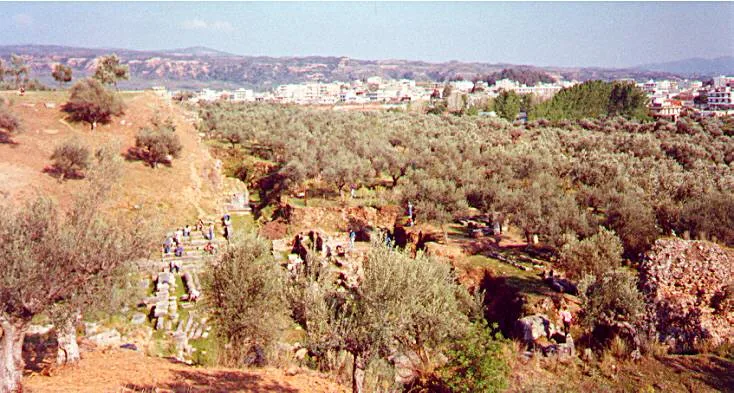
Stymfalos🏺 historical

The remains of an ancient city located on the shores of Lake Stymphalia.

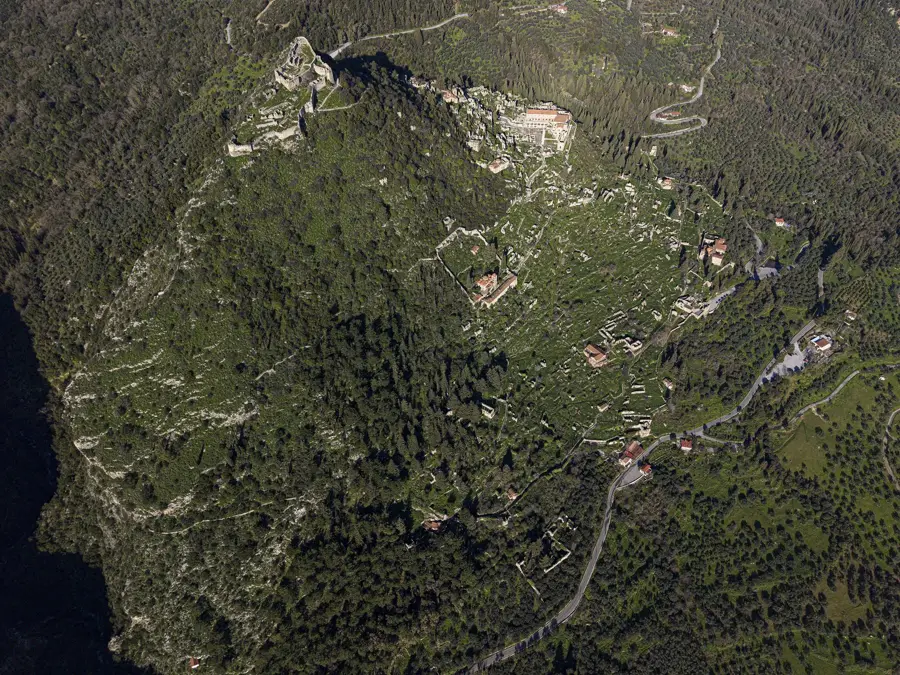
Zaraka's monastery🏺 historical

The ruins of a 13th-century Cistercian monastery near Lake Stymphalia.

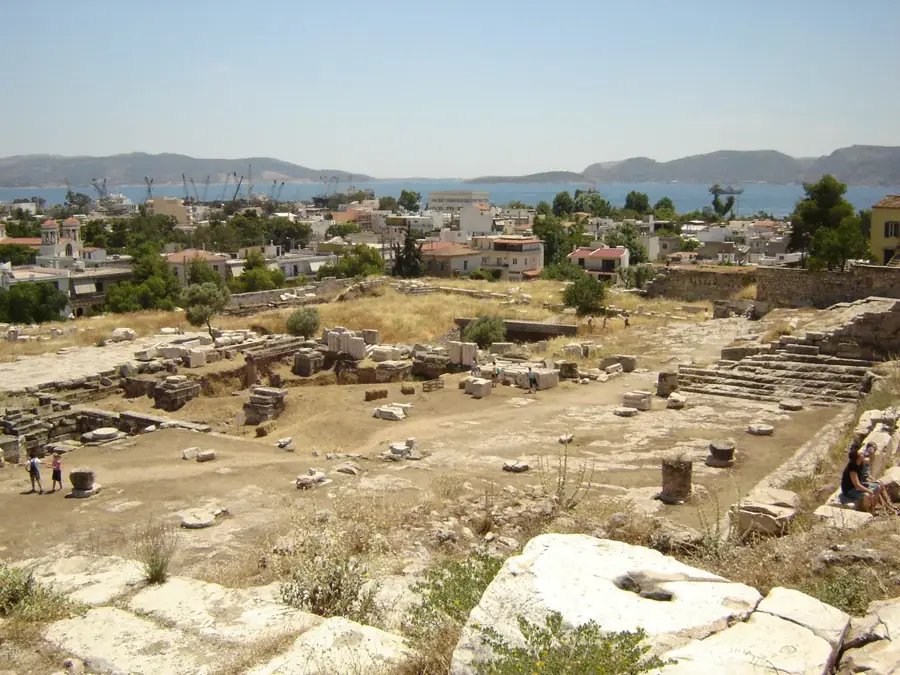
Archaeological site of Stymfalos🏺 historical

An extensive archaeological site with findings from the Classical and Hellenistic periods.

Sights nearby

Frequently asked questions

What is the mythological significance of the lake?
This is where Hercules performed his sixth labor by driving away the man-eating Stymphalian birds.
Is there a museum nearby?
Yes, the Environment Museum of Stymphalia provides insights into the ecology and history of the region.
When is the best time for birdwatching?
Spring and autumn are handy, as the lake is an important resting place for migratory birds.
Is the lake suitable for swimming?
No, it is a shallow, reedy wetland, better suited for hiking and observation.
How do you reach Lake Stymphalia?
It is located about 1.5 to 2 hours west of Athens and is best reached by car.
Lake Stymphalia: where is it located?
Lake Stymphalia is located in Greece.
Lake Stymphalia: what is there to see?
Highlights include Stymfalos, Zaraka's monastery, Archaeological site of Stymfalos.
Lake Stymphalia: when is the best time to visit?
The most pleasant time to visit is Jun, Aug, Sep.
Lake Stymphalia: why is it worth visiting?

Lake Stymphalia is situated on a high karst plateau in the northeastern Peloponnese at an altitude of approximately 600 meters.
View on map → The Top 50 Attractions → Most beautiful beaches → OpenStreetMap →
Europe
Explore with Plizio Discover more places in Europe
More places in Greece →

Nearby cities

History & landmarks
More places