Plizio Visual Lab

Dagbon Plateau
Plizio editorial teamData Sources
Relief
—°
Dagbon Plateau (Ghana)

Weather…

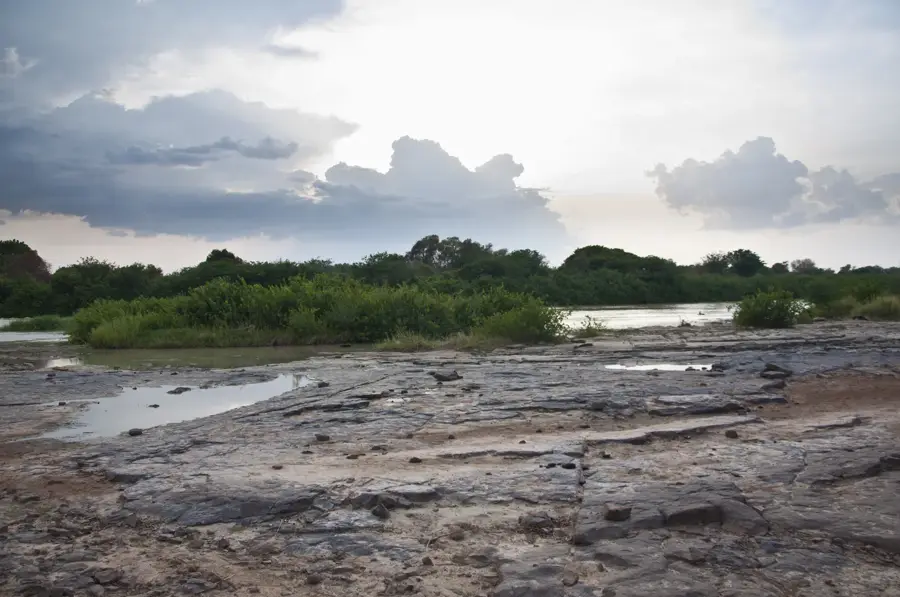
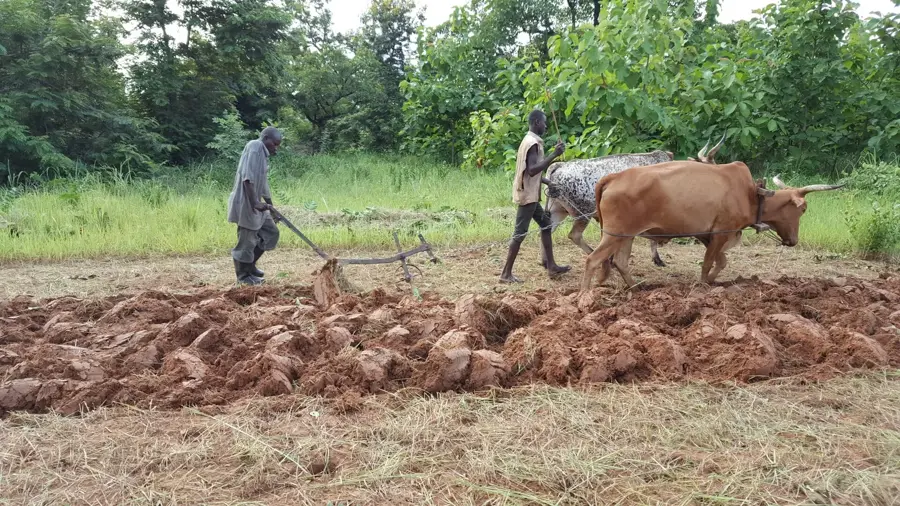
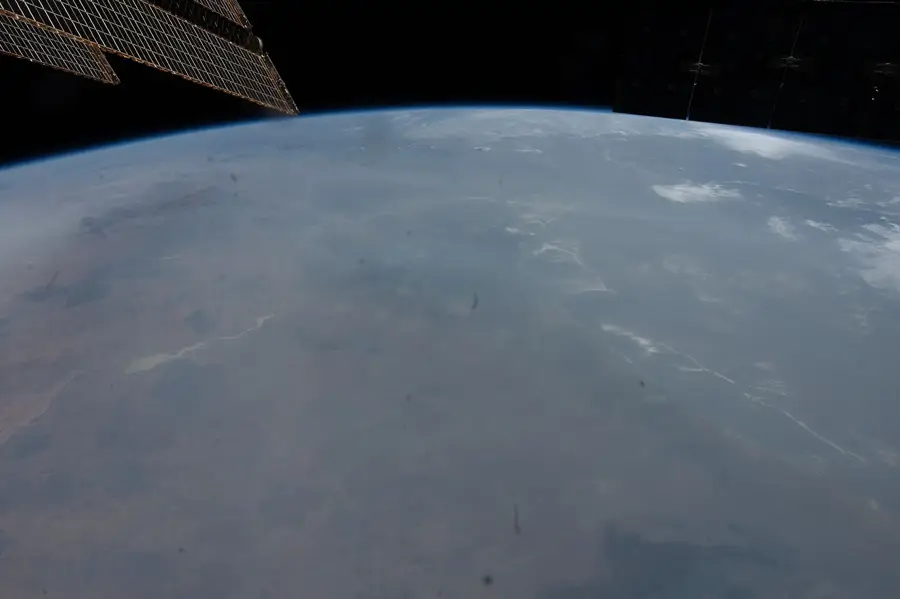
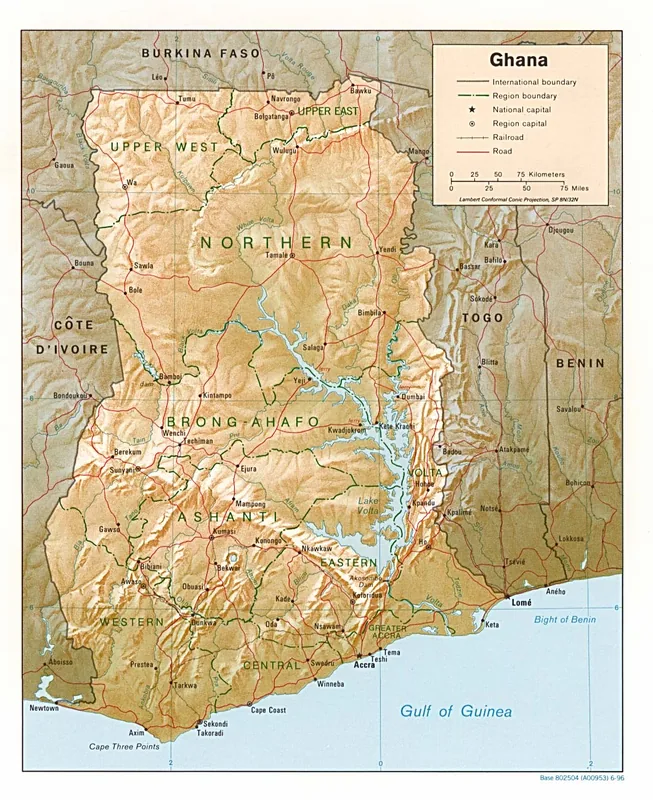
The Dagbon Plateau covers a significant portion of northern Ghana and serves as the historical heartland of the Dagbon Kingdom. It is a slightly elevated upland area with an average altitude of approximately 200 meters, geologically forming part of the Voltaian Basin. The landscape is characterized by expansive savanna woodlands where shea and locust bean trees are dominant, providing essential economic resources for the local population. The plateau is drained by the White Volta River and its tributaries, which are critical for water security in this seasonally arid region. Yendi is the traditional capital of the plateau and the seat of the Ya Na, the overlord of the Dagbon people. Agriculturally, the region is famous for producing large quantities of yams, maize, and groundnuts, with farming cycles tied to the single rainy season from May to October. The plateau also functions as a vital transit corridor for trade between Ghana and northern neighbors like Burkina Faso and Niger.

Best time to visit & climate

The most pleasant time to visit is Jan, Nov, Dec.

JanFebMarAprMayJunJulAugSepOctNovDec
Avg °C252931302927262626272725
Rain mm3144181114134170176200122202

📋 Practical info

🧭
Getting there
The vast plains of the Dagbon Plateau in northern Ghana are typically accessed via regional roads connecting the major northern towns. Public transport might be limited, so hiring a private vehicle is usually the most reliable option for exploration.
📅
Best season
The best time to visit is during the dry season, typically between November and March, when the weather is more predictable and roads are easier to navigate. Traveling during the rainy season can present challenges due to muddy tracks and high humidity.
⛰️
Terrain & paths
The landscape consists mainly of a vast plain punctuated by gentle hills, making walking relatively straightforward but very expansive. The terrain is largely unpaved and open, so visitors should expect dusty conditions and prolonged exposure to the sun.
🎒
What to bring
Lightweight and breathable clothing is essential due to the general warmth of the region, along with sturdy walking shoes for uneven ground. Bringing a wide-brimmed hat, high-SPF sunscreen, and an ample supply of drinking water is strongly recommended.
🅿️
Parking
Parking is usually informal and can often be found in the nearby villages or designated pull-offs along the regional roads. It is advisable to ask for local permission or guidance when leaving your vehicle to explore the hills on foot for extended periods.
⚠️
Safety
Travelers should be mindful of the intense daytime heat and ensure they stay well-hydrated to prevent heat exhaustion in the open plains. Additionally, keeping a respectful distance from local wildlife and following community guidelines is always good practice.
⏱️
Time needed
A typical visit to take in the vast landscapes and gentle hills of the plateau usually lasts between a few hours to a half-day. Those wishing to deeply explore specific areas or engage with local communities might extend their stay to a full day or more.

Geography

Coordinates
9.50000, -0.50000

Facts

  • Historical heartland of the Dagbon Kingdom
  • Average elevation is approximately 200 meters
  • Geologically part of the sedimentary Voltaian Basin
  • Major production area for shea nuts and butter
  • Seat of the Ya Na (Dagomba Overlord) in Yendi
  • Primary agricultural producer of yams and maize

Explore nearby

Notable places around

Route planner — Car & Motorhome

Where do you start? We build the route here, with stops and country notes along the way.

Vehicle
Only stops with (optional):

© OpenStreetMap contributors · OpenRouteService

Sights nearby

Frequently asked questions

What is the Dagbon Plateau?
A vast highland in northern Ghana, characterized by savanna landscape.
Which city is located on the plateau?
Yendi is the cultural center and the seat of the King of Dagbon.
What should be considered during travel?
Respect for local traditions and chiefs is particularly important here.
Are there tourist facilities there?
The infrastructure is simple; however, Tamale provides good hotels and restaurants.
What products are typical for the region?
Yams, shea butter, and artistic woven garments (smocks) are well known.
Dagbon Plateau: where is it located?
Dagbon Plateau is located in Ghana.
Dagbon Plateau: when is the best time to visit?
The most pleasant time to visit is Jan, Nov, Dec.
Dagbon Plateau: why is it worth visiting?

The Dagbon Plateau covers a significant portion of northern Ghana and serves as the historical heartland of the Dagbon Kingdom.
View on map → The Top 50 Attractions → OpenStreetMap →
Africa
Explore with Plizio Discover more places in Africa
More places in Ghana →

Nearby cities

History & landmarks

Nature

More places