Plizio Visual Lab

Volta Basin
Plizio editorial teamData Sources
Relief
—°
Volta Basin (Ghana)

Weather…

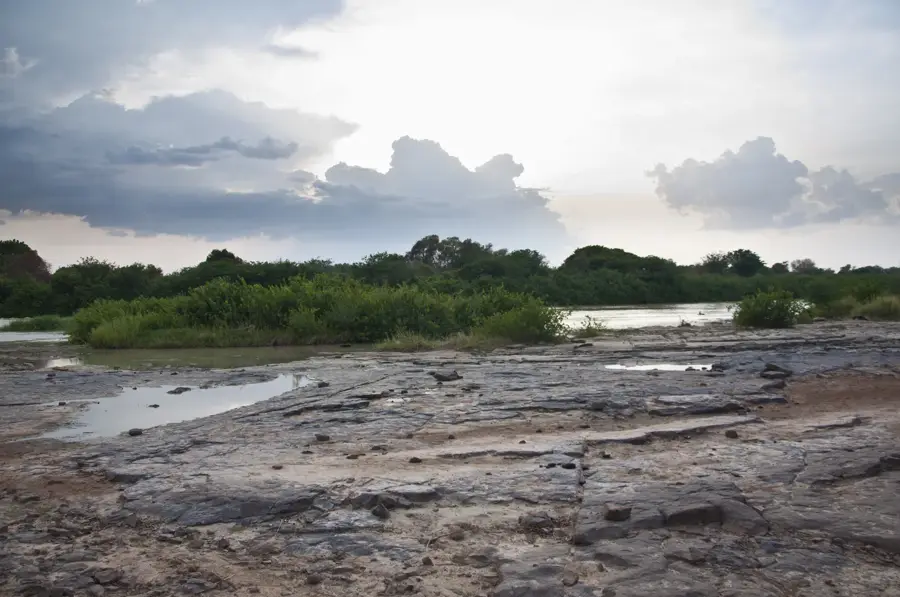
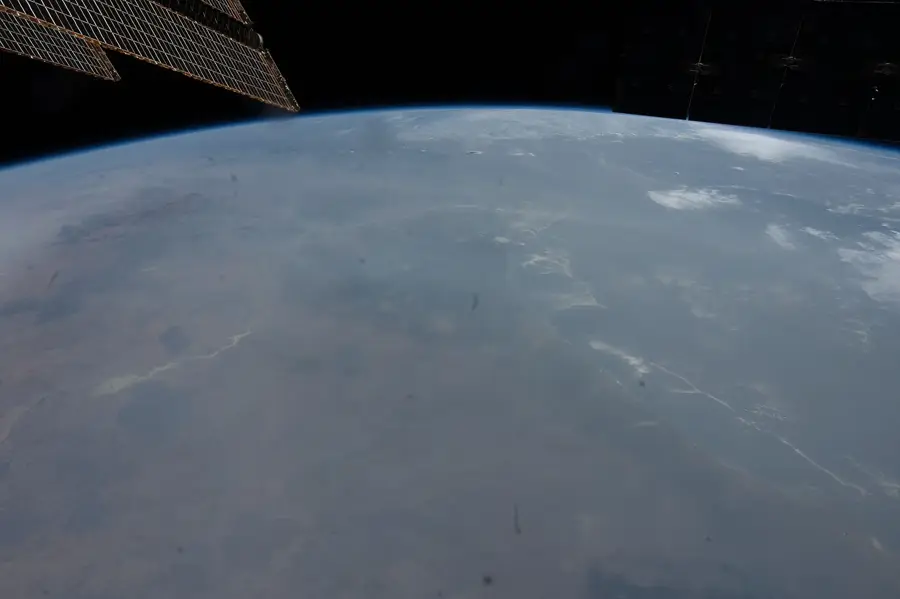
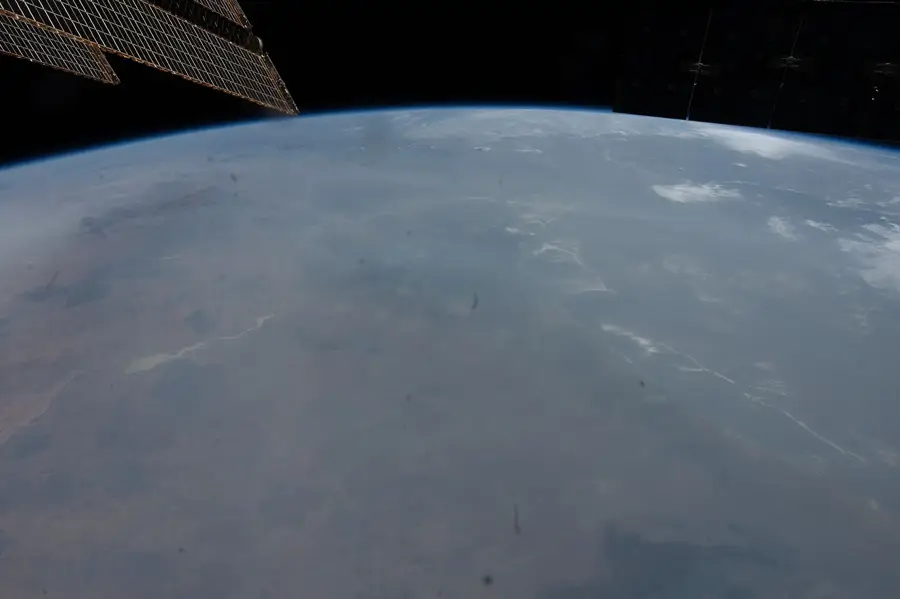
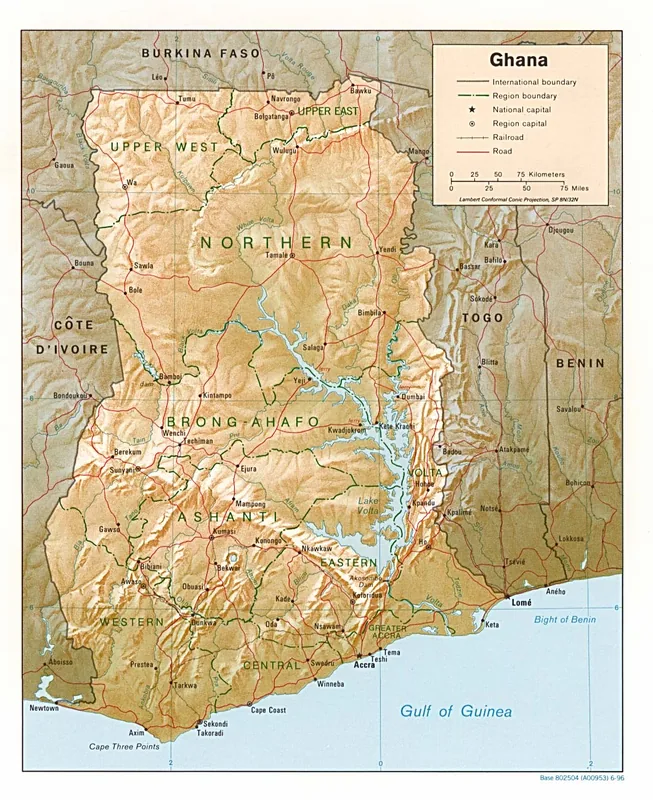
The Volta Basin is the largest drainage system in West Africa, covering approximately 45% of Ghana's total landmass. It is characterized as a vast, shallow, bowl-shaped depression bordered by highland features such as the Kwahu Plateau and the Gambaga Escarpment. Geologically, the basin is composed of the Voltaian System, consisting of sedimentary rock layers like sandstone, shale, and limestone deposited over hundreds of millions of years. At its heart lies Lake Volta, one of the world's largest man-made reservoirs, created following the completion of the Akosombo Dam in 1965. The formation of the lake significantly altered the region's geography, ecology, and economy, providing a major inland waterway and boosting the fishing industry. The basin's climate features distinct wet and dry seasons, with vegetation transitioning from savanna in the north to semi-deciduous forest in the south. Historically, the basin has been a cultural crossroads for various ethnic groups migrating along the Black, White, and Red Volta rivers. Today, while vital for hydroelectric power, the basin faces environmental challenges such as siltation and fluctuating water levels due to climate change.

Best time to visit & climate

The most pleasant time to visit is Jan, Nov, Dec.

JanFebMarAprMayJunJulAugSepOctNovDec
Avg °C262930292827262626272726
Rain mm5154993123150185177213137243

📋 Practical info

🧭
Getting there
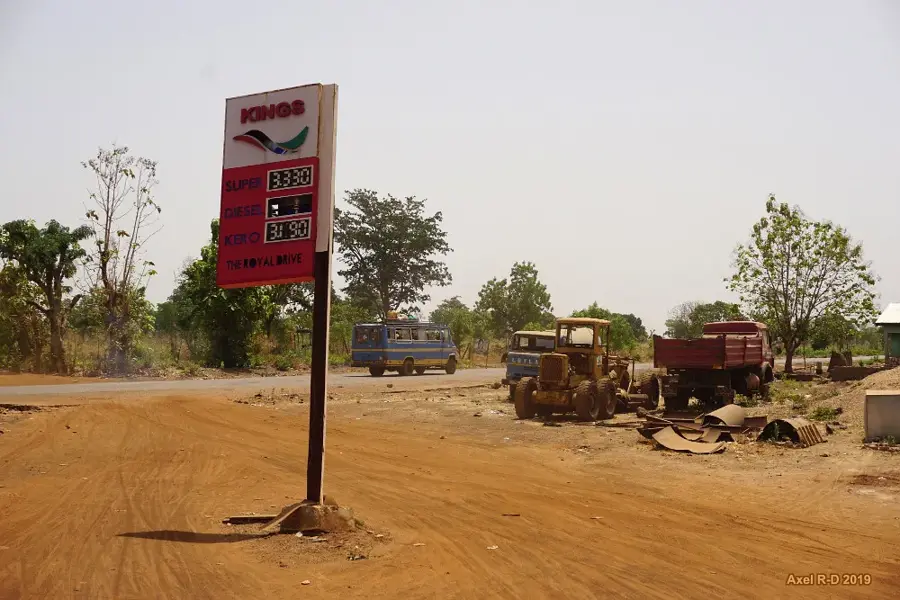
The vast Volta Basin is accessible via several main highways from Accra leading north toward Tamale or east toward Ho. Because the region is so extensive, travel can take several hours or even days depending on your specific destination, with long-distance buses and private car rentals being the most common modes of transport.
📅
Best season
The best time to visit is during the cooler dry season from November to February, when humidity is lower and rural roads are more easily navigable. In the rainy season from May to October, many unpaved paths can become impassable, and the high temperatures combined with high humidity can make outdoor exploration quite draining.
⛰️
Terrain & paths
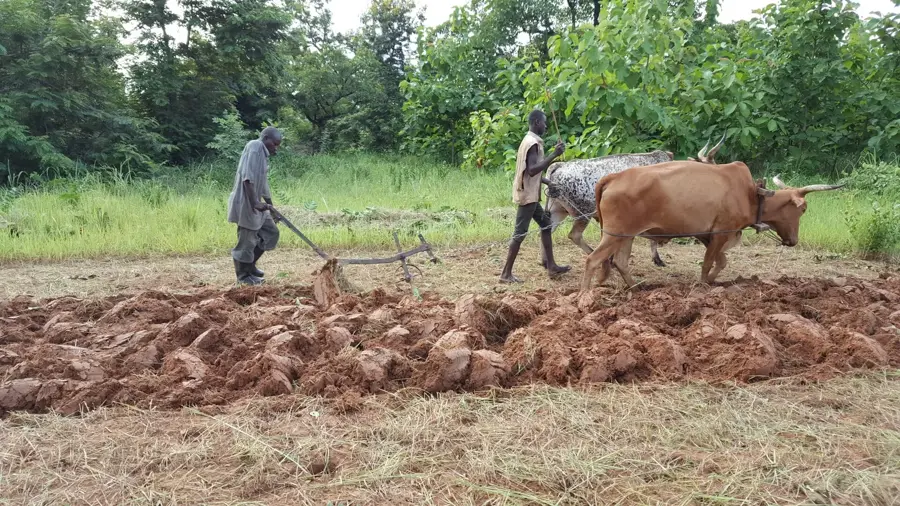
The basin's terrain is largely flat to gently undulating, characterized by savanna landscapes, river systems, and vast agricultural plains. While there are no extreme elevations, the sheer scale of the landscape often requires long drives or treks on dusty tracks that can become very muddy and slippery during rain events.
🎒
What to bring
Travelers should bring lightweight, breathable clothing, a wide-brimmed sun hat, and high-quality insect repellent to protect against the intense sun and mosquitoes. Sturdy footwear for uneven paths and a large supply of drinking water are vital, as temperatures in the open savanna can reach very high levels during the day.
🅿️
Parking
Parking options are mostly found in the region's larger towns or at designated lots near tourist accommodations and major landmarks. In rural areas, parking is often informal along the roadsides, but you should take care not to obstruct traffic and avoid leaving any valuables visible inside your vehicle.
⚠️
Safety
Visitors should take precautions against malaria and check for necessary vaccinations required for West Africa before traveling. It is advisable to drink only boiled or bottled water and to always have a local guide or experienced companion when traveling into the more remote parts of the Volta Basin.
⏱️
Time needed
Given the immense size of the area, a trip of at least one week is recommended to properly explore different sections of the basin and Lake Volta. Individual excursions to local landmarks can take an entire day, as distances between towns are often underestimated and road conditions can vary significantly.

Geography

Coordinates
9.00000, -0.50000

Facts

  • The entire basin covers a total area of about 400,000 square kilometers.
  • Approximately 165,000 square kilometers of the basin lie within Ghana's borders.
  • Lake Volta at the center has a surface area of roughly 8,502 square kilometers.
  • Geological surveys show that the basin contains significant deposits of iron ore.
  • The basin is fed by three primary river branches: the Black, White, and Red Voltas.
  • The lowest elevation in the basin occurs at the southern end near Akosombo Gorge.

Explore nearby

Notable places around
Route planner — Car & Motorhome

Where do you start? We build the route here, with stops and country notes along the way.

Vehicle
Only stops with (optional):

© OpenStreetMap contributors · OpenRouteService

Sights nearby

Frequently asked questions

What is the Volta Basin?
It is a vast basin covering nearly half of Ghana, dominated by Lake Volta.
What is the economic importance of the basin?
It is the hub for agriculture, fishing, and inland water transport in Ghana.
Can you visit Lake Volta?
Yes, there are numerous ferry services and tourist excursions on the world's largest artificial lake.
What flora and fauna are found here?
The region features savanna landscapes, riverine forests, and a variety of birds and freshwater fish.
What is the terrain like?
The basin is predominantly flat to gently undulating, good for large-scale farming.
Volta Basin: where is it located?
Volta Basin is located in Ghana.
Volta Basin: when is the best time to visit?
The most pleasant time to visit is Jan, Nov, Dec.
Volta Basin: why is it worth visiting?

The Volta Basin is the largest drainage system in West Africa, covering approximately 45% of Ghana's total landmass.
View on map → The Top 50 Attractions → OpenStreetMap →
Africa
Explore with Plizio Discover more places in Africa
More places in Ghana →

Nearby cities

History & landmarks

Nature

More places