Plizio Visual Lab
Salaga
ℹ️Practical info — Salaga
▾
🌤 Weather — 5 days
📍 Nearby
Sights nearby
💡 Tips
- The climate here is much drier and hotter than the south; carry plenty of water during your explorations.
- Hire a local guide when visiting the historic slave market sites to fully understand the context.
- Many paths and side streets are unpaved, so wear sturdy and comfortable walking shoes.
- Fridays are important prayer days; expect many businesses to close briefly around midday.
🍽 Food
A soft dough served with ayoyo soup, common in northern Ghana chop bars.
Spicy millet porridge with bean fritters, the great local breakfast.
Local fried cheese often sold by Fulani women in the market.
🛍 Shopping · 🧘 Quiet spots
The historic market site, now great for buying local spices and grains.
Look for handmade sandals and bags crafted by local artisans.
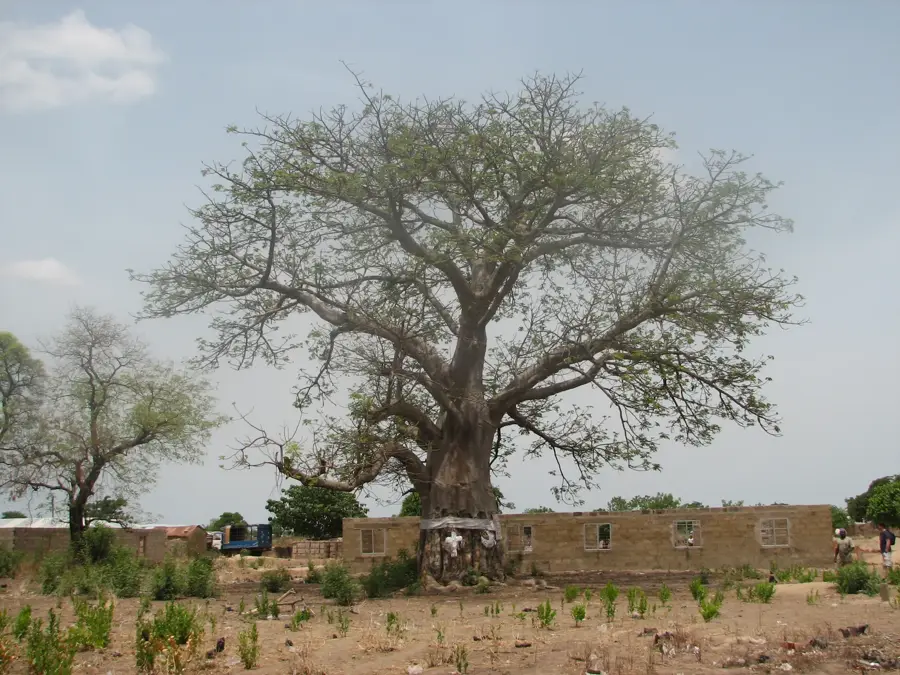
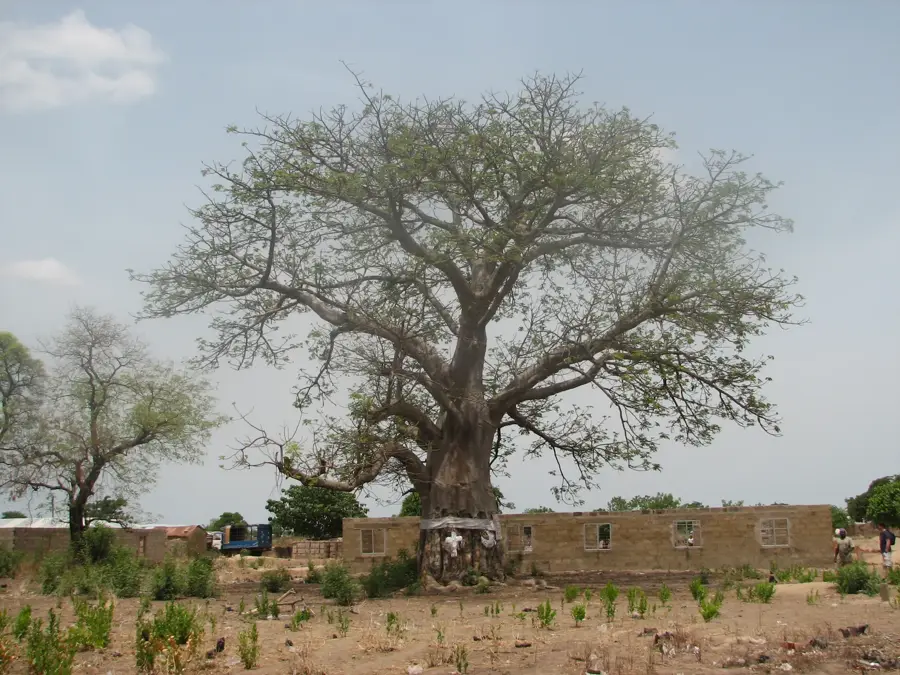
The large ancient trees provide a shaded, quiet spot to rest.
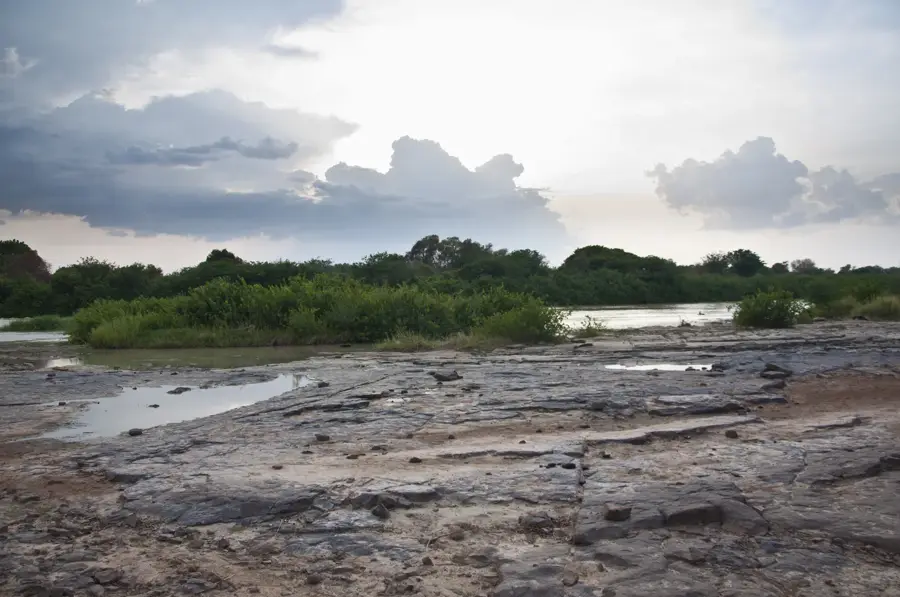
Walk towards the Savannah landscape for peaceful views, especially at sunset.
Water temperature…
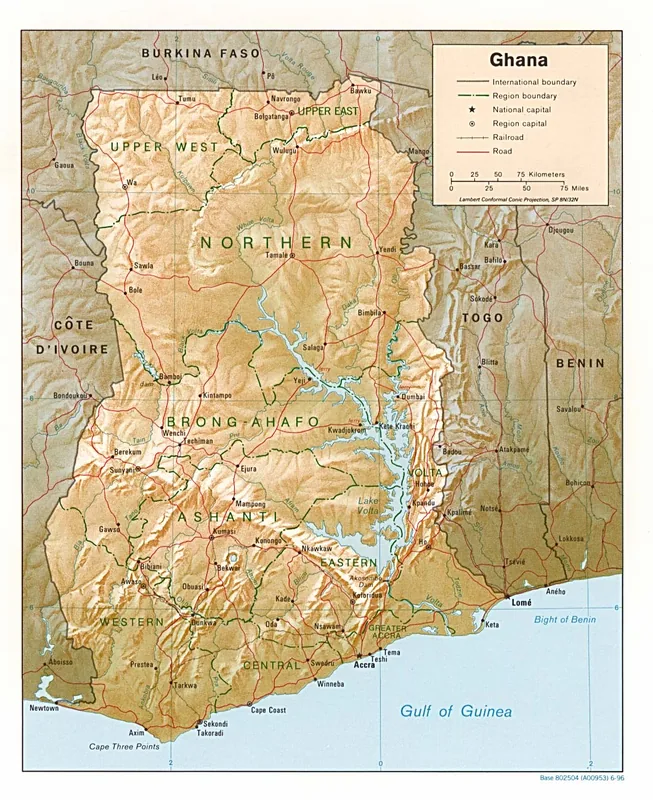
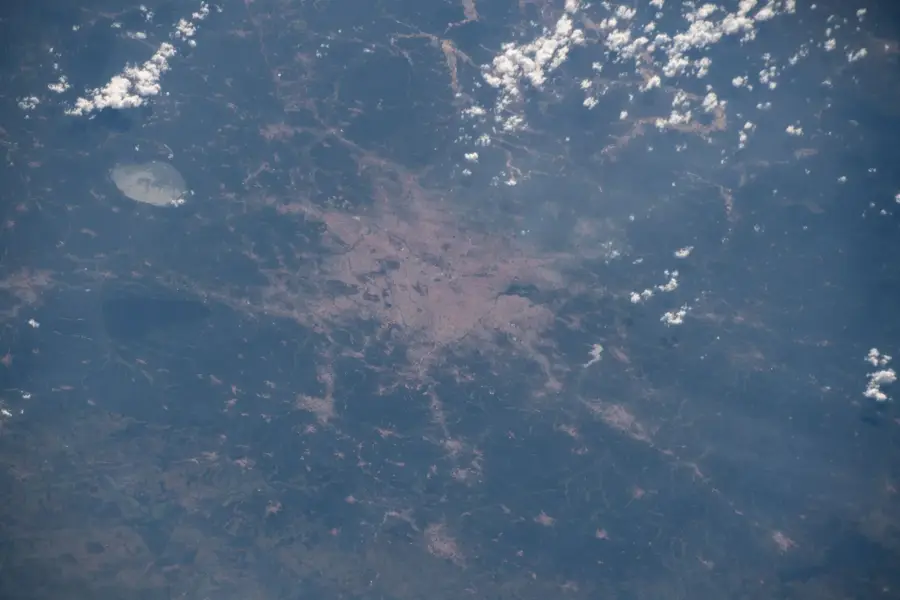
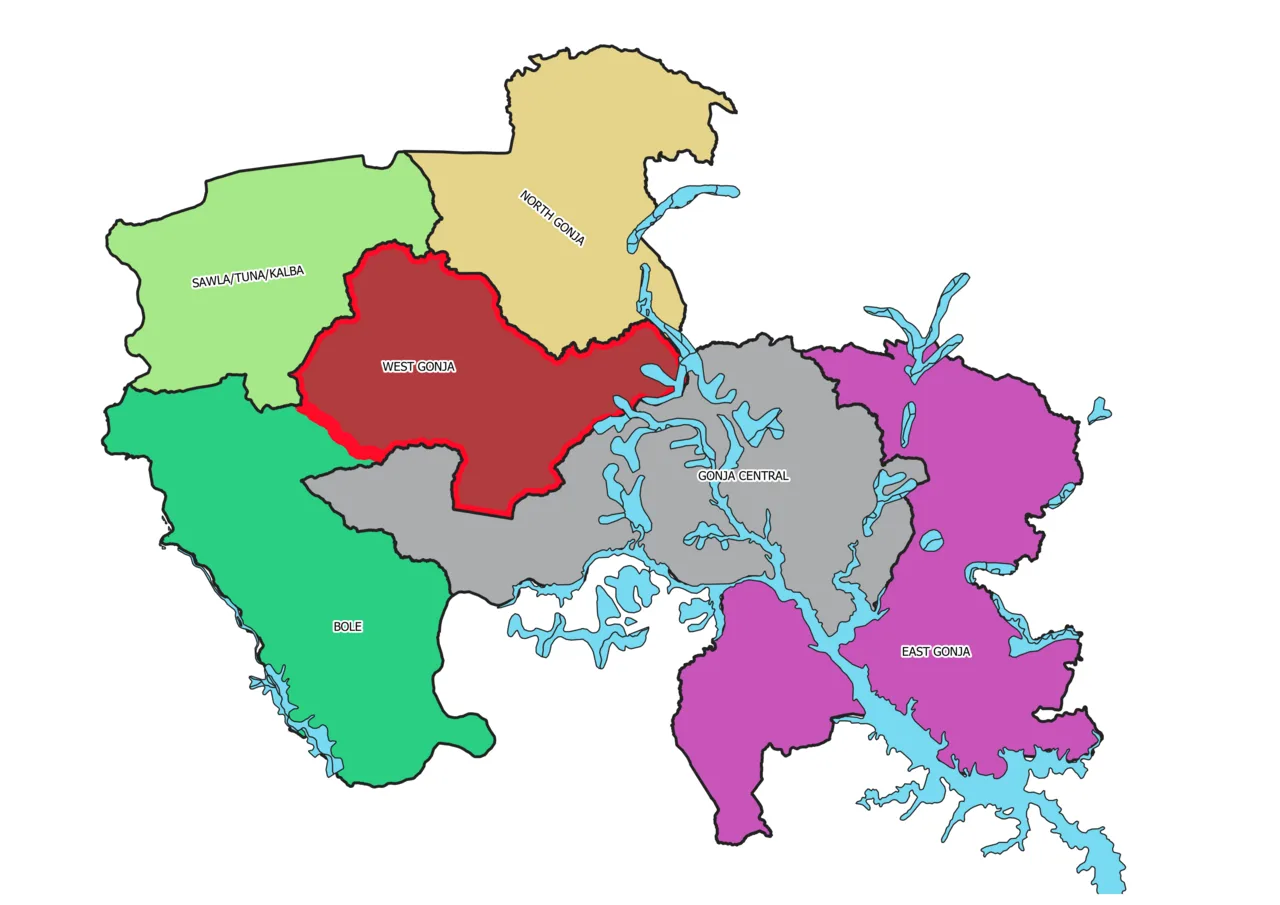
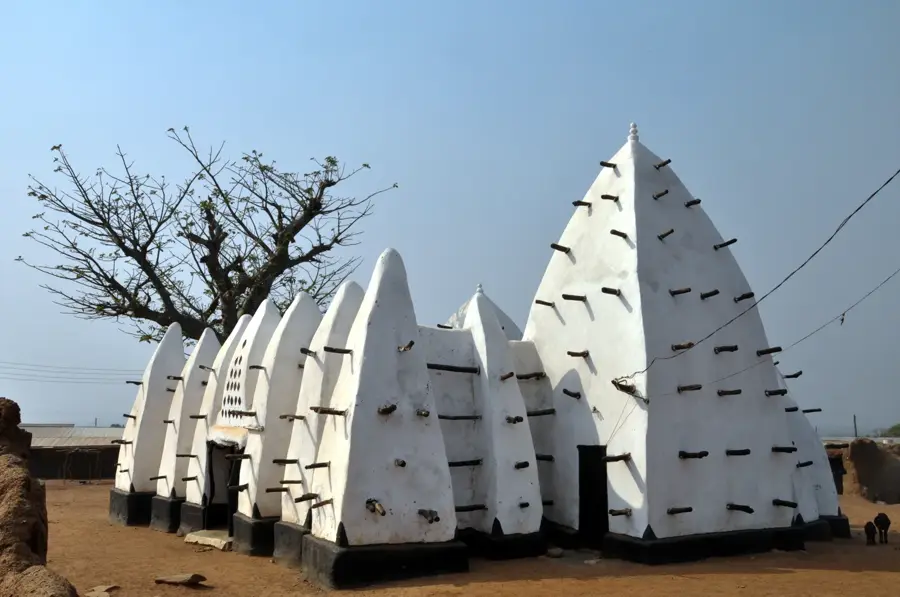
Salaga is the capital of the East Gonja Municipal District in the Savannah Region of Ghana and one of the most historically significant towns in the country. During the 18th and 19th centuries, Salaga was a world-renowned hub for the Trans-Saharan trade and hosted the largest slave market in West Africa. The town was known as the "Timbuktu of the South," where traders from North Africa, the Sahel, and coastal regions exchanged goods such as gold, kola nuts, textiles, and slaves. The town's architecture, with its traditional mud buildings and historic slave wells, bears witness to this dark but influential past. Culturally, Salaga is a center for the Gonja people and Islamic scholarship, reflected in its numerous ancient mosques. Today's economy is primarily based on agriculture, particularly the cultivation of yams and cereals. Salaga remains a vital site for cultural tourism and the study of pre-colonial Ghanaian history.
- Location: Ghana
- Population: ~25.472 (2023)
Best time to visit & climate
The most pleasant time to visit is Jan, Nov, Dec.
| Jan | Feb | Mar | Apr | May | Jun | Jul | Aug | Sep | Oct | Nov | Dec | |
|---|---|---|---|---|---|---|---|---|---|---|---|---|
| Avg °C | 26 | 29 | 30 | 29 | 28 | 27 | 26 | 26 | 26 | 27 | 27 | 26 |
| Rain mm | 7 | 20 | 54 | 103 | 130 | 162 | 199 | 177 | 230 | 150 | 27 | 5 |
Geography
Facts
- Salaga was the largest slave market in the region during the 19th century.
- The town is often referred to as the 'Timbuktu of the South.'
- Historical slave wells are still visible within the town today.
- The majority of the population belongs to the Gonja ethnic group.
- Kola nuts were a primary export commodity to North Africa.
- Salaga is located approximately 120 km south of Tamale.
Explore nearby
Notable places around


Route planner — Car & Motorhome
Where do you start? We build the route here, with stops and country notes along the way.
© OpenStreetMap contributors · OpenRouteService
Sights in the town Salaga (1)
Frequently asked questions
What is the historical significance of Salaga?
What can you visit today at the Salaga Slave Market?
Where is Salaga located?
What is the climate like in Salaga?
Are there guided tours in Salaga?
Salaga: where is it located?
Salaga: when is the best time to visit?
Salaga: why is it worth visiting?
History & landmarks
Nature
More places