Plizio Visual Lab
Central Honey Farm
Weather…
Water temperature…
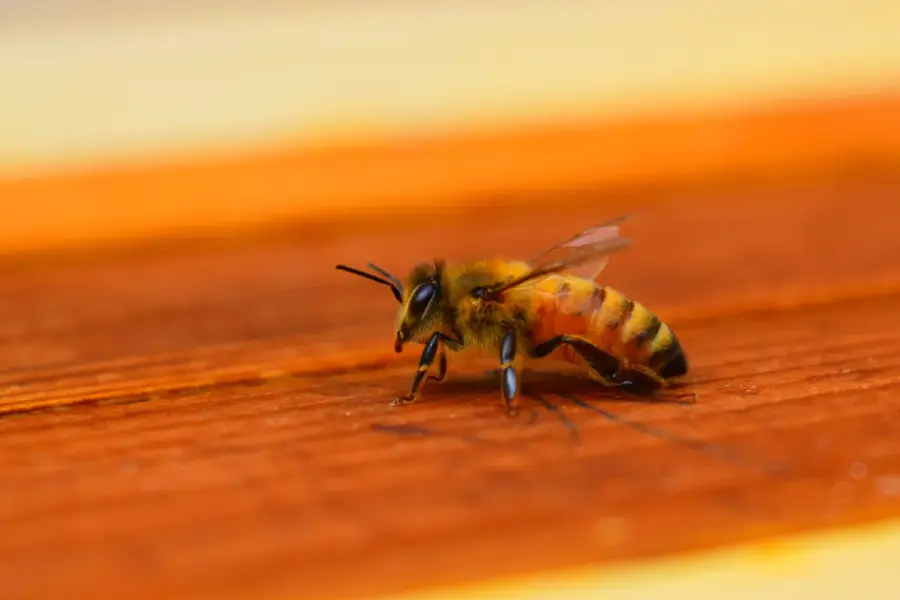
Honey production in the Central Region of Ghana has evolved into a significant economic sector that promotes both ecological sustainability and rural development. In areas like Mankessim, modern beekeeping techniques are employed to maximize the yields of the African honey bee, Apis mellifera adansonii. These farms utilize the rich local flora, including cashew trees and wildflowers, giving the honey a unique, robust aroma. Beekeeping provides a crucial alternative income source for smallholder farmers, particularly outside the primary cocoa or maize harvesting seasons. In addition to honey production, by-products such as beeswax are processed for the cosmetics industry, and propolis is collected for medicinal purposes. The farms also serve as educational hubs where farmers are trained in hive management and pollinator protection, which in turn boosts the yields of surrounding fruit and vegetable plantations. The peak season for honey harvesting occurs between November and May, when vegetation is in full bloom and bees are most active. Through the export of certified organic honey, Ghana is increasingly gaining prominence in the international market for natural products.
- Location: Ghana
- Nearby: Foso (24 km)
Best time to visit & climate
The most pleasant time to visit is Jan, Aug, Dec.
| Jan | Feb | Mar | Apr | May | Jun | Jul | Aug | Sep | Oct | Nov | Dec | |
|---|---|---|---|---|---|---|---|---|---|---|---|---|
| Avg °C | 27 | 28 | 27 | 27 | 26 | 25 | 24 | 24 | 25 | 26 | 26 | 27 |
| Rain mm | 26 | 55 | 123 | 141 | 200 | 236 | 118 | 59 | 136 | 208 | 101 | 29 |
📋 Practical info
Geography
Facts
- The African honey bee (Apis mellifera adansonii) is the primary species kept in Ghana.
- The peak honey harvesting season aligns with the dry months from November to May.
- Modern hives like the Langstroth type significantly increase yield over traditional methods.
- Beeswax from Ghana serves as a vital raw material for the global cosmetics industry.
- Beekeeping enhances the yields of nearby cashew plantations through essential pollination.
- Organic honey from the Central Region is increasingly exported to European markets.
Explore nearby
Notable places around

Route planner — Car & Motorhome
Where do you start? We build the route here, with stops and country notes along the way.
© OpenStreetMap contributors · OpenRouteService
Sights nearby
Frequently asked questions
Can you buy honey directly at the farm?
Are protective suits provided for visitors?
Which bee species are kept here?
Are there tastings?
When is the best time to visit?
Central Honey Farm: where is it located?
Central Honey Farm: when is the best time to visit?
Central Honey Farm: why is it worth visiting?
Nearby cities

History & landmarks


Nature

More places