Plizio Visual Lab
Bleicherode
ℹ️Practical info — Bleicherode
▾
🌤 Weather — 5 days
📍 Nearby
Sights nearby
💡 Tips
- Wear sturdy shoes when exploring the town center, as the historic streets around the timber-framed houses are often cobbled.
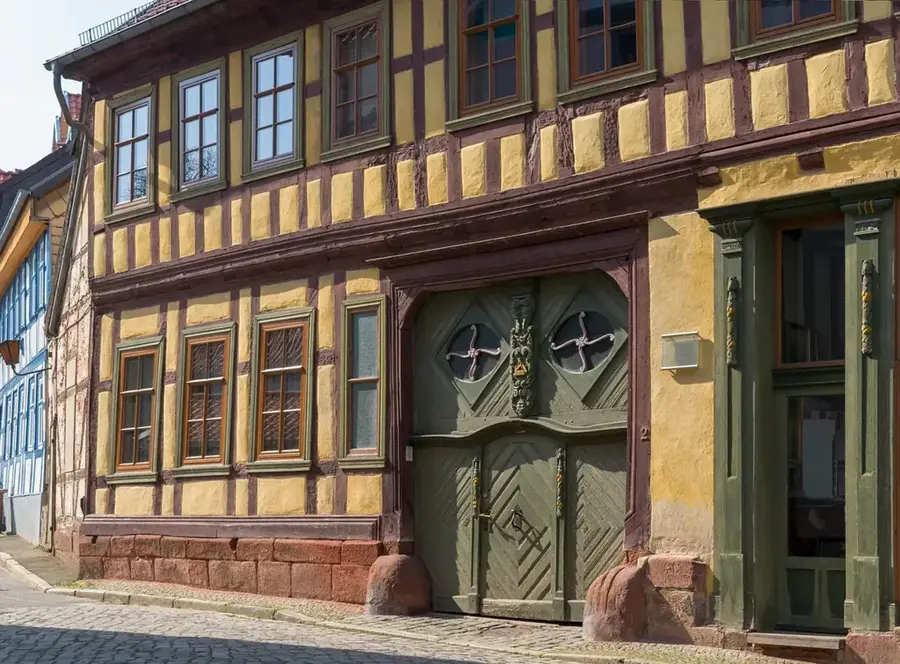
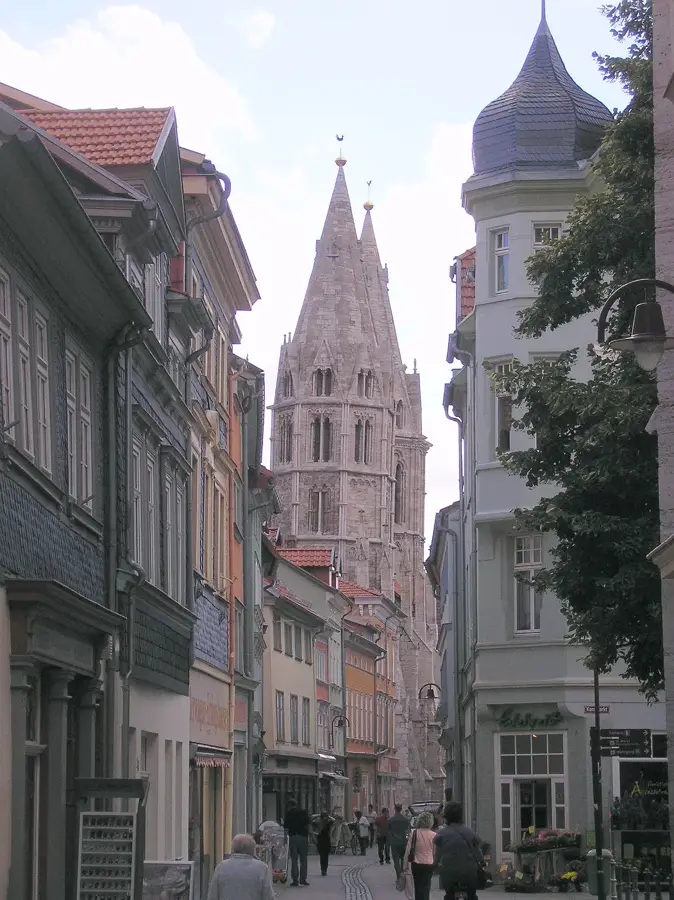
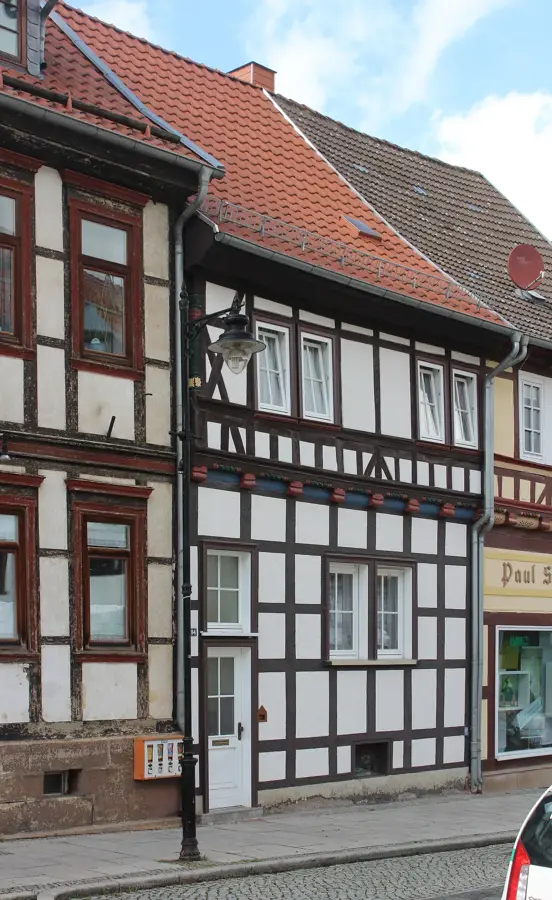
- Take time to look up at the intricate woodwork and inscriptions on the facades of the traditional half-timbered houses.
- Visit the local Heimatmuseum (local history museum) to understand the region's deep potash mining heritage before wandering the town.
- Parking is generally available on the outskirts of the town center; it's easiest to park and walk the short distances.
🍽 Food
A classic Thuringian sausage, best enjoyed grilled from a local butcher or street vendor.
Ask local butchers for traditional regional sausages influenced by the town's working-class mining history.
Hearty potato dumplings served with a roast, found in traditional German Gasthöfe (inns) around the town square.
🛍 Shopping · 🧘 Quiet spots
Stroll along the main street to find family-run shops offering regional Thuringian specialties and breads.
Look for traditional wooden crafts and souvenirs typical of the Harz region in small independent stores.
Head to the surrounding Bleicherode Hills for peaceful hiking trails through dense beech forests.
A quiet municipal park excellent for a short rest after admiring the historic town center.
Water temperature…
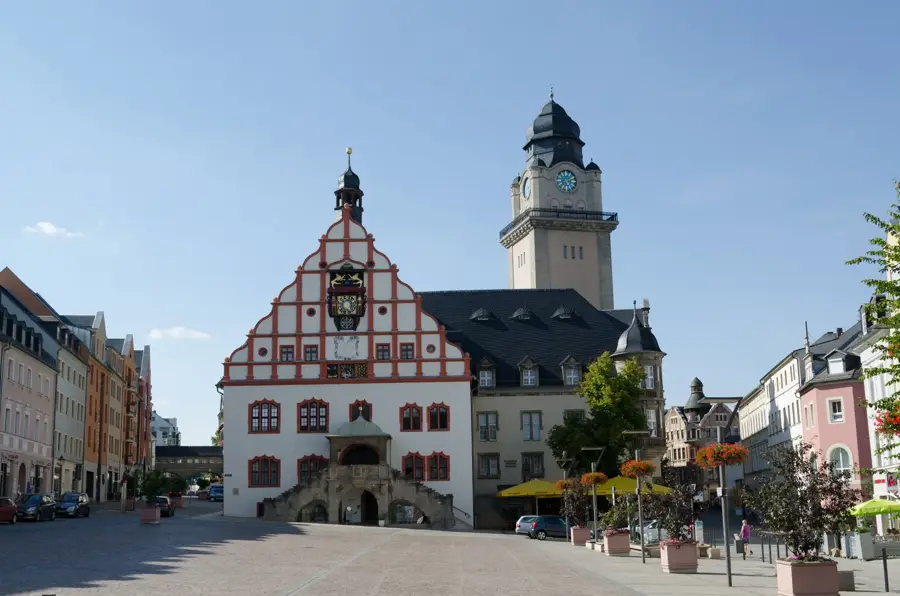
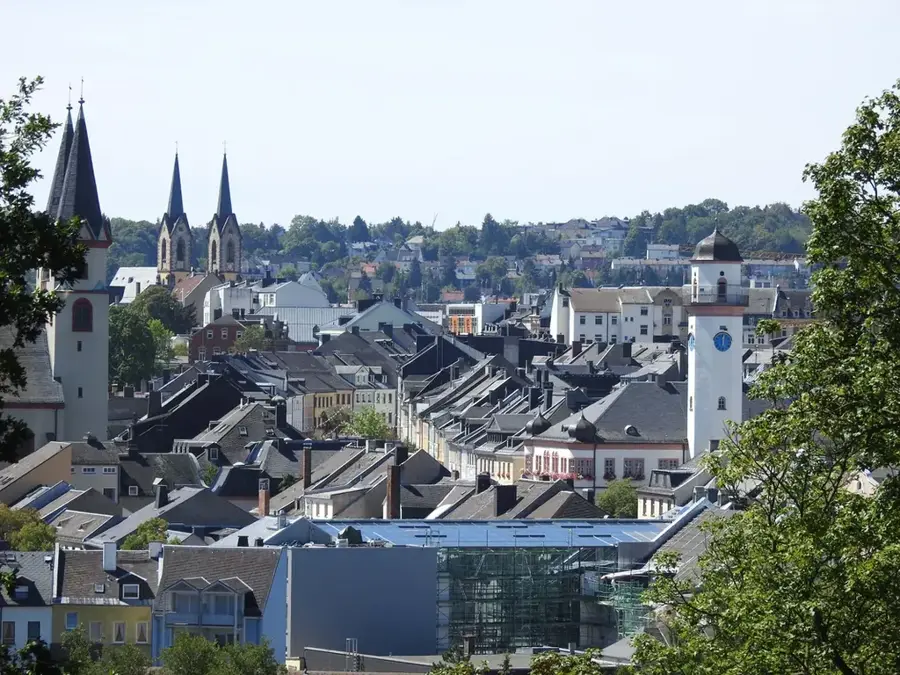
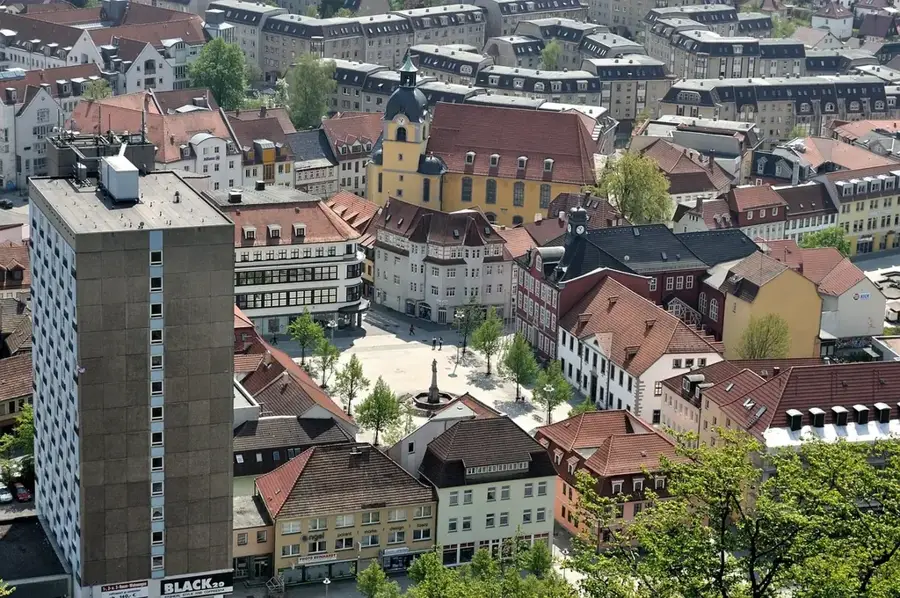
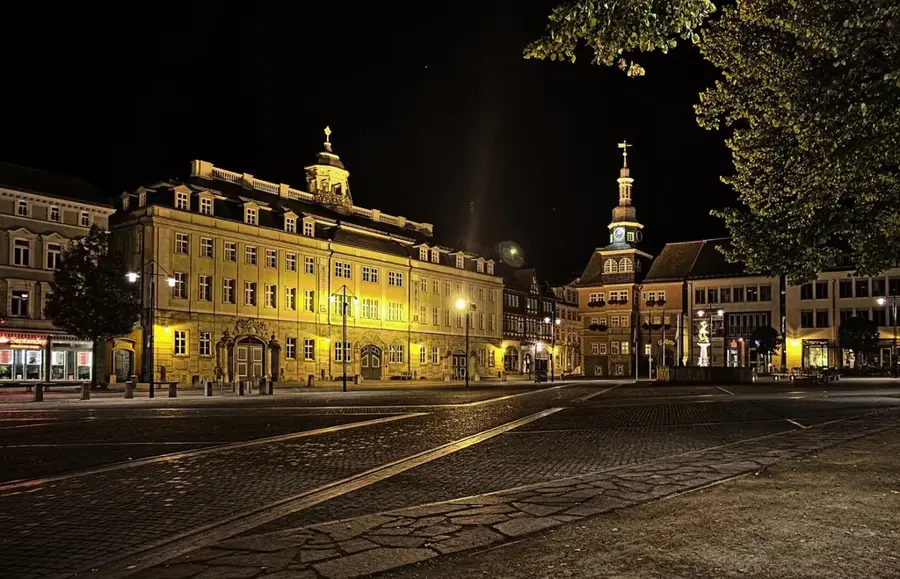
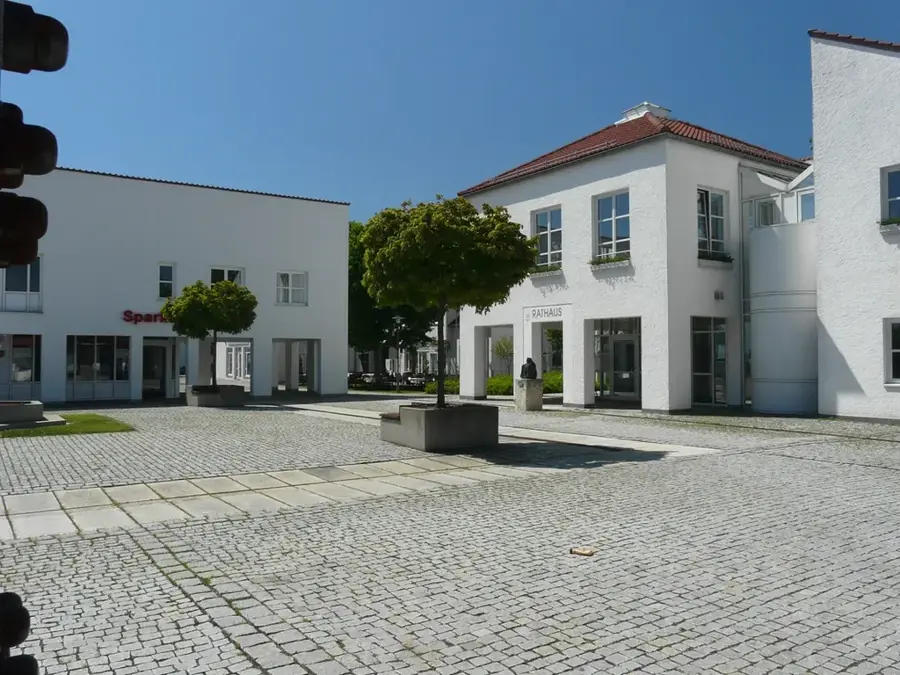
Bleicherode is situated in the Nordhausen district of Thuringia, set in the Wipper Valley between the Harz Mountains and the Hainleite hills. The town's modern history was defined by the discovery of potash in 1899, which triggered an industrial boom and established Bleicherode as a world-leading site for potash mining for nearly a century. Although mining operations ceased in 1990, the industrial heritage remains a significant part of the town's identity, visible in the restored mining headframes. In contrast to its industrial past, the historic old town is a testament to Thuringian craftsmanship, featuring awealth of half-timbered buildings and the impressive 1541 Renaissance town hall. Geographically, the town is a gateway to the Hainleite nature area, offering extensive hiking and cycling trails through scenic landscapes. Bleicherode continues to evolve, transitioning from a mining center to a modern municipality with a focus on specialized manufacturing, environmental technology, and regional tourism, all while honoring its long-standing traditions through annual miners' festivals.
- Location: Thuringia, Germany
- Top sights: Local History Museum · Vogelberg · Wasserschloss
- Nearby: Nordhausen (17 km)
- Population: ~10.151
Best time to visit & climate
The most pleasant time to visit is Jun–Aug.
| Jan | Feb | Mar | Apr | May | Jun | Jul | Aug | Sep | Oct | Nov | Dec | |
|---|---|---|---|---|---|---|---|---|---|---|---|---|
| Avg °C | -1 | -1 | 3 | 8 | 12 | 16 | 18 | 18 | 13 | 8 | 4 | 0 |
| Rain mm | 75 | 51 | 56 | 42 | 75 | 67 | 87 | 68 | 63 | 61 | 68 | 75 |
Geography
Facts
- The historic town hall was built in 1541.
- The town center is located at 211 meters above sea level.
- Total municipal area covers 28.27 square kilometers.
- Industrial potash mining began here in the year 1899.
- The town was first mentioned in a document in 1130.
- The postal code is 99752.
Explore nearby
Notable places around
Route planner — Car & Motorhome
Where do you start? We build the route here, with stops and country notes along the way.
© OpenStreetMap contributors · OpenRouteService
Sights in the town Bleicherode (5)
Frequently asked questions
What is Bleicherode historically known for?
What can you do in the 'Bleicheröder Berge'?
Are there sights in the old town?
Are there leisure activities for the summer?
How is the connection to the Harz mountains?
Bleicherode: where is it located?
Bleicherode: what is there to see?
Bleicherode: when is the best time to visit?
Bleicherode: why is it worth visiting?

Nearby cities