Plizio Visual Lab
Lauter
ℹ️Practical info — Lauter
▾
🌤 Weather — 5 days
📍 Nearby
Sights nearby
💡 Tips
- Visit the 'Alte Brennerei' spirit museum to learn about the long-standing tradition of local liqueurs.
- Hike to the 'Vogelbeerbaum' (Mountain Ash), the town's symbol, for a great view of the Ore Mountains.
- Parking is best found around the market square, which is a central point for exploring the town.
- Look for traditional wood carvings in house windows, a characteristic craft of the Erzgebirge region.
- A trip to the nearby hiking trails in the Schwarzwasser valley is highly recommended for nature lovers.
🍽 Food
A famous regional herbal liqueur, try it directly at the historic distillery.
A specialty spirit made from rowanberries, unique to the Ore Mountains.
A traditional sweet soup often served with semolina dumplings in local inns.
🛍 Shopping · 🧘 Quiet spots
Find the best selection of local spirits and liqueurs to take home as a souvenir.
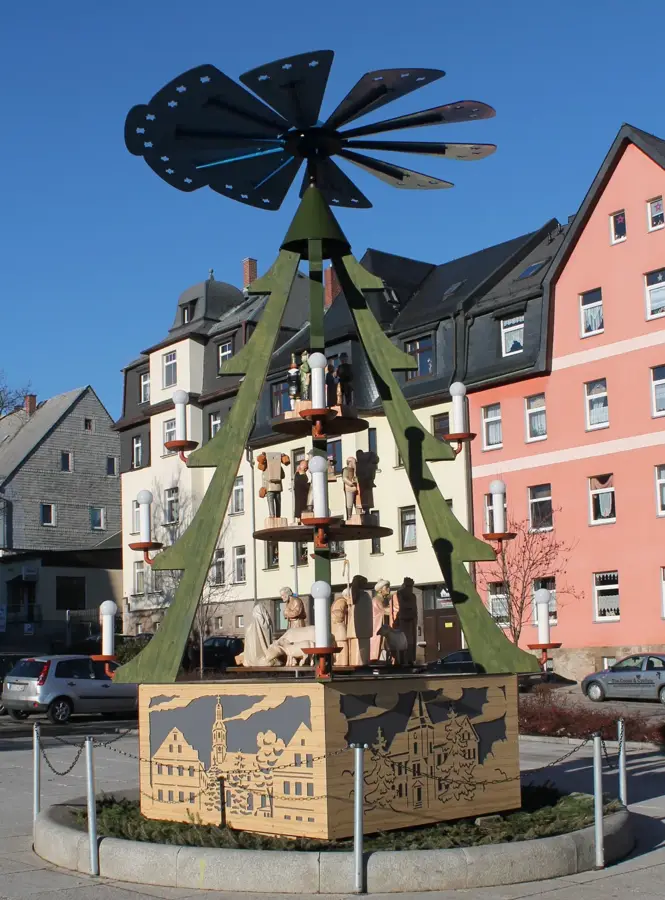
Look for handmade wooden pyramids and incense smokers in local craft shops.
An idyllic valley with peaceful hiking trails along the stream.
A small park at the edge of the forest, first-rate for a quiet retreat.
Water temperature…
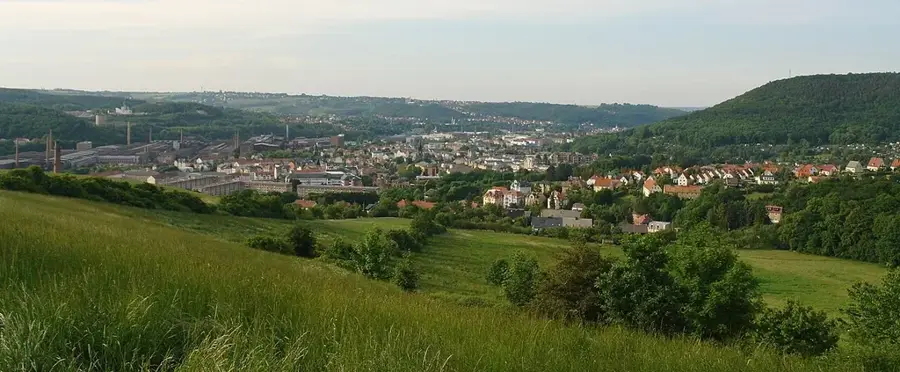
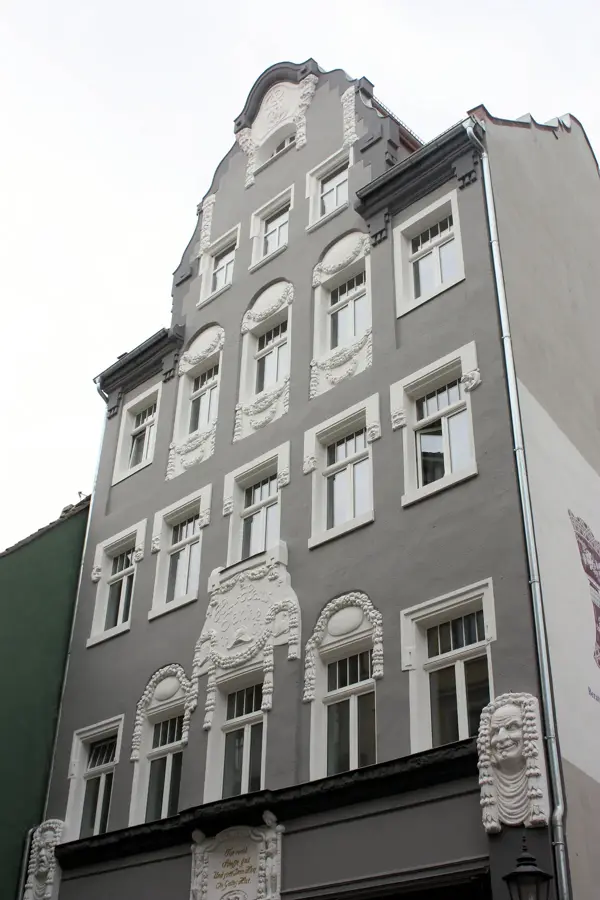
Lauter in Saxony, now a vital part of the merged town of Lauter-Bernsbach, provides a fascinating glimpse into the deep history of the Ore Mountains (Erzgebirge), tucked away securely within the dense forests of the Schwarzwasser valley. For centuries, the lives of the local inhabitants were defined by the grueling work of mining, the delicate craft of basket weaving, and a highly unique regional tradition: catching wild songbirds. This nearly forgotten practice is immortalized in the famous German folk song "Vogelbeerbaum" (Rowan Tree), which is deeply associated with Lauter. The absolute highlight and culinary pride of the town is the historic Lautergold distillery. For over two and a half centuries, this esteemed establishment has been crafting premium herbal liqueurs based on fiercely guarded family recipes; taking a guided tour of the spirits museum followed by a tasting session is a compulsory experience for any foodie. Lauter’s historical streetscape is characterized by characterful half-timbered houses and narrow alleys that climb steeply from the valley floor up the wooded hillsides. Hikers and nature enthusiasts love Lauter as a well-suited starting point for treks to the Morgenleithe peak or through the pristine woodlands toward Aue and Schwarzenberg. During the advent season, the town unveils its signature Ore Mountain magic, as traditional arches illuminate every window.
- Location: Saxony, Germany
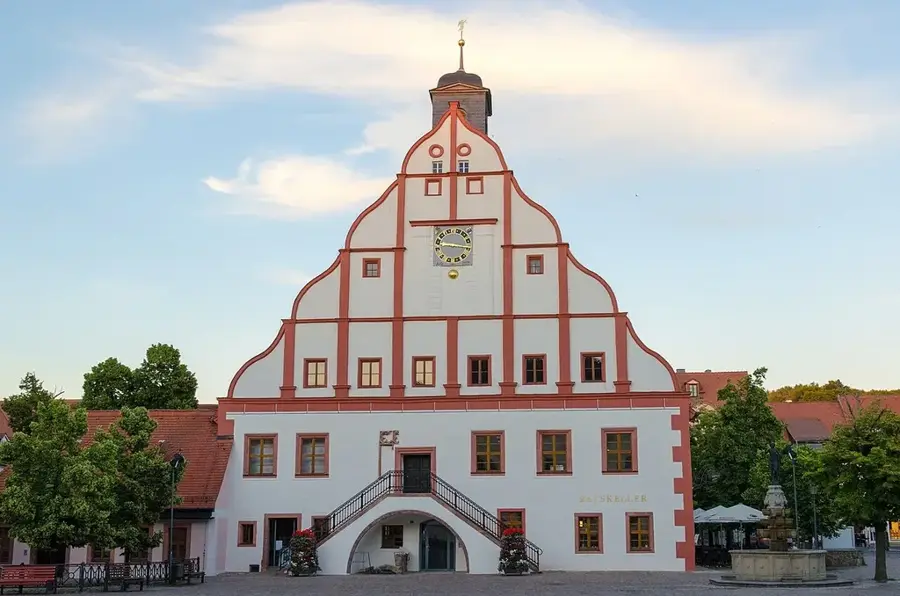
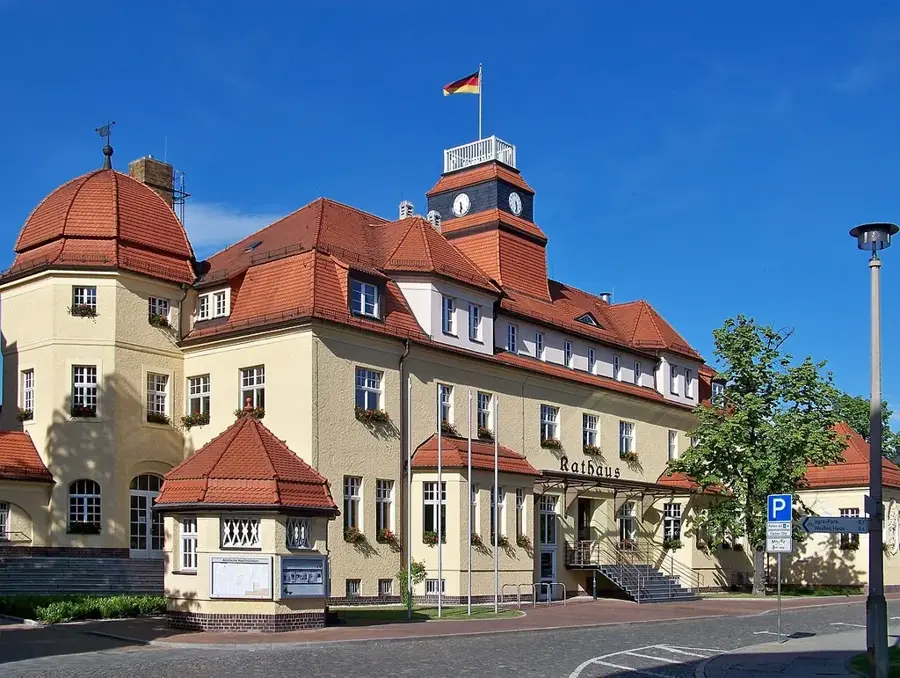
- Top sights: Lauter Parish Church · Lauter Town Hall · Zoo der Minis
- Nearby: Schwarzenberg (4 km)
- Population: ~5.028
Best time to visit & climate
The most pleasant time to visit is Jun–Aug.
| Jan | Feb | Mar | Apr | May | Jun | Jul | Aug | Sep | Oct | Nov | Dec | |
|---|---|---|---|---|---|---|---|---|---|---|---|---|
| Avg °C | -2 | -2 | 2 | 7 | 12 | 16 | 18 | 18 | 13 | 8 | 3 | -1 |
| Rain mm | 63 | 45 | 52 | 42 | 71 | 76 | 86 | 76 | 65 | 56 | 61 | 64 |
Geography
Facts
- Established in the 12th century as a forest village.
- Officially became a city on February 1, 1962.
- Highest peak in the area: Morgenleithe (811m).
- Enamel industry dominance started around 1840.
- Merged into Lauter-Bernsbach in 2013.
- Famous for the 'Lautergold' spirits factory founded in 1749.
Explore nearby
Notable places around
Route planner — Car & Motorhome
Where do you start? We build the route here, with stops and country notes along the way.
© OpenStreetMap contributors · OpenRouteService
Sights in the town Lauter (8)
Frequently asked questions
What is Lauter in the Ore Mountains known for?
Can you visit the Lautergold liqueur factory?
What natural beauties are near Lauter?
What is the annual highlight in Lauter?
How far is Lauter from Schwarzenberg?
Lauter: where is it located?
Lauter: what is there to see?
Lauter: when is the best time to visit?
Lauter: why is it worth visiting?

Nearby cities