Plizio Visual Lab
Schneeberg
ℹ️Practical info — Schneeberg
▾
🌤 Weather — 5 days
📍 Nearby
Sights nearby
💡 Tips
- Visit St. Wolfgang's Church in the morning to see the famous Cranach altar in good light.
- In December, the historic Christmas market is a must, but dress warmly for the harsh mountain winds.
- Park just outside the narrow old town and explore the baroque streets on foot.
- The mining museums often offer combined tickets; ask about them to save money.
🍽 Food
A hearty marinated roast, often served with red cabbage and dumplings. Try it at a traditional tavern on the market square.
A delicious Saxon cake. Grab a slice at a bakery in the old town.
A traditional Christmas dish made of nine ingredients, offered in many inns during the Advent season.
🛍 Shopping · 🧘 Quiet spots
Look for hand-carved wooden figures, candle arches, and incense smokers in the small downtown boutiques.
Discover traditional filigree lacework, often sold by local artisans.
One of the oldest dams in Saxony, surrounded by forest, well-suited for a quiet afternoon walk.
Hike up to this viewpoint for a peaceful panoramic view over the mining town.
A quiet forested area on the edge of the town, inviting for relaxed hikes.
Water temperature…
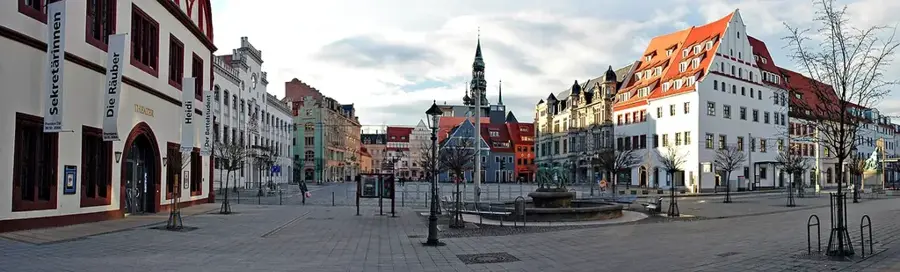
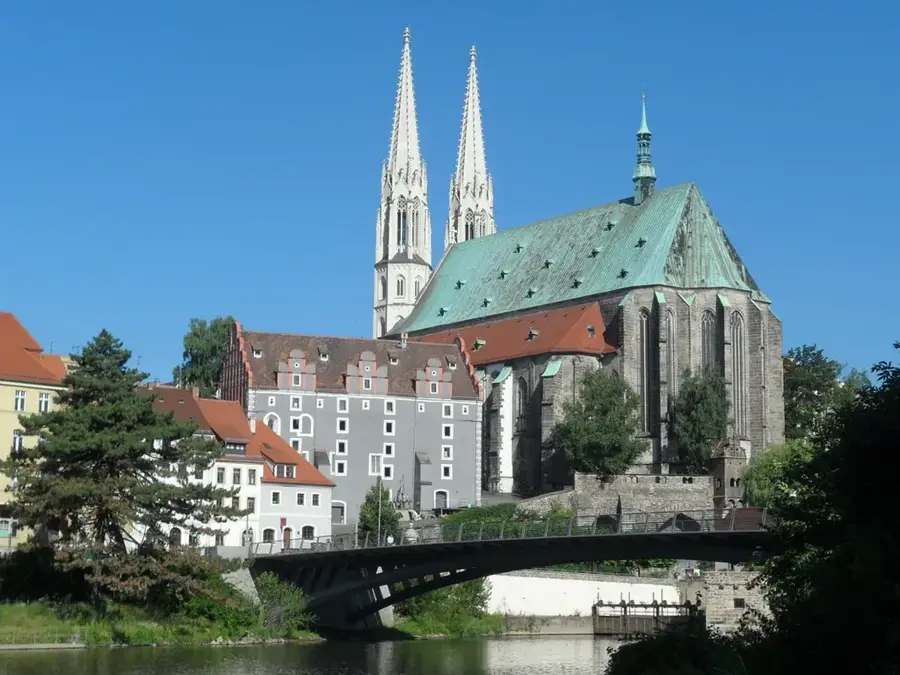
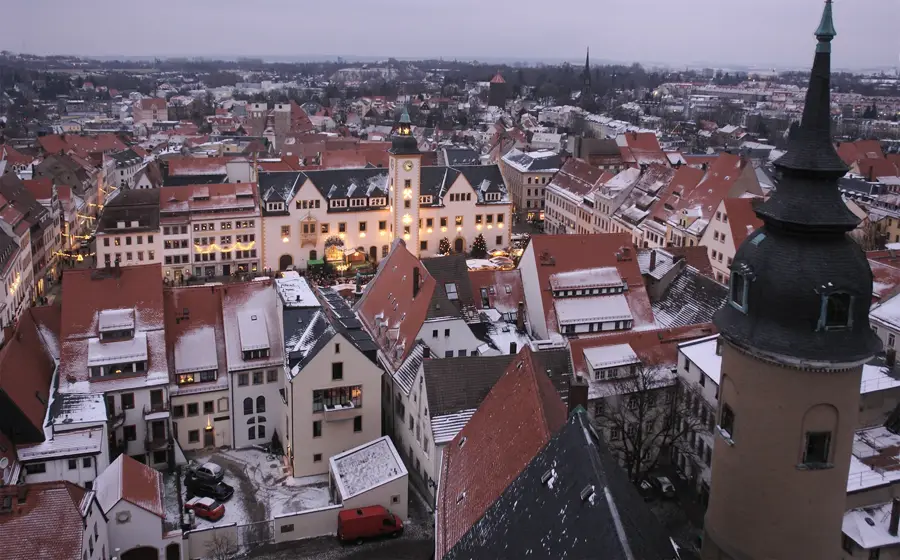
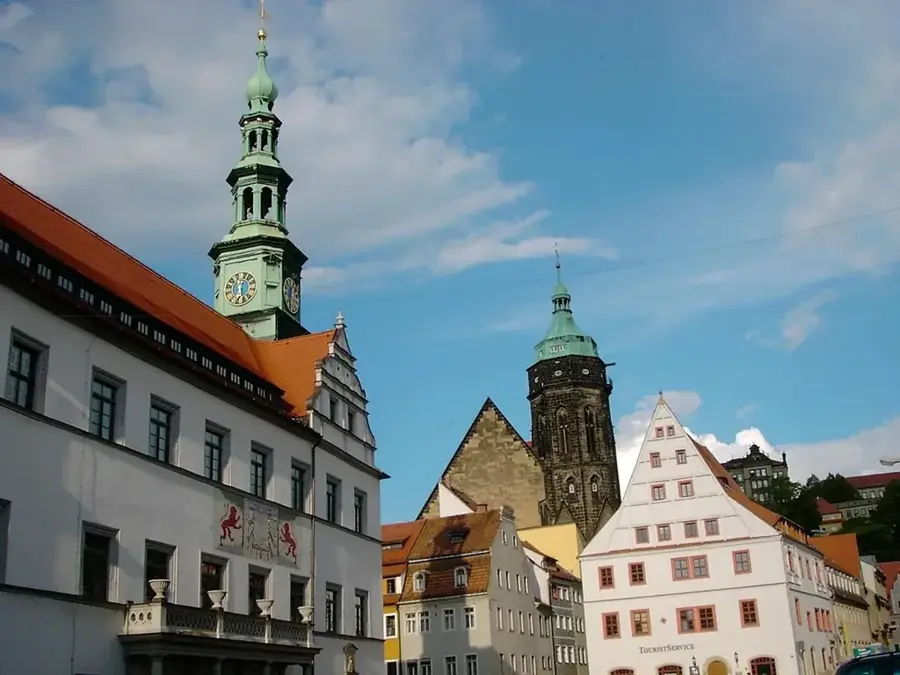
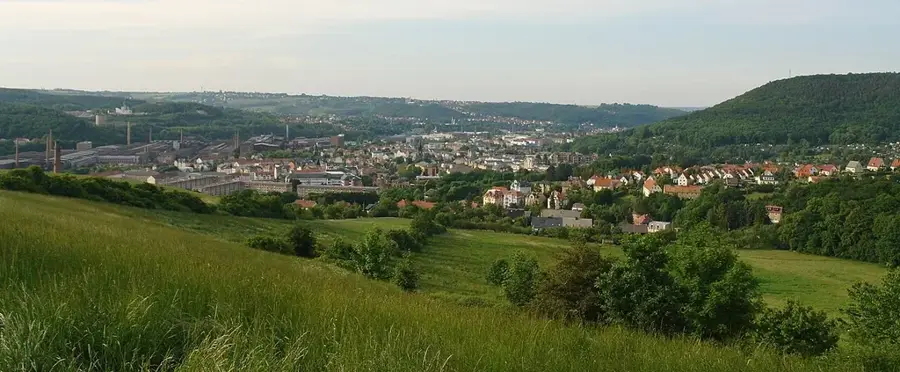
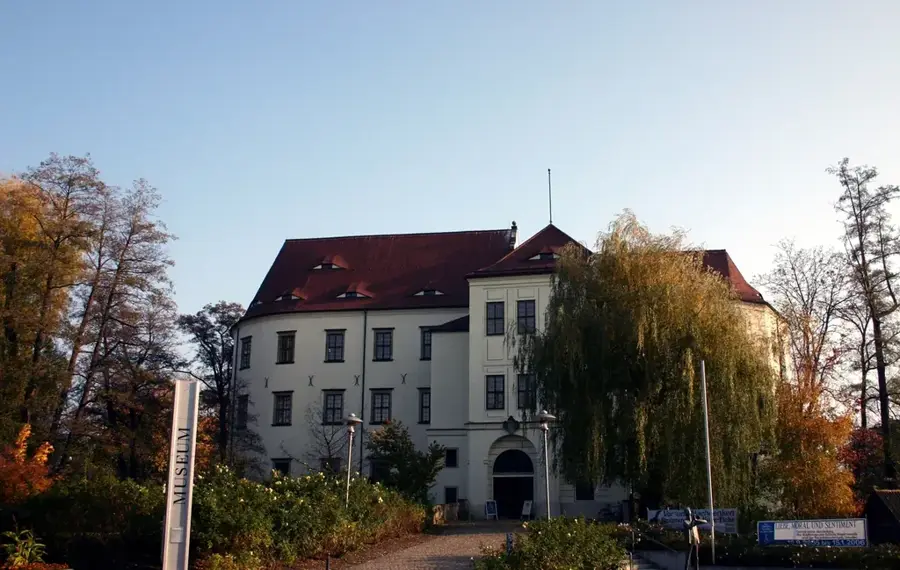
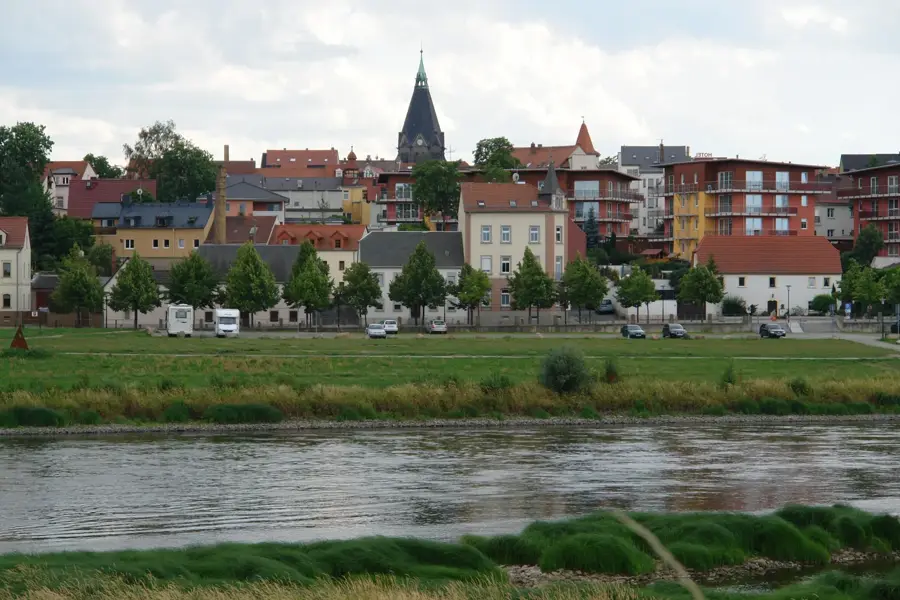
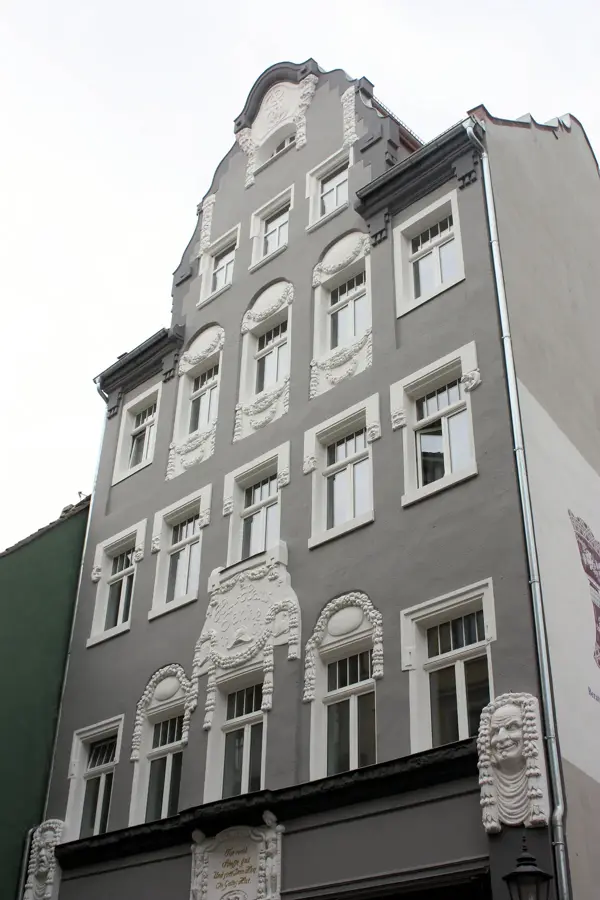
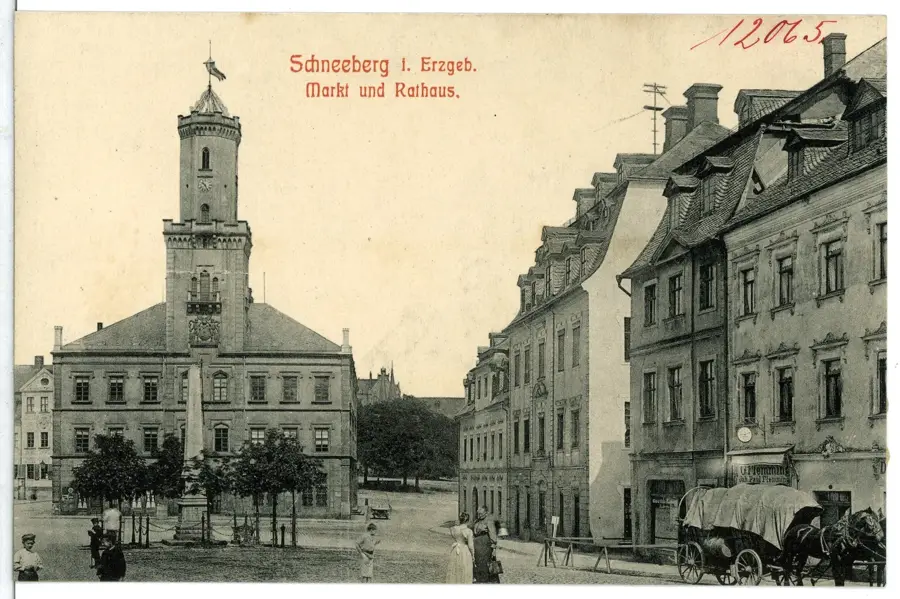
Situated in the western Ore Mountains, the mining town of Schneeberg is defined by over 500 years of silver extraction, a heritage visible in its very streetscapes. The town's skyline is dominated by the striking St. Wolfgang's Church, one of Saxony's largest late-Gothic hall churches, which houses the magnificent Reformation altar painted by Lucas Cranach the Elder. Widely known as the "Christmas Town of the Ore Mountains," the settlement transforms during the Advent season, with thousands of traditional wooden candle arches (Schwibbogen) illuminating the windows and the spectacular Festival of Lights drawing huge crowds. During the rest of the year, the narrow streets lined with Baroque townhouses invite leisurely exploration. The Museum of Mining Folk Art provides an excellent overview of regional crafts, particularly woodcarving and bobbin lace-making. For outdoor enthusiasts, the nearby Filzteich, the oldest reservoir in Saxony, gives summer swimming and boating, while the surrounding forests are crisscrossed with extensive hiking trails.
- Location: Saxony, Germany
- Top sights: St. Wolfgang's Church · Siebenschlehener Ore Crusher · Museum of Mining Folk Art
- Nearby: Aue (4 km)
- Population: ~14.028
Best time to visit & climate
The most pleasant time to visit is Jun–Aug.
| Jan | Feb | Mar | Apr | May | Jun | Jul | Aug | Sep | Oct | Nov | Dec | |
|---|---|---|---|---|---|---|---|---|---|---|---|---|
| Avg °C | -2 | -2 | 2 | 7 | 12 | 16 | 18 | 18 | 13 | 8 | 3 | -1 |
| Rain mm | 63 | 45 | 52 | 42 | 71 | 76 | 86 | 76 | 65 | 56 | 61 | 64 |
Geography
Facts
- Town founded in the year 1471
- St. Wolfgang's Church is 62 m long
- Gleesberg (593 m) is the local landmark hill
- Home to a college of applied arts since 1952
- Part of the UNESCO World Heritage Mining Region
- Traditional miners' parades take place in December
Explore nearby
Notable places around
Route planner — Car & Motorhome
Where do you start? We build the route here, with stops and country notes along the way.
© OpenStreetMap contributors · OpenRouteService
Sights in the town Schneeberg (14)
Frequently asked questions
Why is Schneeberg called a mining town?
What is special about St. Wolfgang's Church?
When does the famous Lichtelfest take place?
Is there a mining museum in Schneeberg?
What is a typical dish from Schneeberg?
Schneeberg: where is it located?
Schneeberg: what is there to see?
Schneeberg: when is the best time to visit?
Schneeberg: why is it worth visiting?

Nearby cities