Plizio Visual Lab
Osterwieck
ℹ️Practical info — Osterwieck
▾
🌤 Weather — 5 days
📍 Nearby
Sights nearby
💡 Tips
- Walk along the main streets to spot the Reformation-era inscriptions carved into the historic half-timbered houses.
- Look up to find 'Neidköpfe', carved wooden faces on the facades originally designed to ward off evil spirits.
- Parking in the narrow medieval streets is difficult; leave your car in the designated lots just outside the historic center.
- Bring cash, as some of the smaller traditional shops and bakeries do not accept cards.
🍽 Food
A pungent, low-fat sour milk cheese from the region. Pick it up at local grocery stores.
A hearty regional sausage often served with kale in traditional German taverns.
Try a slice of traditional sheet cake from the bakeries located around the main square.
🛍 Shopping · 🧘 Quiet spots
Buy regional honey at the weekly market or in the small shops around the town center.
Look out for small artisan workshops located within the historic half-timbered houses.
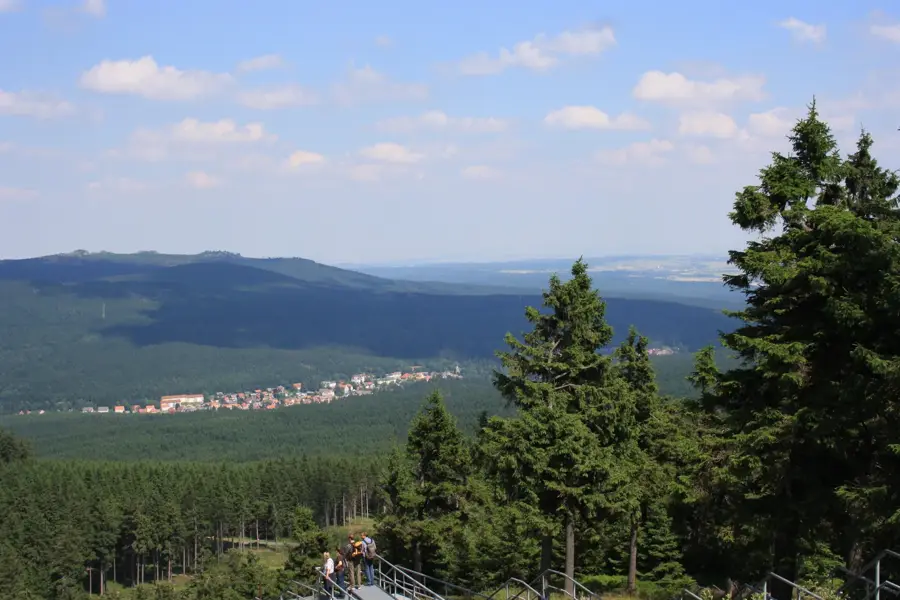
Hike up the wooded Fallstein ridge to the Bismarck Tower for a quiet panoramic view of the town.
A calm, pleasant path to stroll along the water, away from the hustle of the historic center.
Water temperature…
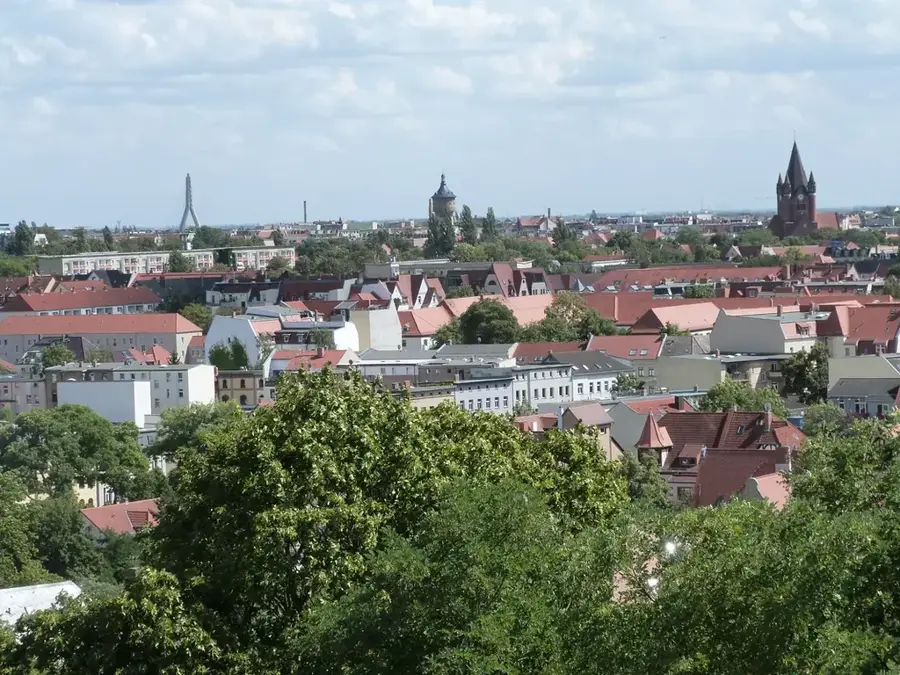
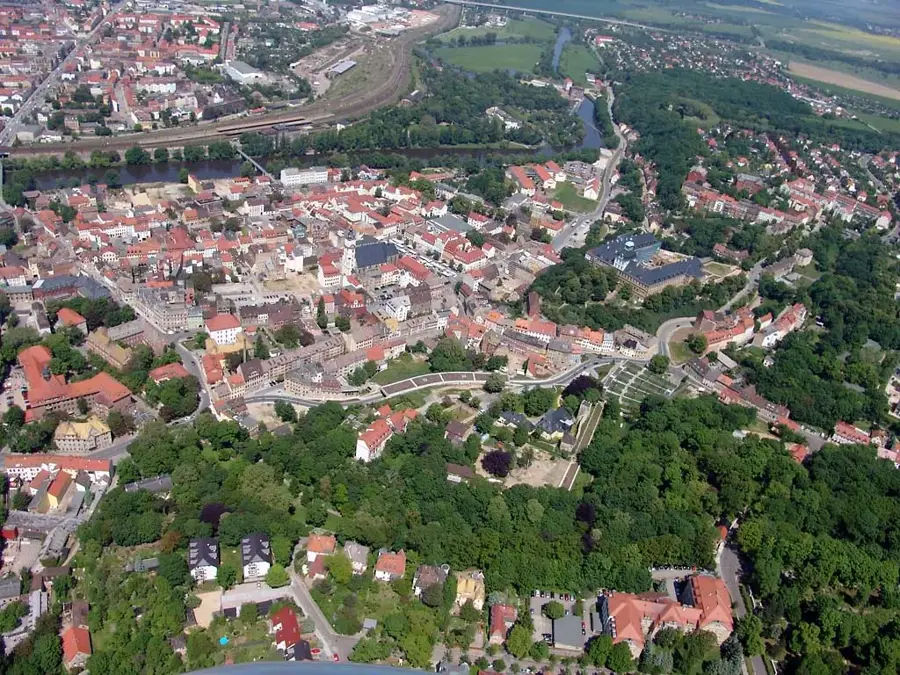
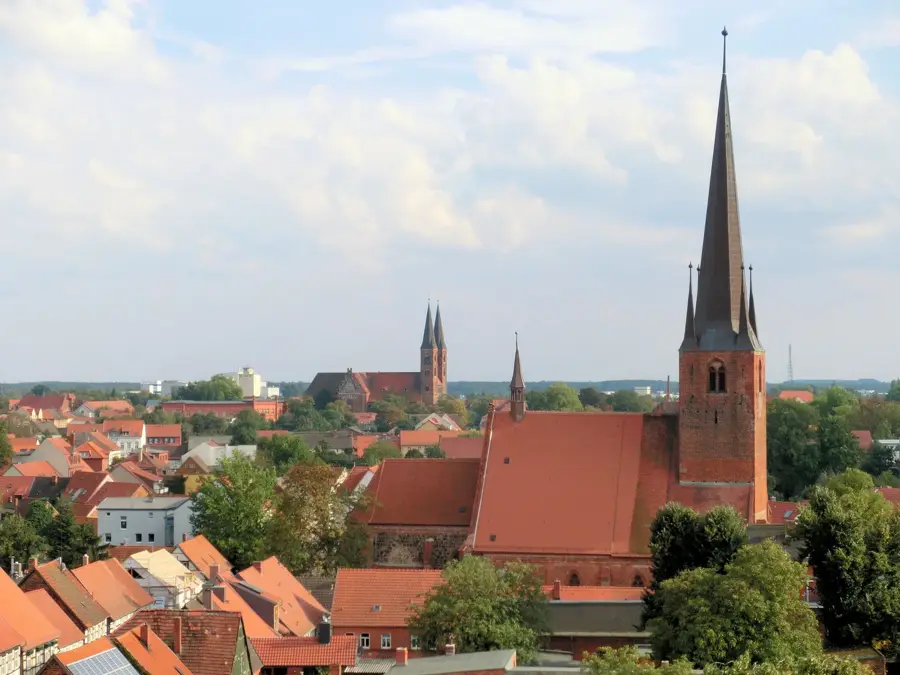
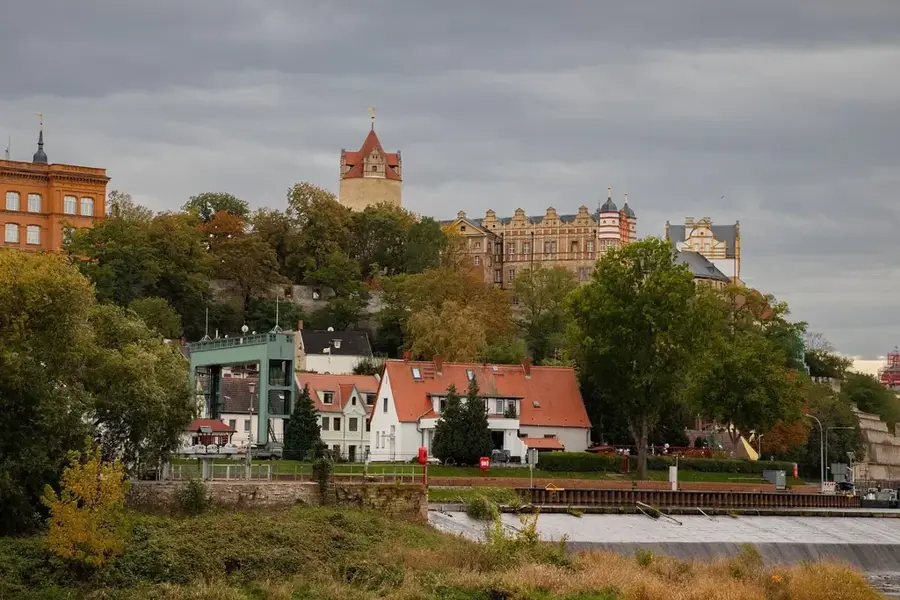
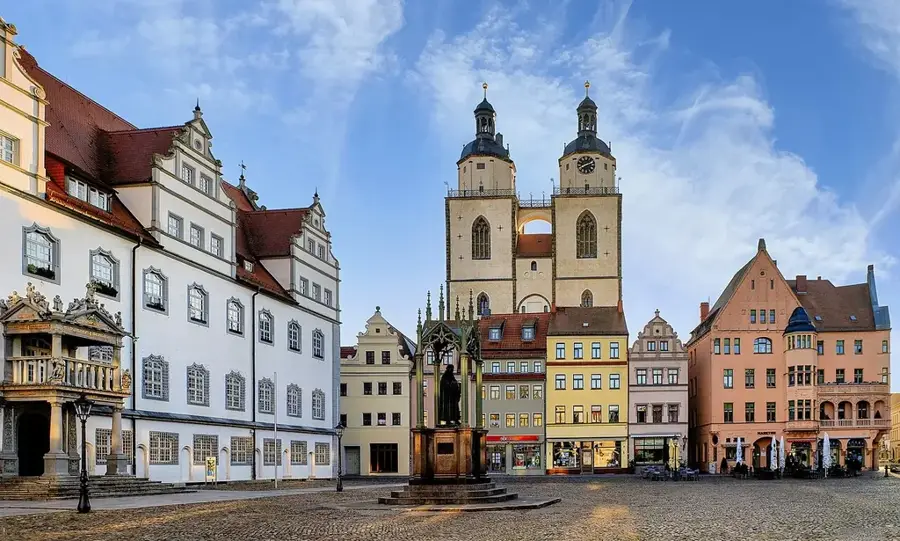
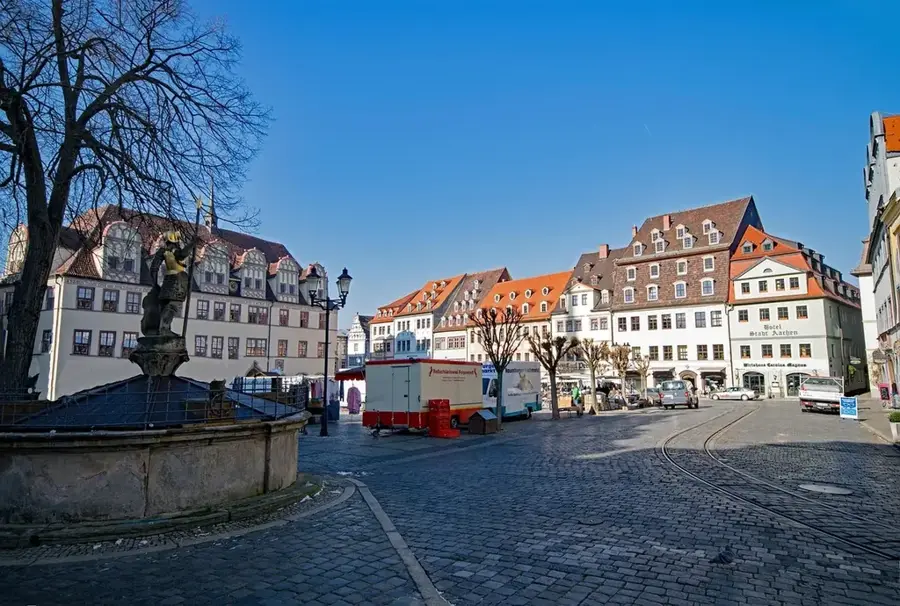
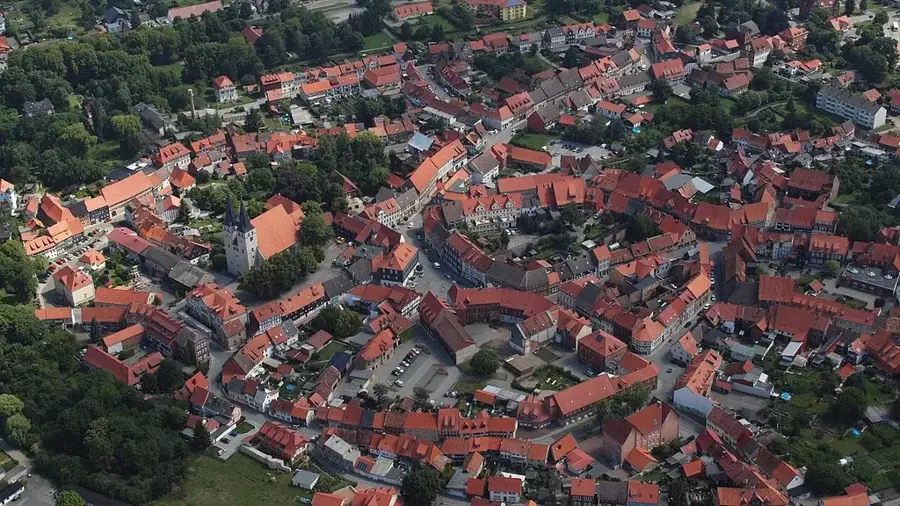
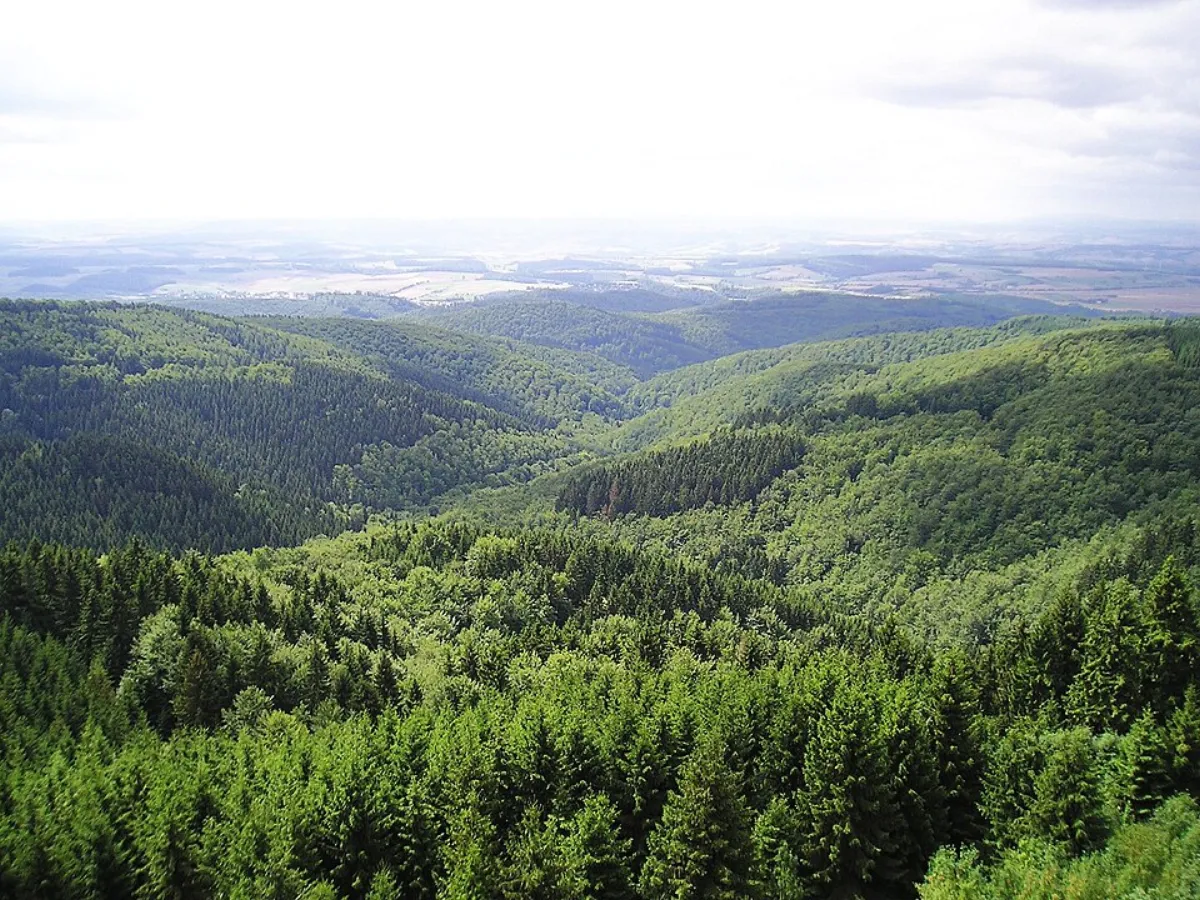
Osterwieck, situated in the northern foothills of the Harz mountains, is an architectural gem of national importance. Often referred to as the 'Town of the Living Reformation', it was one of the first regional centers to embrace Protestantism in the 16th century. The town is most famous for its remarkably intact collection of over 400 half-timbered houses, spanning styles from the late Middle Ages to Classicism. Many of these buildings feature intricate carvings and inscriptions displaying biblical motifs and folk wisdom. The twin-towered St. Stephen's Church, one of the oldest Protestant churches in central Germany, defines the skyline. Thanks to its idyllic location in the Ilse Valley and proximity to the Harz National Park, Osterwieck is also a popular destination for hikers and nature enthusiasts.
- Location: Saxony-Anhalt, Germany
- Top sights: St. Stephen's Church · Osterwieck Local History Museum · Schäfers Hof
- Nearby: Ilsenburg (11 km)
- Population: ~10.768
Best time to visit & climate
The most pleasant time to visit is Jun–Aug.
| Jan | Feb | Mar | Apr | May | Jun | Jul | Aug | Sep | Oct | Nov | Dec | |
|---|---|---|---|---|---|---|---|---|---|---|---|---|
| Avg °C | 0 | 1 | 4 | 9 | 13 | 16 | 19 | 18 | 14 | 9 | 5 | 1 |
| Rain mm | 68 | 45 | 50 | 38 | 66 | 61 | 85 | 63 | 58 | 56 | 61 | 67 |
Geography
Facts
- First documented in the year 780 AD.
- St. Stephen's Church was reconstructed starting in 1552.
- Highest density of half-timbered houses in the Harz foreland.
- Total municipal area covers 140.7 square kilometers.
- Located on the 'Romanesque Road' tourist route.
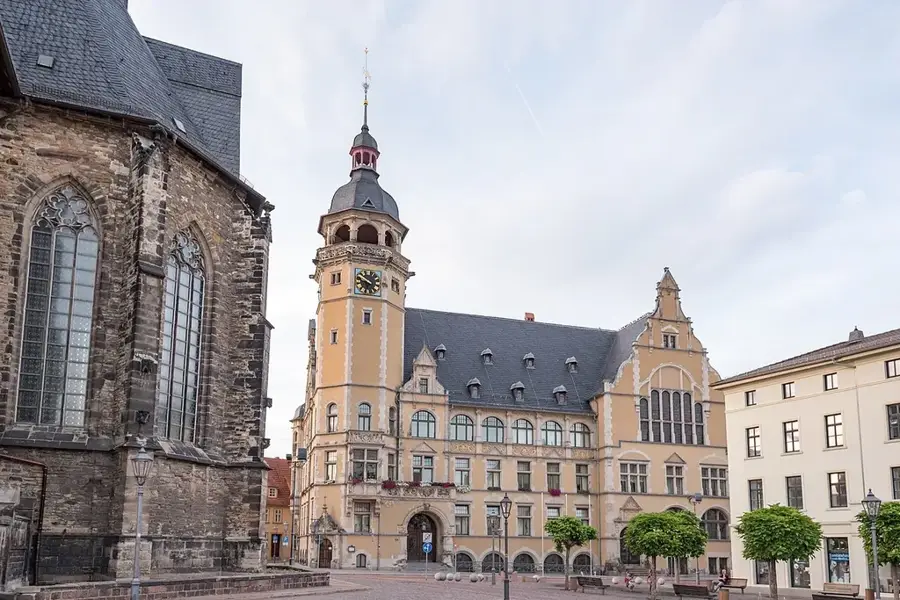
- The Town Hall is a Renaissance building from 1554.
Explore nearby
Notable places around
Route planner — Car & Motorhome
Where do you start? We build the route here, with stops and country notes along the way.
© OpenStreetMap contributors · OpenRouteService
Sights in the town Osterwieck (7)
Frequently asked questions
Why is Osterwieck called a half-timbered town?
What is special about the St. Stephani church?
Are there guided city tours?
How far is Osterwieck from the Harz mountains?
Can you go hiking in the area?
Osterwieck: where is it located?
Osterwieck: what is there to see?
Osterwieck: when is the best time to visit?
Osterwieck: why is it worth visiting?

Nearby cities