Plizio Visual Lab

Köthen

Plizio editorial teamData Sources
City
—°1810
Köthen (Germany)
ℹ️

Practical info — Köthen

🌤 Weather — 5 days

📍 Nearby

Sights nearby

💡 Tips

  • Pick up a walking map from the tourist info to follow the traces of Johann Sebastian Bach.
  • Dedicate at least half a day to the Castle complex, as it houses multiple interesting museums.
  • History buffs should not miss the European Library for Homeopathy, a unique local institution.
  • The town is a major railway hub, making it easily accessible without a car.

🍽 Food

🍽
Köthener Schusterpfanne

A traditional dish of pork and pears; look for it in local German restaurants.

🍽
Hallorenkugeln

Though from nearby Halle, these famous chocolates are widely available in local sweets shops.

🍽
Regional Beer

Enjoy a locally brewed beer in one of the traditional pubs near the castle.

🛍 Shopping · 🧘 Quiet spots

🛍
Schalaunische Straße

The main pedestrian zone offering a mix of local shops and cafes.

🛍
Castle Shop

The best place for souvenirs related to Bach, local history, and homeopathy.

🧘
Schlosspark

The expansive castle park is excellent for a relaxing and peaceful walk.

🧘
Fasanerie

A historic wooded park area, well-suited for escaping the city bustle.

Highlights of 2026

1

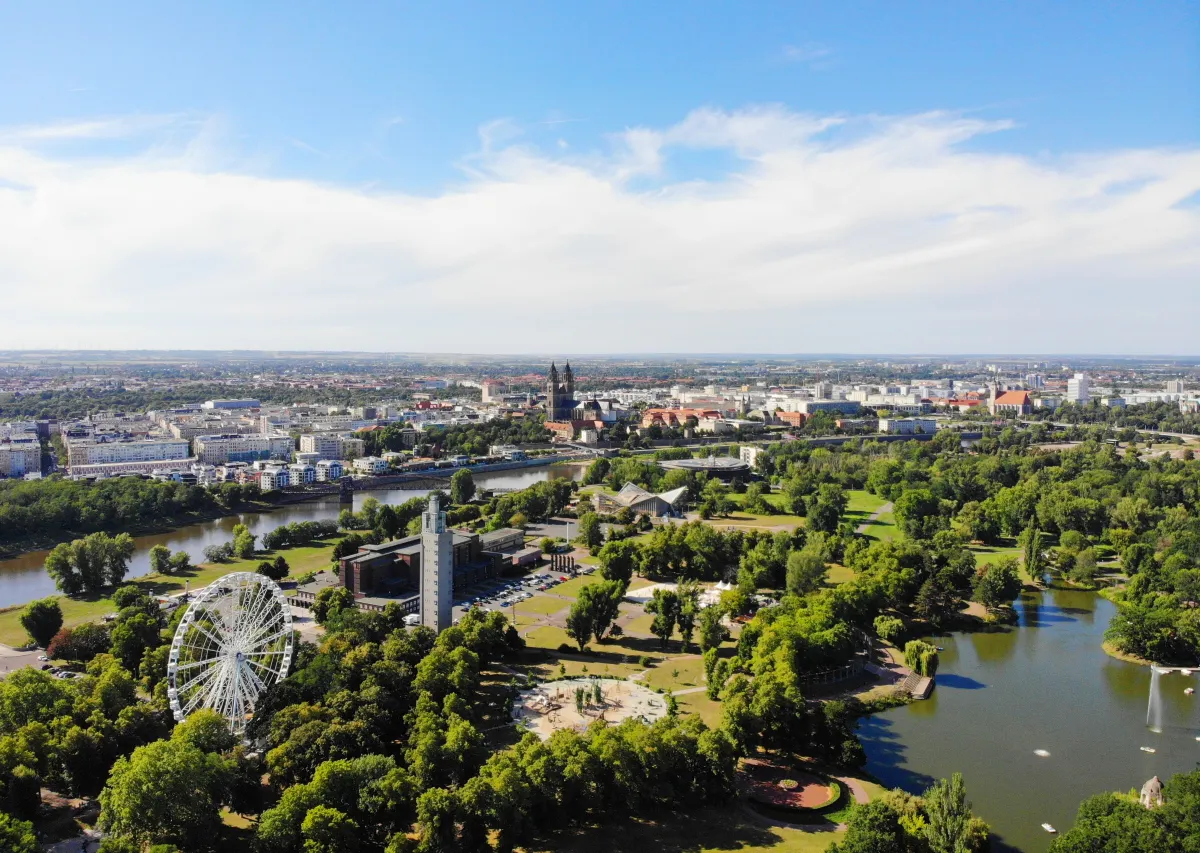
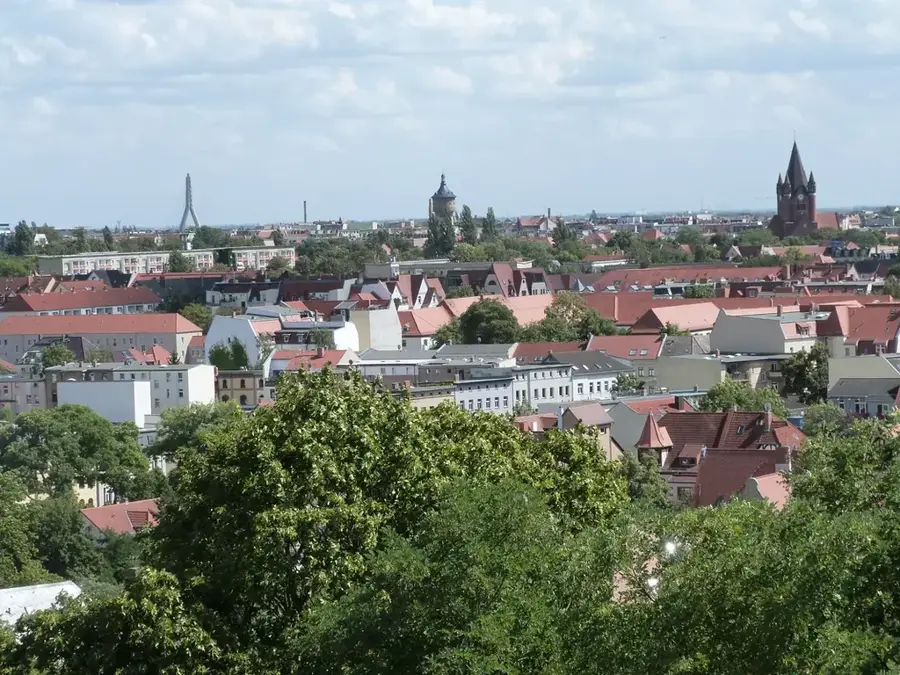
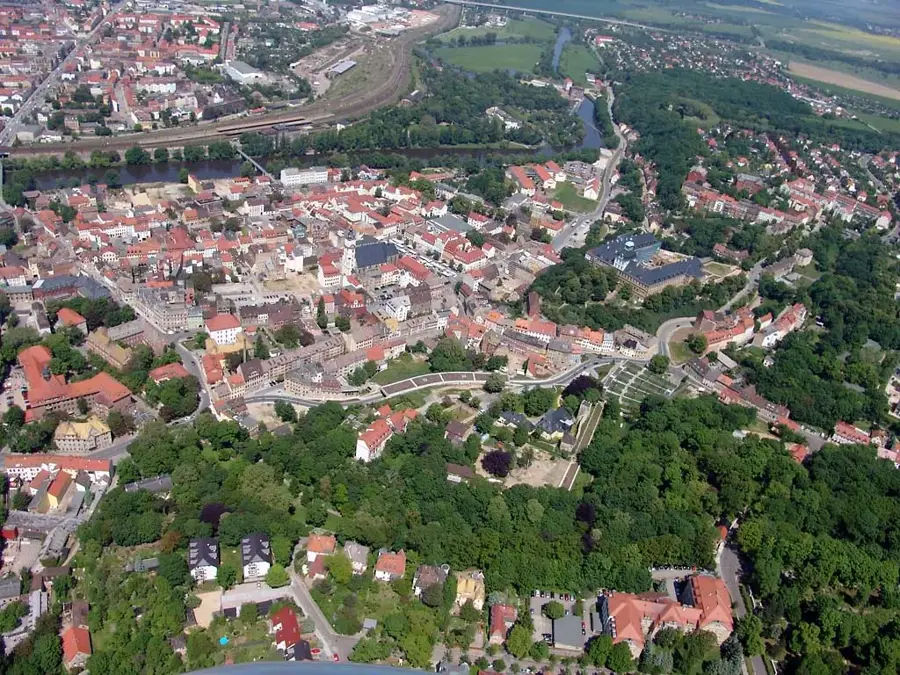
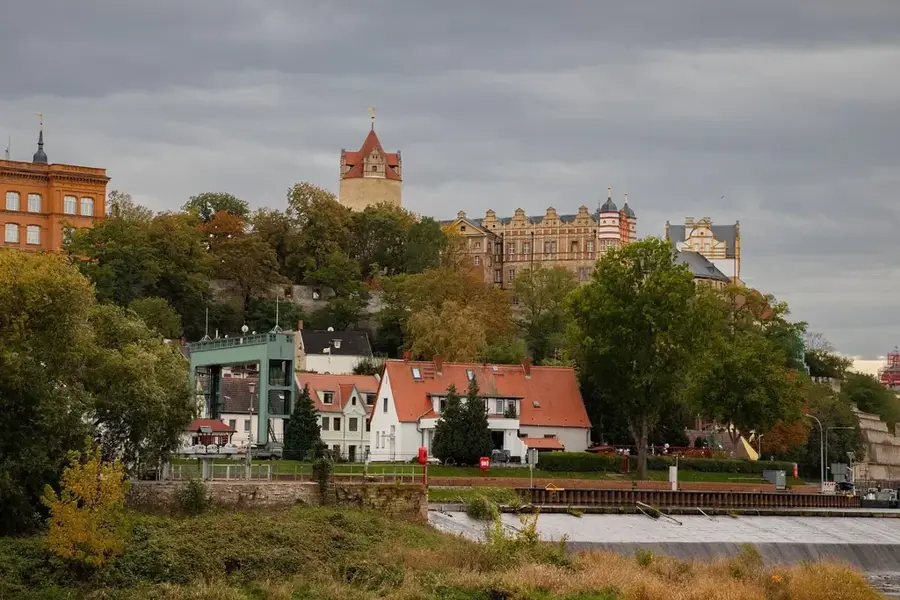
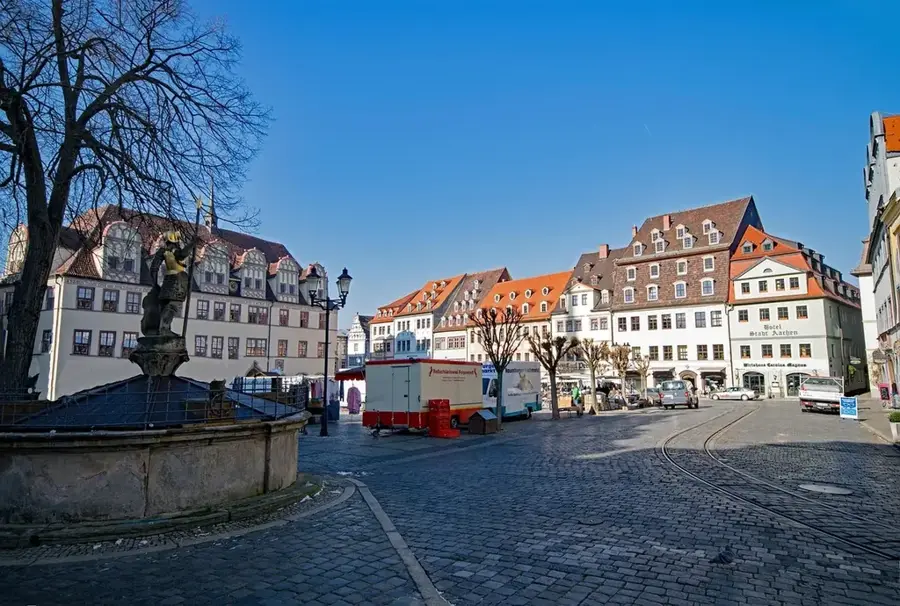
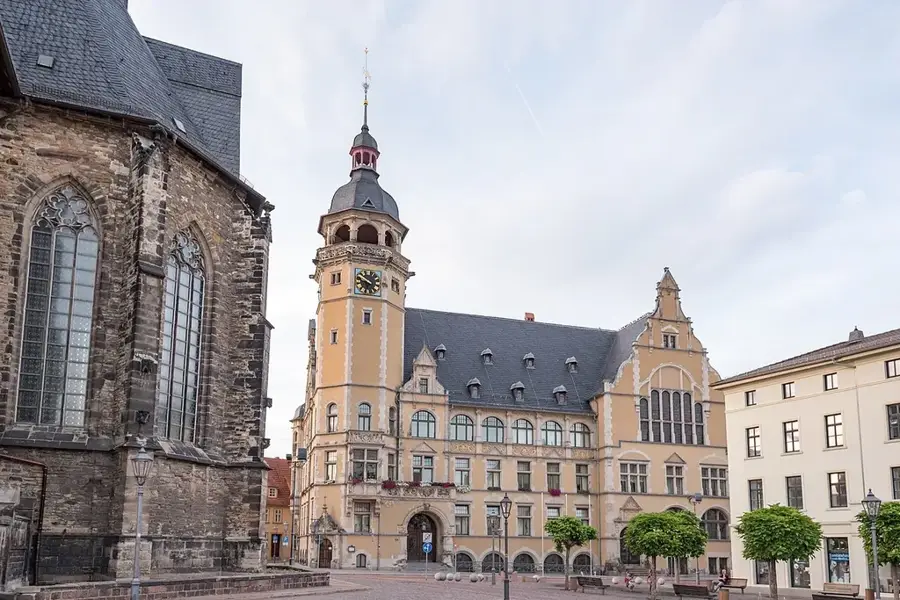
Köthen (Anhalt) is a city with an exceptionally dense cultural history. As the former residence of the Princes of Anhalt-Köthen, the city experienced its most brilliant era in the 18th century, when Johann Sebastian Bach served as Capellmeister and created many of his world-famous instrumental works. However, Köthen is not only a city of music; it is also considered the world capital of homeopathy, as Samuel Hahnemann worked here for many years and formalized his teachings. The cityscape is dominated by the extensive castle grounds, which now house museums dedicated to city history, Bach, and homeopathy. Another historical milestone was the founding of the Fruitbearing Society in 1617, the first German language academy. Today, Köthen is a modern university town hosting the Anhalt University of Applied Sciences, maintaining a lively connection between its venerable tradition and technological future.

Best time to visit & climate

The most pleasant time to visit is Jun–Aug.

JanFebMarAprMayJunJulAugSepOctNovDec
Avg °C014914182020151051
Rain mm513439305752775851464848

Geography

Population
28,710
Coordinates
51.75110, 11.97360

Facts

  • Johann Sebastian Bach worked here from 1717 to 1723.
  • Samuel Hahnemann lived and conducted research here from 1821 to 1835.
  • Population stands at about 25,000 people.
  • The Fruitbearing Society was founded in 1617.
  • The castle houses the significant Naumann Museum of Ornithology.
  • Located in the fertile Köthen Plain region.

Explore nearby

Notable places around

Route planner — Car & Motorhome

Where do you start? We build the route here, with stops and country notes along the way.

Vehicle
Only stops with (optional):

© OpenStreetMap contributors · OpenRouteService

Sights in the town Köthen (8)

Köthen Castle

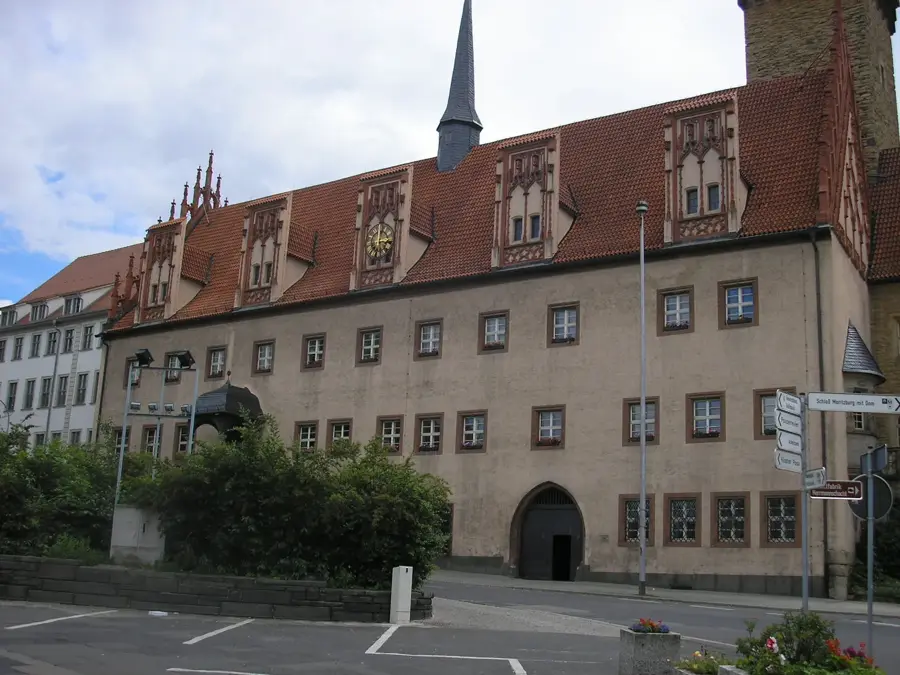
This Baroque castle complex was where J.S. Bach worked and now houses several local museums.

St. James Church

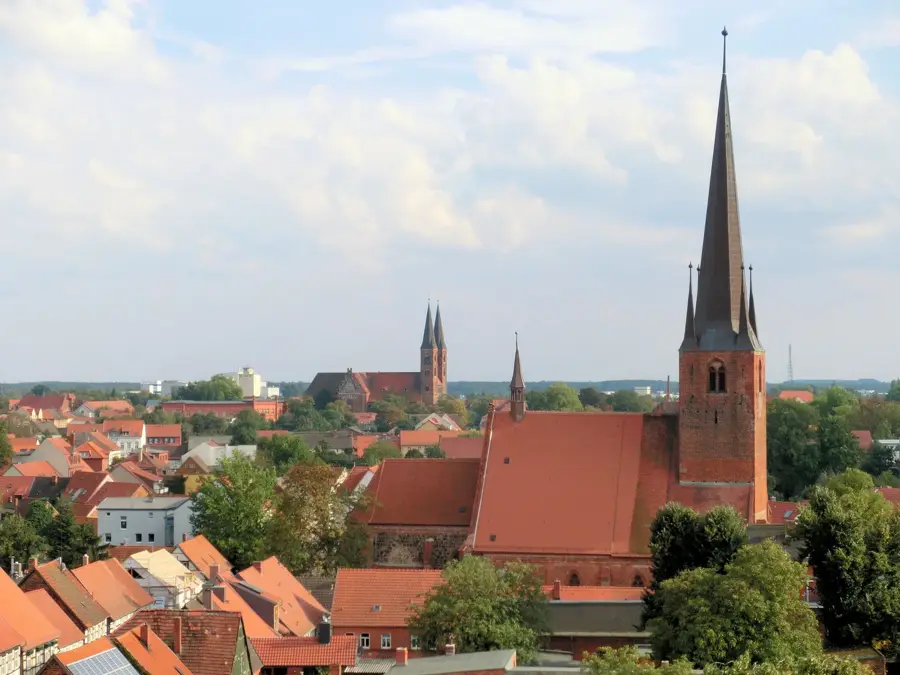
A prominent Gothic church in the town center that features the historic crypt of the princes.

Naumann Museum

The world's only museum for the history of ornithology, showcasing famous bird collections.

🕒 Tu-Su 10:00-17:00

Hallescher Turm

This striking defensive tower was part of the medieval city walls and now hosts exhibitions.

Mitteldeutsches Sanitätsmuseum🏛 museum

Museum documenting the history of medical services and emergency care in Central Germany.

🕒 Mo-Su 14:00-18:00

Hahnemannhaus Köthen🏛 museum

Former residence of Samuel Hahnemann, the founder of homeopathy, in Köthen.
🕒 We 12:00-15:00; Sa[1] 10:00-12:00

Köthener Badewelt👨‍👩‍👧 family

Leisure pool facility with various swimming areas, slides, and a spacious sauna section.

Tierpark Köthen👨‍👩‍👧 family

Local zoo housing over 800 animals in naturalistic enclosures.

Frequently asked questions

What did Johann Sebastian Bach have to do with Köthen?
Bach worked as a kapellmeister at the Köthen court from 1717 to 1723. Significant works such as the Brandenburg Concertos were composed here.
What can you visit in Köthen Castle?
Visitors can see the Bach memorial, the state rooms, and the Historical Museum. The Naumann Museum (ornithology) is also located there.
Why is Köthen important for homeopathy?
Samuel Hahnemann, the founder of homeopathy, lived and practiced in Köthen for many years. The city is considered the 'world capital of homeopathy'.
What is the significance of St. Jakob Church?
The Gothic church houses the princely crypt. Bach was often active here; today, Bach concerts take place there regularly.
What is the Fruitbearing Society?
It was Germany's first language academy, founded in Köthen in 1617. It was dedicated to the maintenance and renewal of the German language.
Köthen: where is it located?
Köthen is located in Saxony-Anhalt, Germany.
Köthen: what is there to see?
Highlights include Köthen Castle, St. James Church, Naumann Museum.
Köthen: when is the best time to visit?
The most pleasant time to visit is Jun, Aug.
Köthen: why is it worth visiting?
Köthen (Anhalt) is a city with an exceptionally dense cultural history.
View on map → The Top 50 Attractions → Most beautiful beaches → OpenStreetMap →
Europe
Explore with Plizio Discover more places in Europe
More places in Germany →

Nearby cities