Wermelskirchen Autumn Fair
A folk festival over 400 years old that fills the town centre for five days. Highlights include the barrel tapping, a twelve-hour concert and fireworks, with over 100 fairground operators and around 150 market traders.
Plizio Visual Lab
A lavish traditional coffee spread with waffles, rice pudding, dark bread, and more. Look for historic country inns in the surrounding area.
A hearty slice of dark bread with smoked sausage and onions that you should try in traditional bakeries or rustic pubs.
Classic waffles with hot cherries and cream. Many cafes in the center offer this sweet specialty.
The city's bustling shopping street featuring a mix of chain stores and small, owner-operated shops.
Drive a bit outside the city to buy fresh eggs, meat, and vegetables directly from local farms.
A beautiful, wooded river valley, handy for relaxing walks far away from traffic.
One of Germany's largest drinking water reservoirs. The shore paths offer absolute peace and glorious nature.
Water temperature…
A folk festival over 400 years old that fills the town centre for five days. Highlights include the barrel tapping, a twelve-hour concert and fireworks, with over 100 fairground operators and around 150 market traders.
The smaller spring fair takes place around three months before the large autumn fair, bringing rides and festive bustle to the town centre.
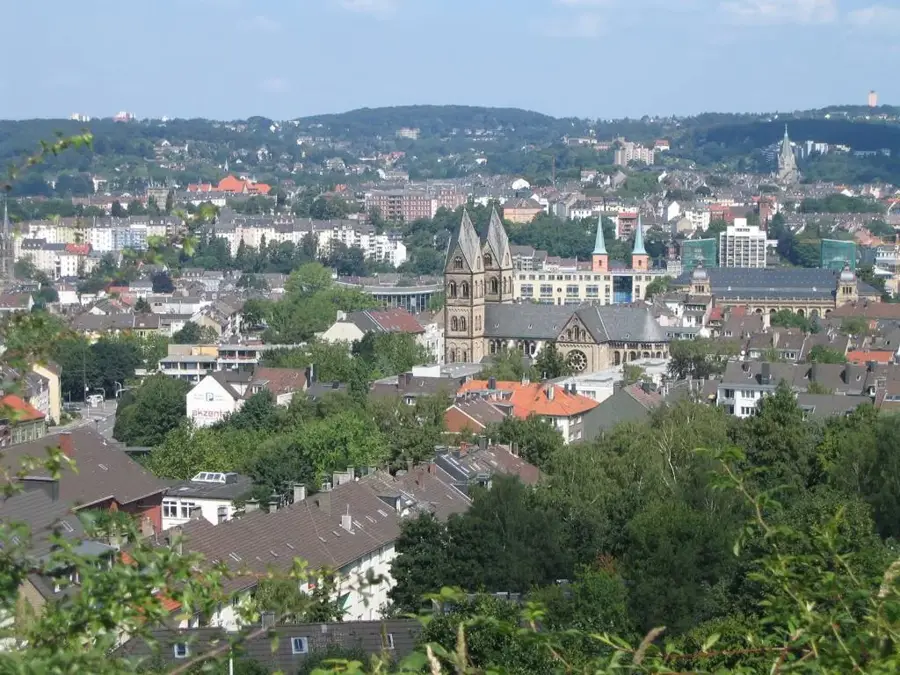
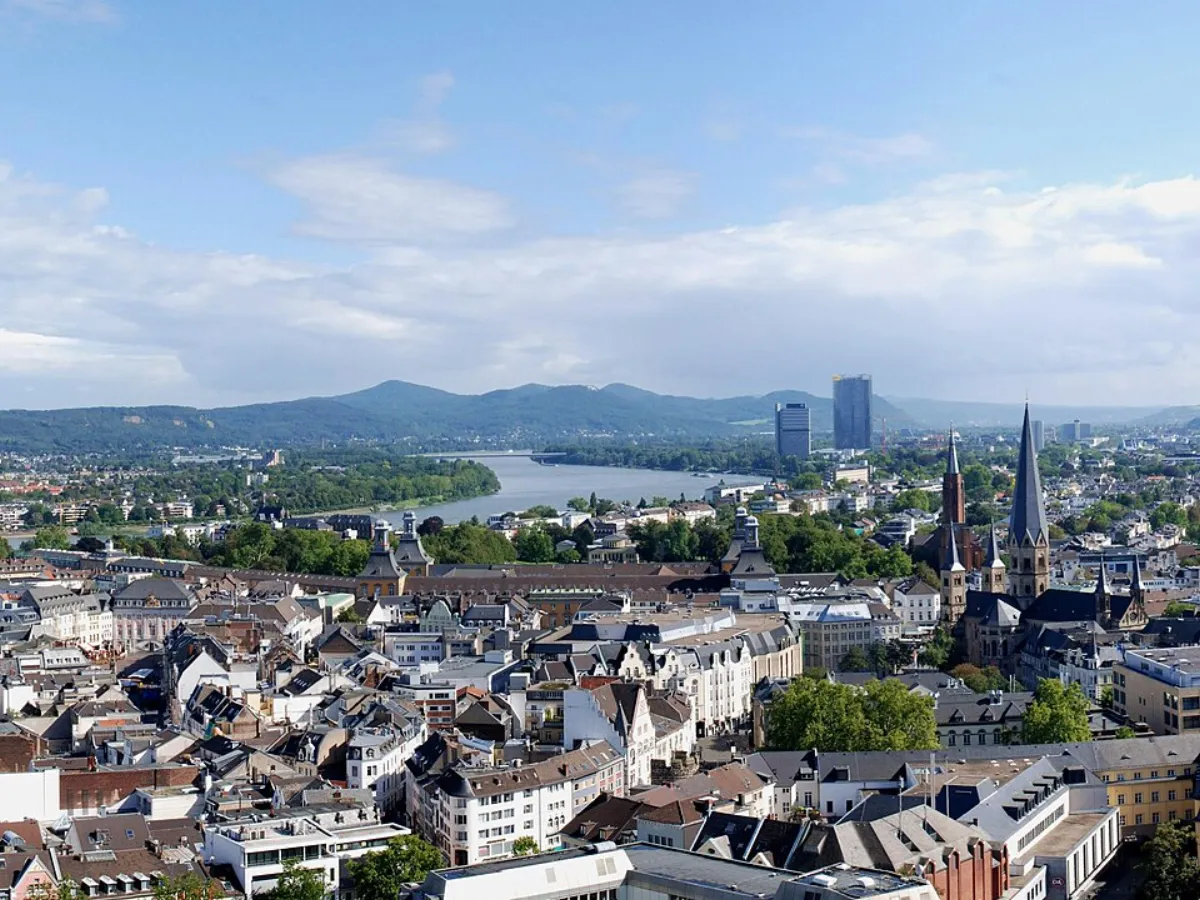
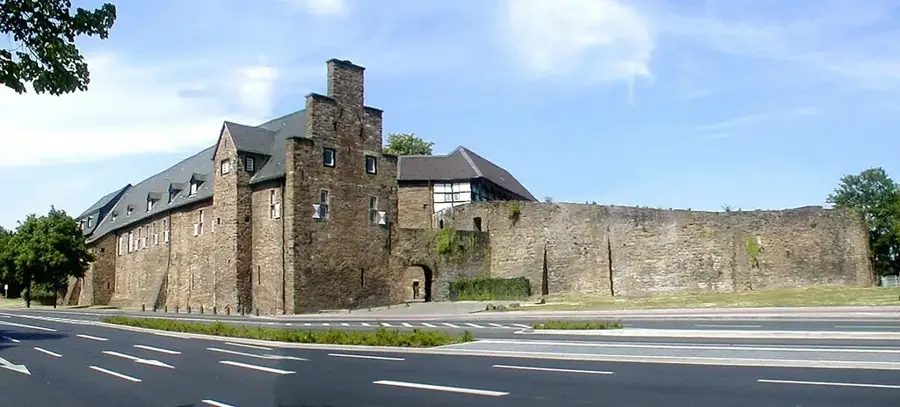
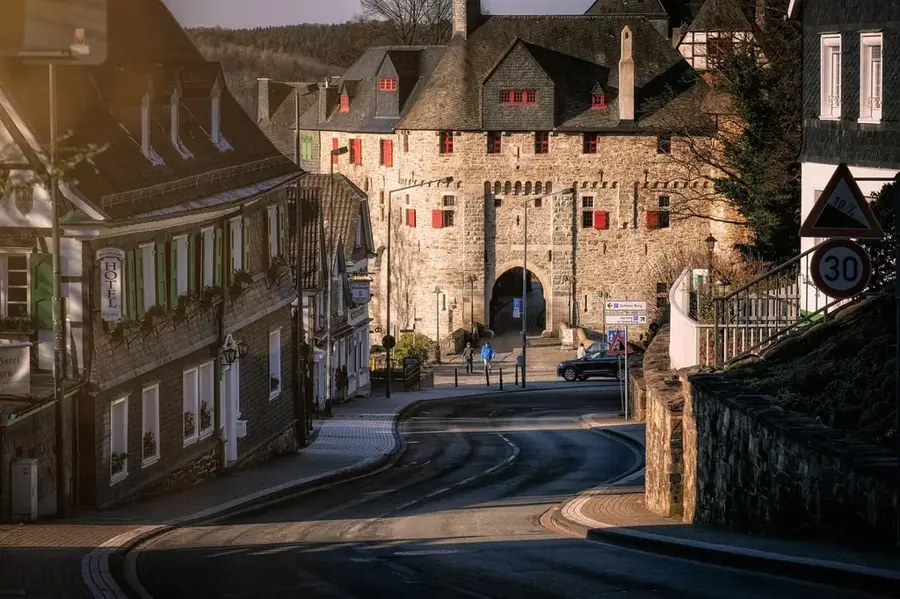
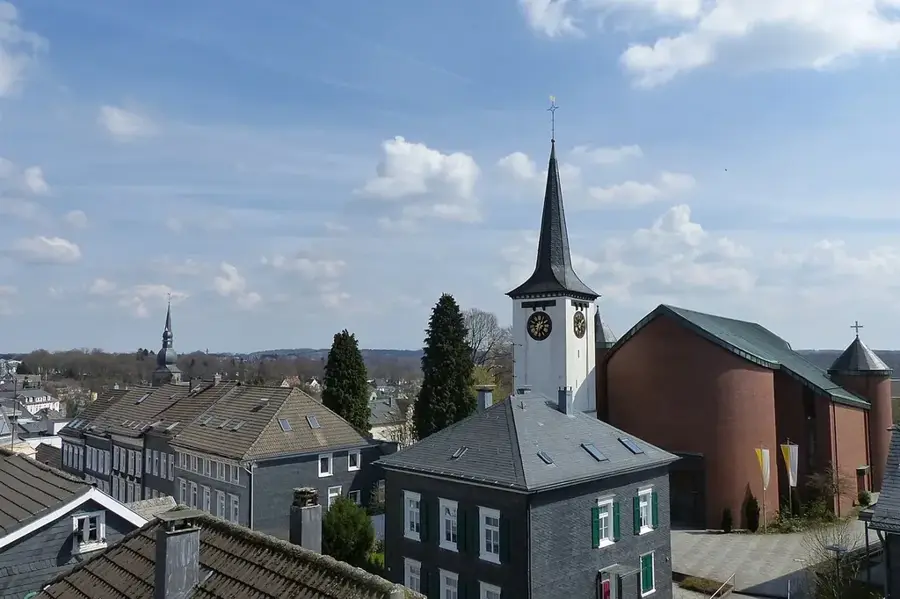
Wermelskirchen is positioned in the heart of the Bergisches Land and embodies the quintessential charm of this low mountain range. The city is widely renowned for a botanical giant: the massive sequoia tree in the market square, which is illuminated every year as Germany's largest living Christmas tree. Historically, the town was a prominent center for the textile and shoe industries, which established its prosperity in earlier centuries. To this day, the city center and surrounding villages feature numerous characteristic half-timbered houses, clad in black slate with distinctive green shutters. Geographically, Wermelskirchen benefits from its proximity to the Dhünn Reservoir, Germany's second-largest drinking water reservoir and a favorite destination for hikers. The city has a high quality of life by merging rural tranquility with convenient access to the nearby metropolitan areas of Cologne, Düsseldorf, and Wuppertal, making it a sought-after residential location.
The most pleasant time to visit is Jun–Aug.
| Jan | Feb | Mar | Apr | May | Jun | Jul | Aug | Sep | Oct | Nov | Dec | |
|---|---|---|---|---|---|---|---|---|---|---|---|---|
| Avg °C | 1 | 2 | 5 | 10 | 13 | 17 | 19 | 19 | 15 | 11 | 6 | 2 |
| Rain mm | 74 | 62 | 59 | 44 | 64 | 68 | 75 | 79 | 57 | 61 | 71 | 77 |
Notable places around
Where do you start? We build the route here, with stops and country notes along the way.
© OpenStreetMap contributors · OpenRouteService