Plizio Visual Lab

Wimbachgries
Plizio editorial teamData Sources
valley
—°4
Wimbachgries (Germany)

Weather…

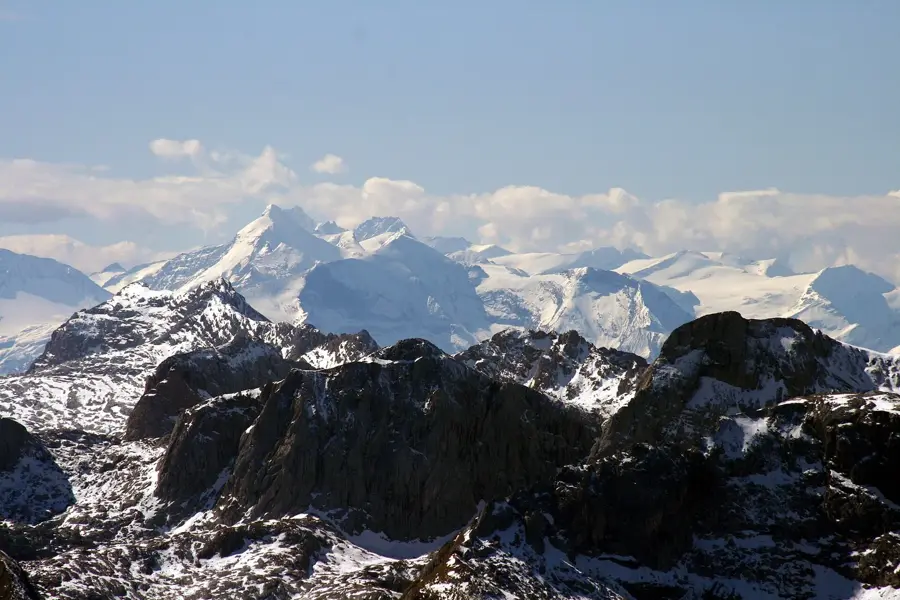
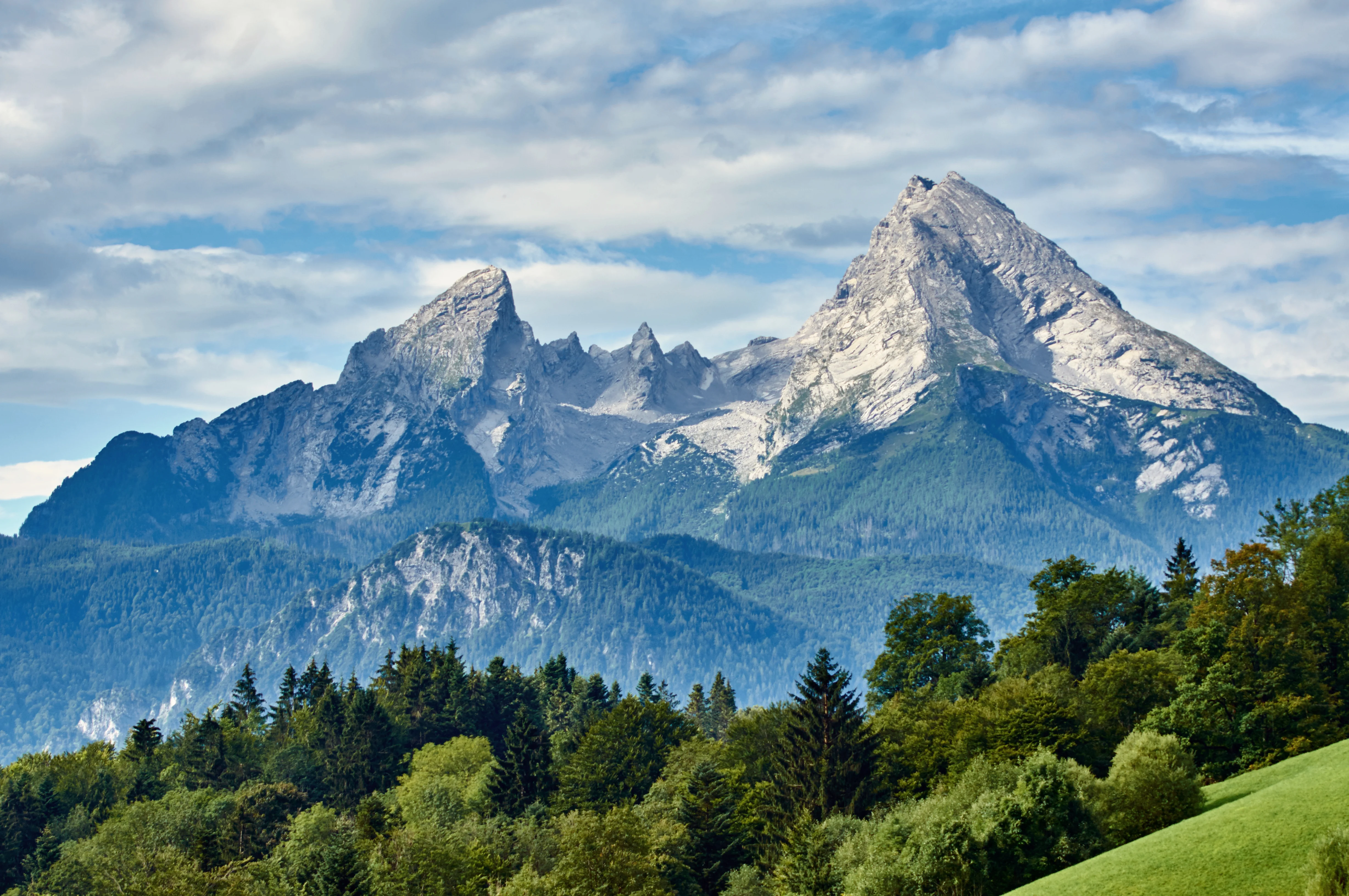
Wimbachgries is an impressive geological phenomenon in the Berchtesgaden National Park and extends as a massive debris flow over a length of about ten kilometers. It is a deeply cut high valley between the mountain massifs of the Watzmann and the Hochkalter, filled with a layer of limestone debris up to 300 meters thick. This debris originates from the constant erosion of the surrounding peaks and moves slowly down the valley. A special feature is that the Wimbach stream flows underground within the loose rock for long stretches and only emerges at the valley entrance in the spectacular Wimbachklamm gorge. The landscape of the Gries is barren and almost treeless, giving it an almost unreal, desert-like appearance. Hikers value the area for its unique geomorphology and pristine alpine nature. Wimbachgries serves scientists as a significant research site for studying erosion processes in the Alps.

Best time to visit & climate

The most pleasant time to visit is Jun–Aug.

JanFebMarAprMayJunJulAugSepOctNovDec
Avg °C-5-405101415151171-3
Rain mm917289851511761841841351027682

📋 Practical info

🧭
Getting there
The entrance to this dramatic alpine valley is typically reached via the nearby national park gateway towns, usually starting with a steady walk from the designated access points in the valley below.
📅
Best season
The snow-free months from late spring to early autumn are by far the safest and most visually spectacular times to traverse this unique, high-alpine environment without specialized winter gear.
⛰️
Terrain & paths
This distinctive valley is famous for its massive expanse of loose scree and gravel, bordered by towering rock faces, meaning the central path is relatively flat but consistently rocky underfoot.
🎒
What to bring
Heavy-duty alpine hiking boots with stiff soles are absolute necessities to comfortably handle the relentless gravel, alongside sun protection and plenty of water for the exposed, unshaded valley.
🅿️
Parking
Official national park parking lots are typically available at the valley entrance, requiring an early arrival during the peak summer months to secure a spot before embarking on your hike.
⚠️
Safety
Stick rigorously to the established paths through the scree to avoid disturbing the fragile alpine ecosystem, and remain vigilant for sudden mountain storms which can cause rapid temperature drops.
⏱️
Time needed
A comprehensive hike through the valley to the upper huts and back generally demands a full day of sustained walking, though shorter, out-and-back trips can be tailored to a comfortable half-day.

Geography

Coordinates
47.57500, 12.87500

Facts

  • Debris flow length about 10 km
  • Debris layer up to 300 m thick
  • Located between Watzmann and Hochkalter
  • Wimbach stream flows mostly underground
  • Entrance via the Wimbachklamm gorge
  • Part of Berchtesgaden National Park

Explore nearby

Notable places around
Route planner — Car & Motorhome

Where do you start? We build the route here, with stops and country notes along the way.

Vehicle
Only stops with (optional):

© OpenStreetMap contributors · OpenRouteService

Sights in the town Wimbachgries (4)

Nationalpark-Informationsstelle Hintersee "Klausbachhaus"🏛 museum

Information center of the Berchtesgaden National Park located in a historic forester's house.

Schärtenspitze📍 landmark

A prominent mountain peak in the Berchtesgaden Alps near Ramsau.

Blaueisspitze📍 landmark

A peak in the Berchtesgaden Alps, known for the adjacent Blaueis glacier.

Ofentalhörnl📍 landmark

A mountain peak in the Hochkalter massif of the Berchtesgaden Alps.

Sights nearby

Frequently asked questions

What is the Wimbachgries?
A vast debris flow valley in the Berchtesgaden National Park, characterized by massive gravel deposits.
How strenuous is the hike?
The hike into the valley is moderately steep but requires good fitness due to the loose gravel surface.
Do you have to pay for access?
Access to the valley is free; only the Wimbachklamm gorge at the valley entrance requires a fee.
Are there places to eat?
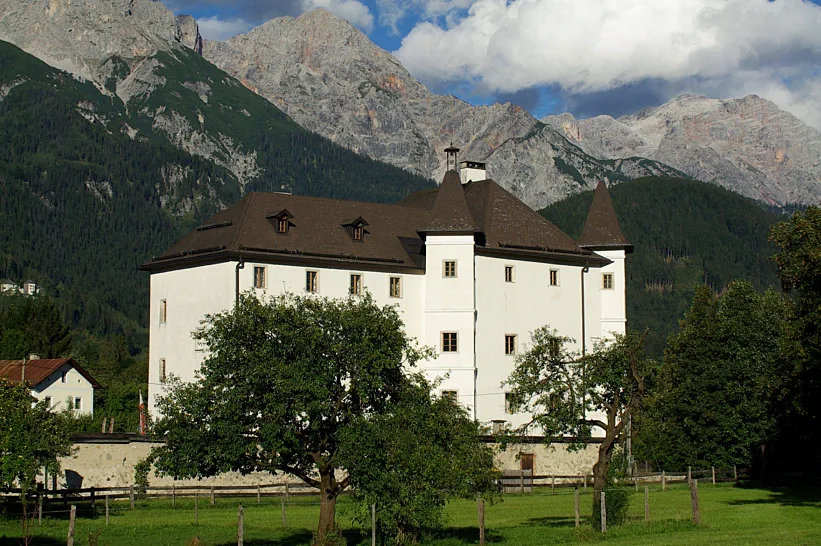
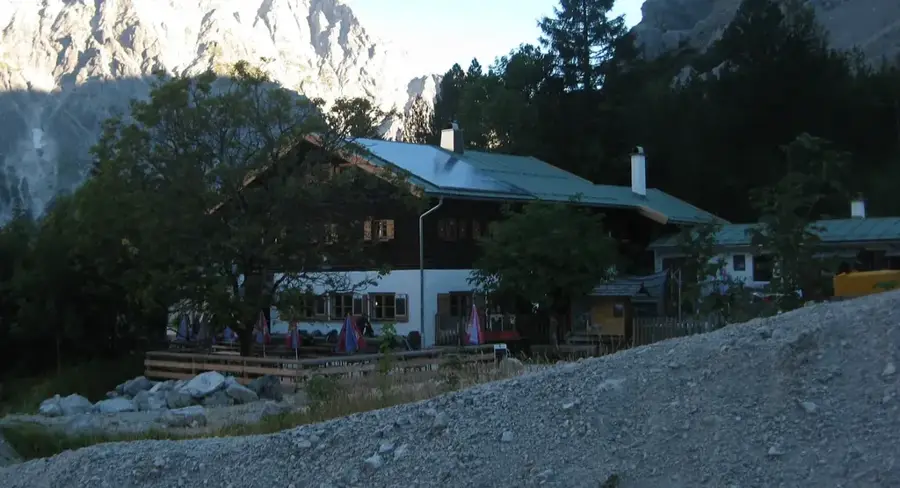
Yes, the Wimbachschloss (former hunting lodge) and the Wimbachgrieshütte mountain hut offer refreshments.
Where is the best place to park?
At the large Wimbachbrücke hiking car park in Ramsau near Berchtesgaden.
Wimbachgries: where is it located?
Wimbachgries is located in Bavaria, Germany.
Wimbachgries: what is there to see?
Highlights include Nationalpark-Informationsstelle Hintersee "Klausbachhaus", Schärtenspitze, Blaueisspitze.
Wimbachgries: when is the best time to visit?
The most pleasant time to visit is Jun, Aug.
Wimbachgries: why is it worth visiting?

Wimbachgries is an impressive geological phenomenon in the Berchtesgaden National Park and extends as a massive debris flow over a length of about ten kilometers.
View on map → The Top 50 Attractions → Most beautiful beaches → OpenStreetMap →
Europe
Explore with Plizio Discover more places in Europe
More places in Germany →

Nearby cities