Plizio Visual Lab

Tbilisi Botanical Garden
Plizio editorial teamData Sources
park
—°3
Tbilisi Botanical Garden (Georgia)

Weather…

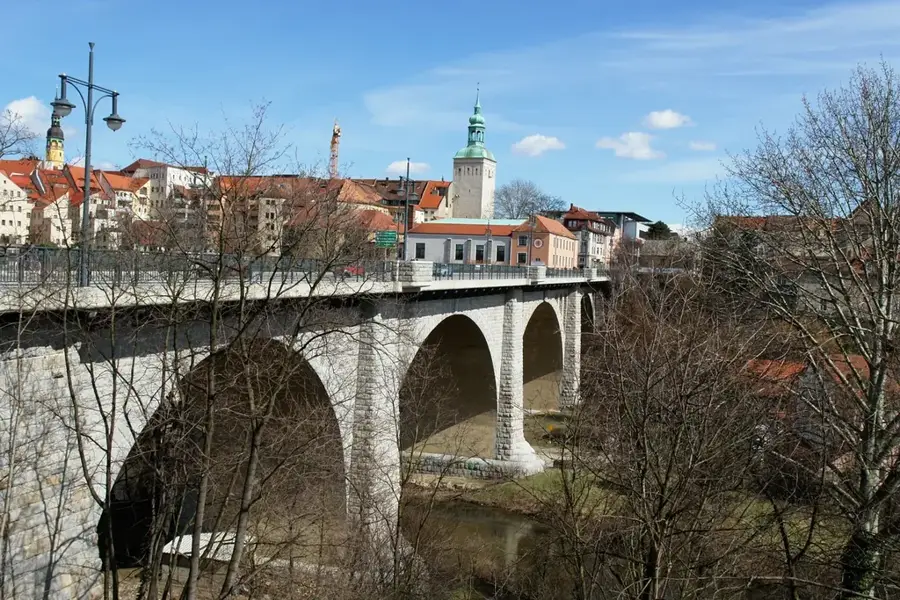
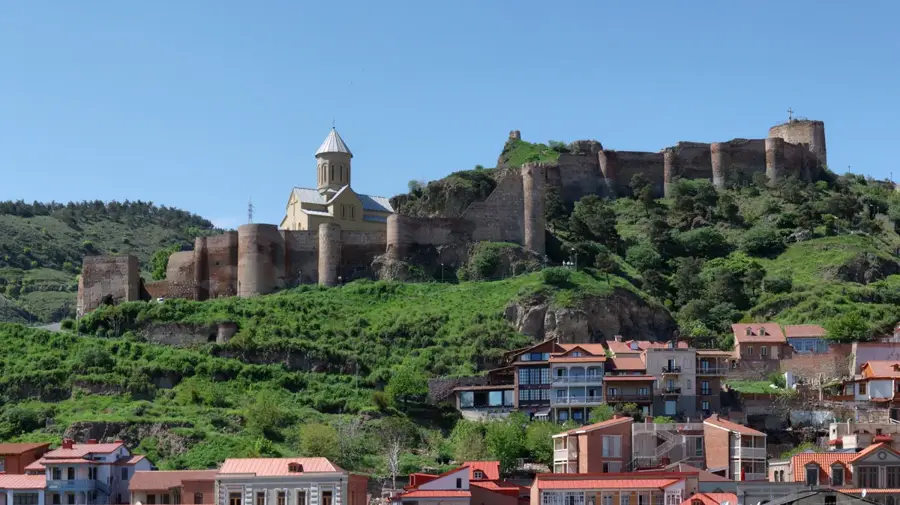
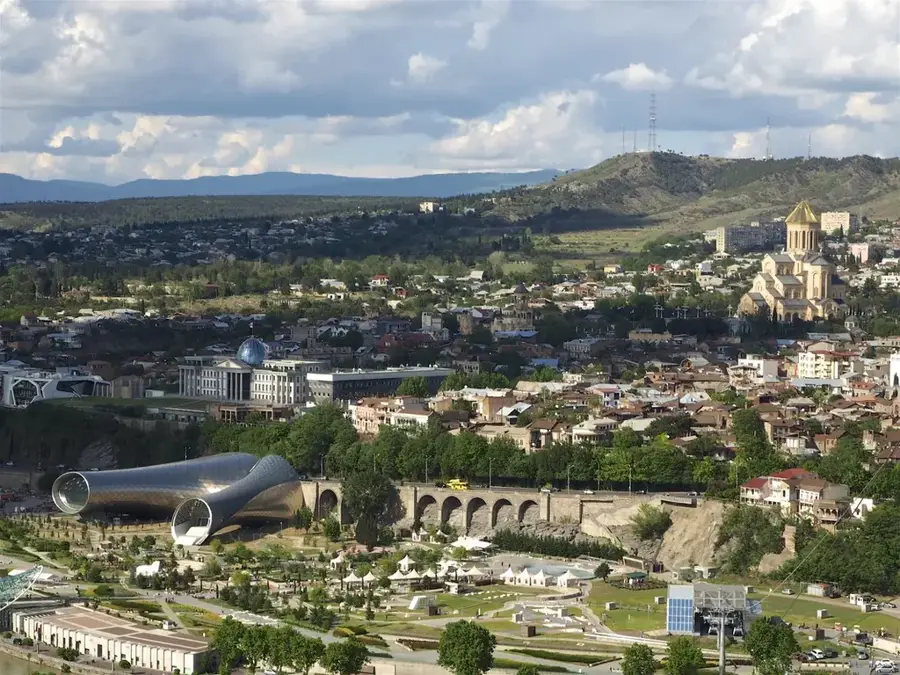
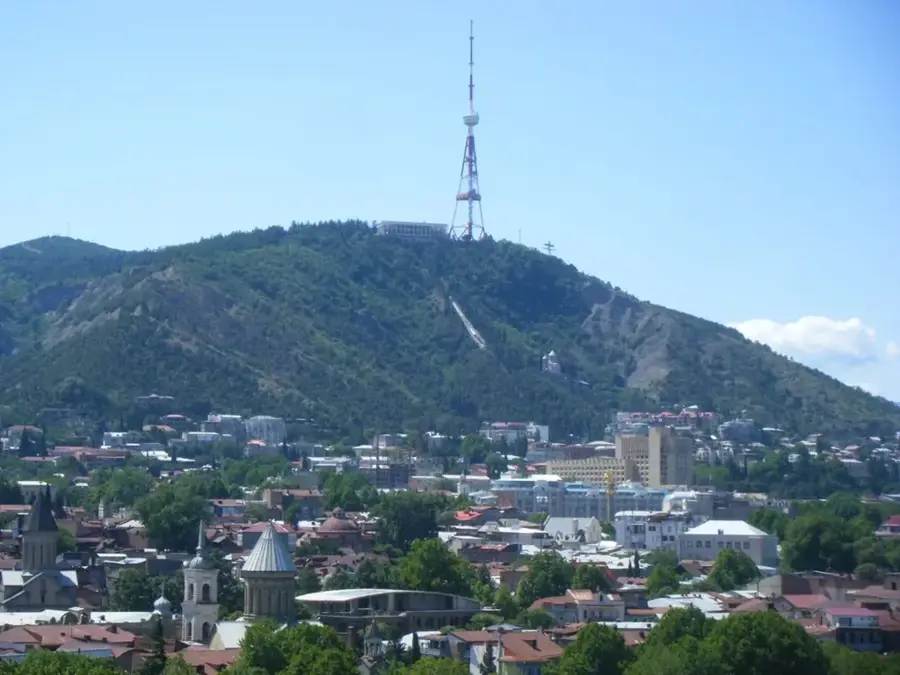
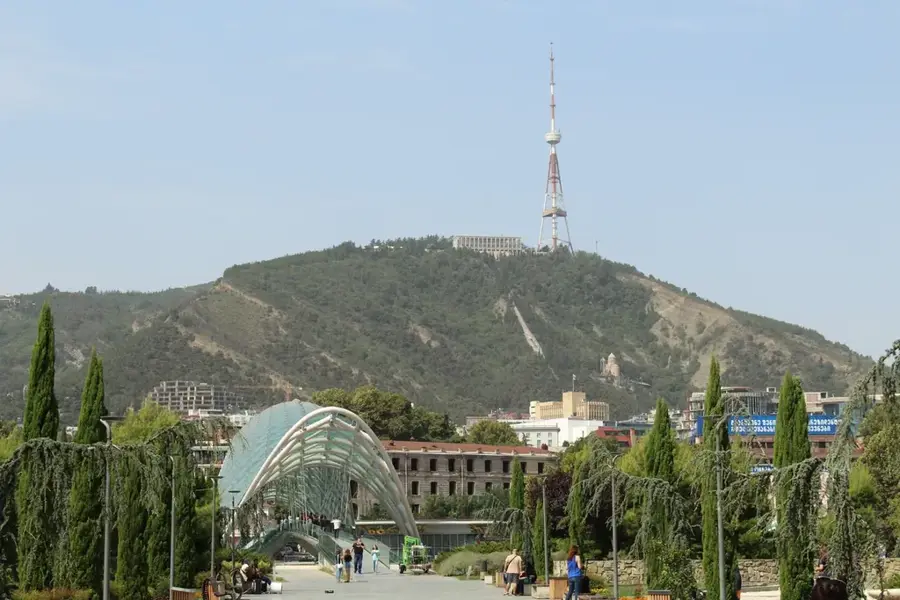
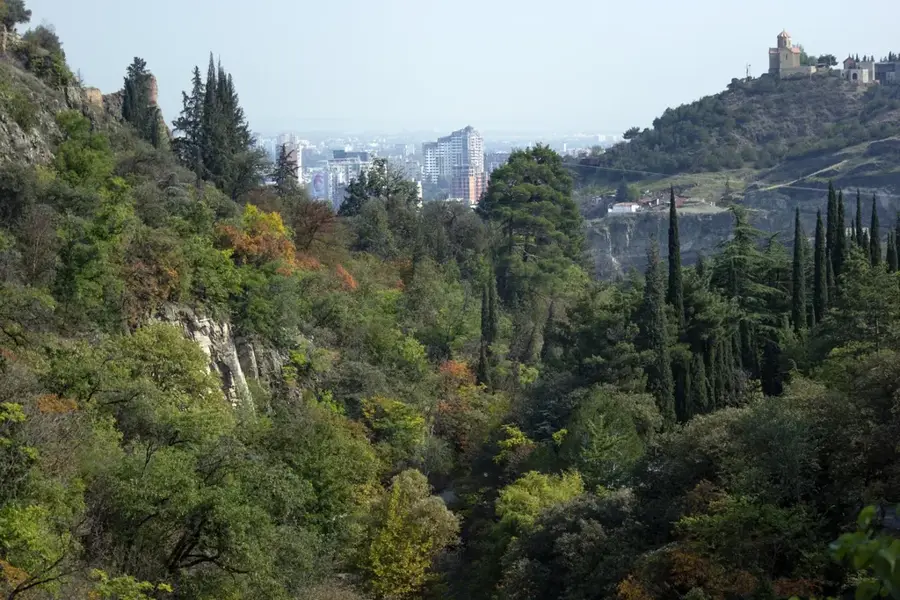
The Tbilisi Botanical Garden, officially known as the National Botanical Garden of Georgia, is located in the historic center of the capital within the scenic Tsavkisistskali River gorge at the foot of the Narikala Fortress. With a history stretching back to the 17th century as a royal garden, it was officially established as a scientific institution in 1845. The garden spans 161 hectares and houses an impressive collection of over 4,500 plant species from the Caucasus and around the world. Architectural highlights include an elegant arched bridge over the river and a spectacular 20-meter-high waterfall located in the heart of the grounds. Beyond its role in botanical research and species conservation, the garden serves as a vital green lung for the city, offering tranquil areas and educational programs. Its terraced layout showcases masterful landscape design and reflects Georgia's long-standing botanical heritage.

Best time to visit & climate

The most pleasant time to visit is Jun, Aug, Sep.

JanFebMarAprMayJunJulAugSepOctNovDec
Avg °C1371218232626201472
Rain mm181728495849272725382517

📋 Practical info

🧭
Getting there
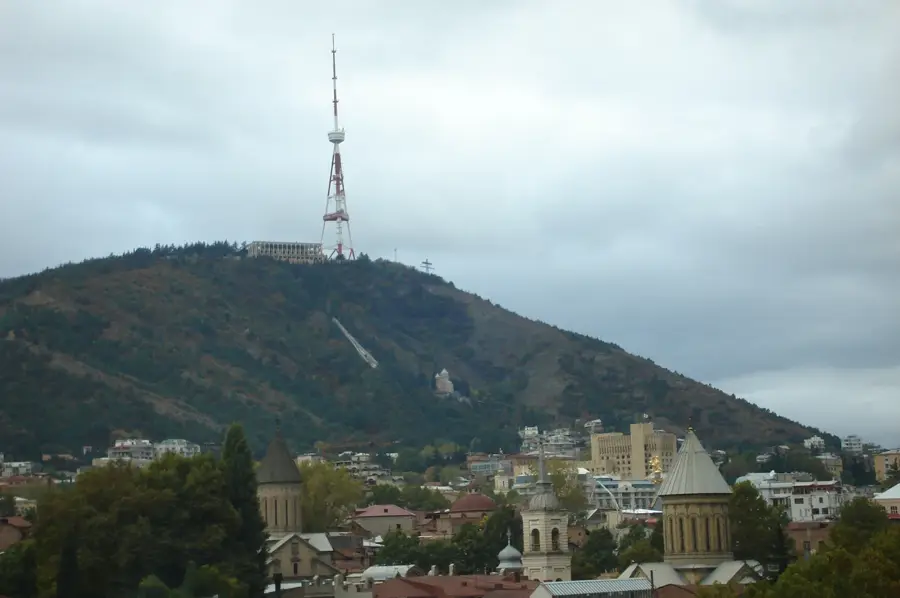
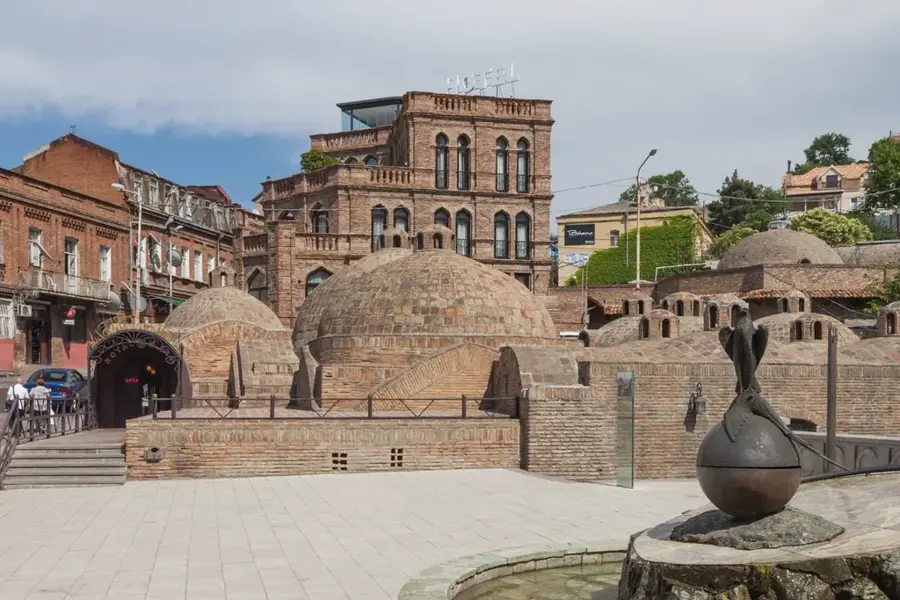
The primary entrance is dramatically situated just behind the imposing Narikala Fortress, reachable by a steep uphill walk from the old town or a scenic cable car ride. Another quieter entrance exists near the traditional Abanotubani sulfur baths.
📅
Best season
Springtime bursts with spirited blooming collections, while autumn paints the deep gorge in spectacular shades of gold and red. The thick canopy of ancient trees provides a very welcome, shaded refuge from the often oppressive mid-summer heat.
⛰️
Terrain & paths
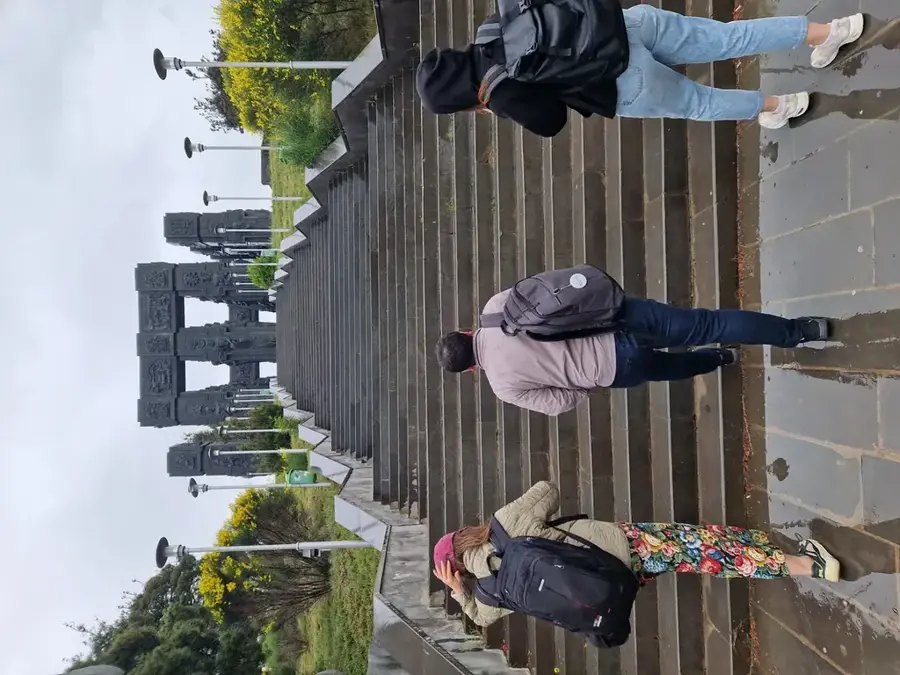
The landscape spans a dramatic, steep-sided river gorge featuring a striking mixture of well-maintained paved paths and rougher, winding dirt trails. Expect numerous staircases, significant elevation changes, and a large natural waterfall area.
🎒
What to bring
Comfortable, supportive walking shoes are absolutely mandatory due to the extensive climbing required to explore the upper terraces. Carrying a reusable water bottle is highly advised, particularly when navigating the steep steps under the sun.
🅿️
Parking
Public parking directly adjacent to the high entrances is notoriously scarce and navigating the narrow historic streets can be frustrating. The smartest approach is to take a taxi directly to the gate or walk up from the lower city districts.
⚠️
Safety
Visitors must stick rigidly to the marked trails, especially when wandering near the dramatically sheer, unfenced edges of the deep gorge. The natural stone surfaces around the main waterfall naturally become very slippery due to the constant spray.
⏱️
Time needed
A brief overview covering just the lower gardens and the main waterfall can be satisfyingly completed in about two hours. True plant enthusiasts and avid walkers regularly dedicate an entire afternoon to thoroughly traverse the upper ridge networks.

Geography

Coordinates
41.68530, 44.80550

Facts

  • Officially established on May 1, 1845, as a botanical institution.
  • The garden covers a total area of approximately 161 hectares.
  • Home to a diverse collection of over 4,500 plant taxa.
  • Features a landmark 20-meter-high waterfall within its gorge.
  • Houses a significant national herbarium with thousands of records.
  • Located directly beneath the historic Narikala Fortress walls.

Explore nearby

Notable places around
Route planner — Car & Motorhome

Where do you start? We build the route here, with stops and country notes along the way.

Vehicle
Only stops with (optional):

© OpenStreetMap contributors · OpenRouteService

Sights in the town Tbilisi Botanical Garden (3)

Forgotten Fruit Alley📍 landmark

This attraction in ge-tbilisi-botanical-garden-life-v2 is an alley planted with rare and forgotten fruit tree varieties.

National Botanical Garden📍 landmark

This heritage-listed botanical attraction in ge-tbilisi-botanical-garden-life-v2 dates back to the 1700s.

🕒 Mo-Su 09:00-19:30💶

Rosarium📍 landmark

This floral attraction in ge-tbilisi-botanical-garden-life-v2 features a specialized garden dedicated entirely to diverse rose bushes.

🆓

Sights nearby

Frequently asked questions

How much is the entrance fee?
The entrance fee for adults is approximately 4 GEL. Discounts are available for students and children.
When is the best time to visit?
Spring (May) for the blossoms and autumn (October) for the fall colors are the best times to visit.
Is there a waterfall in the garden?
Yes, there is an impressive 40-meter high waterfall with a bridge in front of it.
What are the opening hours?
The garden is open daily from 09:00 to 19:00, often staying open later during the summer.
Is the garden wheelchair accessible?
The main paths are paved, but there are many steep sections and stairs throughout.
Tbilisi Botanical Garden: where is it located?
Tbilisi Botanical Garden is located in Georgia.
Tbilisi Botanical Garden: what is there to see?
Highlights include Forgotten Fruit Alley, National Botanical Garden, Rosarium.
Tbilisi Botanical Garden: when is the best time to visit?
The most pleasant time to visit is Jun, Aug, Sep.
Tbilisi Botanical Garden: why is it worth visiting?

The Tbilisi Botanical Garden, officially known as the National Botanical Garden of Georgia, is located in the historic center of the capital within the scenic Tsavkisistskali River gorge at the foot of the Narikala Fortress.
View on map → The Top 50 Attractions → OpenStreetMap →
Asia
Explore with Plizio Discover more places in Asia
More places in Georgia →

Nearby cities

History & landmarks

More places