Plizio Visual Lab
Tqvarcheli
ℹ️Practical info — Tqvarcheli
▾
🌤 Weather — 5 days
📍 Nearby
Sights nearby
💡 Tips
- Always check the current entry requirements and travel advisories for the breakaway region of Abkhazia before visiting.
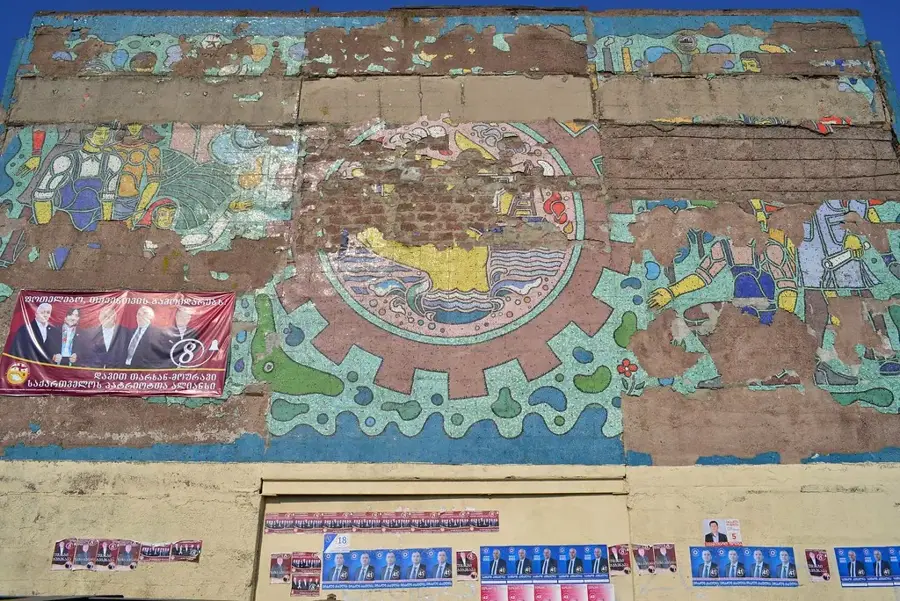
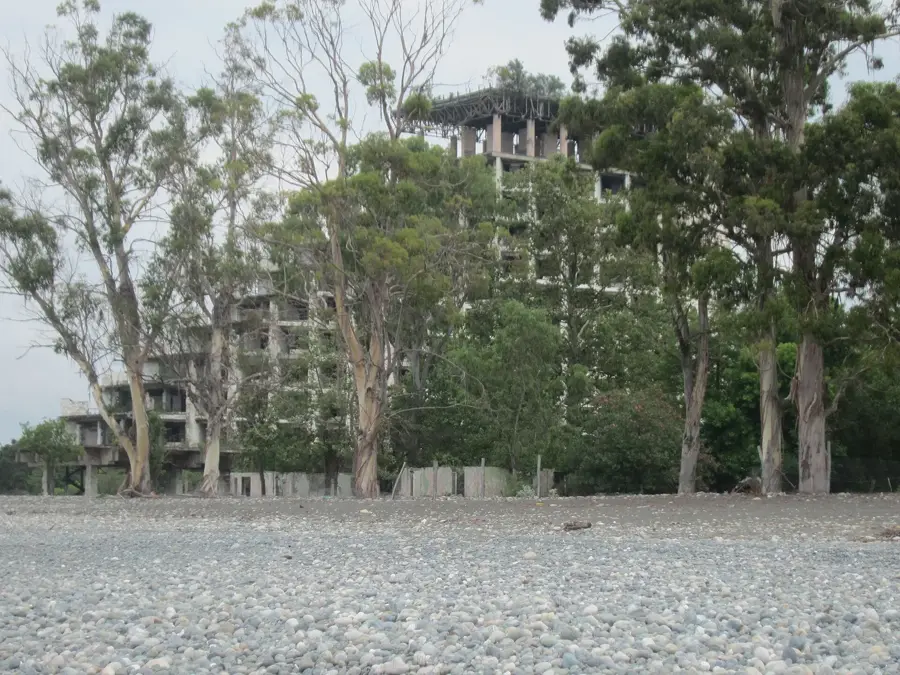
- Explore the surreal, abandoned Stalinist architecture that is slowly being reclaimed by the encroaching forest.
- It is highly recommended to hire a local driver or guide to navigate the area and ruins safely.
- Bring plenty of cash and your own supplies, as tourist infrastructure in this largely depopulated town is minimal.
🍽 Food
A very spicy and flavorful red paste. If you interact with locals, be sure to try the homemade version.
A thick cornmeal porridge similar to polenta, typically served as a staple alongside meat or cheese.
Making wine at home is deeply ingrained in Abkhazian culture; ask at small village shops to try some.
🛍 Shopping · 🧘 Quiet spots
Shopping is extremely limited. Support the few remaining residents by purchasing basic goods from small stalls.
Occasionally, locals sell jars of homemade spicy adjika paste, which makes for a highly authentic souvenir.
Visit this completely abandoned mining suburb for a profound, eerie silence among the decaying ruins.
Hire a 4x4 to visit the nearby Giant or Irina waterfalls, set deep within pristine, undisturbed nature.
Water temperature…
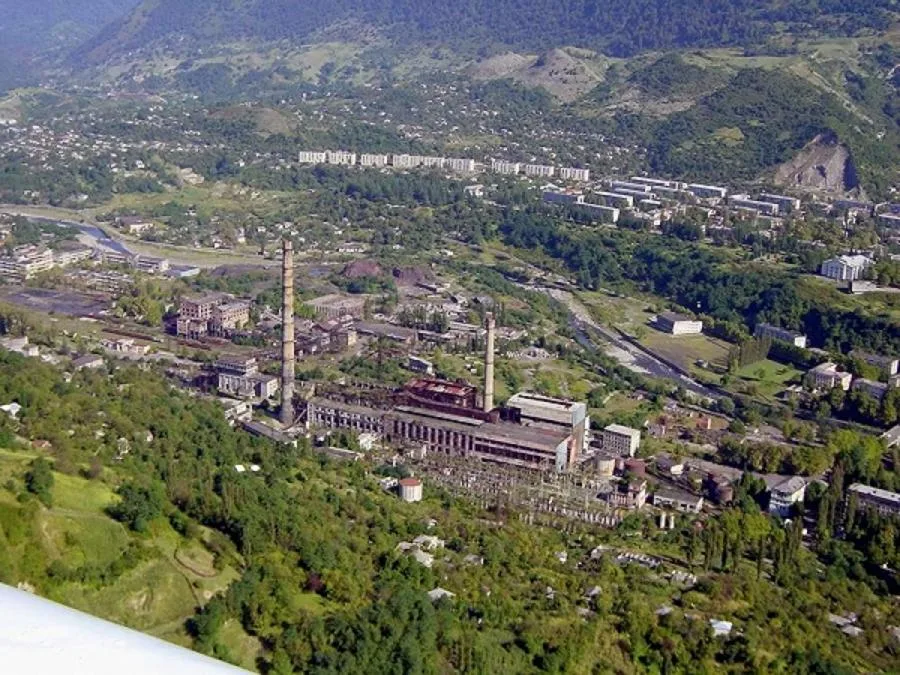
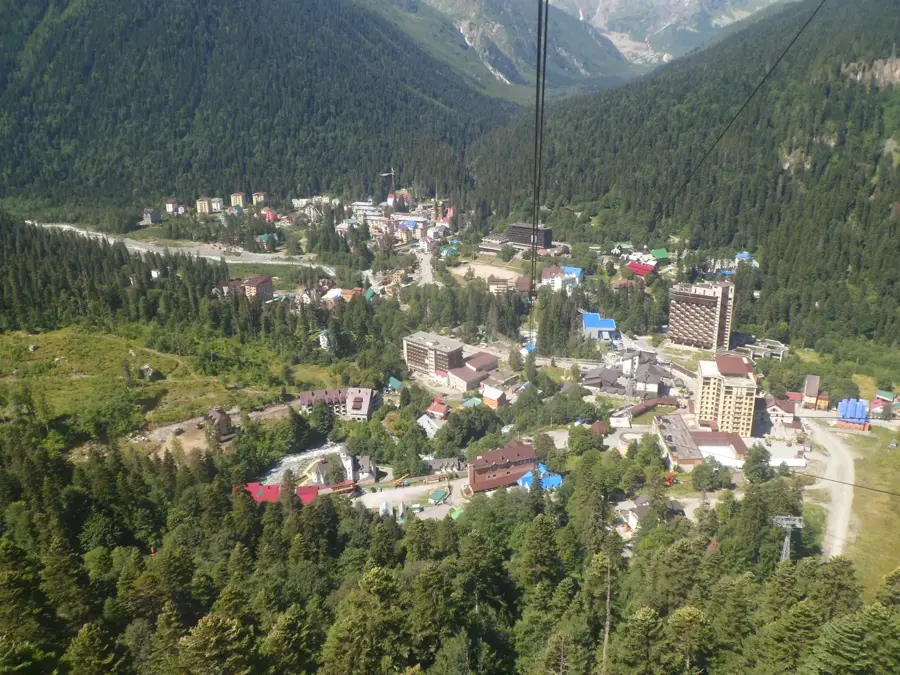
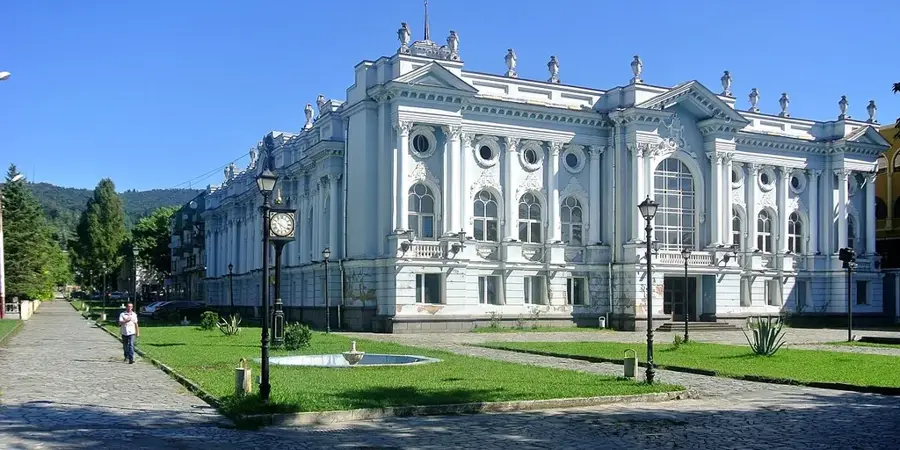
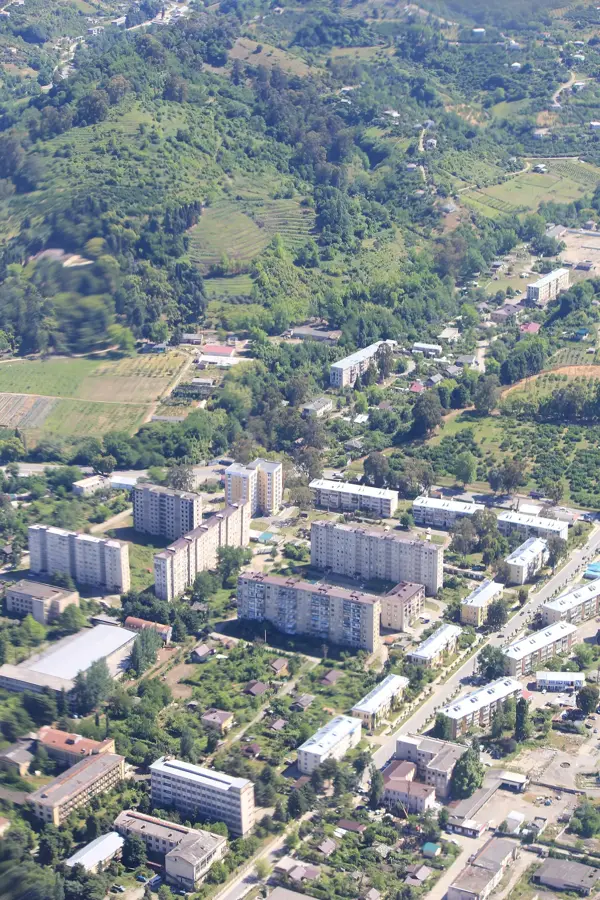
Tqvarcheli (Abkhaz: Tquarchal) is a small mountain town in the south-eastern part of the breakaway region of Abkhazia, recognised by Russia and claimed by Georgia, set in a narrow gorge of the Galidzga River at around 290 metres elevation and ringed by steep, densely forested ranges of the Greater Caucasus. The town was founded in 1942 as the central settlement for coal mining, with nearby seams supplying Soviet industry and railways. In the Soviet era its population grew to about 22,000 people, with a characteristic Stalinist-neoclassical built environment, a drama theatre, a palace of culture and a passenger ropeway shuttling miners between the town and the high-altitude pits. During the Georgian-Abkhaz war of 1992-1993 Tqvarcheli endured a 13-month siege; after the conflict many inhabitants left, and barely 5,000 people live there today. With its abandoned apartment blocks and silent industrial works, the town has the feel of an architectural ghost town and stands as a haunting monument to Soviet mining romanticism.
- Location: Georgia
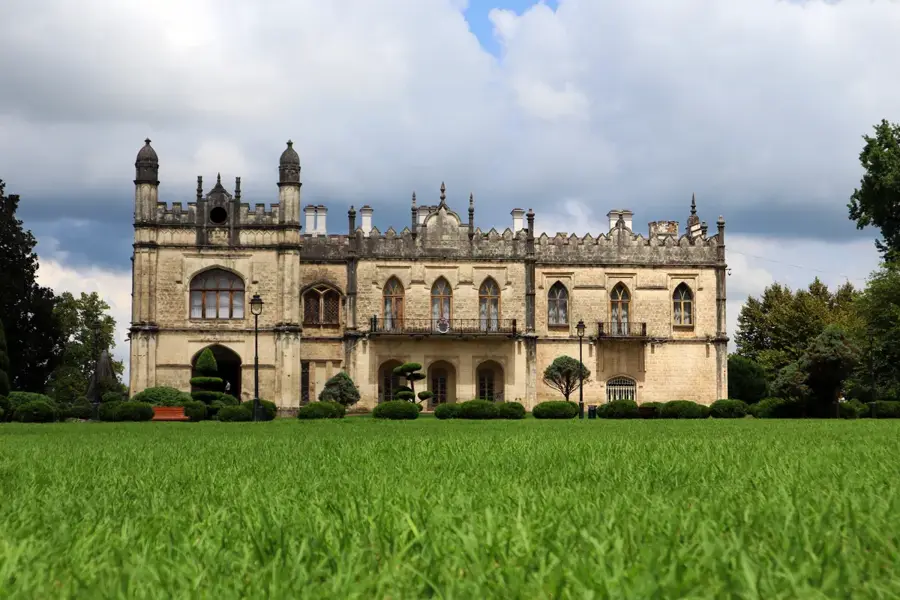
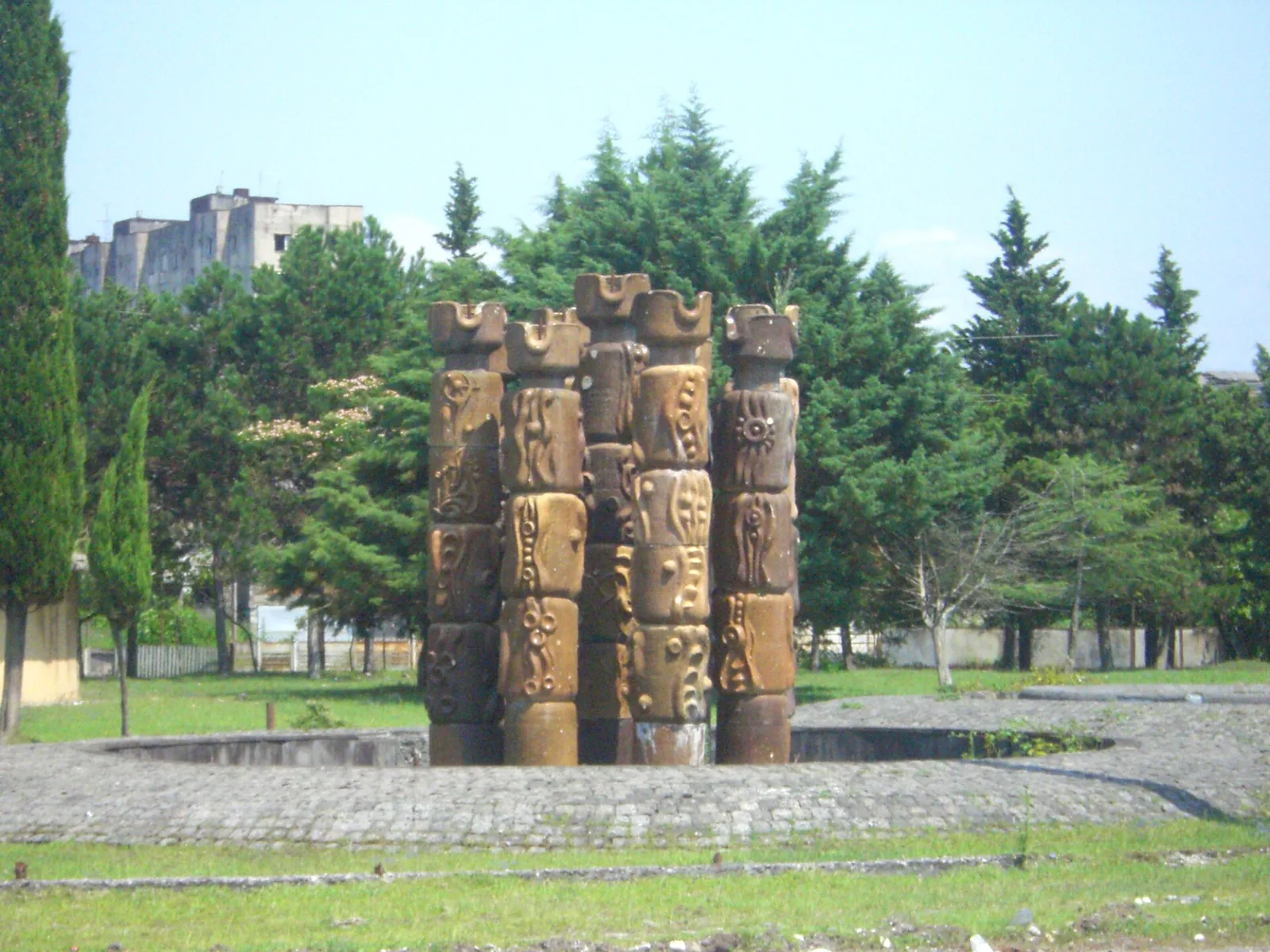
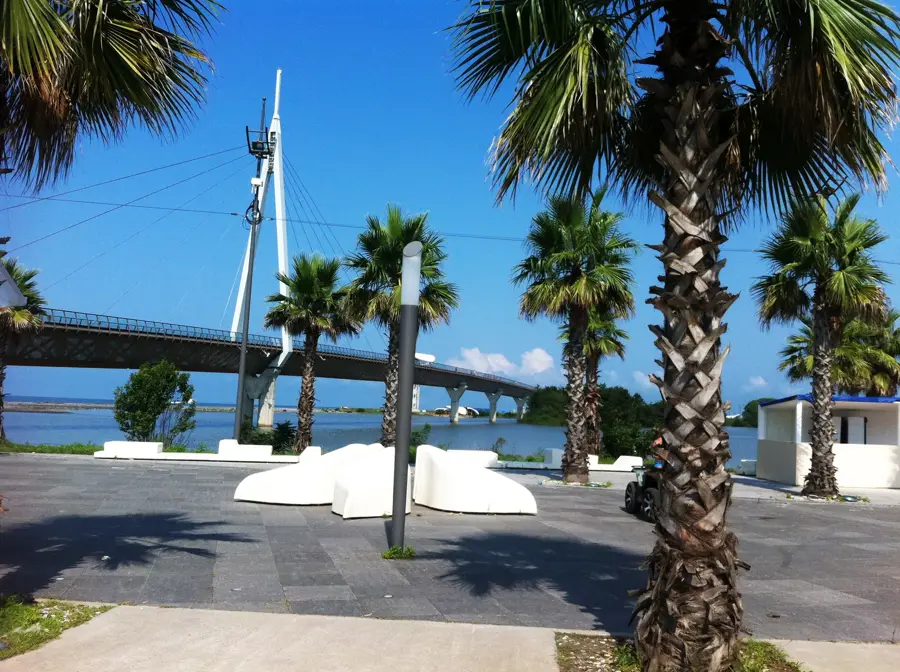
- Top sights: Tkvarchal'skaia krepost' · Tower · Vid na zhd most
- Nearby: Dzhiqumyr (28 km)
- Population: ~5.044 (2025)
Best time to visit & climate
The most pleasant time to visit is Jun–Aug.
| Jan | Feb | Mar | Apr | May | Jun | Jul | Aug | Sep | Oct | Nov | Dec | |
|---|---|---|---|---|---|---|---|---|---|---|---|---|
| Avg °C | 1 | 2 | 5 | 9 | 14 | 19 | 22 | 22 | 18 | 14 | 8 | 3 |
| Rain mm | 108 | 96 | 112 | 79 | 77 | 77 | 73 | 66 | 104 | 124 | 114 | 108 |
Geography
Facts
- Founded in 1942 as a hub for coal production.
- Located at an elevation of 290 meters on the Galidzga River.
- Once home to 22,000 people during the Soviet era.
- Endured a 13-month siege during the 1992-1993 conflict.
- Current population has dwindled to fewer than 5,000.
- Renowned for its abandoned Stalinist-neoclassical buildings.
Explore nearby
Notable places around

Route planner — Car & Motorhome
Where do you start? We build the route here, with stops and country notes along the way.
© OpenStreetMap contributors · OpenRouteService
Sights in the town Tqvarcheli (5)
Frequently asked questions
Is Tqvarcheli a ghost town?
What natural wonders are nearby?
What is the political situation for visitors?
Is there any tourist infrastructure?
What was Tqvarcheli in the past?
Tqvarcheli: where is it located?
Tqvarcheli: what is there to see?
Tqvarcheli: when is the best time to visit?
Tqvarcheli: why is it worth visiting?

Nearby cities
History & landmarks
Nature
More places