Plizio Visual Lab
Îlet la Mère Monkey Island
Weather…
Water temperature…
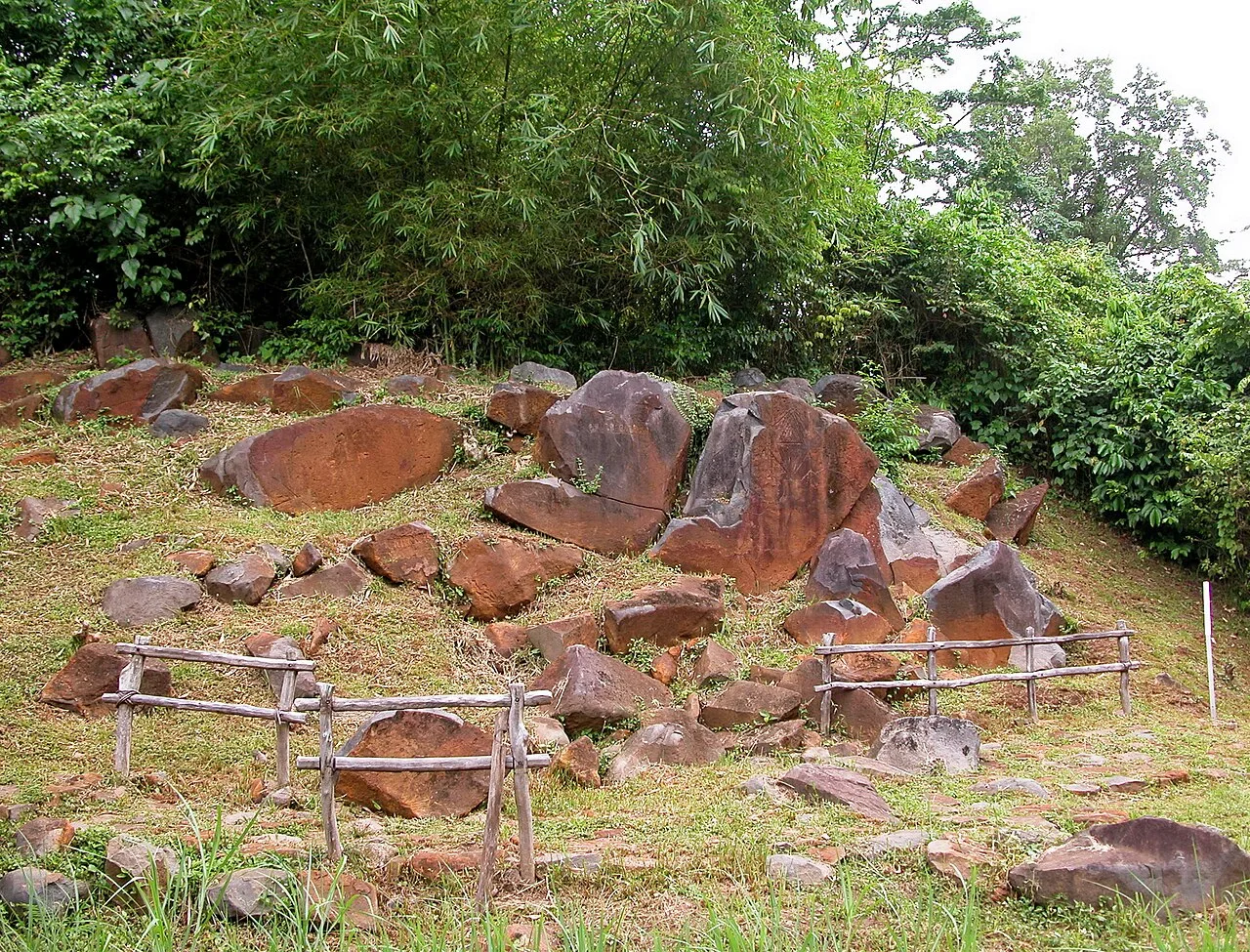
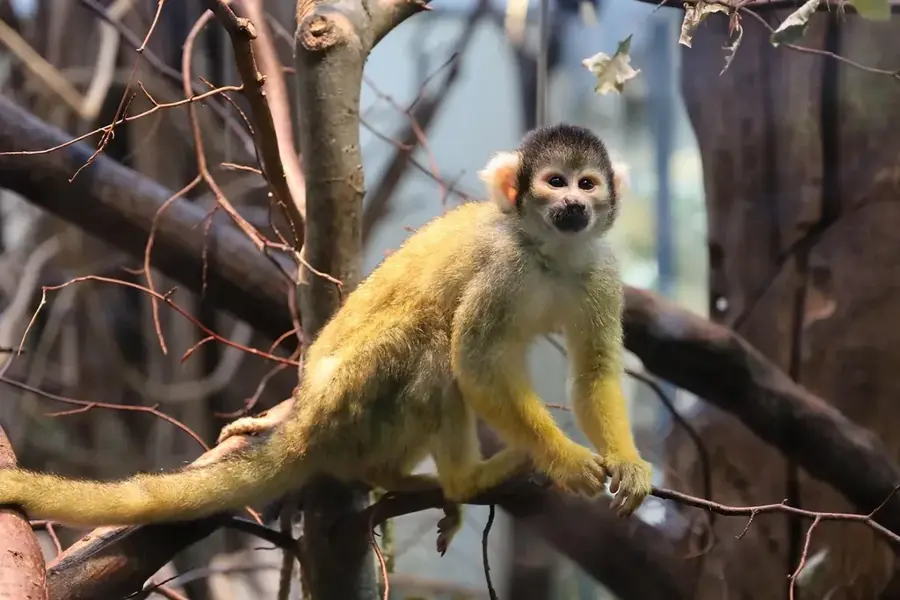
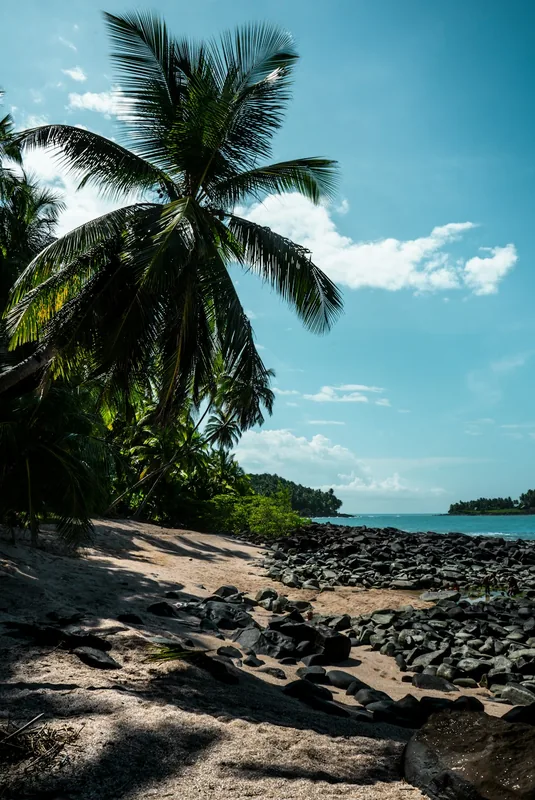
Îlet la Mère is a small, uninhabited island located off the coast of Cayenne, renowned for its rich history and its inquisitive primate residents. During the 19th century, specifically between 1852 and 1875, the island served as a site for part of the French penal colony system, the ruins of which are still visible amidst the dense vegetation today. Now, the island is most famous for its population of squirrel monkeys, which were introduced in the 1980s for research purposes and have since thrived and multiplied across the island. Accessible only by boat, the island features a well-maintained hiking trail that leads visitors past historical remains and scenic coastal viewpoints. It is a popular destination for nature lovers and history enthusiasts alike, offering a unique blend of dark colonial history and wildlife interaction. The island's relative isolation has helped preserve a micro-ecosystem that stands in stark contrast to the mainland. Visitors are encouraged to respect the monkeys' natural environment to ensure the long-term health of the population.
- Location: French Guiana
- Nearby: Kaw Marshes (22 km)
Best time to visit & climate
The most pleasant time to visit is Aug–Oct.
| Jan | Feb | Mar | Apr | May | Jun | Jul | Aug | Sep | Oct | Nov | Dec | |
|---|---|---|---|---|---|---|---|---|---|---|---|---|
| Avg °C | 27 | 27 | 27 | 27 | 27 | 27 | 27 | 27 | 28 | 28 | 28 | 27 |
| Rain mm | 258 | 231 | 212 | 312 | 429 | 296 | 186 | 87 | 40 | 48 | 95 | 249 |
📋 Practical info
Geography
Facts
- Penal colony use: 1852 to 1875
- Monkeys introduced in the 1980s
- Only island with free-roaming squirrel monkeys
- Accessibility only via sea route
- Circular hiking trail of approx. 3.5 km
- Historical ruins of the former penitentiary
Explore nearby
Notable places around


Route planner — Car & Motorhome
Where do you start? We build the route here, with stops and country notes along the way.
© OpenStreetMap contributors · OpenRouteService
Sights in the town Îlet la Mère Monkey Island (1)
Sights nearby
Frequently asked questions
How do you get to Îlet la Mère?
Which animals live on the island?
Are you allowed to feed the monkeys?
Are there hiking trails on the island?
Can you swim there?
Îlet la Mère Monkey Island: where is it located?
Îlet la Mère Monkey Island: when is the best time to visit?
Îlet la Mère Monkey Island: why is it worth visiting?
Nearby cities
History & landmarks
More places