Plizio Visual Lab

Habitation Loyola

Plizio editorial teamData Sources
Historical site
—°17
Habitation Loyola (French Guiana)

Weather…

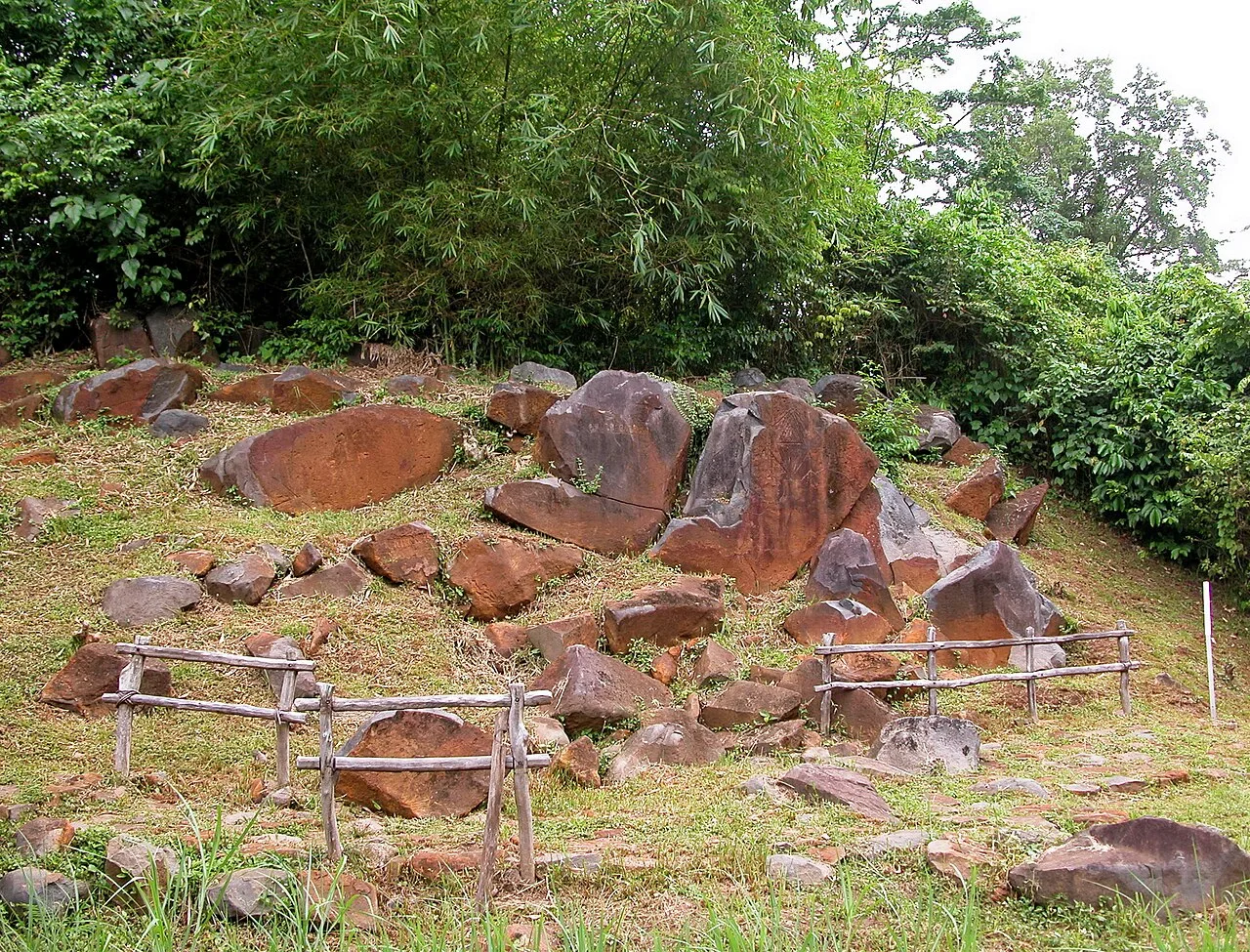
Habitation Loyola, situated in Remire-Montjoly, was once the most extensive and productive Jesuit plantation in French Guiana during the colonial era. Founded around 1668, it rapidly evolved into a massive agricultural complex producing sugarcane, cocoa, coffee, and indigo. At its zenith in the mid-18th century, the estate spanned over a thousand hectares and relied on the labor of hundreds of enslaved people managed by Jesuit priests. The Jesuits constructed not only residential and industrial buildings but also a significant chapel and an advanced irrigation network. Following the expulsion of the Jesuit order from France and its colonies in 1763, the plantation was abandoned and eventually reclaimed by the tropical rainforest. It was not until the 1990s that archaeological excavations began to uncover the remains of the manor house, the windmill, and the chapel. Today, the site serves as a vital open-air museum, documenting the historical intersection of religious missions, colonial economics, and the institution of slavery.

Best time to visit & climate

The most pleasant time to visit is Aug–Oct.

JanFebMarAprMayJunJulAugSepOctNovDec
Avg °C262626262626262627272726
Rain mm3002642513695043342171095458110303

📋 Practical info

🚪
Visiting
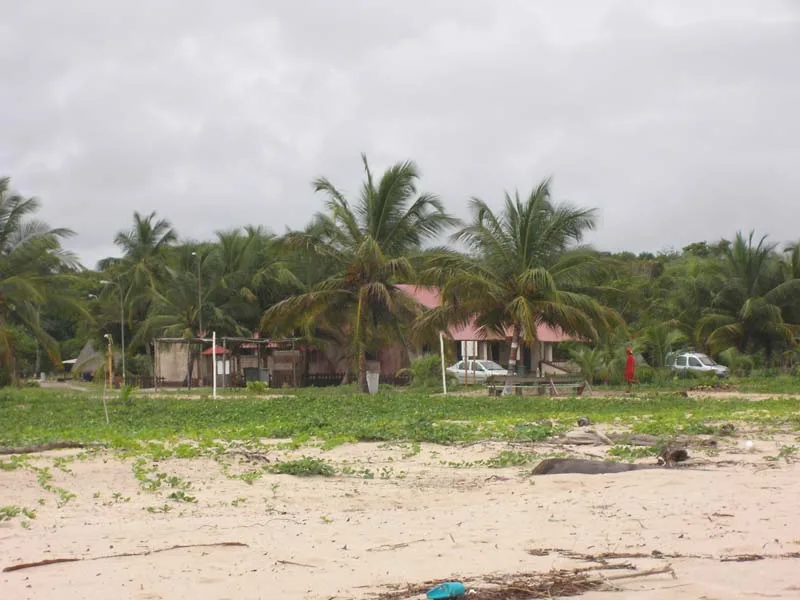
The remains of the Jesuit plantation Habitation Loyola are open as an open-air museum. Visitors can see the ruins of the living quarters and chapel, entry is usually free.
🕒
Typical hours
The site is typically open daily from morning until late afternoon. Exact hours vary, so checking before your visit is recommended.
📷
Photography
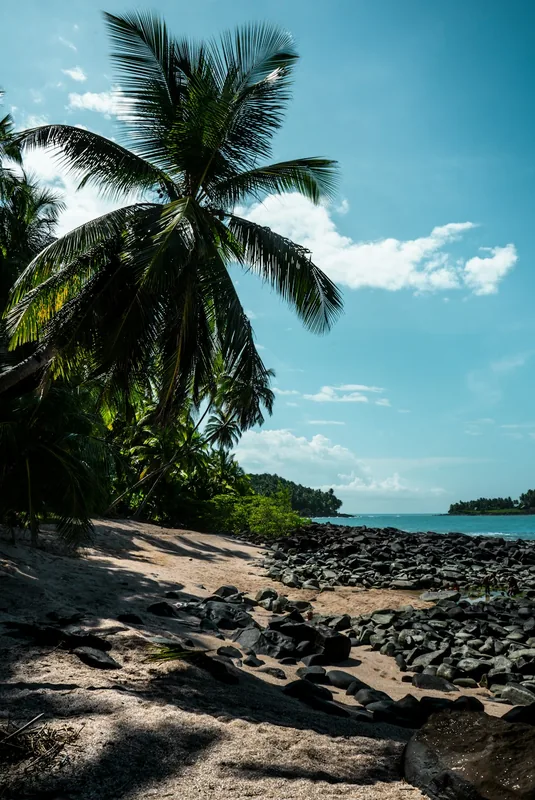
Photography is allowed throughout the site for personal use. The ruins offer excellent subjects with their tropical surroundings.
⏱️
Time needed
A visit takes about one to one and a half hours, depending on interest in the info panels. Allow extra time for the drive from Cayenne.
Combine with
Combine the trip with the nearby beaches of Remire-Montjoly. The Musée des Cultures Guyanaises in Cayenne also adds historical insight.
🧭
Getting there
The site is about 15 km southeast of Cayenne along the RN2 road. A rental car or taxi is best, public transport is infrequent.
💡
Insider tip
Bring insect repellent as mosquitoes are common in the humid environment. A hat and sturdy shoes are also recommended for walking around the site.

Geography

Coordinates
4.90000, -52.28330

Facts

  • Established around 1668 by the Jesuit order
  • The largest Jesuit estate in Guiana in the 1700s
  • Produced sugar, cocoa, coffee, and indigo
  • Abandoned in 1763 after the Jesuit expulsion
  • Systematic excavations began in the 1990s
  • Features remains of a chapel and a windmill

Explore nearby

Notable places around
Route planner — Car & Motorhome

Where do you start? We build the route here, with stops and country notes along the way.

Vehicle
Only stops with (optional):

© OpenStreetMap contributors · OpenRouteService

Sights in the town Habitation Loyola (17)

Polissoirs🏺 historical

This archaeological site features ancient bedrock grooves where early inhabitants polished their stone tools.

Point de vue du sentier des pêcheurs🌿 nature

This scenic viewpoint along the fisherman's hiking trail has sweeping vistas over the adjacent waters.

Point de Vue sur l'Estuaire🌿 nature

This elevated viewpoint provides visitors with an unobstructed panorama of the coastal estuary where the river meets the sea.

Vestige du moulin à vent des jésuites🏺 historical

This archaeological site contains the historic stone ruins of an old windmill originally constructed by Jesuits.

Habitation des Jésuites🏺 historical

Protected as a category 3 heritage site, these archaeological ruins preserve the structural foundations of a significant historical Jesuit plantation.

Le Pagaret🎭 culture

Le Pagaret is a local cultural venue that regularly hosts creative workshops and artistic exhibitions.

🕒 Mo,Fr 08:00-12:45; Tu-Th 08:00-12:45,15:00-17:45

Espace Culturel Joseph Ho Ten You🎭 culture

The Espace Culturel Joseph Ho Ten You serves as a dedicated arts center for community performances and cultural events.

🕒 Mo-Fr 08:30-13:30; Tu,Th 08:30-13:30,14:30-16:30

Mont Saint-Martin🌿 nature

Mont Saint-Martin is a natural mountain peak that rises prominently over the surrounding tropical landscape.

Plage de Bourda🎡 recreation

Plage de Bourda is a sandy oceanfront beach offering a stretch of natural shoreline for seaside recreation.

Plage des Fromagers🎡 recreation

Plage des Fromagers is a tranquil sandy beach set along the coast, fringed by tropical vegetation.

Plage du Rorota🎡 recreation

Plage du Rorota is a scenic sandy shoreline set against a backdrop of forested coastal trails.

Église Sainte-Thérèse⛪ religious

Église Sainte-Thérèse is a dedicated Christian place of worship serving the spiritual needs of its local parishioners.

Église Saint-François-Xavier⛪ religious

Église Saint-François-Xavier is a Christian church building where the community gathers for traditional liturgical worship.

Église Sainte-Anne⛪ religious

Église Sainte-Anne functions as a Christian religious sanctuary for localized community prayer and mass.

Salle du Royaume📍 landmark

This Salle du Royaume is a dedicated Christian meeting hall designed for biblical study and fellowship.

Igreja Pentecostal dos Milagres de Deus📍 landmark

This Christian Pentecostal church provides religious services and spiritual support for the local Portuguese-speaking community.

Marché de Rémire-Montjoly🎭 culture

The Marché de Rémire-Montjoly is a bustling public marketplace where vendors sell fresh local produce and regional goods.

🕒 Th 8:00-13:00

Sights nearby

Frequently asked questions

What was the Habitation Loyola?
A massive 18th-century Jesuit plantation where sugar, cocoa, and coffee were grown.
What can you visit there today?
Archaeological remains of the manor house, the chapel, and the slave quarters.
How do you reach the site?
It is located in Remire-Montjoly and is easily accessible via hiking trails.
Are there information boards?
Yes, the path is equipped with boards explaining the history and archaeological finds.
Is the trail suitable for children?
Yes, it is a nice walk in nature that is also very manageable for families.
Habitation Loyola: where is it located?
Habitation Loyola is located in French Guiana.
Habitation Loyola: what is there to see?
Highlights include Polissoirs, Point de vue du sentier des pêcheurs, Point de Vue sur l'Estuaire.
Habitation Loyola: when is the best time to visit?
The most pleasant time to visit is Aug, Oct.
Habitation Loyola: why is it worth visiting?

Habitation Loyola, situated in Remire-Montjoly, was once the most extensive and productive Jesuit plantation in French Guiana during the colonial era.
View on map → The Top 50 Attractions → OpenStreetMap →
South America
Explore with Plizio Discover more places in South America

Nearby cities

History & landmarks
More places