Plizio Visual Lab
Île Saint-Joseph
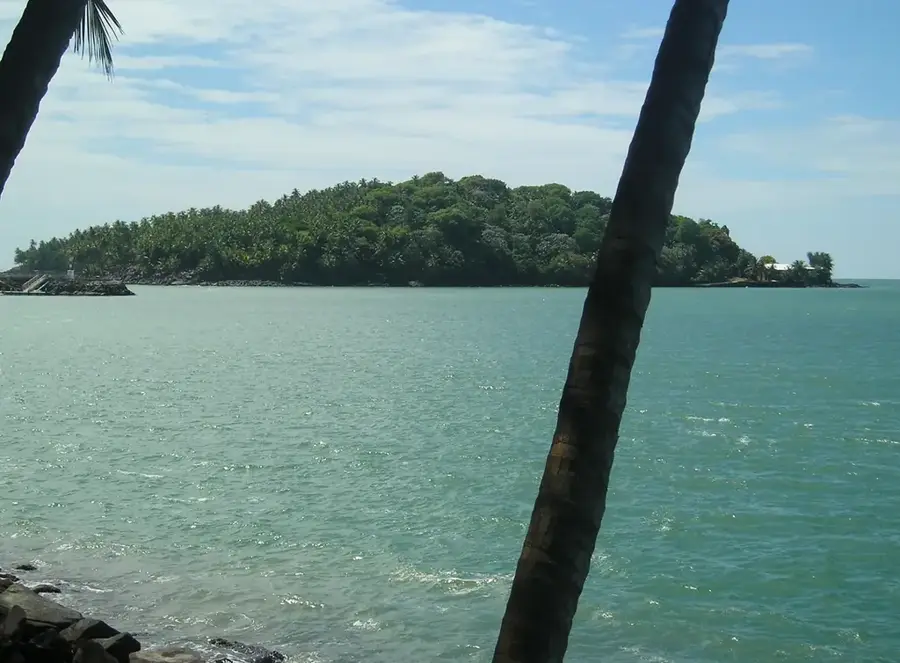
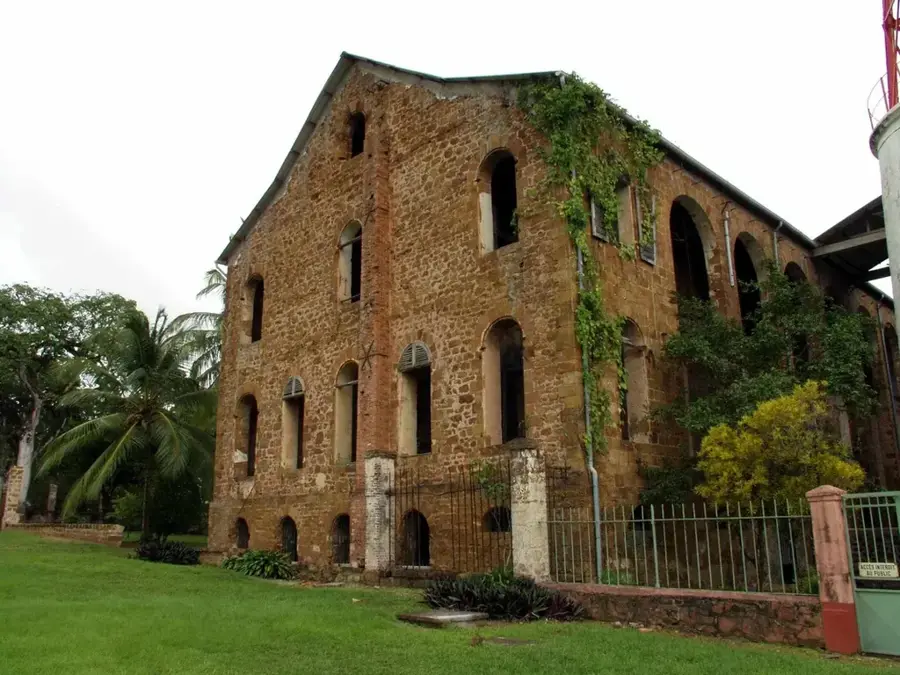
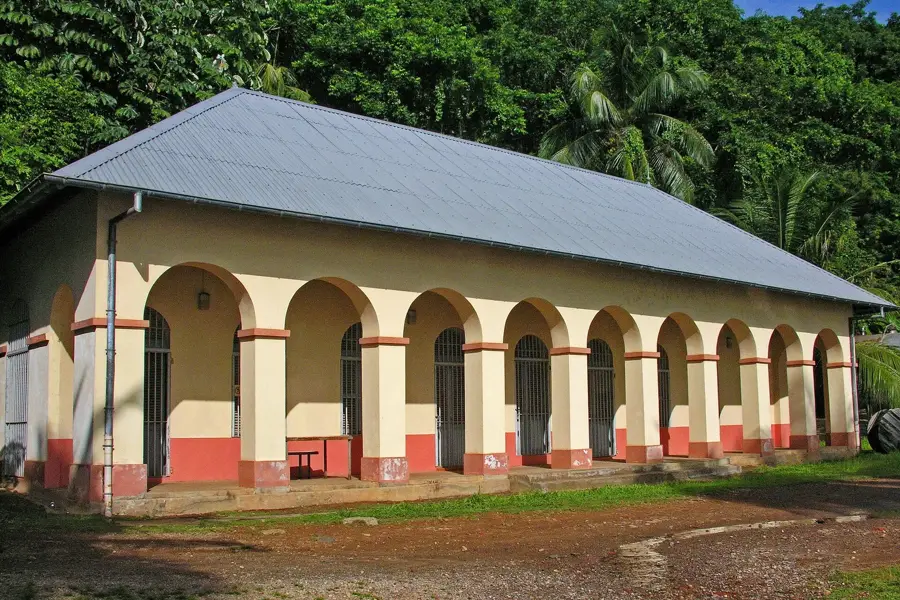
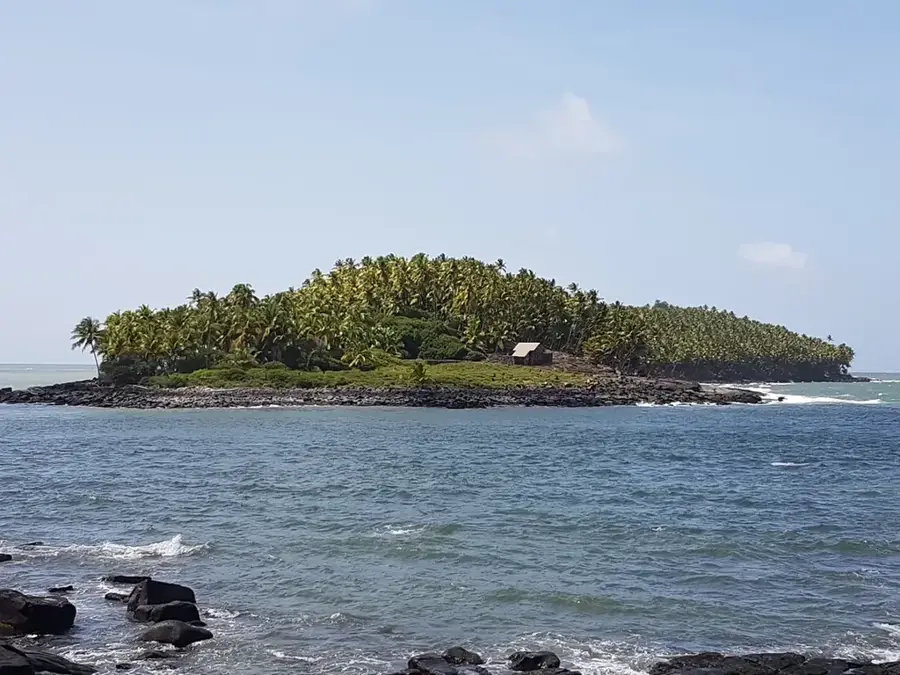
Île Saint-Joseph is the second-largest island in the group and gained notoriety as the site for solitary confinement and strict disciplinary measures within the Bagno system. Spanning approximately 20 hectares, the island was reserved for convicts who had violated prison regulations, with absolute silence mandated as a core component of their punishment. The ruins of the solitary confinement cells (La Réclusion), where inmates lived in tiny roofless units under constant surveillance, are now almost entirely reclaimed by dense tropical vegetation. This oppressive environment earned the island the nickname The Silent Island, as all communication between prisoners was strictly forbidden. In addition to the prison structures, the island contains a cemetery for the penal colony's administrative staff, highlighting the rigid social segregation between guards and inmates. Despite its grim history, the island is now a place of striking natural beauty.
- Location: French Guiana
- Top sights: Piscine des Bagnards · Maison du chef de camp · Bagne
- Nearby: Kaw Marshes (69 km)
Best time to visit & climate
The most pleasant time to visit is Sep–Nov.
| Jan | Feb | Mar | Apr | May | Jun | Jul | Aug | Sep | Oct | Nov | Dec | |
|---|---|---|---|---|---|---|---|---|---|---|---|---|
| Avg °C | 27 | 27 | 27 | 27 | 27 | 27 | 27 | 27 | 28 | 28 | 27 | 27 |
| Rain mm | 201 | 174 | 161 | 260 | 370 | 272 | 170 | 88 | 43 | 51 | 88 | 201 |
📋 Practical info
Geography
Facts
- Second largest island, covering about 20 hectares.
- Site of the solitary confinement units (La Réclusion).
- Nicknamed The Silent Island due to mandatory silence rules.
- Presence of the cemetery for colony staff and guards.
- Inmates kept in small, roofless cells for constant view.
- Currently covered by dense secondary rainforest vegetation.
Explore nearby
Notable places around


Route planner — Car & Motorhome
Where do you start? We build the route here, with stops and country notes along the way.
© OpenStreetMap contributors · OpenRouteService
Sights in the town Île Saint-Joseph (3)
Sights nearby
Frequently asked questions
What was unique about Île Saint-Joseph?
How do you get there from Île Royale?
What can you see there today?
Are there any beaches?
Is free movement allowed on the island?
Île Saint-Joseph: where is it located?
Île Saint-Joseph: what is there to see?
Île Saint-Joseph: when is the best time to visit?
Île Saint-Joseph: why is it worth visiting?
Nearby cities
History & landmarks

More places