Bleu Soleil - Turcof
Paintings and sculptures created by the artist Turcof.
Plizio Visual Lab
Fried chickpea flour snacks, best enjoyed hot at a kiosk in L'Estaque.
Sweet, fried dough treats typical of the local coastal neighborhoods.
Look for small, unpretentious seafood bistros near the northern marinas.
One of the largest markets for antiques, second-hand goods, and fresh produce.
Pick up traditional olive-oil soap at local artisan shops.
A series of small, less crowded sandy beaches near L'Estaque.
Take a peaceful walk along the water with views that inspired famous painters.
Water temperature…
Paintings and sculptures created by the artist Turcof.
The Marseille flea market welcomes you all year round, every day except Monday.
Edwin Cuervo presents his exhibition at Pôle Chezanne, inspired by the quarries of Nerthe.
An a cappella journey through sacred songs of the Orient, accompanied by Eléonore Pernet on cello. Dance opening and surprises from 20:00.
Northern Irish choreographer brings her explosive solo to the outdoors at Théâtre de la Sucrière. Eight dancers perform to a house and electro music mix.
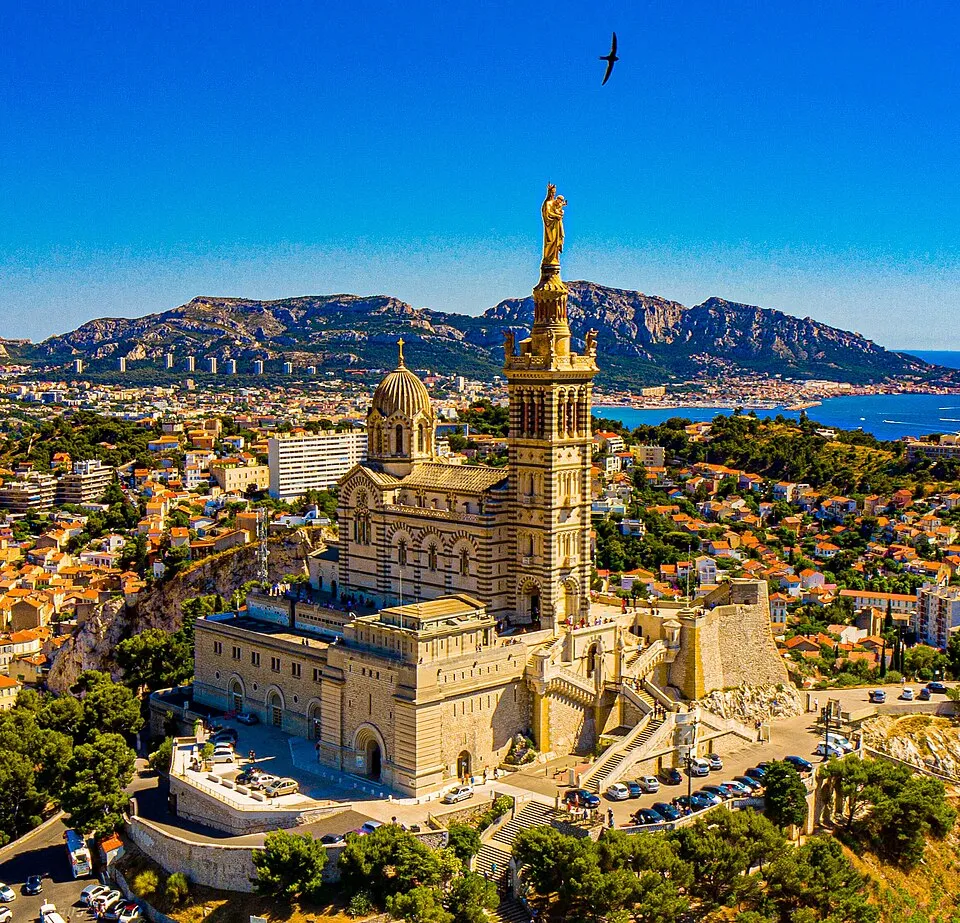
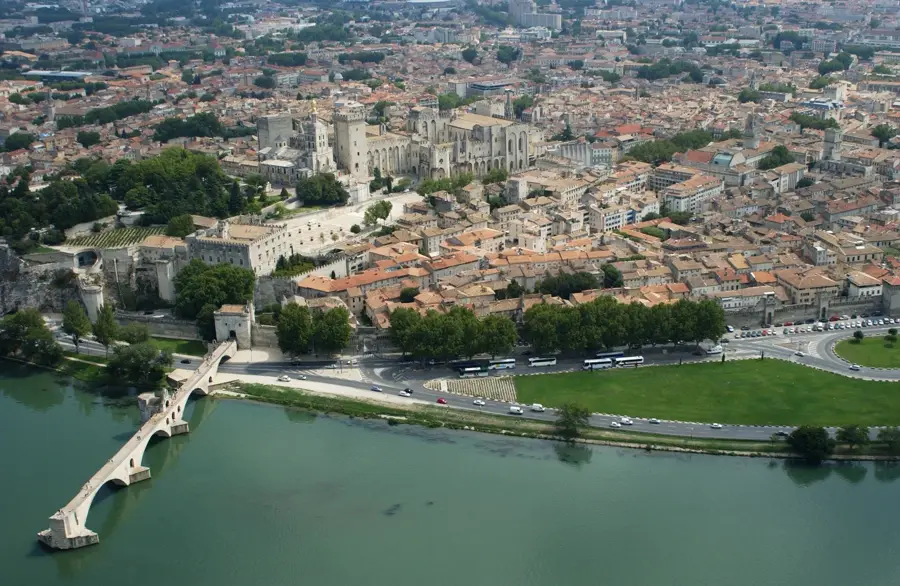
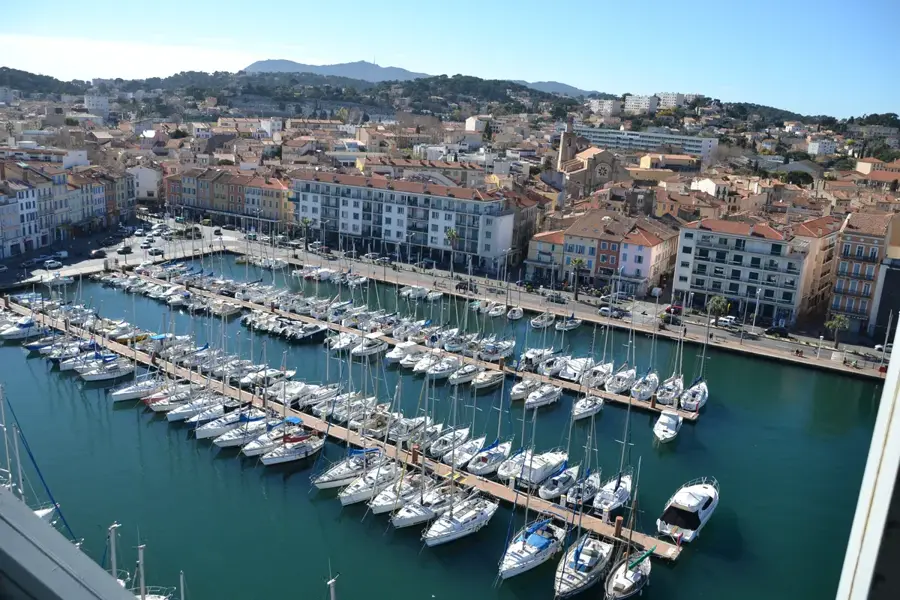
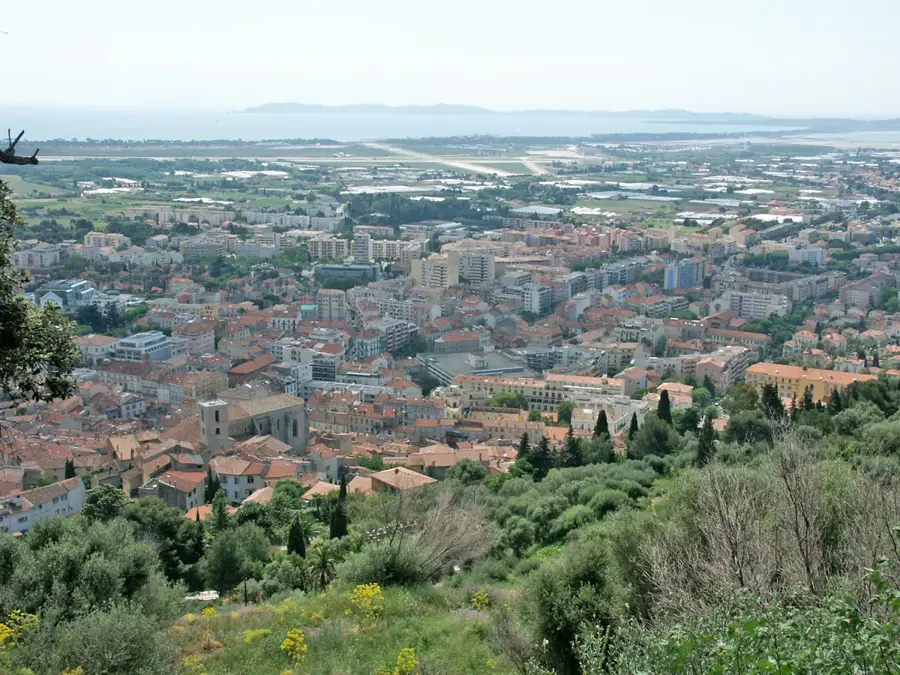
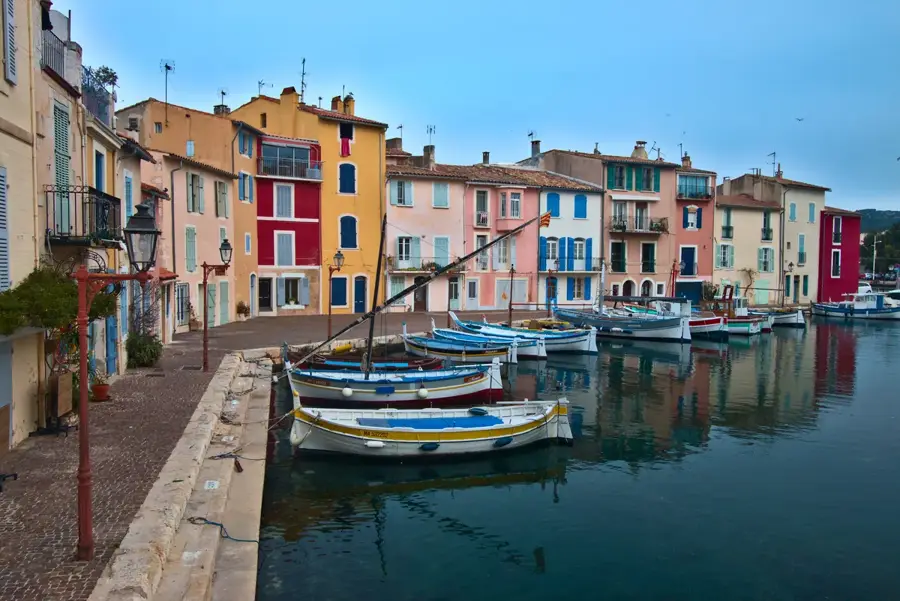
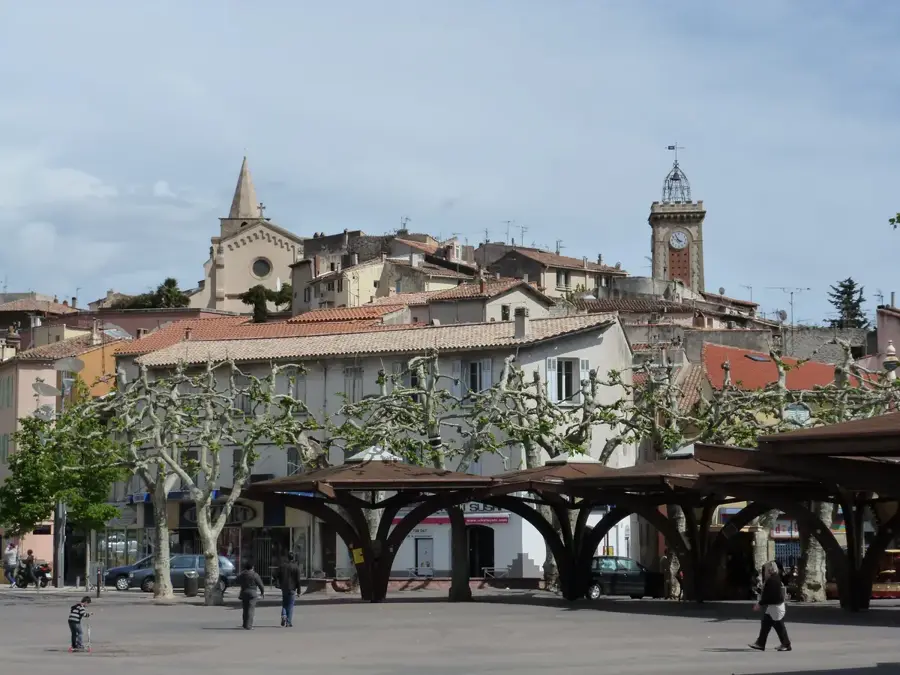
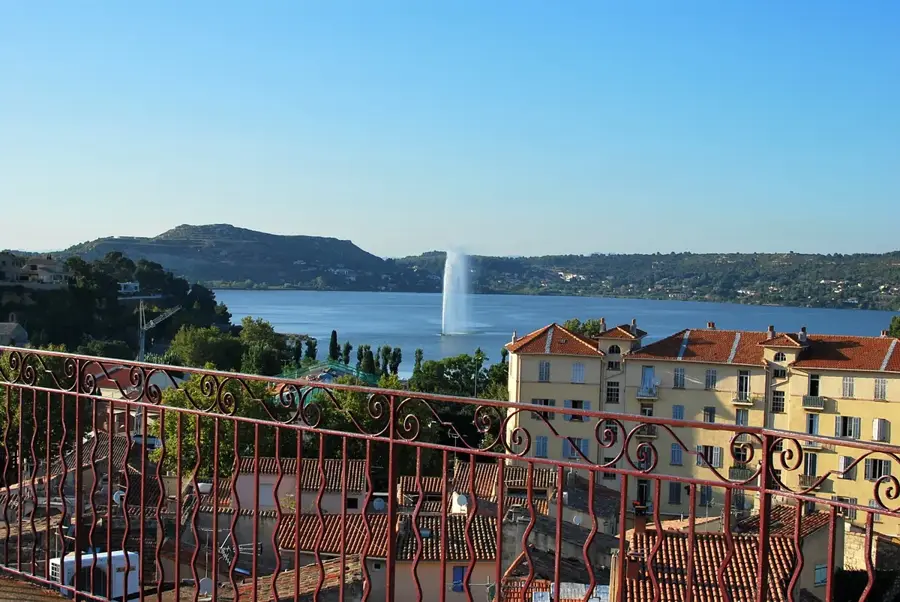
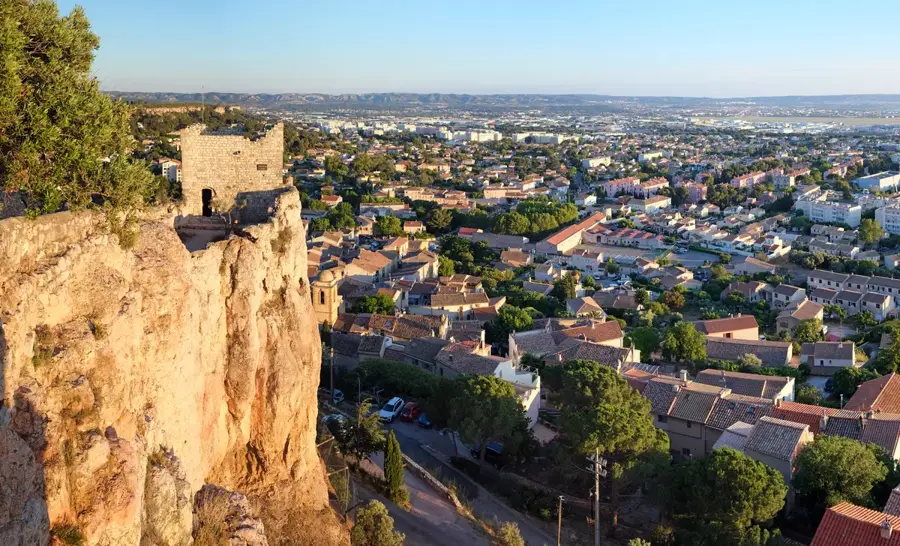
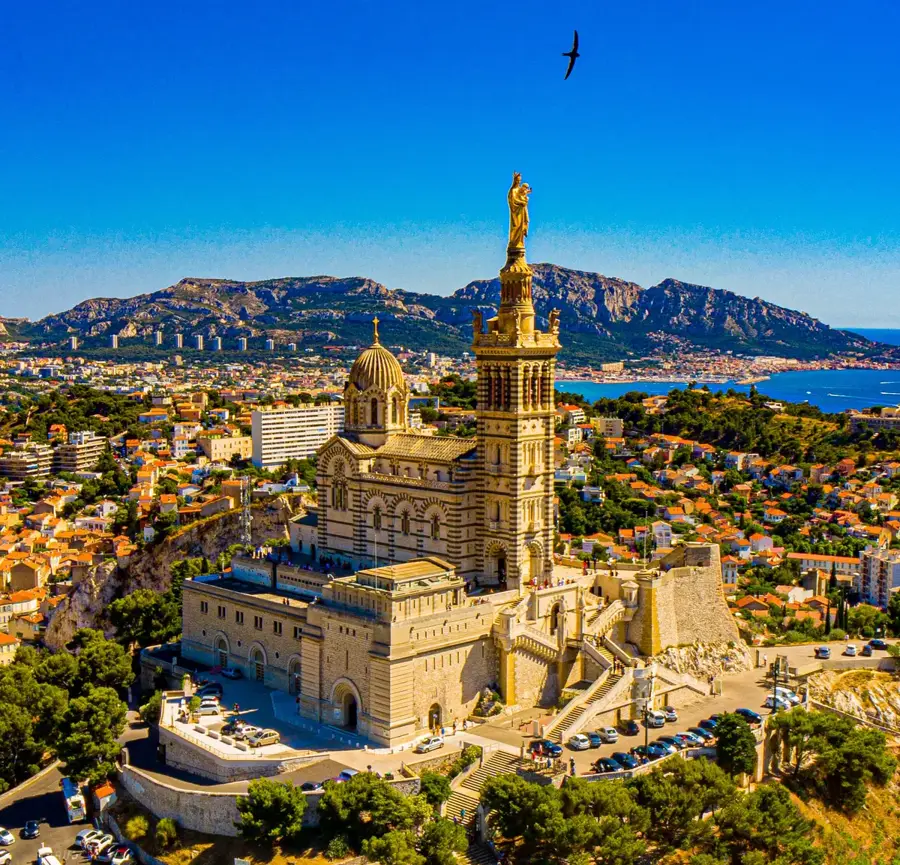
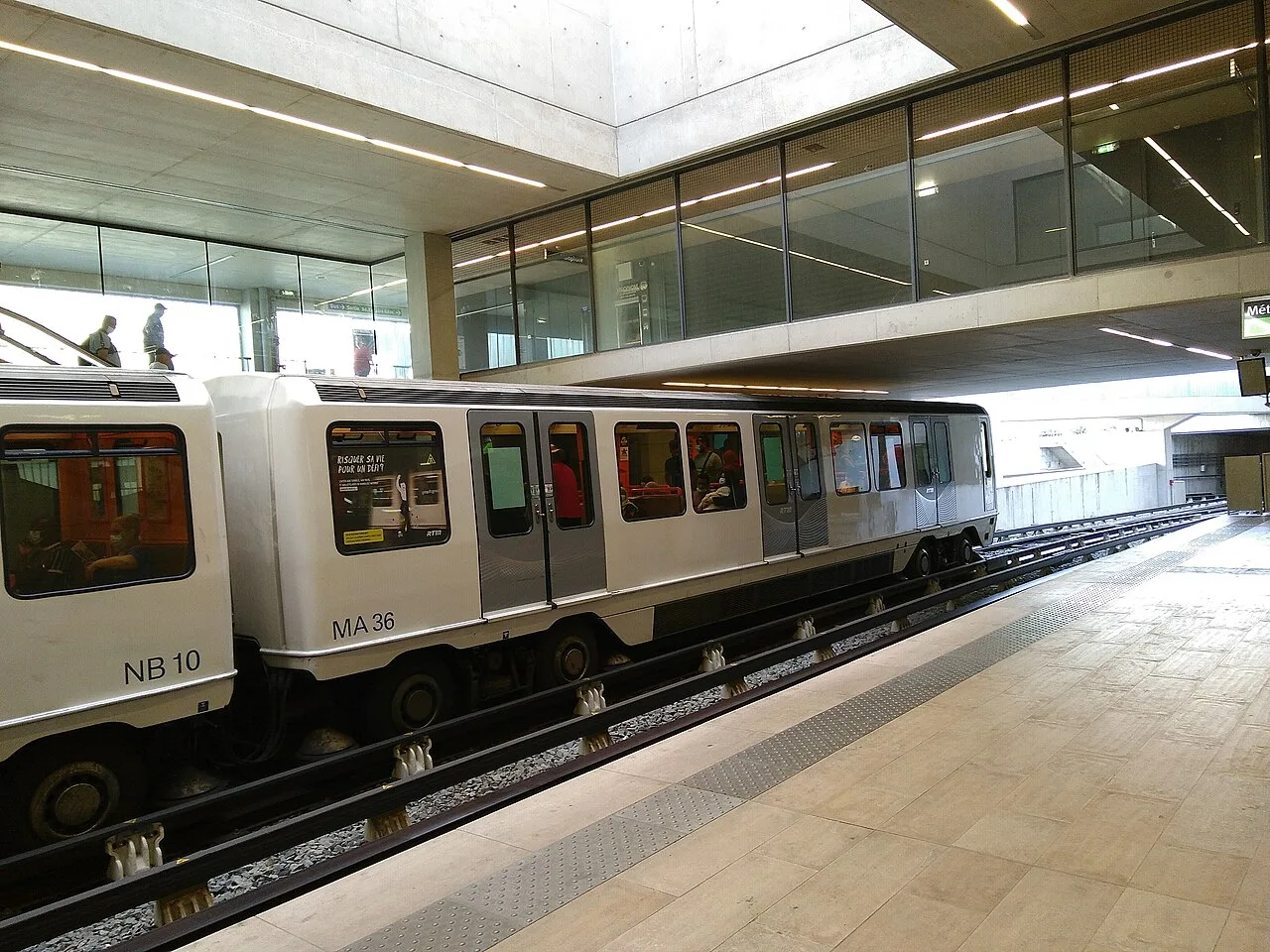
Marseille-Nord covers the northern arrondissements, specifically the 13th to 16th districts, and represents the city's deep industrial and maritime identity. A primary highlight is the L'Estaque district, which at the end of the 19th century attracted world renowned painters like Paul Cézanne and Georges Braque, becoming a foundational site for the birth of Cubism. The sector is dominated by the massive infrastructure of the Grand Port Maritime de Marseille, one of the Mediterranean's most significant commercial ports and logistics hubs. While the coastal areas retain a distinct village like atmosphere, the higher terrains are characterized by large scale post war housing projects. The Euroméditerranée urban renewal initiative aims to transform the northern districts through modern architecture and new economic centers like La Joliette. The area is known for its intense cultural diversity, having served for decades as the primary entry point for immigrants from across the Mediterranean basin. Today, Marseille-Nord is emerging as a site for innovation and urban regeneration, supported by improved regional rail links and sustainable transit projects. This transformation seeks to balance the industrial heritage with a modern, inclusive urban environment for its residents.
The most pleasant time to visit is Jun, Aug, Sep.
| Jan | Feb | Mar | Apr | May | Jun | Jul | Aug | Sep | Oct | Nov | Dec | |
|---|---|---|---|---|---|---|---|---|---|---|---|---|
| Avg °C | 5 | 6 | 9 | 12 | 17 | 22 | 25 | 24 | 20 | 15 | 10 | 6 |
| Rain mm | 48 | 38 | 40 | 47 | 47 | 29 | 13 | 21 | 50 | 75 | 94 | 54 |
Notable places around
Where do you start? We build the route here, with stops and country notes along the way.
© OpenStreetMap contributors · OpenRouteService
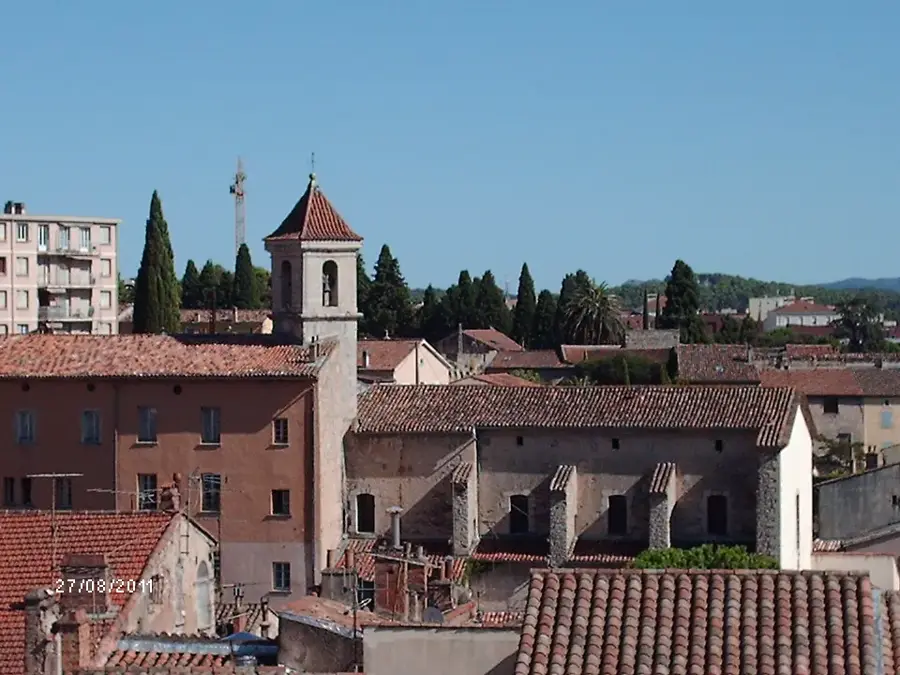
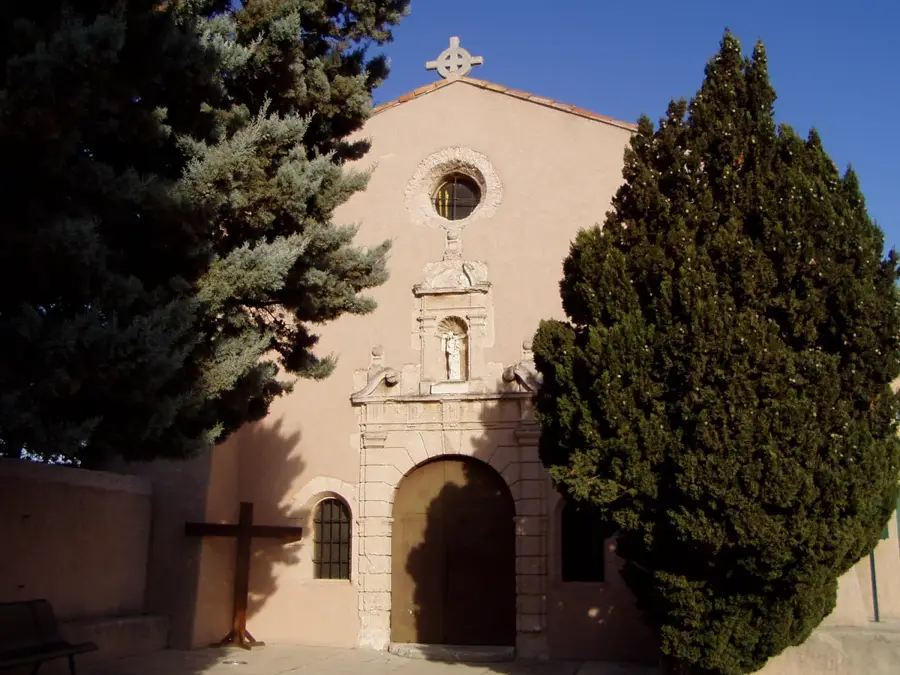
Explore the picturesque north of Marseille on foot. Start in the authentic L'Estaque district, a former muse for painters like Cézanne. After visiting the local church and the art foundation in the fort, head to the Corbières beaches for a relaxing afternoon by the Mediterranean sea.
This bike tour is perfect for active explorers. Ride along the L'Estaque coast enjoying the sea breeze before tackling the steep climb to the Verduron Oppidum. Your effort will be rewarded with the finest view over Marseille's harbor. A mix of beach, art, and ancient archaeology.
This driving tour connects the industrial heritage of the north with spectacular viewpoints. Start at a traditional soap factory, explore ancient ruins on Verduron hill, and finish at the scenic coast of L'Estaque. The route provides a deep dive into the diverse character of Marseille's northern districts.