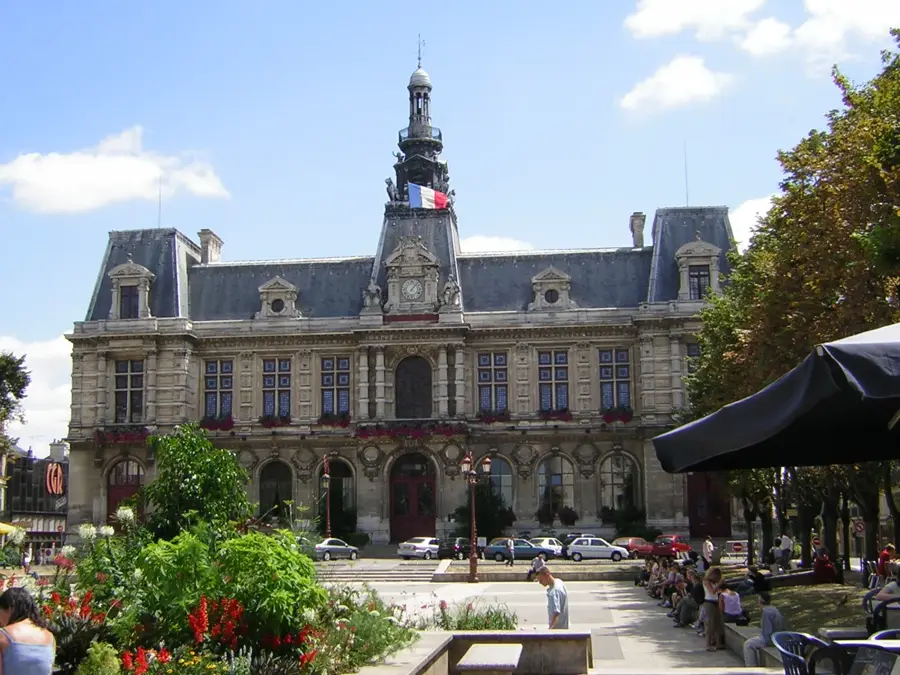
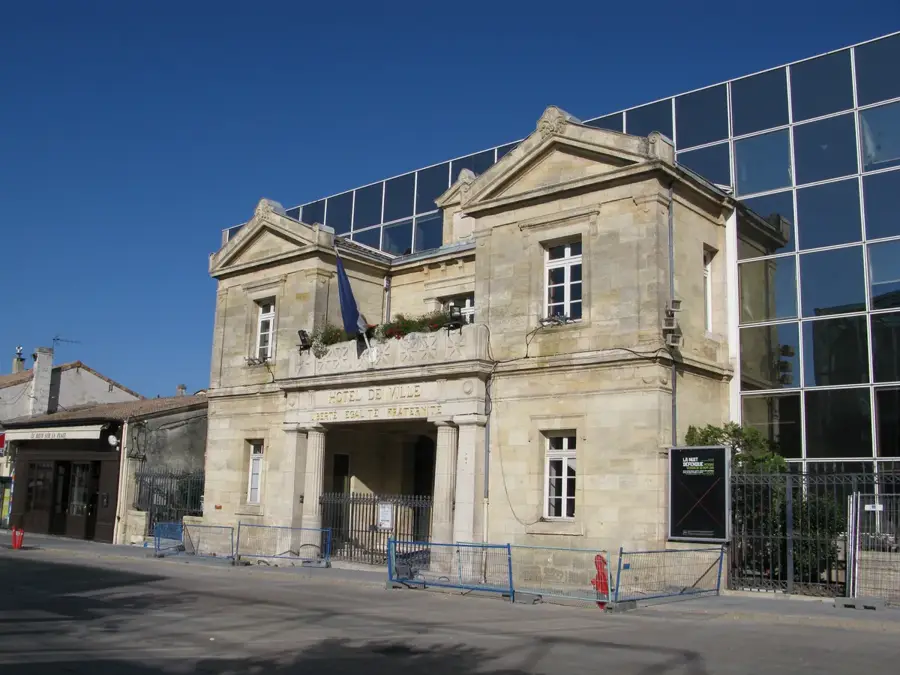
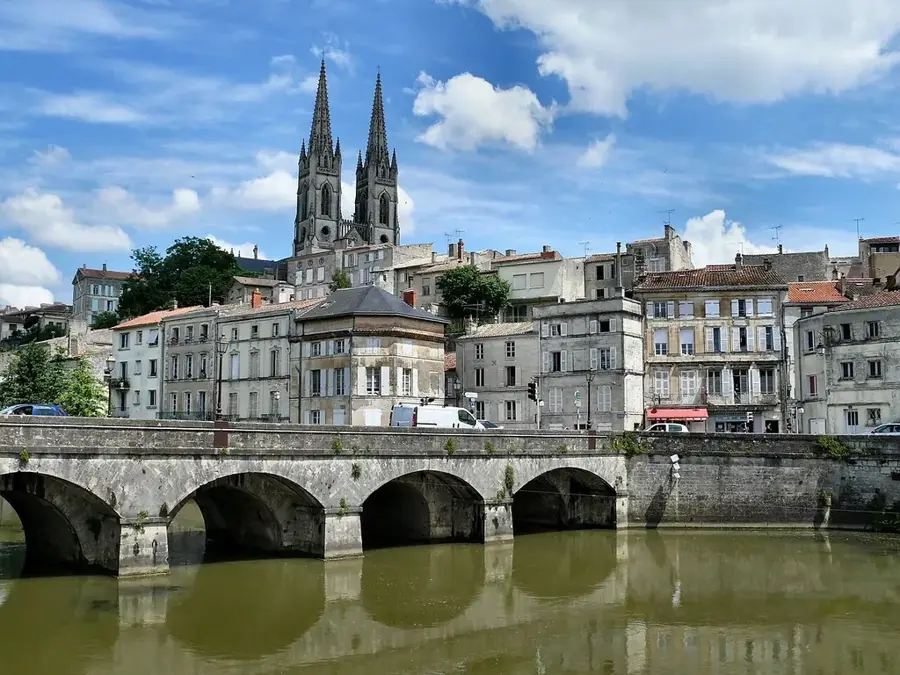
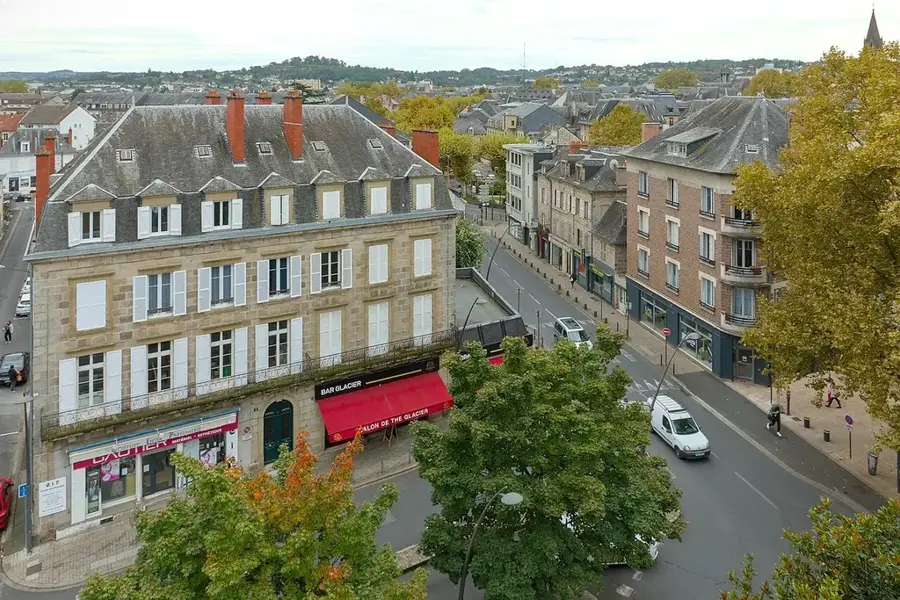
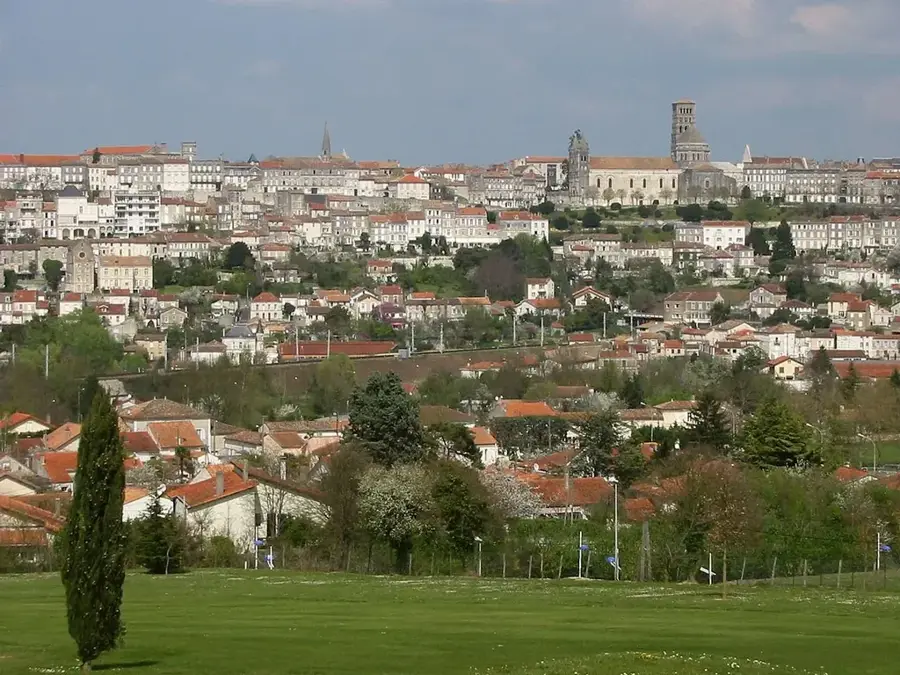
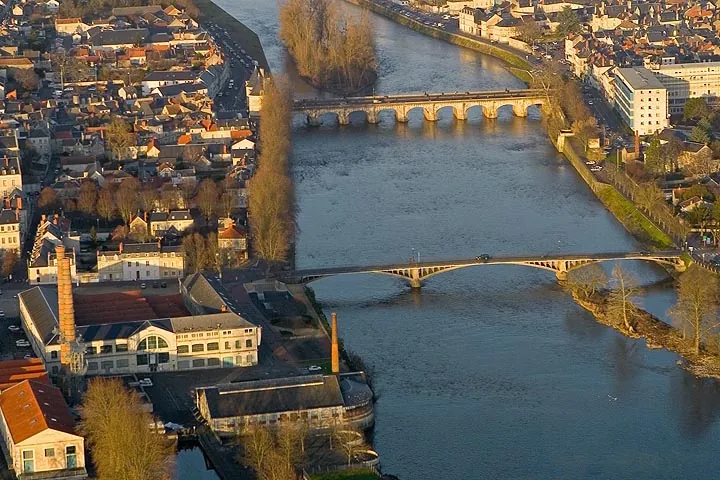
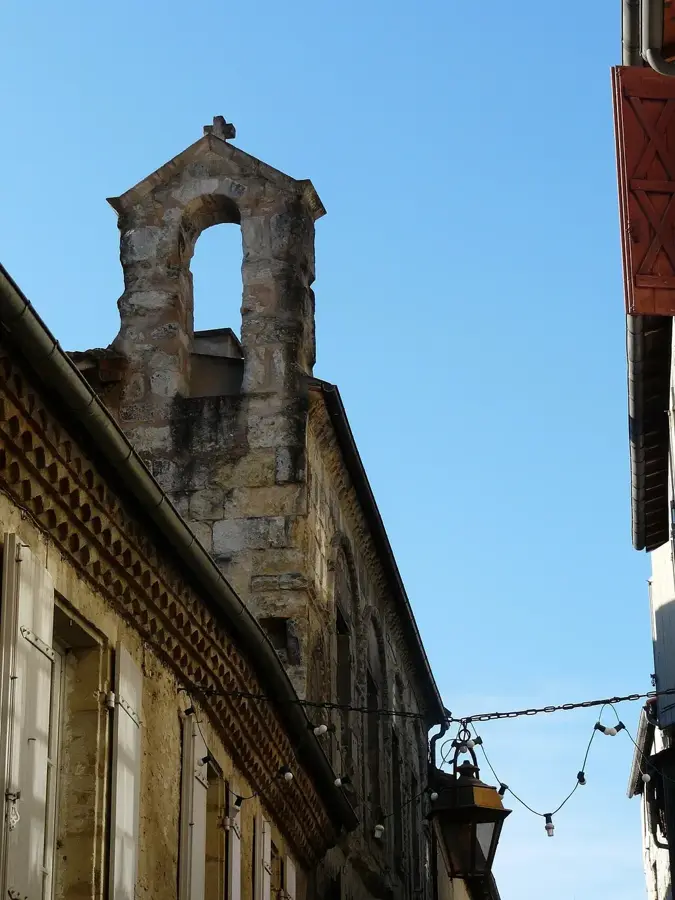
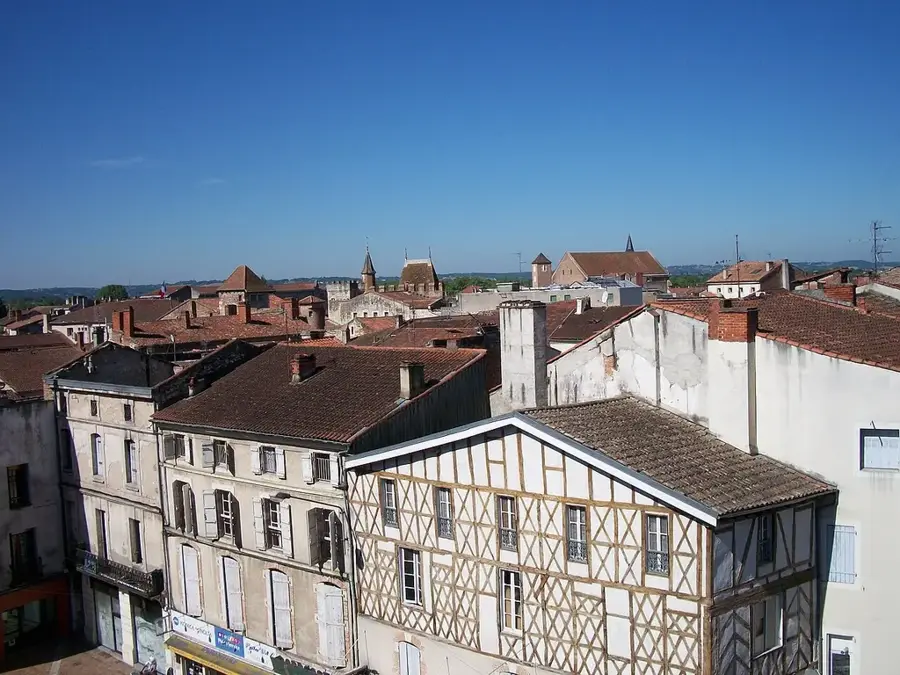
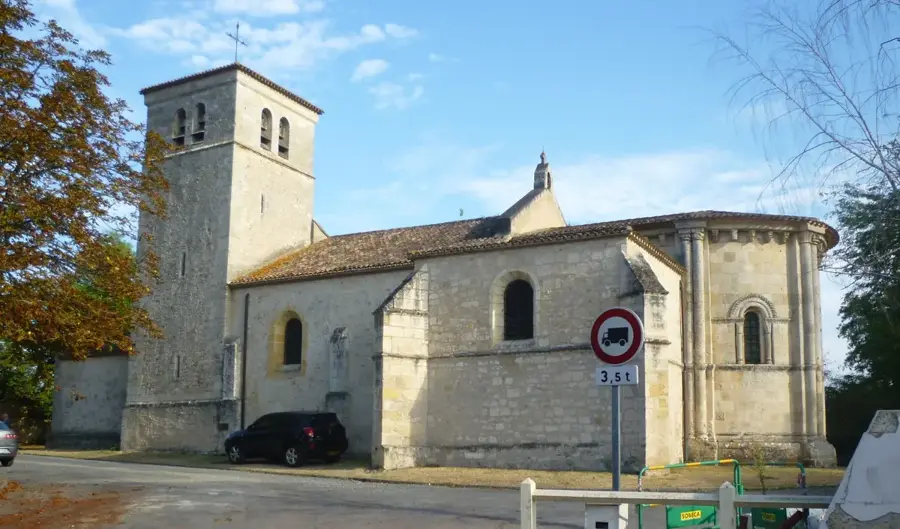
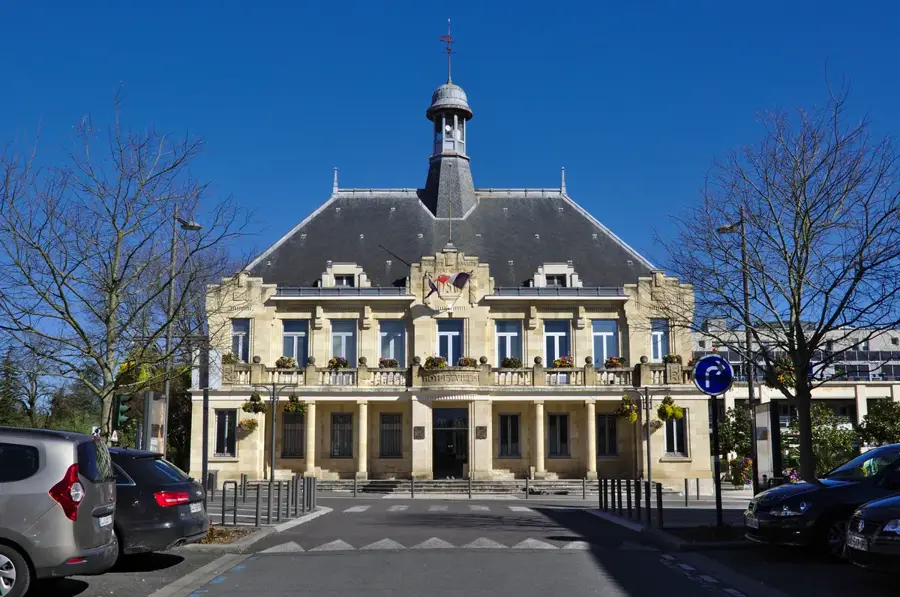
Set in a deep valley at the confluence of the Corrèze and Solane rivers, Tulle is a dynamic town celebrated for its rich industrial and artisanal heritage. As the historical capital of the Corrèze department, it is perhaps most famous internationally for giving its name to the fine hexagonal lace known as tulle, which is still meticulously crafted here by dedicated artisans. The town is also the historic heart of French accordion manufacturing, home to the renowned Maugein factory since 1919. A walk through the medieval quarter reveals a fascinating maze of narrow, winding streets lined with towering townhouses, some featuring elegant wooden balconies and intricate Renaissance facades, such as the Maison de Loyac. Towering above the rooftops is the impressive Notre-Dame Cathedral, boasting a magnificent 12th-century bell tower that stands as the highest spire in the Limousin region. Visitors can delve into the area's history at the local museums, which reflect Tulle's deep manufacturing roots. Surrounded by lush, forested hills, Tulle gives a well-suited blend of authentic Limousin culture and access to the rugged nature of the surrounding plateau.
Location: Nouvelle-Aquitaine, France
Top sights: Tulle Cathedral · Maison de Loyac · Théâtre des Sept Collines
Pick weather + travel mode, get a concrete day plan.
09:00→16:170.8 km walk6 places0/6
Day budget: ≈ 27–37 €Entries 32€ · Transport 0€
The morning starts at the magnificent Cathedral, followed by historic discoveries at Maison de Loyac. Midday is spent admiring the unique theater architecture. In the afternoon, a short walk brings us to the quiet hospital chapel and the landmark Alverge tower. The day concludes at the captivating Saint-Pierre museum.
← swipe for more places →
⛪
09:10 · 50'
Tulle Cathedral
Admire the impressive 12th-century bell tower of this beautiful cathedral and try to visit early to avoid the midday sun.
Explore the fascinating collections housed in this former church now serving as a museum, keeping in mind that it requires at least an hour to fully appreciate.
Start your rainy morning taking shelter in the grand Cathedral. By noon, explore the covered areas near Maison de Loyac and the theater. In the afternoon, visit the museum and chapel to stay dry. Conclude early to avoid heavy evening downpours, wearing sturdy waterproof shoes for the wet cobblestones.
← swipe for more places →
⛪
09:10 · 50'
Tulle Cathedral
Admire the magnificent cloisters while staying completely dry, but carefully wipe your wet shoes at the entrance.
Wrap up warmly for a brisk winter morning at the Cathedral. Midday offers crisp air as you stroll past the historic houses and theater. Afternoon shadows lengthen quickly, so enjoy the indoor warmth of the museum. Evening arrives by 17:00, perfect for enjoying the illuminated old town.
← swipe for more places →
⛪
09:10 · 50'
Tulle Cathedral
The stone interior is memorable but very cold in winter, so keep your gloves and heavy coat on while exploring the nave.
Morning begins with a leisurely ride to Église Saint-Jean-Baptiste and the L'Eden theater. Midday brings us to the historic heart of Tulle with the impressive cathedral and Maison de Loyac. Afternoon offers a ride to the Alverge tower. The day ends nicely with a comprehensive visit to the Saint-Pierre museum.
← swipe for more places →
⛪
09:10 · 50'
Église Saint-Jean-Baptiste
Enjoy the peaceful atmosphere of this historic church in the lower part of town before heading uphill towards the main cathedral.
Explore the fascinating collections housed in this former church now serving as a museum, keeping in mind that it requires at least an hour to fully appreciate.
Start your wet cycling day cautiously, taking breaks in the dry churches. Midday requires careful steering past the cultural venues as wet leaves make paths slick. Spend your rainy afternoon safely inside the museum. Finish your ride before dusk, ensuring your bike lights work perfectly in the gloom.
← swipe for more places →
⛪
09:10 · 50'
Église Saint-Jean-Baptiste
A great early stop to dry off your rain gear while exploring the beautiful stained glass and peaceful interior.
Dress in windproof layers for a frosty morning ride to the churches. By noon, the winter sun warms your cycling route past the theater. Afternoon temperatures plummet quickly, so head indoors to the museum. Since it gets dark around 17:00, switch on your brightest bike lights for the ride home.
← swipe for more places →
⛪
09:10 · 50'
Église Saint-Jean-Baptiste
Keep your cycling gloves on inside, as the historic stone walls hold the winter chill deep within the nave.
Morning starts at the slightly secluded Église Saint-Joseph, followed by the beautiful Église Saint-Jean-Baptiste. At midday, we park in the center to visit the main cathedral and the theater. In the afternoon we explore the quiet chapel. The day concludes with an in-depth visit to the Saint-Pierre museum.
← swipe for more places →
⛪
09:10 · 50'
Église Saint-Joseph
Start your trip at this slightly secluded but appealing church on the edge of town, offering a serene escape before the bustling center.
Explore the fascinating collections housed in this former church now serving as a museum, keeping in mind that it requires at least an hour to fully appreciate.
Drive safely through the rainy morning, parking close to the grand churches. At midday, dash between your car and the theater with a good umbrella. The afternoon is best spent in the dry sanctuary of the museum. Drive cautiously in the evening as heavy rain severely reduces visibility on the narrow streets.
← swipe for more places →
⛪
09:10 · 50'
Église Saint-Joseph
Park directly in front to minimize your walk in the downpour, then enjoy the dry, contemplative silence inside.
Turn up the car heater on a frosty morning visiting the historic churches. Midday brings clear, icy views of the cultural center and theater. In the afternoon, the well-heated museum provides a perfect escape from the bitter cold. As darkness falls by 17:00, beware of hidden black ice on the roads.
← swipe for more places →
⛪
09:10 · 50'
Église Saint-Joseph
The engine block will still be warm when you return from this short visit; the cold stone interior requires a thick coat.
A 12th-century Gothic cathedral distinguished by its monumental 75-meter-high bell tower.
Maison de Loyac🏺 historical
A magnificent 16th-century Renaissance house featuring an elaborately carved stone facade.
Théâtre des Sept Collines🎭 culture
The city's theater and cultural hub, known for its contemporary architecture and diverse program.
Église Saint-Pierre🏛 museum
Église Saint-Pierre is a former church in Tulle that now functions as a local museum.
Tour d'Alverge📍 landmark
Tour d'Alverge is an architectural structure and point of interest located in Tulle.
Théâtre municipal L'Eden🎭 culture
Théâtre municipal L'Eden, part of the "Les 7 Collines" cultural complex, is a prominent performing arts venue in Tulle.
Église Saint-Joseph⛪ religious
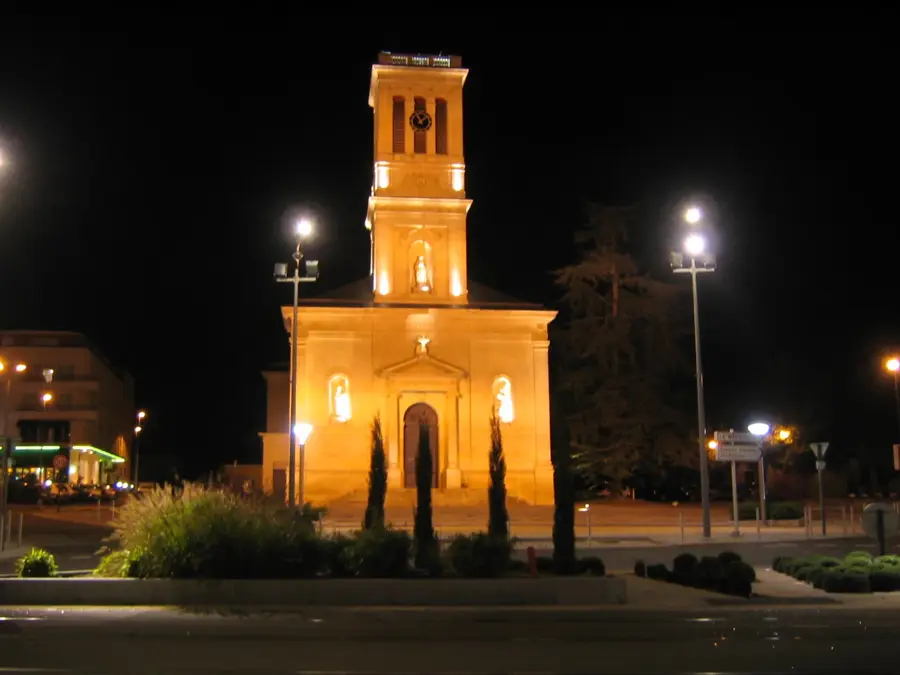
Église Saint-Joseph is a church dedicated to religious worship in the town of Tulle.
Église Saint-Jean-Baptiste⛪ religious
Église Saint-Jean-Baptiste is a parish church providing a spiritual center for residents of Tulle.
Chapelle de l'Hôpital📍 landmark
Chapelle de l'Hôpital is a historical chapel building situated within Tulle.
Frequently asked questions
What is Tulle known for?
Tulle is famous for its cathedral, its fine lace, and the manufacture of Maugein accordions.
Can you visit the Maugein accordion factory?
Yes, France's oldest accordion factory features guided tours to discover their artisanal expertise.
What is there to see at Tulle Cathedral?
Particularly noteworthy are the 12th-century cloister and the impressive 75-meter-high bell tower.
Is Tulle a hilly city?
Yes, the city stretches along a narrow valley; comfortable walking shoes are advised for the steep streets.
Are there local food specialties in Tulle?
Try 'Farçidure', a traditional potato-based specialty of the Corrèze region.
Tulle: where is it located?
Tulle is located in Nouvelle-Aquitaine, France.
Tulle: what is there to see?
Highlights include Tulle Cathedral, Maison de Loyac, Théâtre des Sept Collines.
Tulle: when is the best time to visit?
The most pleasant time to visit is Jun, Aug.
Tulle: why is it worth visiting?
Set in a deep valley at the confluence of the Corrèze and Solane rivers, Tulle is a dynamic town celebrated for its rich industrial and artisanal heritage.