Guided Tour: The Secrets of Agen
Discover the rich history and architecture of the 'Pearl of the Midi' on this comprehensive guided walk through Agen.
Plizio Visual Lab
The famous local prunes. Try them stuffed with prune cream or wrapped in bacon at local epiceries.
A flaky pastry dessert with apples or prunes and Armagnac, available at traditional bakeries.
A regional staple of southwestern France, best enjoyed at traditional brasseries near Place des Laitiers.
The covered market is the best place to buy regional specialties, fresh cheese, and local wines (Wednesday to Sunday mornings).
The main shopping street, offering a mix of boutiques and independent stores under arcades.
A long, shaded promenade along the Garonne river featuring centuries-old plane trees.
A large nature park just outside the city with lakes and calm walking trails.
Water temperature…
Discover the rich history and architecture of the 'Pearl of the Midi' on this comprehensive guided walk through Agen.
Explore the world of esotericism and well-being with experts during this annual gathering in Agen.
The Comédiens du Chêne troupe presents a forgotten play by Rosemonde Gérard in Agen. A special performance marking the 160th anniversary of her birth.
A festival full of debates, workshops, and readings honoring the scholar Michel Serres. A celebration of knowledge and thought in Agen.
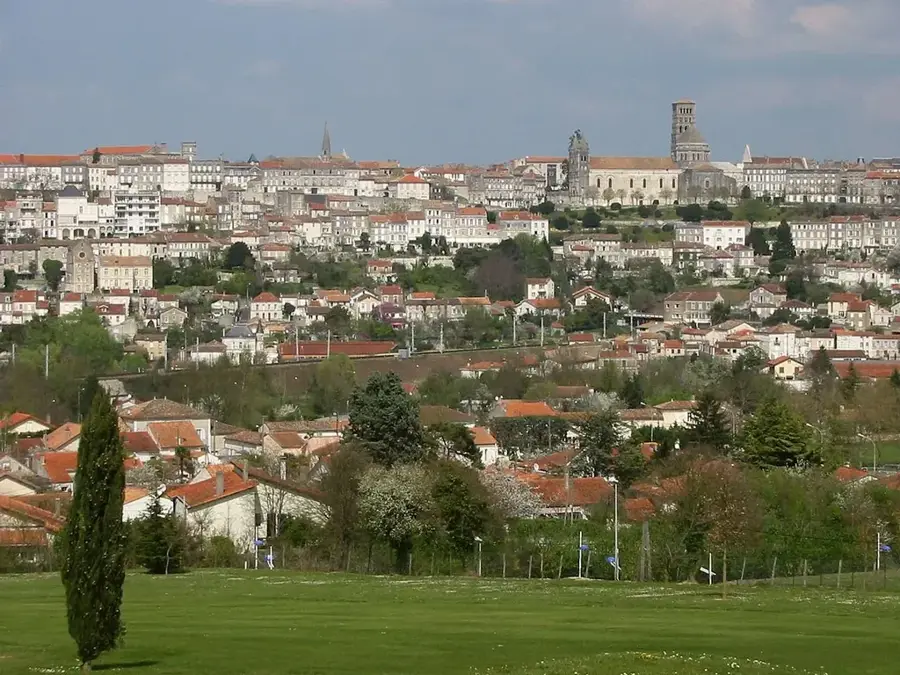
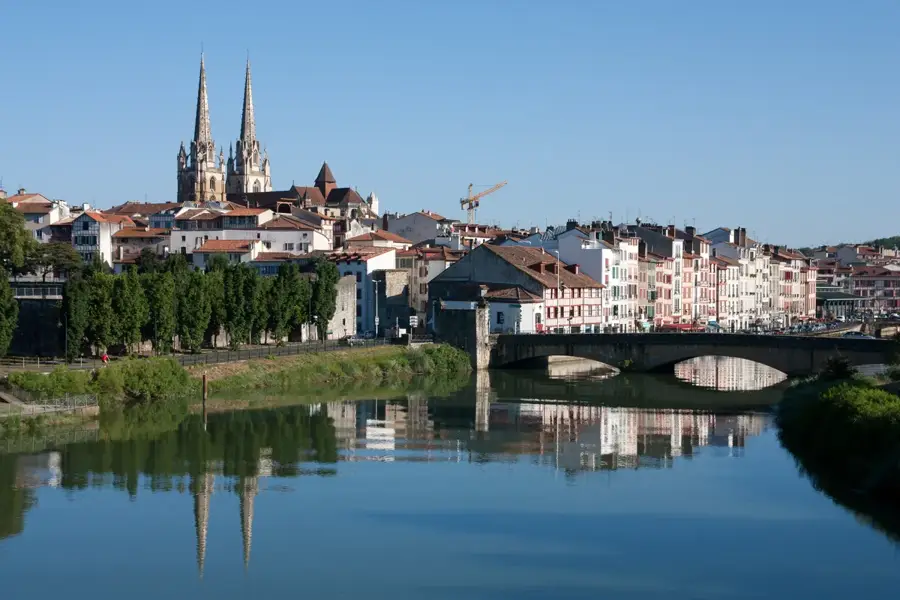
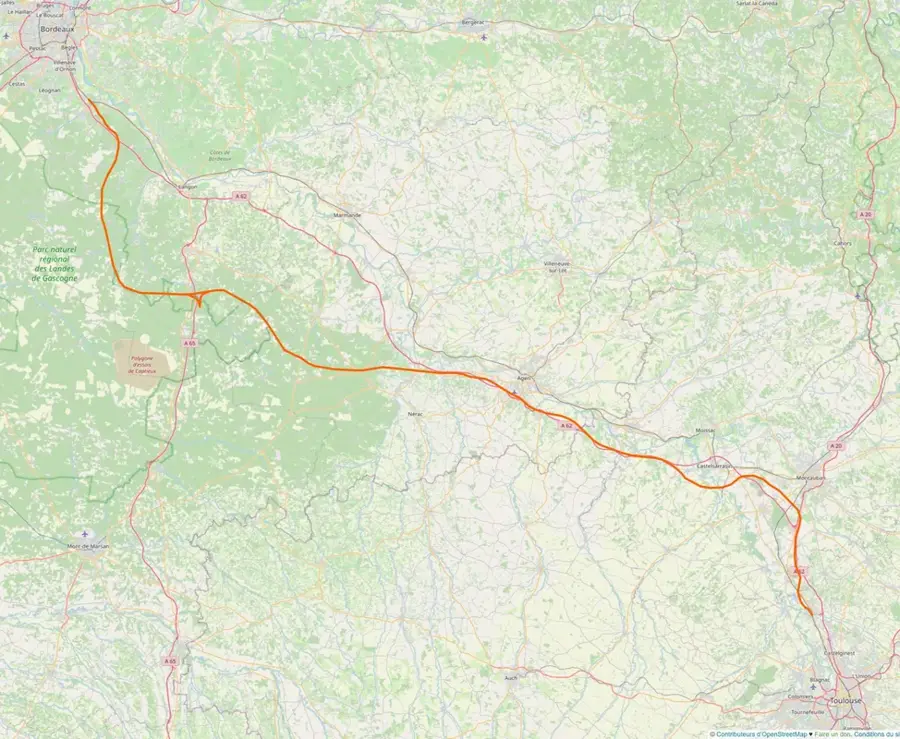
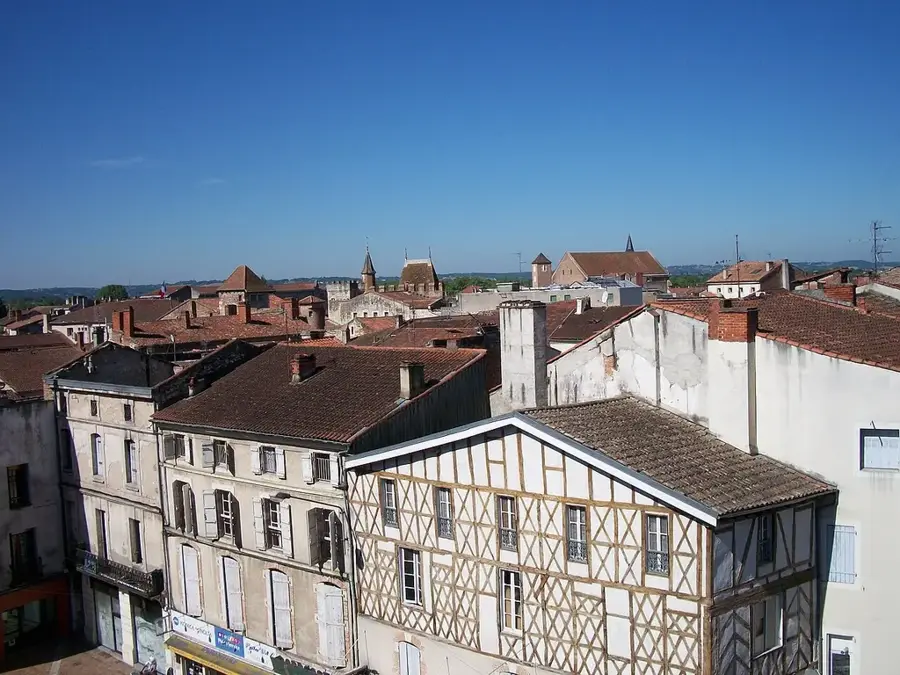
Agen is the capital of the Lot-et-Garonne department in the Nouvelle-Aquitaine region of southwestern France. Situated on the right bank of the Garonne River, the city is historically linked to the river and the Canal latéral à la Garonne, featuring an impressive 539-meter long canal bridge. The city is globally renowned as the capital of prunes, with the 'Pruneaux d'Agen' holding a protected geographical status since the Middle Ages. Architecturally, the Saint-Caprais Cathedral stands out, built in the 12th century on the foundations of a Roman basilica and listed as a UNESCO World Heritage site since 1998. Agen's history dates back to the Celtic Nitiobroges tribe and the Roman city of Aginnum, which served as a vital trade link between Toulouse and Bordeaux. Today, it remains a significant agricultural hub and home to a Fine Arts Museum that houses notable works, including several by Goya.
The most pleasant time to visit is Jun–Aug.
| Jan | Feb | Mar | Apr | May | Jun | Jul | Aug | Sep | Oct | Nov | Dec | |
|---|---|---|---|---|---|---|---|---|---|---|---|---|
| Avg °C | 5 | 6 | 9 | 12 | 16 | 20 | 23 | 23 | 19 | 15 | 9 | 5 |
| Rain mm | 66 | 46 | 56 | 66 | 74 | 57 | 44 | 47 | 44 | 56 | 63 | 59 |
Notable places around
Where do you start? We build the route here, with stops and country notes along the way.
© OpenStreetMap contributors · OpenRouteService
Discover Agen on foot, starting in the medieval heart at Place des Laitiers. After visiting the magnificent cathedral and the renowned fine arts museum, enjoy lunch on Boulevard de la République. Spend the afternoon at the historic Jacobins Church and finish the day with a stroll across the impressive canal bridge spanning the Garonne river.
By bike, you experience the best of nature and the city. Start at the monumental canal bridge, then pedal into the center to the cathedral. After lunch, a pleasant ride takes you south to the sprawling Passeligne Park, before returning along the riverbanks.
By car, you can comfortably reach the various highlights of Agen. Start with a walking tour of the historic center (Cluster 1), visiting the museum and the cathedral. In the afternoon, drive to the impressive canal bridge (Cluster 2) and finish your day relaxed at the sprawling Passeligne nature park in the south.