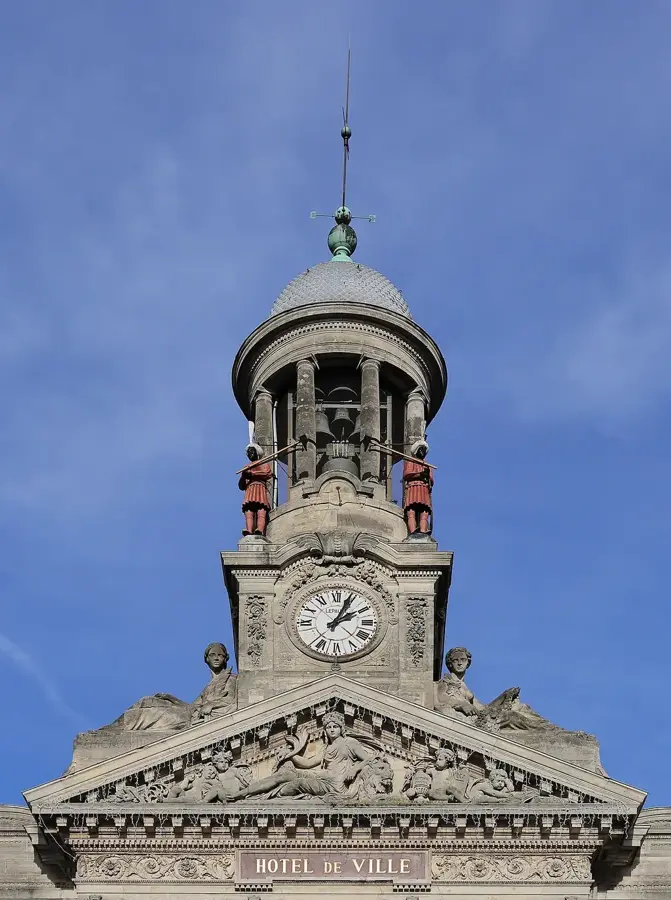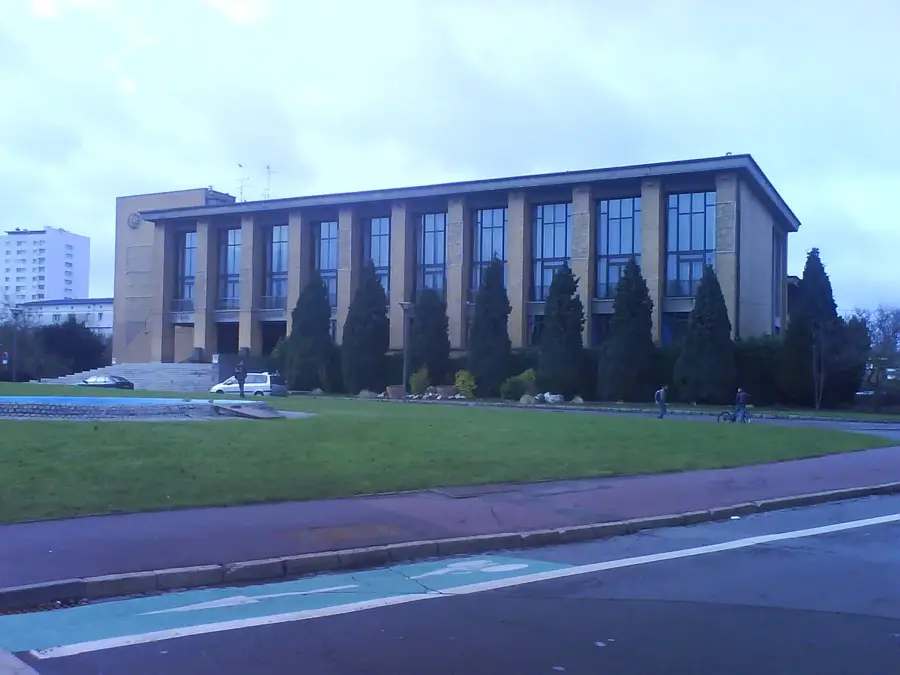
Tours of the Fabrique Théâtrale
Discover the historical heritage and behind-the-scenes secrets of this cultural venue.
Plizio Visual Lab
A hearty beef stew slow-cooked in regional dark beer, traditionally served in a local estaminet.
Grab authentic northern French fries from a roadside 'friterie' near the old mining base.
Taste an artisanal local beer to experience the strong and historic brewing culture of the region.
Look for items celebrating northern French mining heritage at the Base 11/19 site shop.
The sustainable farms in and around the town offer fresh organic vegetables and genuine local honey.
The reclaimed natural areas at the foot of the heaps are incredibly quiet and atmospheric at dawn.
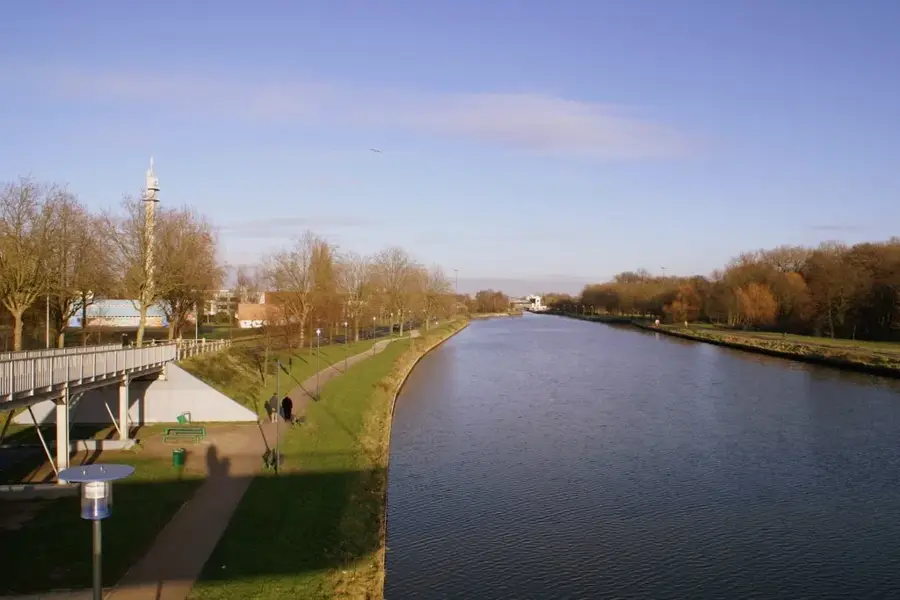
A peaceful spot that impressively highlights the community's transition from coal to green energy.
Water temperature…
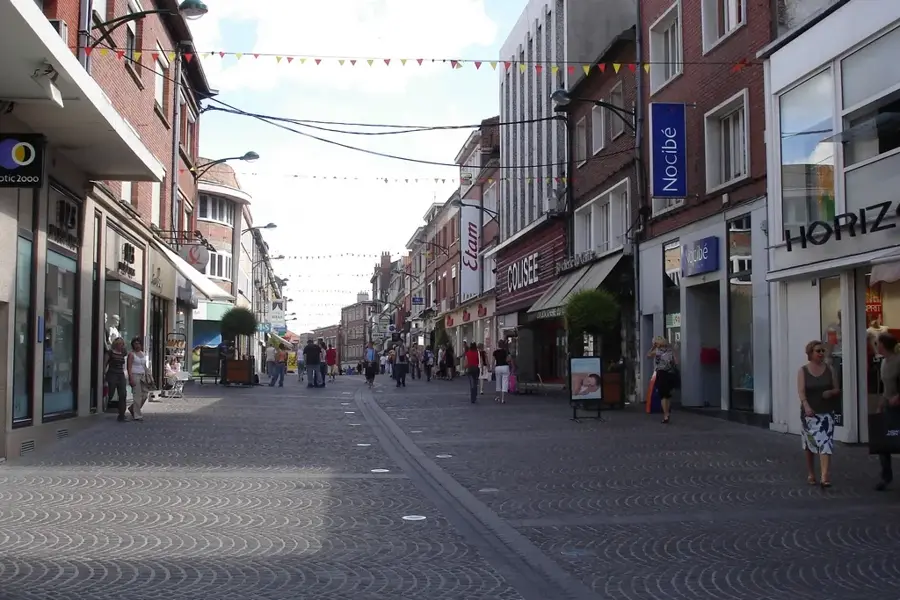
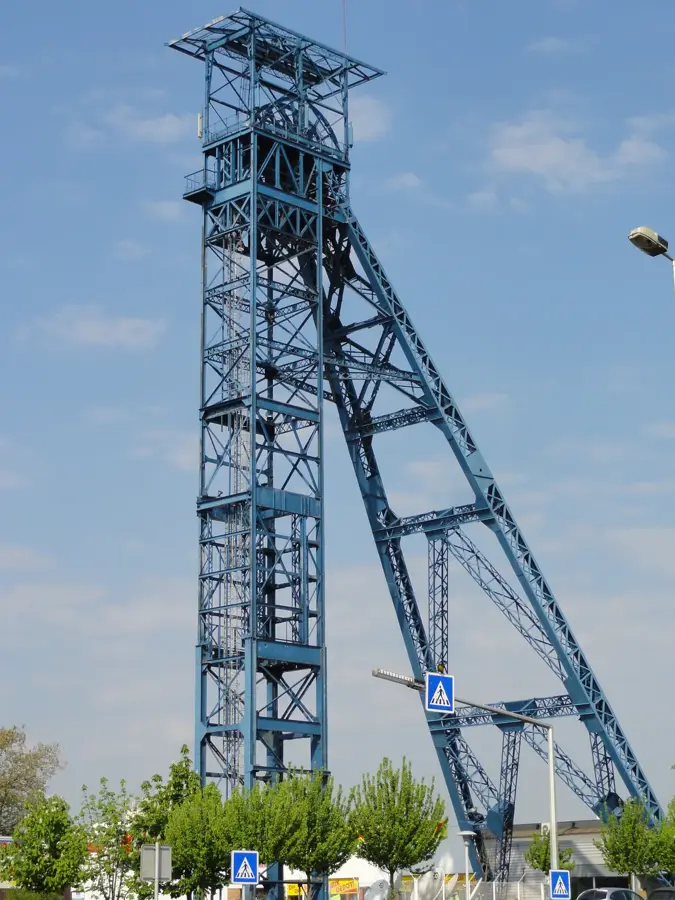
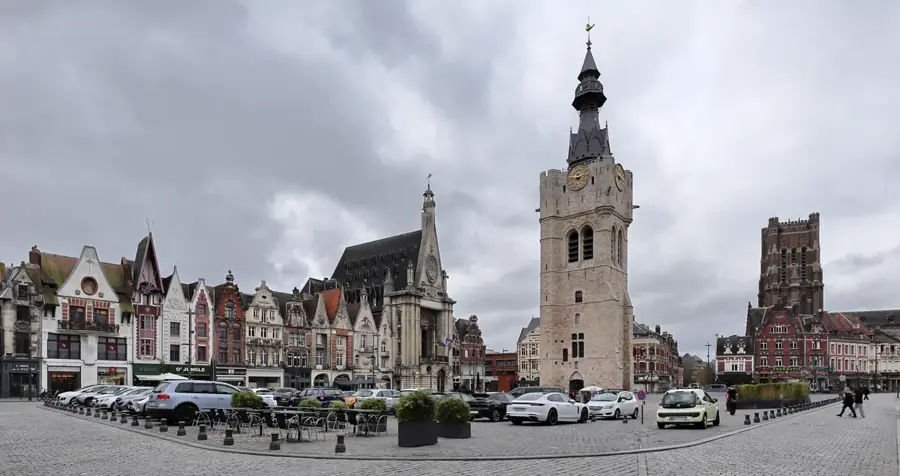
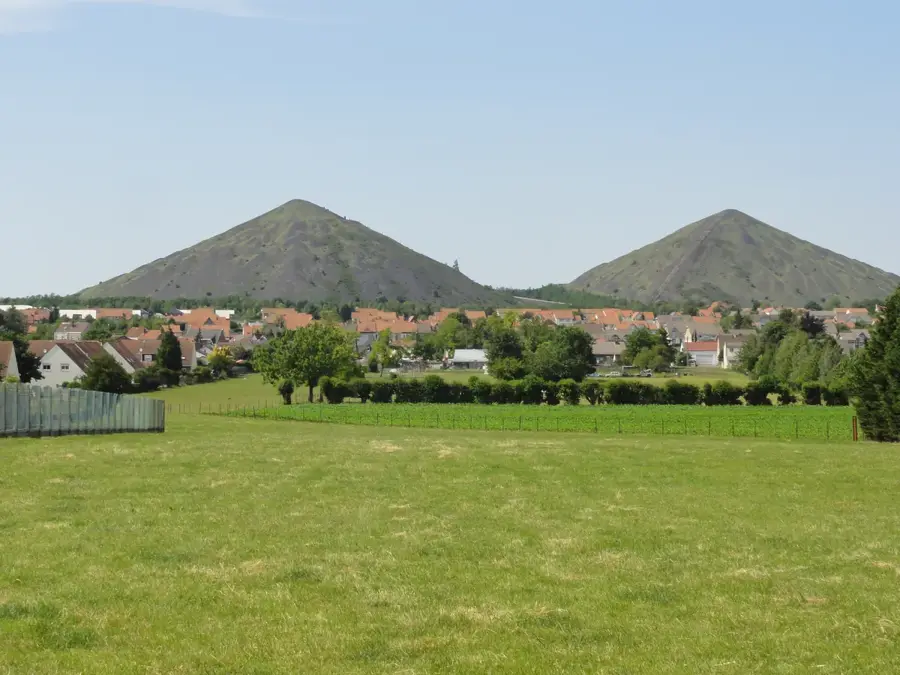
Loos-en-Gohelle is a town of immense symbolic value located in the Pas-de-Calais department of northern France. It is globally recognized for hosting the highest twin slag heaps (terrils) in Europe, known as number 11 and 19, which soar to 186 meters and are protected as a UNESCO World Heritage site. Following the cessation of coal mining in 1986, the town embarked on an extraordinary journey of reinvention. It is now celebrated as a national pioneer in ecological transition, focusing on sustainable urbanism, renewable energy, and social innovation. Historically, the town was central to the 1915 Battle of Loos during World War I, and the surrounding countryside is dotted with poignant military cemeteries and memorials that attract visitors from around the world. The town's architecture features the iconic red-brick 'corons', former miners' housing, that have been carefully preserved to maintain the community's identity. Geographically, the ascent of the slag heaps provides a unique vantage point over the Gohelle plain, showcasing a landscape where industrial heritage and nature have harmoniously merged. Today, Loos-en-Gohelle stands as a beacon of hope for post-industrial regions, demonstrating how a heritage based on coal can be transformed into a future based on green energy and environmental stewardship.
The most pleasant time to visit is Jun–Aug.
| Jan | Feb | Mar | Apr | May | Jun | Jul | Aug | Sep | Oct | Nov | Dec | |
|---|---|---|---|---|---|---|---|---|---|---|---|---|
| Avg °C | 3 | 4 | 6 | 10 | 13 | 16 | 18 | 18 | 15 | 11 | 7 | 4 |
| Rain mm | 60 | 55 | 53 | 41 | 59 | 61 | 68 | 73 | 52 | 65 | 71 | 74 |
Notable places around
Where do you start? We build the route here, with stops and country notes along the way.
© OpenStreetMap contributors · OpenRouteService