Plizio Visual Lab
Billy-Montigny
ℹ️Practical info — Billy-Montigny
▾
🌤 Weather — 5 days
📍 Nearby
Sights nearby
💡 Tips
- Visit the memorial for the tragic 1906 Courrières mine disaster to understand the profound local history.
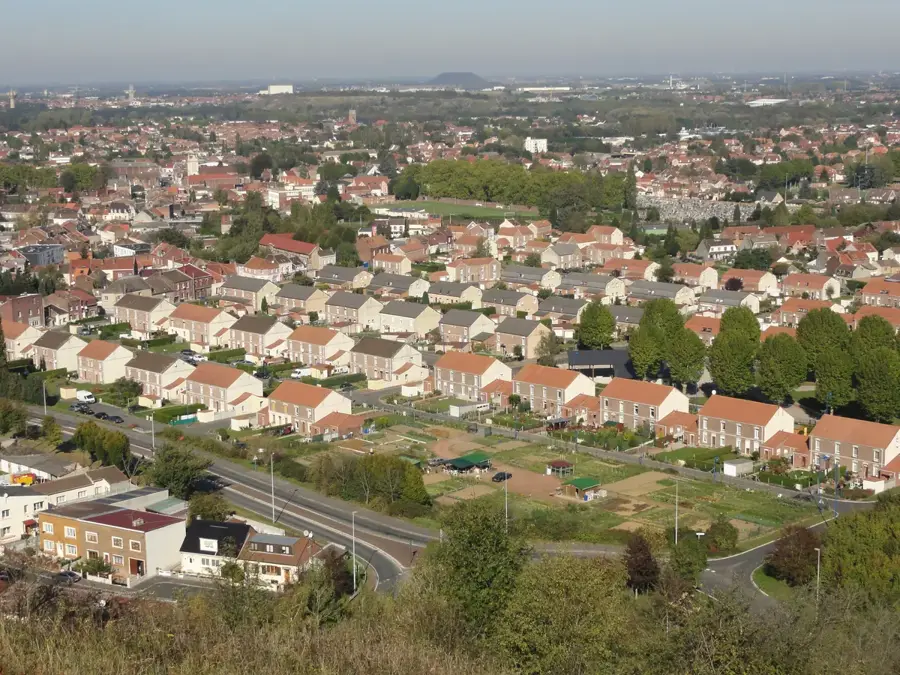
- Stroll through the historic "corons"-the iconic red-brick housing estates built for the coal miners.
- The town is well-served by regional trains, making it a convenient base for day trips to nearby Lens or Lille.
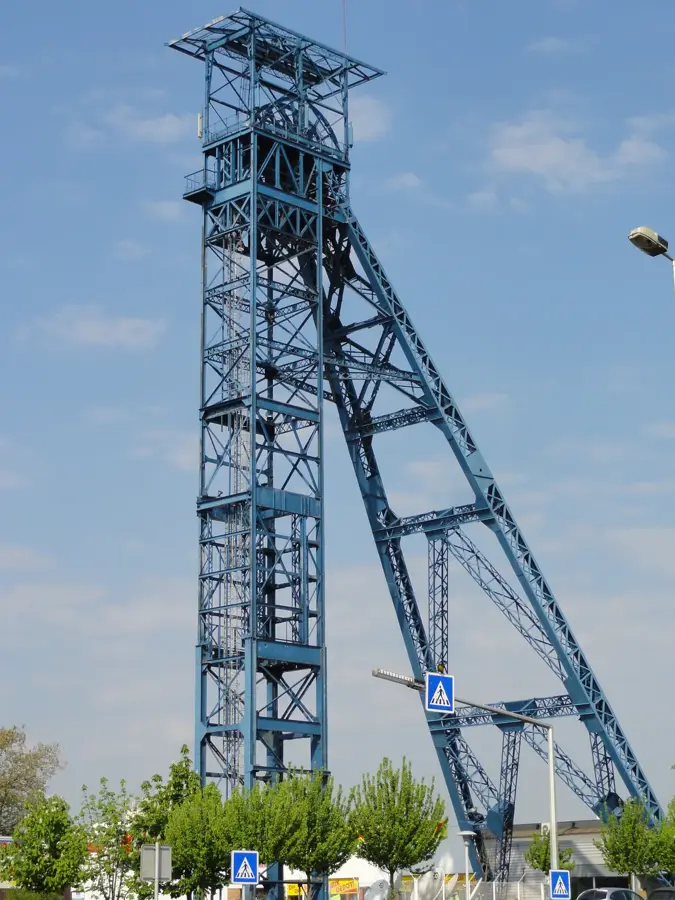
- Don't miss exploring the nearby "terrils" (slag heaps), which have been beautifully reclaimed by nature for hiking.
🍽 Food
Treat yourself to this comforting dish of melted cheddar, ham, and bread at a local brasserie.
Northern France has a strong brewing tradition; try a local draft at a neighborhood café.
Pick up some homemade terrines or sausages from a traditional town butcher.
🛍 Shopping · 🧘 Quiet spots
Mingle with locals and buy fresh regional produce at the bustling outdoor market.
Look out for a sweet "cramique" (raisin brioche) from a bakery on the main street.
A serene and respectful green space, great for quiet reflection.
Enjoy the peaceful walking trails and panoramic views from the tops of the nearby reclaimed mining hills.
Water temperature…
Billy-Montigny serves as a symbolic location in French mining history. The city gained solemn notoriety following the 1906 Courrières mine disaster, where over 1,000 miners lost their lives, an event that triggered global changes in industrial safety regulations. The townscape is almost entirely defined by the coal era: long rows of brick worker cottages (corons), former mining company administrative buildings, and distant slag heaps stand as witnesses to this past. Since the end of coal extraction in the 1980s, Billy-Montigny has undergone significant social and economic reinvention. Today, it is a residential community with a strong sense of solidarity, focused on preserving and promoting its unique cultural heritage. The memorial to the disaster victims remains a central site of remembrance. Geographically positioned near Lens, the city benefits from regional economic growth while proudly maintaining its historical identity as a 'Mining Town'.
- Location: Hauts-de-France, France
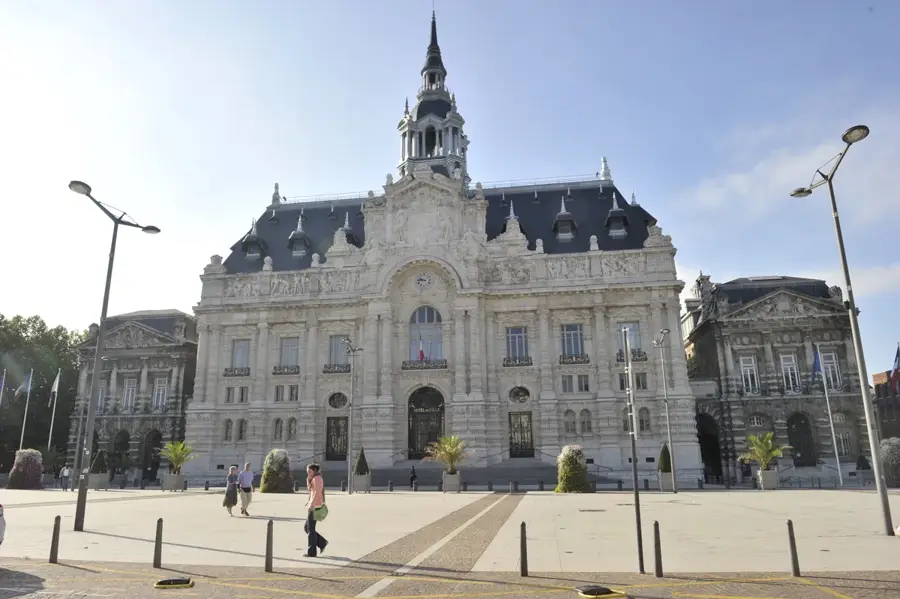
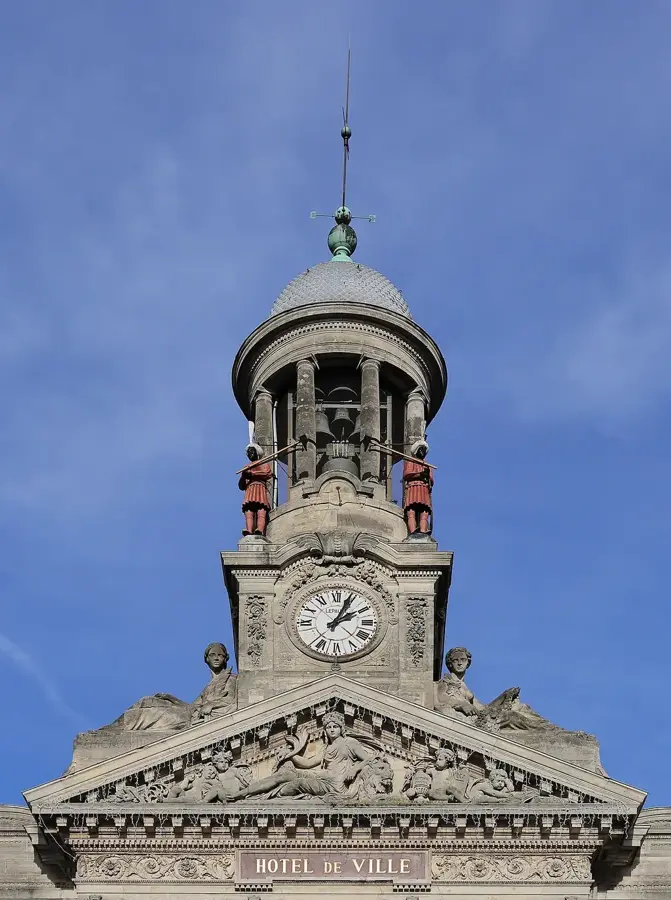
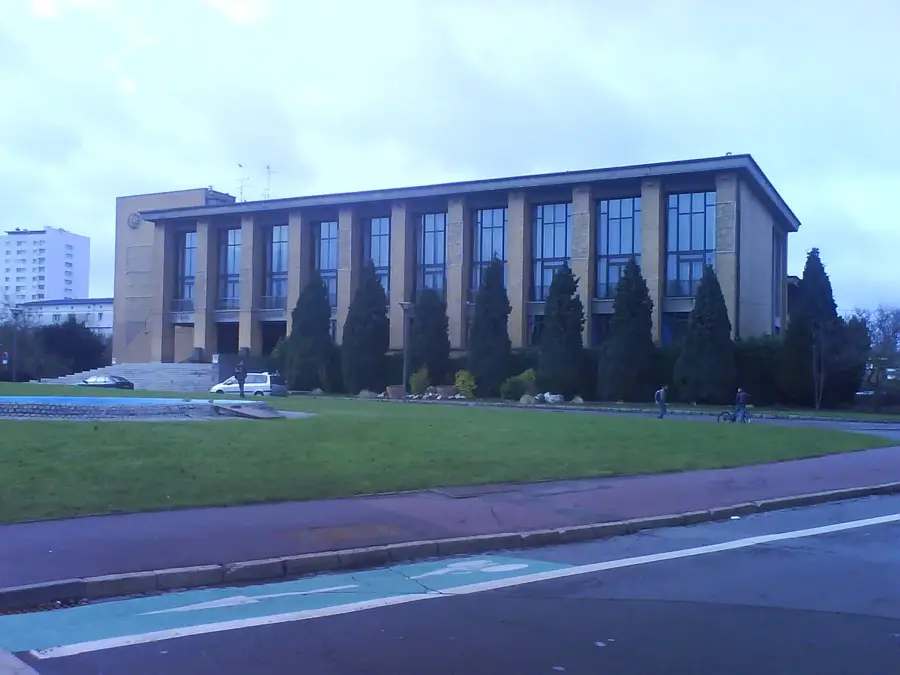
- Top sights: Monument de la Catastrophe de Courrières · Parc de la Fosse 2 · Mairie de Billy-Montigny
- Nearby: Courrières (5 km)
- Population: ~8.213
Best time to visit & climate
The most pleasant time to visit is Jun–Aug.
| Jan | Feb | Mar | Apr | May | Jun | Jul | Aug | Sep | Oct | Nov | Dec | |
|---|---|---|---|---|---|---|---|---|---|---|---|---|
| Avg °C | 3 | 4 | 6 | 10 | 13 | 16 | 18 | 18 | 15 | 11 | 7 | 4 |
| Rain mm | 60 | 55 | 53 | 41 | 59 | 61 | 68 | 73 | 52 | 65 | 71 | 74 |
Geography
Facts
- Total area: 2.71 km².
- Population density: over 3,000 residents per km².
- Date of the Courrières disaster: March 10, 1906.
- Elevation: ranges from 24 to 45 meters.
- Member of the Lens-Liévin urban community.
- UNESCO World Heritage status granted in 2012.
Explore nearby
Notable places around
Route planner — Car & Motorhome
Where do you start? We build the route here, with stops and country notes along the way.
© OpenStreetMap contributors · OpenRouteService
Sights in the town Billy-Montigny (7)
Frequently asked questions
What is Billy-Montigny historically known for?
Is there a memorial for the disaster?
Can you arrive by train?
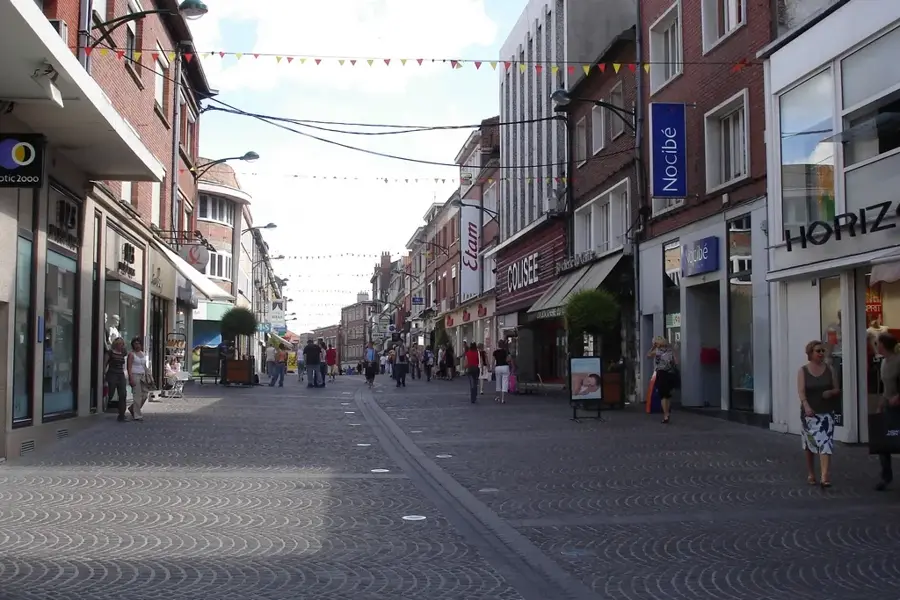
What is there to see in the city center?
Are there markets in Billy-Montigny?
Billy-Montigny: where is it located?
Billy-Montigny: what is there to see?
Billy-Montigny: when is the best time to visit?
Billy-Montigny: why is it worth visiting?

Nearby cities