Plizio Visual Lab

Saône Plain
Plizio editorial teamData Sources
valley
—°4
Saône Plain (France)

Weather…

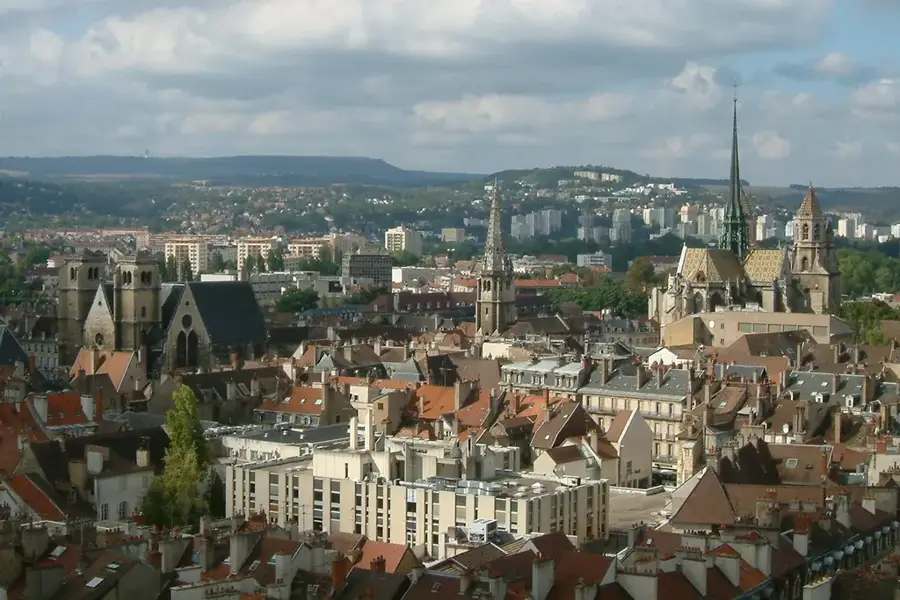
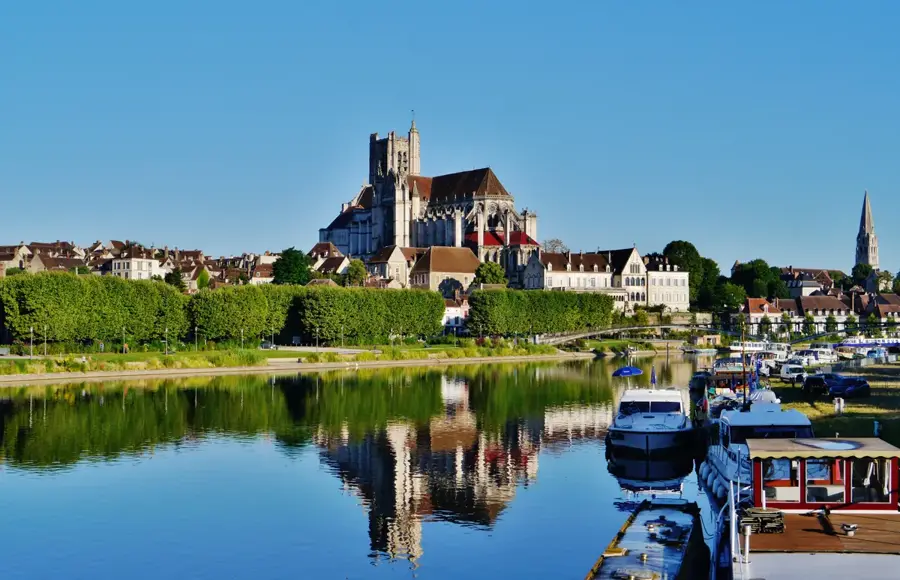
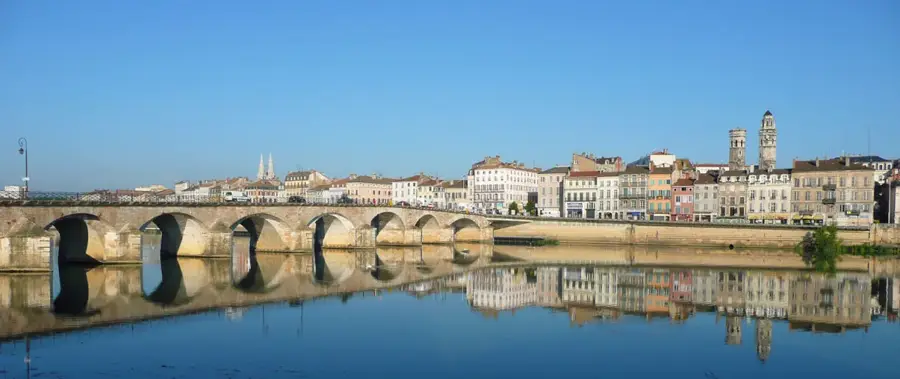
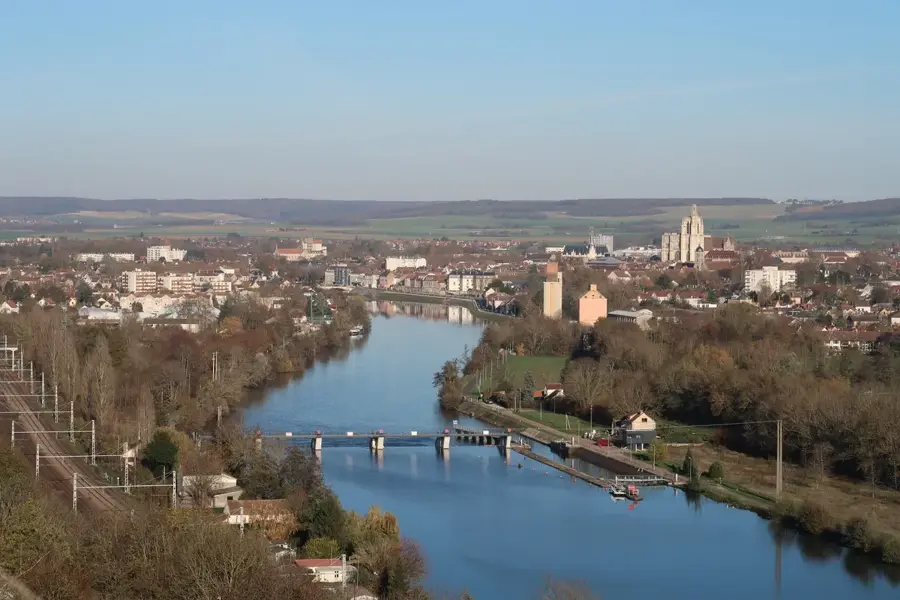
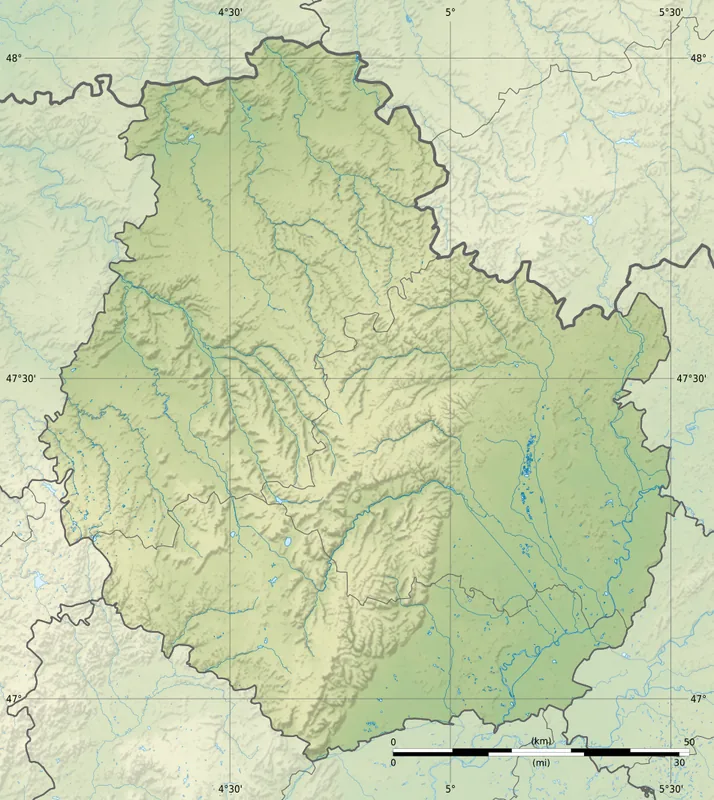
The Saône Plain is an extensive tectonic depression in eastern France, located between the Massif Central to the west and the Jura Mountains to the east. Forming part of the European Cenozoic Rift System, this low-lying area was shaped over millions of years and filled with fertile alluvial deposits from the Saône River and its tributaries. The terrain is characterized by its flatness, with elevations typically ranging from 170 to 220 meters, which has made it a good landscape for large-scale agriculture. The region is a vital agricultural heartland, known for intensive cereal farming and livestock breeding, supported by a semi-continental climate. Beyond its economic role, the Saône Plain has served as a critical north-south transport corridor since Roman times, linking the Mediterranean world with Northern Europe. Today, it remains a central artery for French infrastructure, hosting major highways, high-speed TGV rail lines, and an intricate network of navigable canals that connect the Rhône, Rhine, and Seine basins.

Best time to visit & climate

The most pleasant time to visit is Jun–Aug.

JanFebMarAprMayJunJulAugSepOctNovDec
Avg °C2261014182020161162
Rain mm655262638373717757848578

📋 Practical info

🧭
Getting there
The broad river plain is ideally accessed via the main transport routes of eastern France, featuring numerous bridges and riverside roads that serve as excellent starting points for various explorations.
📅
Best season
From mid-spring to early autumn is definitely the best time to visit this agriculturally dominated area, when the fields are blooming and the temperatures are highly pleasant for long cycling tours.
⛰️
Terrain & paths
Typical for a river plain, the land is extremely flat and easy to navigate, crisscrossed by a dense network of well-developed paths that are perfectly suited for relaxed cycling and easy walking.
🎒
What to bring
For the flat routes, only comfortable leisure footwear is required; however, for longer stays outdoors, one should always keep some basic provisions, plenty of water, and adequate sun protection handy.
🅿️
Parking
In the villages and small towns situated along the river, as well as at most locks and designated picnic areas, there are generally plenty of convenient parking options available for arriving visitors.
⚠️
Safety
The region is extremely safe; special caution is only required during walks directly on the unsecured riverbanks or when approaching heavy agricultural machinery on the somewhat narrow country roads.
⏱️
Time needed
The duration of the stay is highly flexible, ranging from a short walk along the riverbank to cycling tours lasting several hours to fully enjoy the true vastness of this extensive, peaceful plain.

Geography

Coordinates
47.00000, 5.16670

Facts

  • The plain spans approximately 200 km from north to south.
  • The Saône river is the main waterway, flowing 473 km in total.
  • The rift valley was formed during the Oligocene epoch.
  • Average annual precipitation in the plain is around 800-1000 mm.
  • The plain connects the Mediterranean basin with the Rhine valley.
  • It features some of the most productive silty-clay soils in France.

Explore nearby

Notable places around

Route planner — Car & Motorhome

Where do you start? We build the route here, with stops and country notes along the way.

Vehicle
Only stops with (optional):

© OpenStreetMap contributors · OpenRouteService

Sights in the town Saône Plain (4)

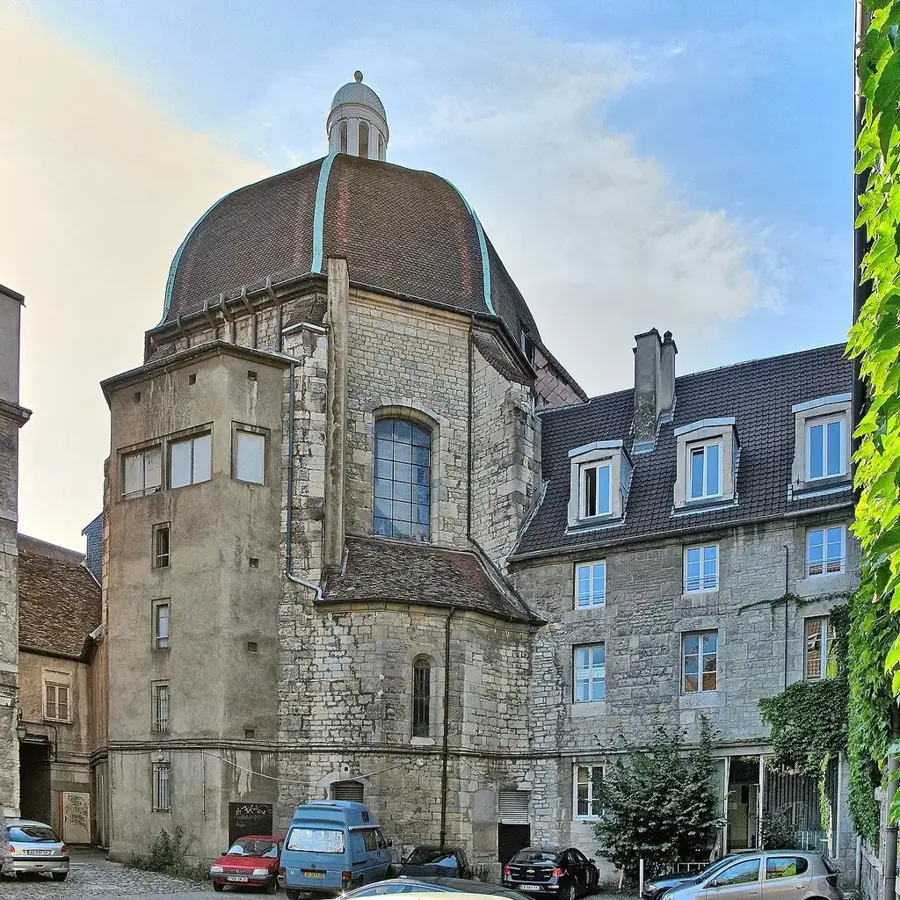
Église Saint-Martin⛪ religious

A traditional church dedicated to Saint Martin in the Saône Plain region.

Église de la Nativité de la Vierge⛪ religious

A religious site dedicated to the Nativity of the Virgin Mary.

Église paroissiale Saint-Antoine⛪ religious

Parish church of Saint-Antoine, built around 1200, in the Saône plain.

Sights nearby

Frequently asked questions

Where is the Saône Plain located?
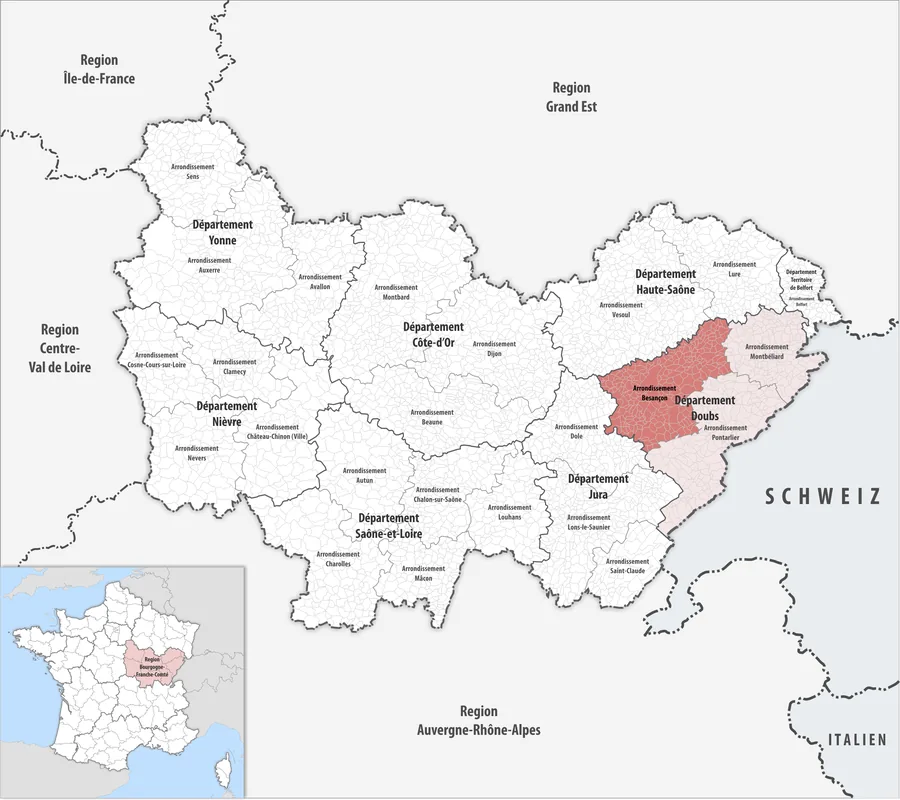
The plain stretches along the Saône river in eastern France, primarily within the Burgundy and Franche-Comté regions.
What are the main agricultural products?
The region is known for cereal cultivation and the famous Bresse poultry, raised in the eastern part of the plain.
Is the plain suitable for cycling?
Yes, the flat terrain features excellent conditions for cycling, especially along the Voie Bleue route by the river.
Which cities are located in this region?
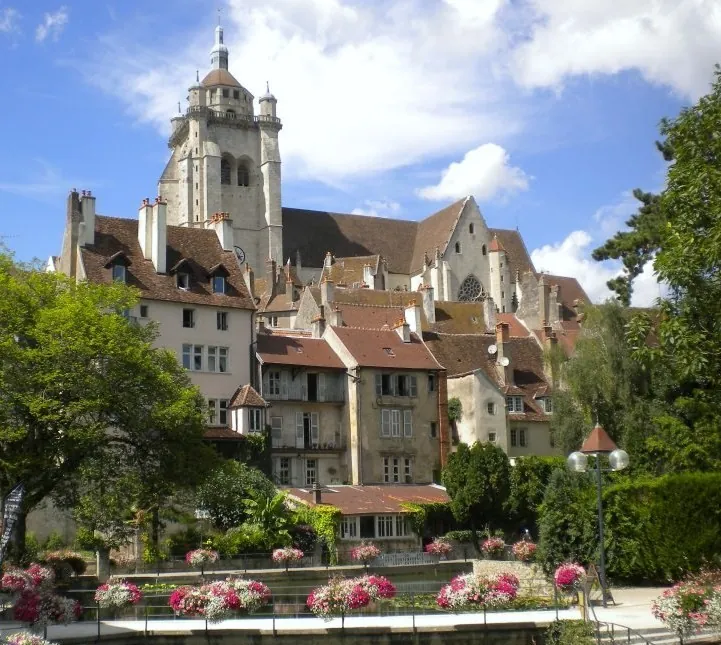
Major urban centers include Chalon-sur-Saône, Mâcon, and Dole, serving as historic hubs.
Is there a risk of flooding?
The Saône often floods in winter and spring, leading to the formation of fertile wet meadows across the plain.
Saône Plain: where is it located?
Saône Plain is located in Bourgogne-Franche-Comté, France.
Saône Plain: what is there to see?
Highlights include Musée de plein air Étang Rouge, Église Saint-Martin, Église de la Nativité de la Vierge.
Saône Plain: when is the best time to visit?
The most pleasant time to visit is Jun, Aug.
Saône Plain: why is it worth visiting?

The Saône Plain is an extensive tectonic depression in eastern France, located between the Massif Central to the west and the Jura Mountains to the east.
View on map → The Top 50 Attractions → Most beautiful beaches → OpenStreetMap →
Europe
Explore with Plizio Discover more places in Europe
More places in France →

Nearby cities