Guided tour "Dijon, urban jungle!"
Explore the hidden natural spots and green architecture of Dijon during this original and engaging guided walking tour.
Plizio Visual Lab
The classic regional beef stew, braised in red wine. Look for traditional restaurants around Place de la Libération.
Savory cheese pastries, often served as an appetizer. You can find them in almost any good bakery in town.
The famous aperitif made of Crème de Cassis and white wine. Try it at a wine bar in the old town.
The historic covered market is open several mornings a week and features fantastic regional specialties.
Buy authentic mustard. Along Rue de la Liberté you will find historic shops where mustard is freshly pumped on tap.
A botanical garden featuring an arboretum, situated slightly away from the main hustle and bustle.
The paths along the canal are excellent for quiet walks or cycling trips starting right from the city center.
Water temperature…
Explore the hidden natural spots and green architecture of Dijon during this original and engaging guided walking tour.
Catch the talented French comedian Rosa Bursztein live in Dijon with her witty and insightful stand-up comedy performance.
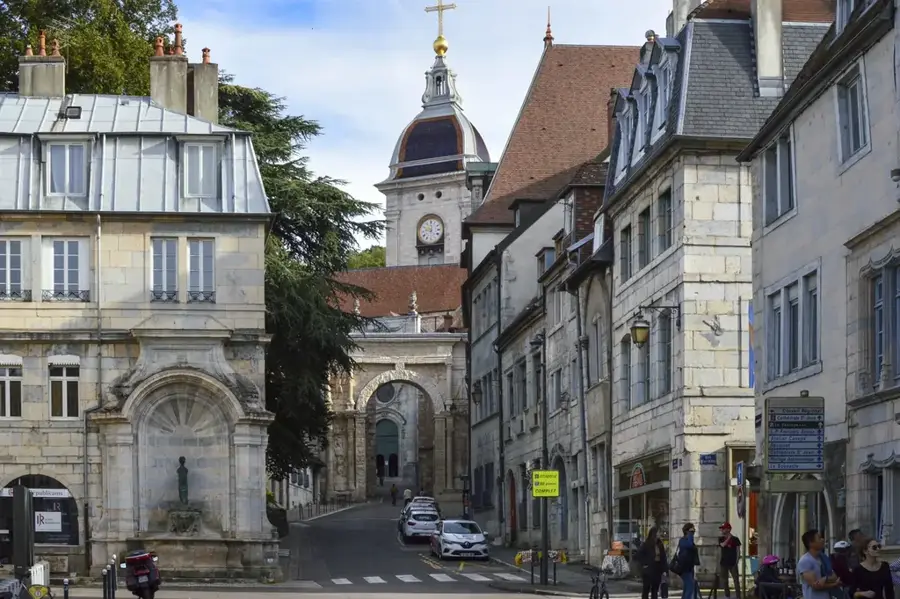
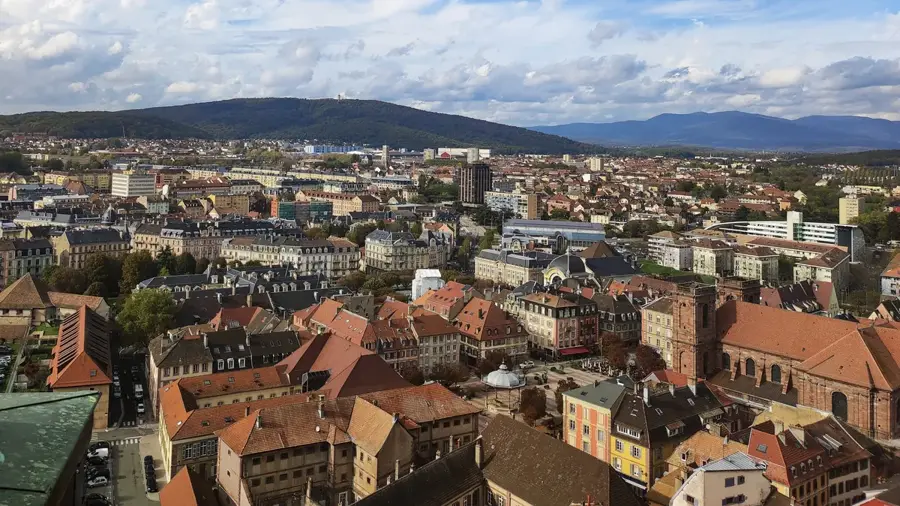
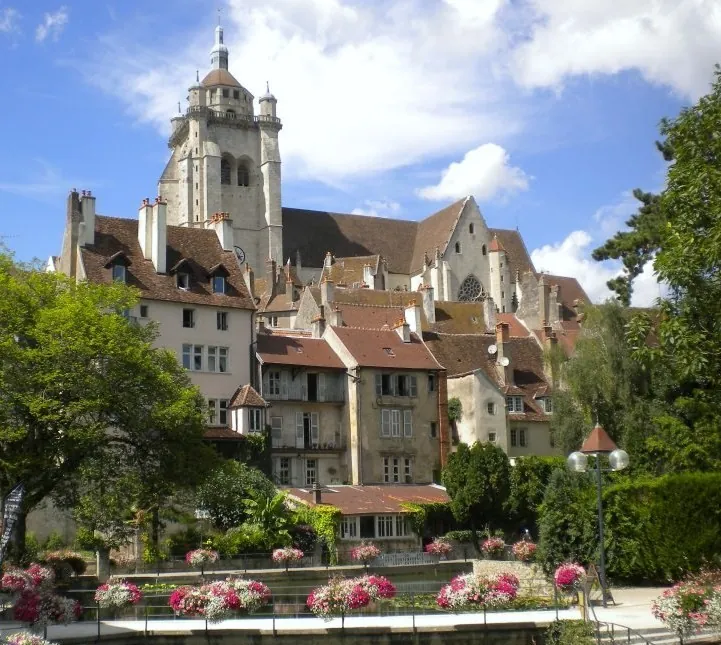
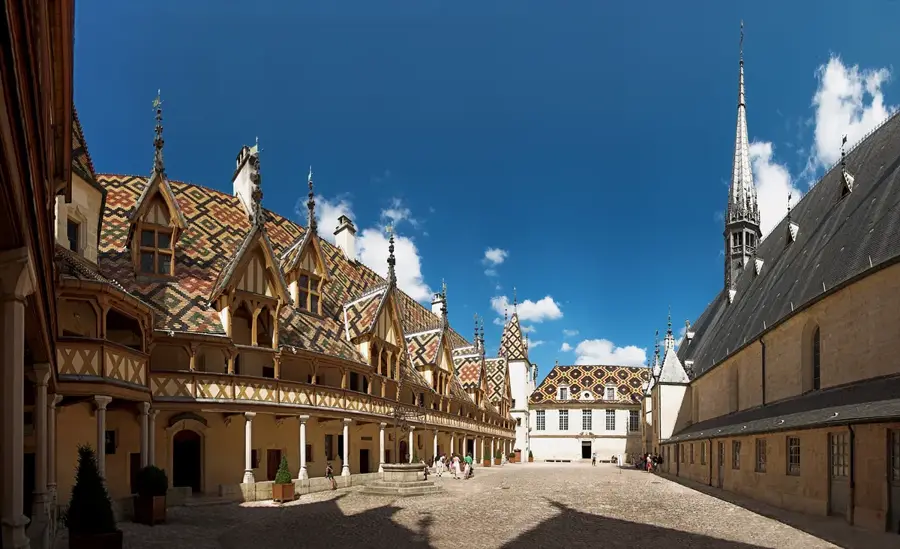
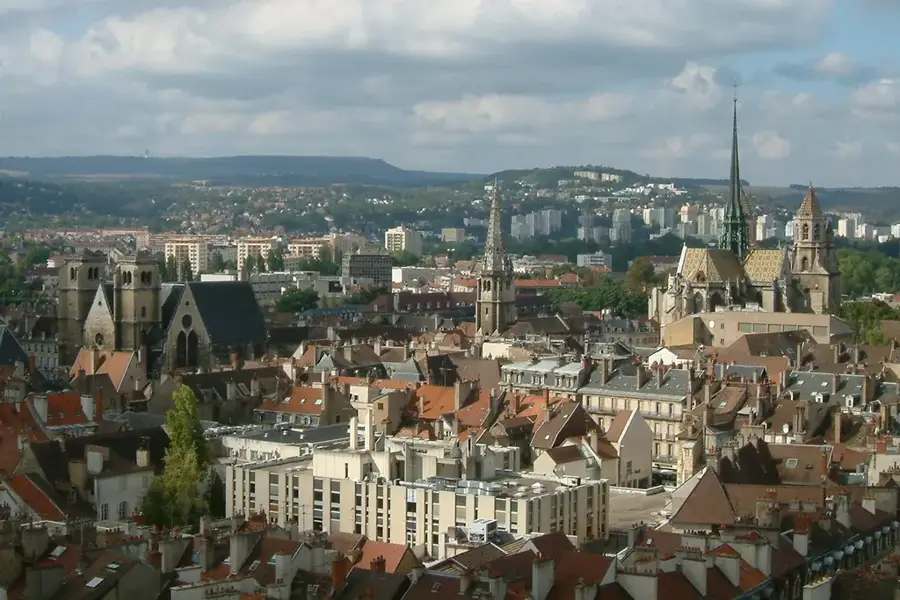
Dijon is the historic capital of the Duchy of Burgundy and the modern-day center of the Bourgogne-Franche-Comté region in eastern France. The city experienced its greatest prosperity during the 14th and 15th centuries under the Dukes of Burgundy, who maintained one of the most magnificent courts in Europe. The architectural legacy of this era remains visible in the remarkably preserved medieval center, most notably in the Palace of the Dukes and the States of Burgundy. Beyond its political history, Dijon is internationally famous for its culinary traditions, particularly Dijon mustard, which saw its recipe refined in the 18th century by Jean Naigeon. The city is also a major educational hub, home to the University of Burgundy, which contributes to its lively atmosphere. The 13th-century Church of Notre-Dame is a masterpiece of Burgundian Gothic architecture and features a small stone owl carved into its facade, legendary as a bringer of good luck. Since 2015, the historic center has been listed as a UNESCO World Heritage site as part of the Climats of the Burgundy vineyard.
The most pleasant time to visit is Jun–Aug.
| Jan | Feb | Mar | Apr | May | Jun | Jul | Aug | Sep | Oct | Nov | Dec | |
|---|---|---|---|---|---|---|---|---|---|---|---|---|
| Avg °C | 1 | 2 | 6 | 10 | 13 | 17 | 19 | 19 | 15 | 11 | 5 | 2 |
| Rain mm | 64 | 51 | 59 | 57 | 79 | 70 | 65 | 72 | 53 | 77 | 76 | 74 |
Notable places around
Where do you start? We build the route here, with stops and country notes along the way.
© OpenStreetMap contributors · OpenRouteService
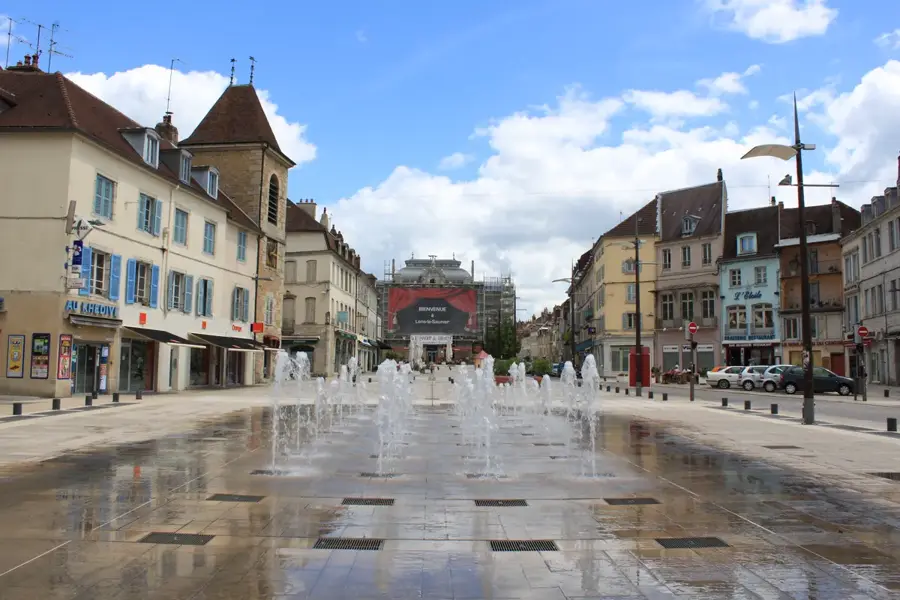
Start your day in the heart of Dijon at the majestic Place de la Libération. Explore the Ducal Palace and its art treasures before seeking out the famous owl at Notre-Dame. For lunch, immerse yourself in the vibrant atmosphere of the Les Halles market. Spend the afternoon uncovering the cathedral's history and enjoying a relaxing stroll through the botanical garden.
Start your day at Place de la Libération, where the rain adds a glossy finish to the limestone facades. Take shelter in the Palace of the Dukes, exploring the vast art collections indoors. For lunch, the covered Les Halles market provides a dry sanctuary for foodies. End your afternoon admiring the intricate interiors of the city's gothic churches while staying dry.
Experience Dijon's winter charm starting at Place de la Libération with a warming drink. The Ducal Palace provides a grand escape from the crisp air while showcasing Burgundy's heritage. Enjoy hearty regional fare at Les Halles market for lunch. Make the most of the short daylight to see the illuminated cathedral before the sun sets around 5 PM.
Discover Dijon on two wheels! From Place Darcy, cycle through the historic center to the magnificent Ducal Palace. After a market visit, the path leads south to the spacious Colombière Park. On your way back, see the impressive Well of Moses before relaxing in the Arquebuse Garden.
Cycling through Dijon in the rain means quieter streets but requires extra care. Start at Place Darcy and head to the Ducal Palace for an indoor break. Parc de la Colombière has a moody charm in the wet, just watch out for slippery leaves. Finish at Jardin de l'Arquebuse, where the glasshouses provide a lush, dry escape.
A winter bike ride through Dijon is brisk and refreshing. Start well-layered at Place Darcy. The Ducal Palace looks stunning in the clear winter light. Warm up at Les Halles market for lunch. The ride to Parc de la Colombière offers crisp air, but watch out for icy patches in shaded areas. Plan to finish early as twilight begins around 4:30 PM.
This car tour combines the highlights of Dijon with the charm of the nearby vineyards. After visiting the Ducal Palace and the market, drive to the historic Well of Moses. Then, head south out of the city to Marsannay-la-Côte, the start of the famous Côte de Nuits wine region, for an exclusive tasting.
Enjoy Dijon and its surroundings from the comfort of your car. After visiting Place de la Libération, head to the Well of Moses, which is well-sheltered. The drive through the vineyards to Marsannay-la-Côte offers scenic views of the Burgundian countryside even in the rain. Wine tastings at Château de Marsannay are the perfect rainy-day activity.
Discover winter in Burgundy from the driver's seat: start at the festively lit Place de la Libération. Visit the Ducal Palace before heading to the Well of Moses. The drive to Marsannay showcases the stark but elegant lines of the winter vineyards. At Château de Marsannay, fine Burgundian wine will warm you up during a cellar tour.