Robin Maxime - Classical Masterpieces
A virtuoso concert featuring legendary works from the Spanish and South American classical repertoire.
Plizio Visual Lab
A classic, rich beef stew cooked in red wine, served at traditional brasseries around the Place de la Libération.
Taste unique flavored mustards at the historic specialist shops along the Rue de la Liberté.
A popular local aperitif made with dry white wine and Crème de Cassis (blackcurrant liqueur), available in almost every bistro.
The Eiffel-inspired covered market, great for picking up regional cheeses, charcuterie, and wines.
The main shopping street, featuring a mix of modern boutiques, traditional food shops, and remarkable architecture.
A beautiful park near the entrance to the historic center, featuring water cascades and a famous polar bear sculpture.
A secluded, shady little square hidden right behind the Ducal Palace, offering a peaceful retreat.
A larger, quiet green space just outside the medieval center, featuring diverse plant species and relaxing paths.
Water temperature…
A virtuoso concert featuring legendary works from the Spanish and South American classical repertoire.
In the heart of the Burgundy wine region, Dijon celebrates the grape harvest each autumn with tastings along the nearby Côte de Nuits and Côte de Beaune.
One of France's largest gastronomy fairs, held annually in autumn (October to November) with Burgundy wines, mustard, cheese and regional specialities.
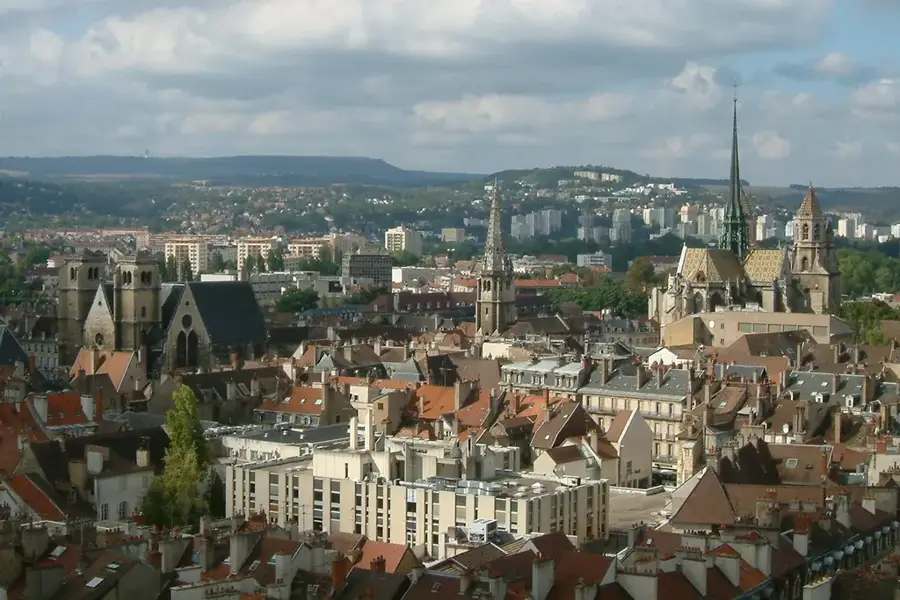
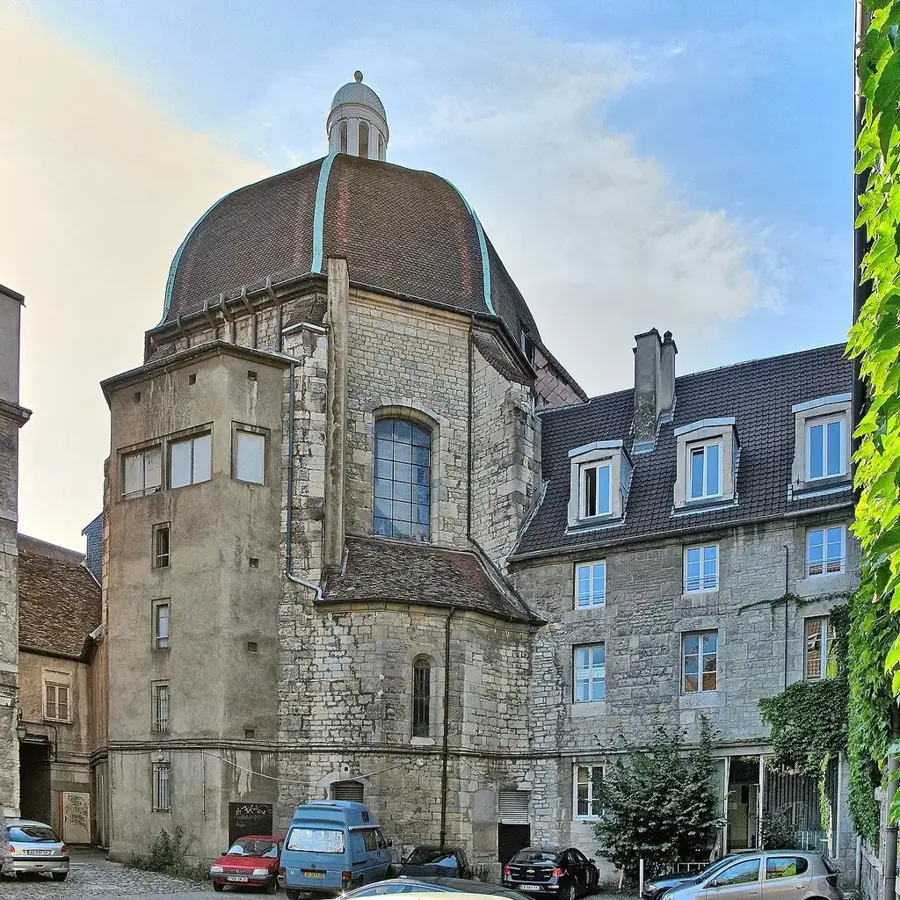
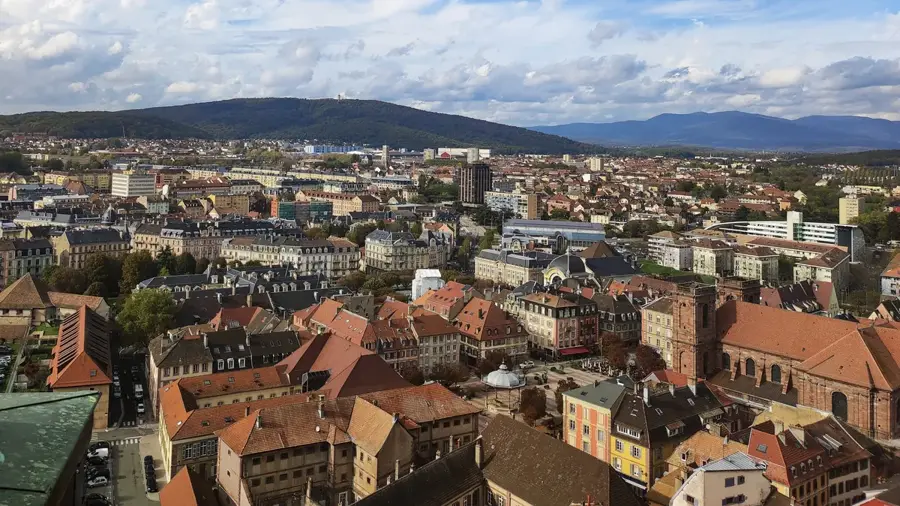
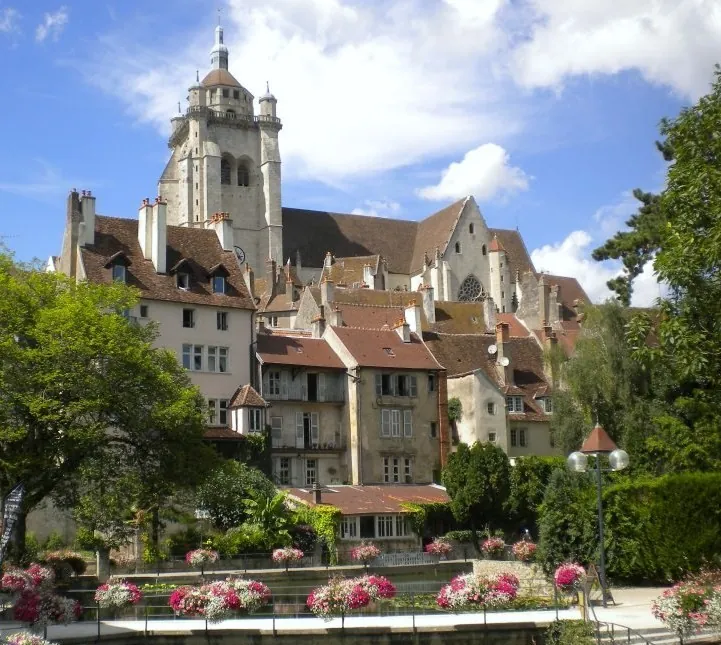
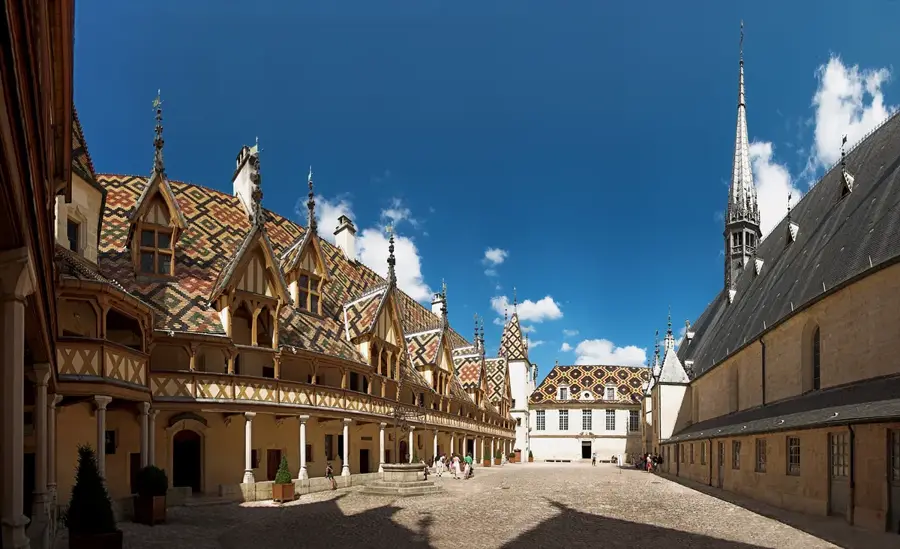
Dijon, the historic capital of the Duchy of Burgundy in eastern France, is world-renowned for its exceptional architectural heritage and culinary traditions. Its city center, designated a UNESCO World Heritage site in 2015, is centered around the Palace of the Dukes and Estates of Burgundy, a monumental complex that showcases the immense power of the Burgundian dukes during the 14th and 15th centuries. The urban fabric is rich with half-timbered houses and grand Renaissance private mansions, reflecting centuries of regional prosperity. Notable landmarks include the Church of Notre-Dame, famous for its facade of gargoyles and the small carved owl, which has become the city's unofficial lucky mascot. Dijon is also the global center of mustard production and serves as the gateway to the prestigious vineyards of the Côte d'Or. As home to the University of Burgundy and a major rail hub, the city today balances its academic prestige with a bustling food scene. The Cité Internationale de la Gastronomie et du Vin further cements Dijon's status as a capital of French gastronomy and oenology.
The most pleasant time to visit is Jun–Aug.
| Jan | Feb | Mar | Apr | May | Jun | Jul | Aug | Sep | Oct | Nov | Dec | |
|---|---|---|---|---|---|---|---|---|---|---|---|---|
| Avg °C | 1 | 2 | 6 | 10 | 13 | 17 | 19 | 19 | 15 | 11 | 5 | 2 |
| Rain mm | 64 | 51 | 59 | 57 | 79 | 70 | 65 | 72 | 53 | 77 | 76 | 74 |
Notable places around
Where do you start? We build the route here, with stops and country notes along the way.
© OpenStreetMap contributors · OpenRouteService
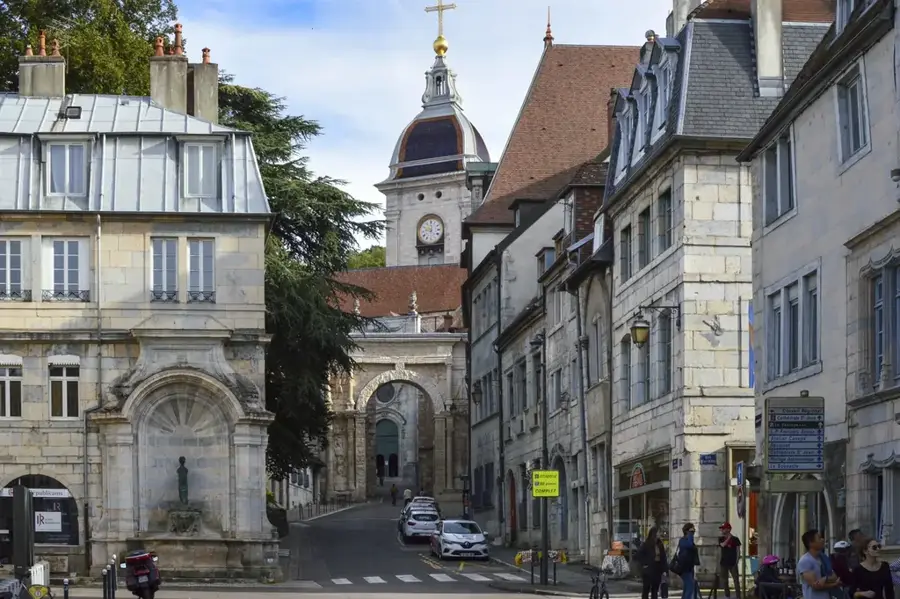
Start your day at Porte Guillaume, the grand entrance to the old town. After visiting the majestic Cathedral, head to Notre-Dame Church to find the lucky owl carved into the stone. Enjoy a traditional Burgundian lunch at Place de la Libération. Spend your afternoon exploring the Palace of the Dukes and the Fine Arts Museum, ending with a peaceful stroll through the Jardin des Sciences botanical garden.
Explore Dijon on two wheels! Start in the green Science Garden, cycle to the Cathedral, and after lunch, visit the folk museum before reaching the majestic Ducal Palace.
Exploring Dijon by car means strategic parking. First, visit the cluster near the station (Garden and Cathedral), then drive to the city center for the Ducal Palace and a leisurely lunch.