Plizio Visual Lab
Rives
ℹ️Practical info — Rives
▾
🌤 Weather — 5 days
📍 Nearby
Sights nearby
💡 Tips
- Prepare for a hilly town; comfortable walking shoes are essential for exploring the steep streets connecting the upper and lower parts.
- To understand the town's history, look out for the old paper mills along the Fure river.
- If you're driving, park in the free lots on the edge of town, as the historical center has very narrow streets.
- It's a great base for exploring the Chartreuse Regional Nature Park, which is just a short drive away.
- Keep an eye out for beautiful 19th-century industrial mansions (châteaux de l'industrie) hidden behind tall gates.
🍽 Food
Traditional baked potatoes with cream and garlic. A staple side dish in most local traditional restaurants.
A soft, creamy cow's milk cheese from the region. Buy it perfectly ripe from a fromagerie in the town center.
Tiny pasta squares filled with cheese and herbs. Often served in a creamy sauce at local brasseries.
🛍 Shopping · 🧘 Quiet spots
Notebooks or stationery reflecting the town's papermaking heritage. Look for small craft shops or local heritage exhibitions.
Famous regional walnuts (Noix de Grenoble). Available in bakeries as walnut tart or raw in grocery stores.
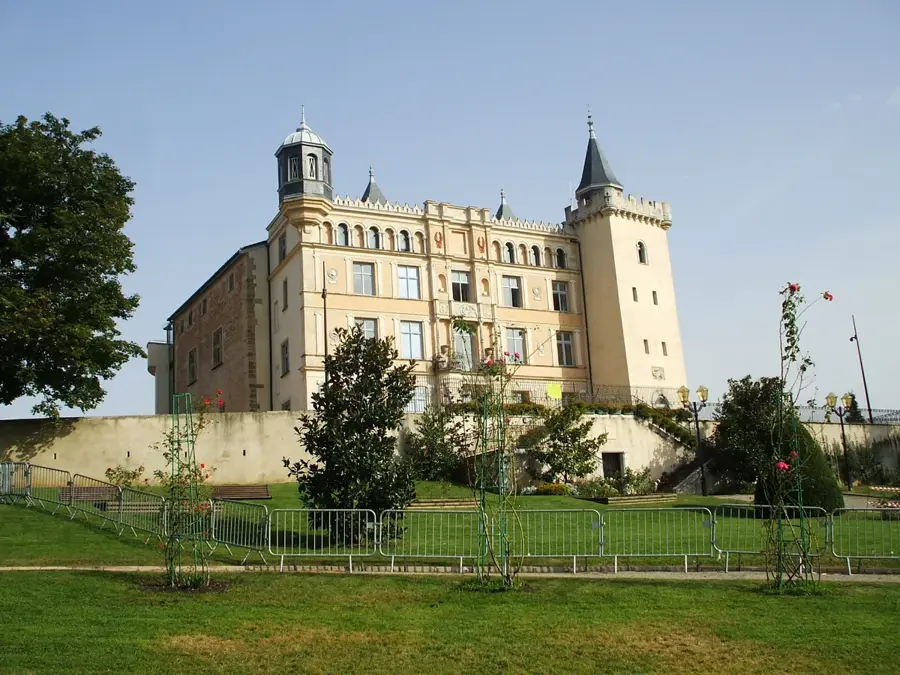
A beautiful public park with ancient trees and a chateau. Great for a relaxing afternoon picnic.
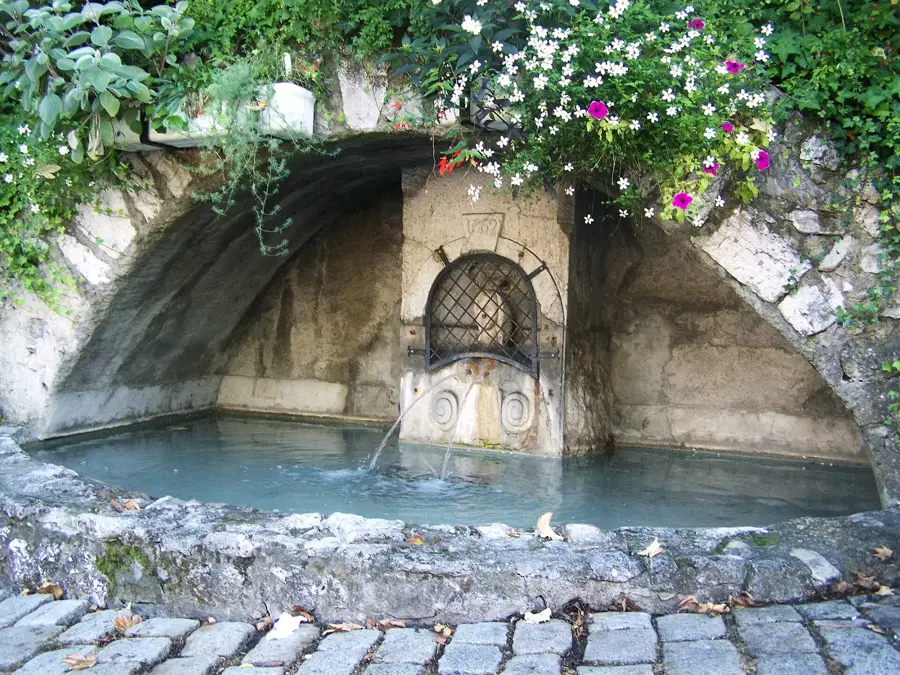
Walk along the Fure river to see the water that powered the historic mills. The path is cooler and gives a glimpse into the industrial past.
Water temperature…
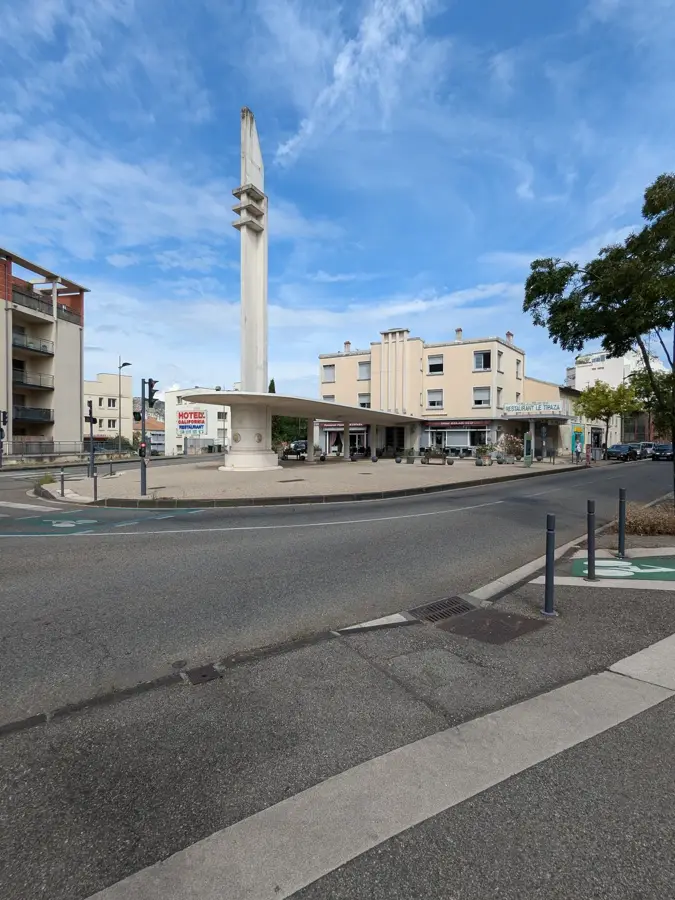
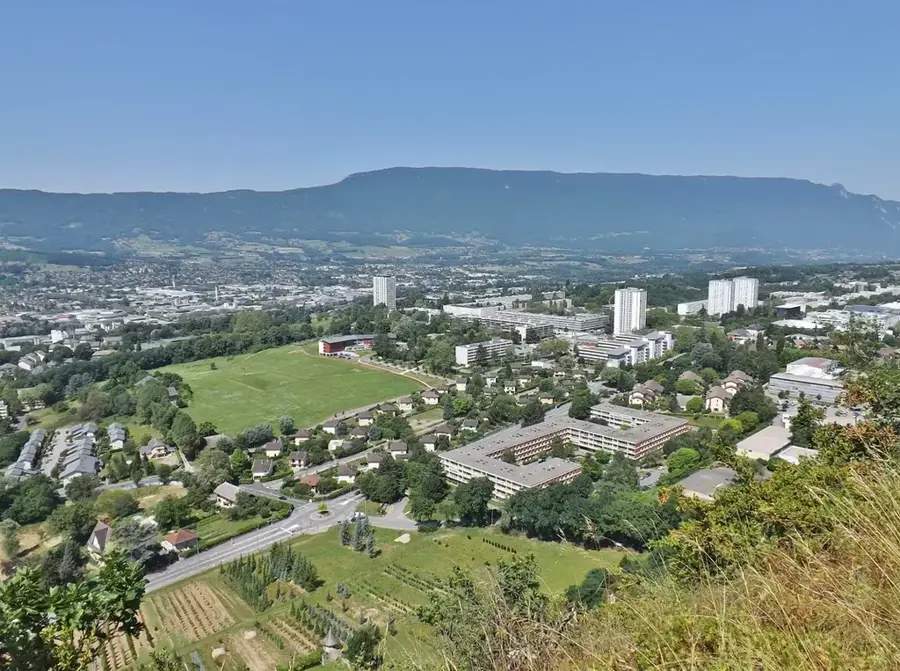
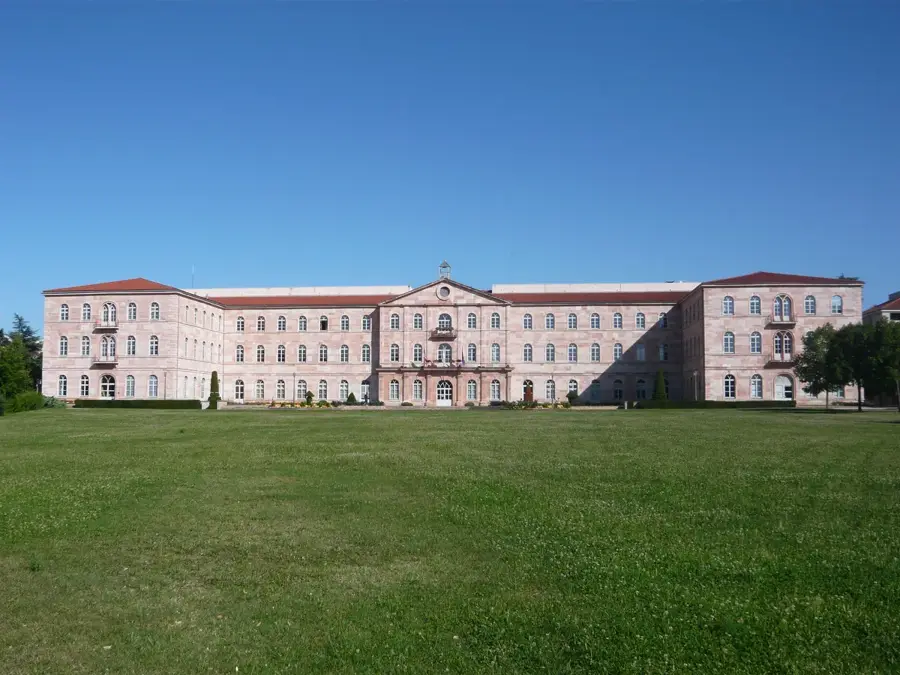
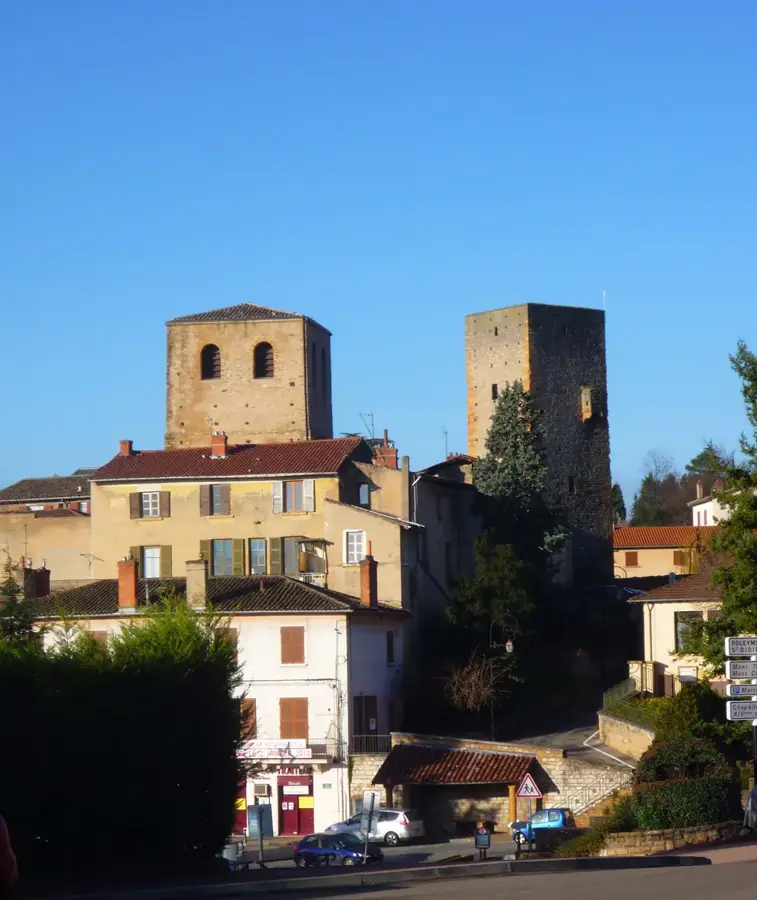
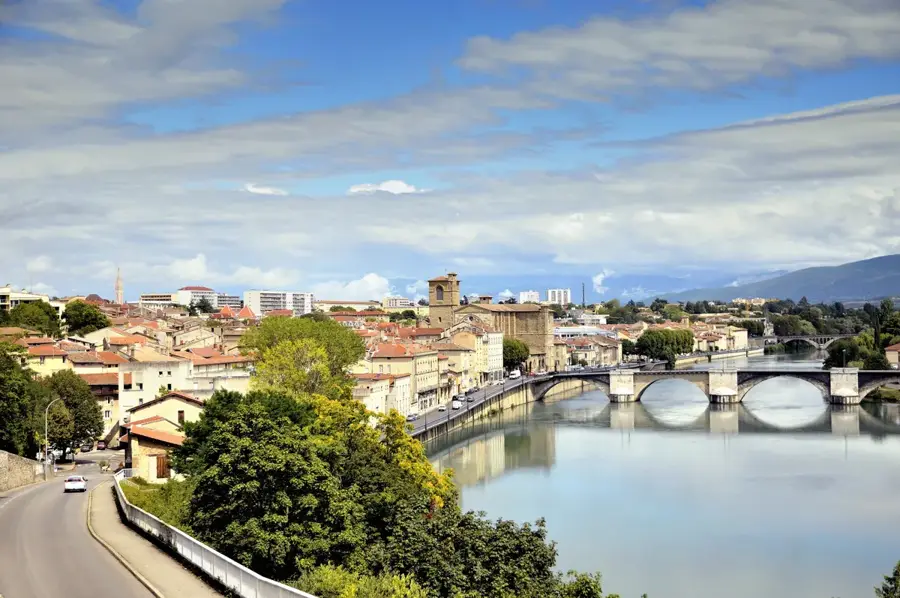
Rives is a historic industrial town located in the Fure valley within the Isère department, positioned between Lyon and Grenoble. The town owes its historical prosperity to the Fure River, whose swift waters powered numerous mills since the Middle Ages. Rives gained international acclaim starting in the 16th century for its prestige paper production; the 'Rives' watermark became a global standard for luxury stationery, official government documents, and fine art prints. Concurrently, the town developed a robust metallurgical sector, becoming famous for the forging of high-quality steel blades and agricultural tools. The Blanchet family, prominent industrial magnates, played a pivotal role in the town's urban and social development throughout the 18th and 19th centuries. Today, while much of the traditional heavy industry has evolved, Rives remains an active economic hub with a diverse business landscape. The town's architecture features grand industrial-era mansions and significant landmarks like the Saint-Valère church. Its proximity to the Chartreuse regional park provides residents and visitors with ample opportunities for outdoor activities, bridging the gap between its productive industrial past and a modern emphasis on quality of life and environmental preservation.
- Location: Auvergne-Rhône-Alpes, France
- Top sights: Saint-Valère Church · Orgère Park · Orgère Museum
- Nearby: Moirans (6 km)
- Population: ~6.668
Best time to visit & climate
The most pleasant time to visit is Jun–Aug.
| Jan | Feb | Mar | Apr | May | Jun | Jul | Aug | Sep | Oct | Nov | Dec | |
|---|---|---|---|---|---|---|---|---|---|---|---|---|
| Avg °C | 1 | 2 | 6 | 10 | 13 | 18 | 20 | 19 | 15 | 11 | 6 | 2 |
| Rain mm | 79 | 62 | 74 | 69 | 97 | 77 | 72 | 76 | 71 | 89 | 97 | 86 |
Geography
Facts
- Rives paper is still sought after by artists and lithographers worldwide.
- During the 18th century, the town was one of France's key weaponry production sites.
- Rives station served as a vital link on the Lyon-to-Grenoble railway line.
- The Château de l'Orgère is a major landmark representing the town's industrial wealth.
- The Fure river features a sharp gradient in Rives, ideal for waterpower.
- Banknote paper was being manufactured in the town's mills as early as the 1600s.
Explore nearby
Notable places around
Route planner — Car & Motorhome
Where do you start? We build the route here, with stops and country notes along the way.
© OpenStreetMap contributors · OpenRouteService
Your morning begins in the heart of Rives at the beautiful Saint-Valère Church, followed by a short walk to the peaceful Chapelle Blanchet to admire local history. By midday, you will reach Orgère Park, an ideal green spot to relax before diving into the region's heritage at the Orgère Museum. The afternoon invites you to explore the museum's fascinating exhibits detailing the industrial past. Finally, as the day winds down, a stroll brings you to the Église Saint-Pierre-de-Vérone, offering a quiet, contemplative end to your walking tour.
Saint-Valère Church
Chapelle Blanchet
Orgère Park
Orgère Museum
Saint-Pierre-de-Vérone Church
The morning starts in the silence of the churches, providing a dry sanctuary from the rain. At noon, we cross the damp Orgère Park to find warmth and culture in the museum's halls. The afternoon is spent admiring architecture while rain taps on the chapel windows. In the evening, city lights shimmer beautifully on the wet pavement as we head toward Saint-Pierre-de-Vérone.
Saint-Valère Church
Chapelle Blanchet
Orgère Park
Orgère Museum
Saint-Pierre-de-Vérone Church
A frosty morning greets us at the thick walls of Saint-Valère. At noon, after a brief walk through the winter park, we warm up thoroughly in the heated rooms of the Orgère Museum. The low afternoon sun bathes the city in golden light before darkness sets in around 5 PM, marking a cozy dusk.
Saint-Valère Church
Chapelle Blanchet
Orgère Park
Orgère Museum
Saint-Pierre-de-Vérone Church
Kick off your cycling tour in the northeast at Église Saint-Jean-Baptiste before riding down to the central Saint-Valère Church. Midday takes you through the beautiful Orgère Park and into the Orgère Museum to learn about local industry. Your afternoon ride connects historical points, taking you to Église Saint-Roch and the culturally significant Chapelle de la Grande Fabrique. End your active day with a scenic ride towards the Fure Valley, where nature and tranquility reward your cycling efforts.
Saint-Jean-Baptiste Church
Saint-Valère Church
Orgère Park
Orgère Museum
Saint-Roch-et-Saint-Sébastien Church
Grande Fabrique Chapel
Fure Valley
The bike tour starts on slippery roads toward Saint-Jean-Baptiste. At noon, we find shelter in the museum while preparing for the afternoon ride through Fure Valley, hoping the rain eases. Exercise caution on descents over wet ground as braking distances increase and visibility may be limited.
Saint-Jean-Baptiste Church
Saint-Valère Church
Orgère Park
Orgère Museum
Saint-Roch-et-Saint-Sébastien Church
Grande Fabrique Chapel
Fure Valley
The cold headwind in winter requires full concentration on the way to Saint-Jean-Baptiste. At noon, the museum is a vital warming point to revive frozen limbs. The afternoon ride through Fure Valley reveals nature's raw beauty, but we must return before the early darkness sets in at 5 PM.
Saint-Jean-Baptiste Church
Saint-Valère Church
Orgère Park
Orgère Museum
Saint-Roch-et-Saint-Sébastien Church
Grande Fabrique Chapel
Fure Valley
Start your driving adventure at the striking Église Saint-Jean-Baptiste, then easily navigate to the central Saint-Valère Church. The midday segment lets you park near the Orgère Museum for a deep dive into history, followed by a quick drive to Église Saint-Roch. Spend your afternoon cruising to the western outskirts, visiting Église Saint-Georges and Église Saint-Pierre-de-Vérone. As evening approaches, drive down to the Chapelle de la Grande Fabrique and finish your rich cultural tour exploring the scenic Fure Valley.
Saint-Jean-Baptiste Church
Saint-Valère Church
Orgère Museum
Saint-Roch-et-Saint-Sébastien Church
Saint-Georges Church
Saint-Pierre-de-Vérone Church
Grande Fabrique Chapel
Fure Valley
By car, we explore Rives today in comfort and dryness. While it rains incessantly outside, we enjoy the drive between churches and the museum. At noon, the Orgère Museum offers a substantial break in the dry. The afternoon takes us safely through Fure Valley, where we can watch dramatic cloud formations comfortably from the window.
Saint-Jean-Baptiste Church
Saint-Valère Church
Orgère Museum
Saint-Roch-et-Saint-Sébastien Church
Saint-Georges Church
Saint-Pierre-de-Vérone Church
Grande Fabrique Chapel
Fure Valley
A winter day in Rives is best managed by car while the heater ensures comfort. After the frosty start at Saint-Jean-Baptiste, the museum offers the perfect warming opportunity at noon. The afternoon in Fure Valley reveals glistening landscapes before we safely conclude the tour at the 5 PM sunset.
Saint-Jean-Baptiste Church
Saint-Valère Church
Orgère Museum
Saint-Roch-et-Saint-Sébastien Church
Saint-Georges Church
Saint-Pierre-de-Vérone Church
Grande Fabrique Chapel
Fure Valley
Sights in the town Rives (6)
Frequently asked questions
What was Rives historically famous for?
Are there viewpoints of the Alps?
How to reach Rives from Grenoble?
Which river flows through the town?
Are there cultural events in Rives?
Rives: where is it located?
Rives: what is there to see?
Rives: when is the best time to visit?
Rives: why is it worth visiting?

Nearby cities