Plizio Visual Lab

Französische Alpen
Plizio editorial teamData Sources
Mountain
—°10
Französische Alpen (France)

Weather…

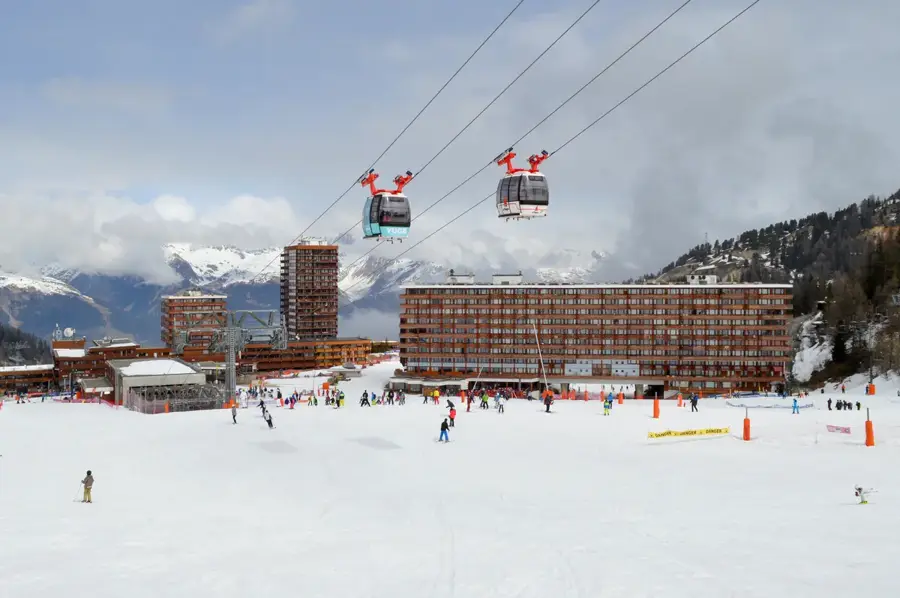
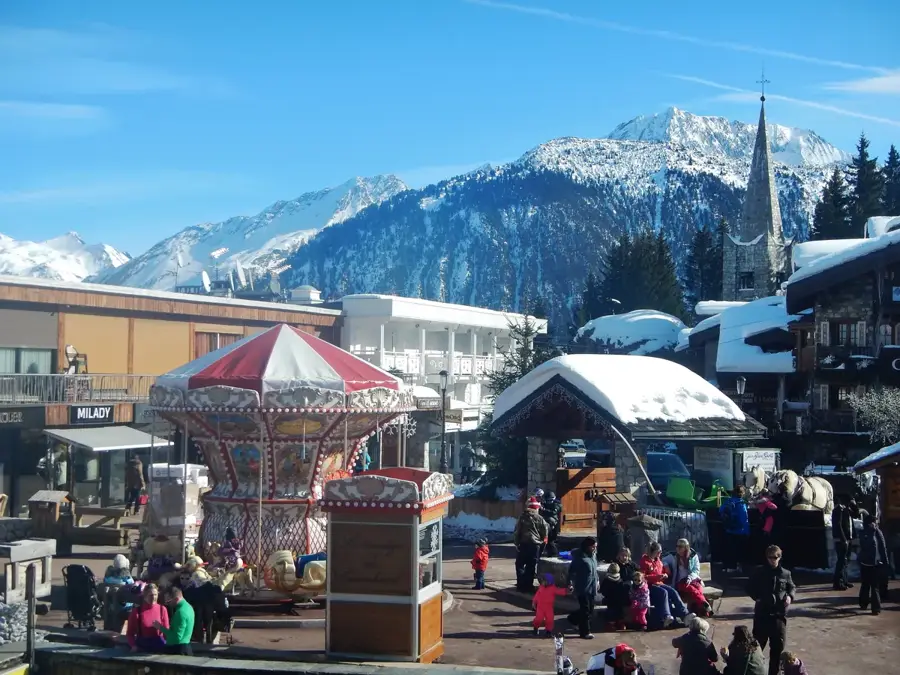
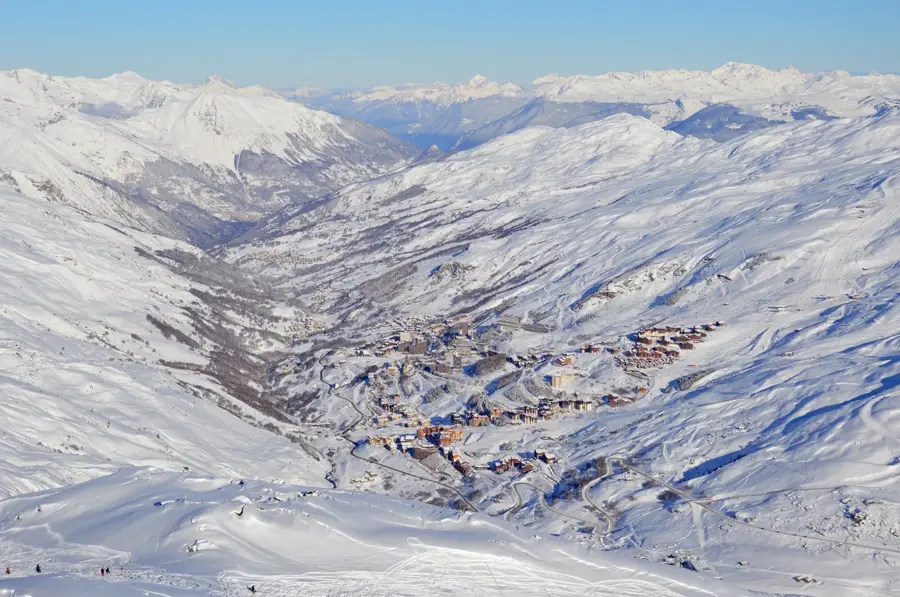
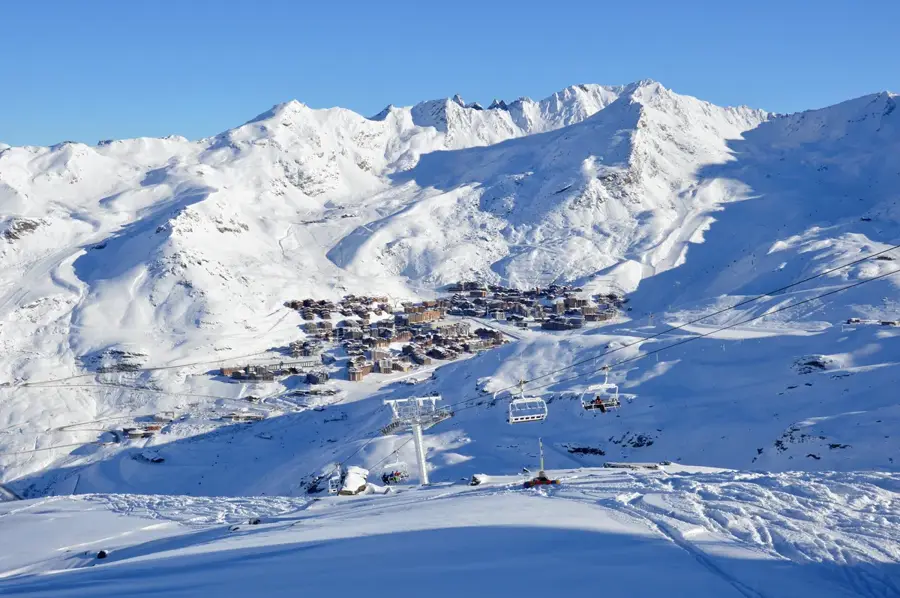
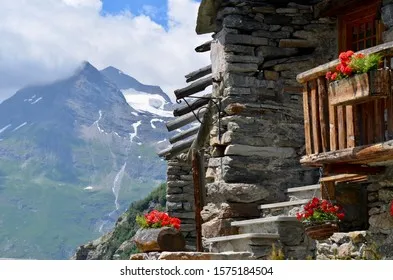
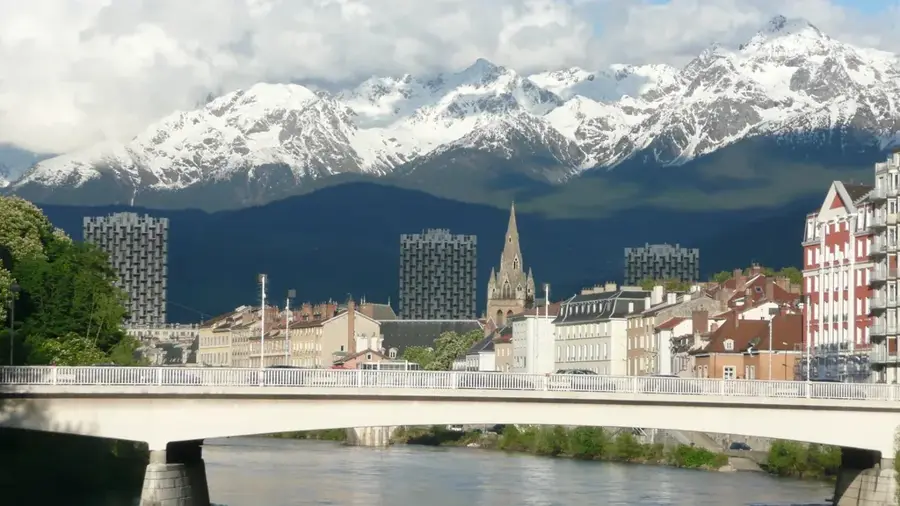
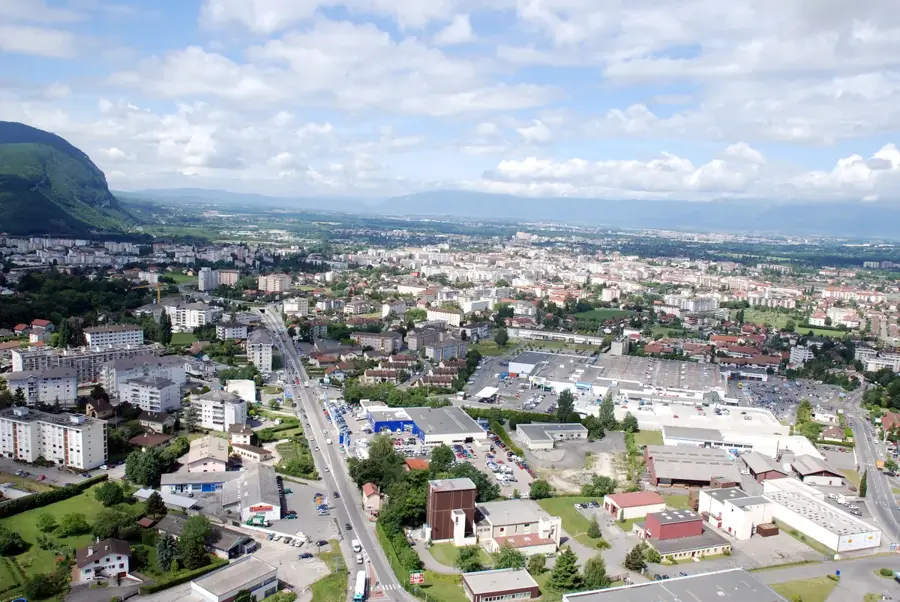
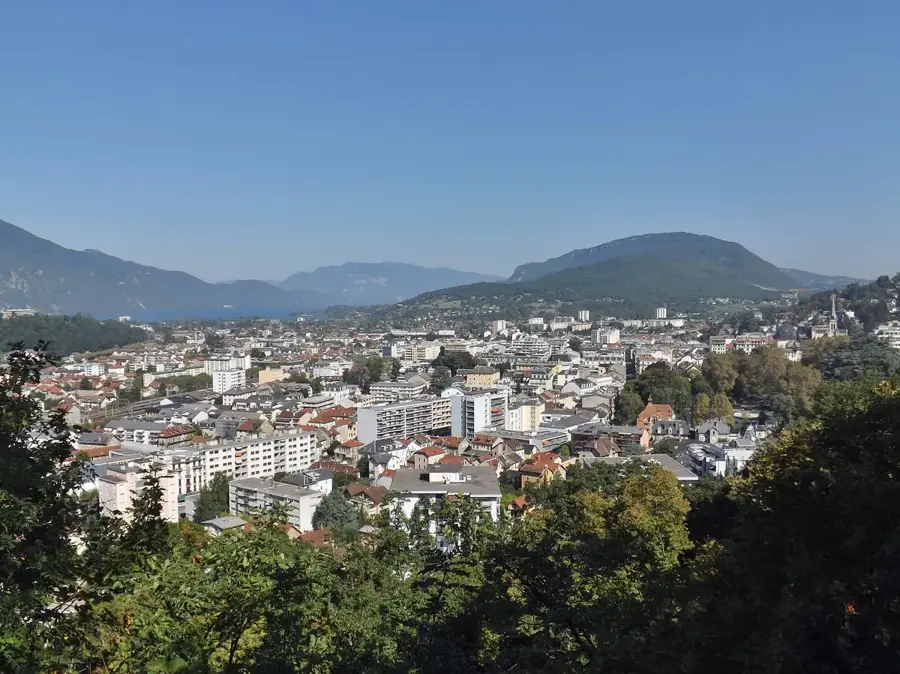
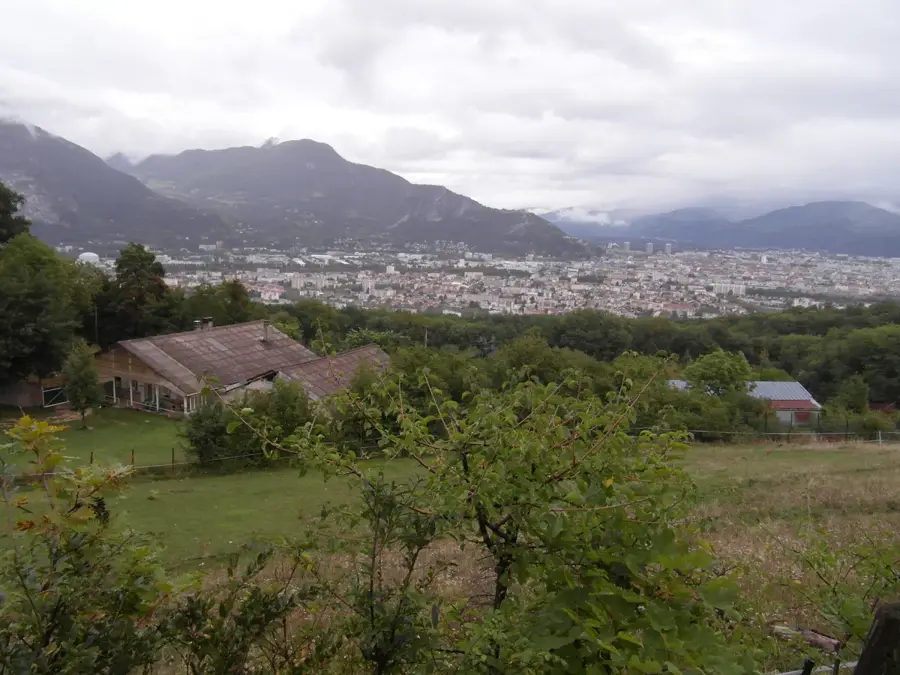
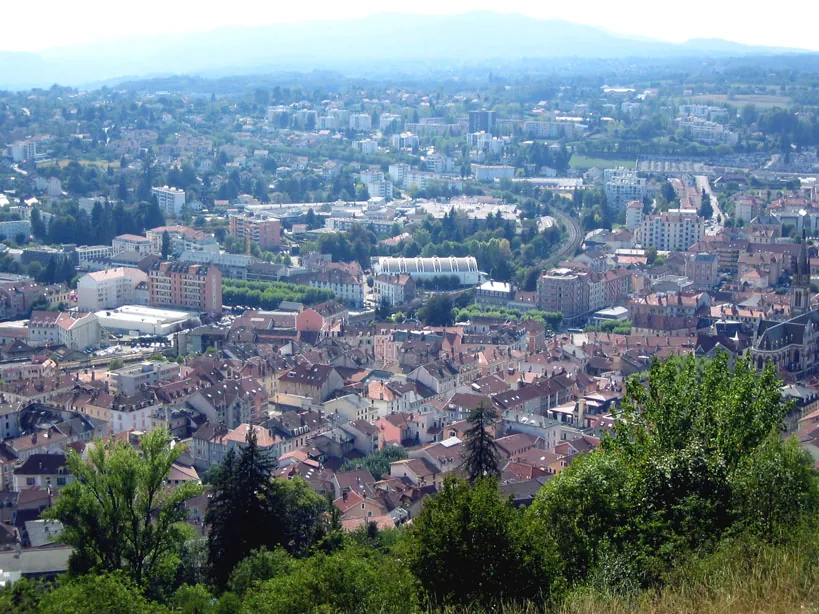
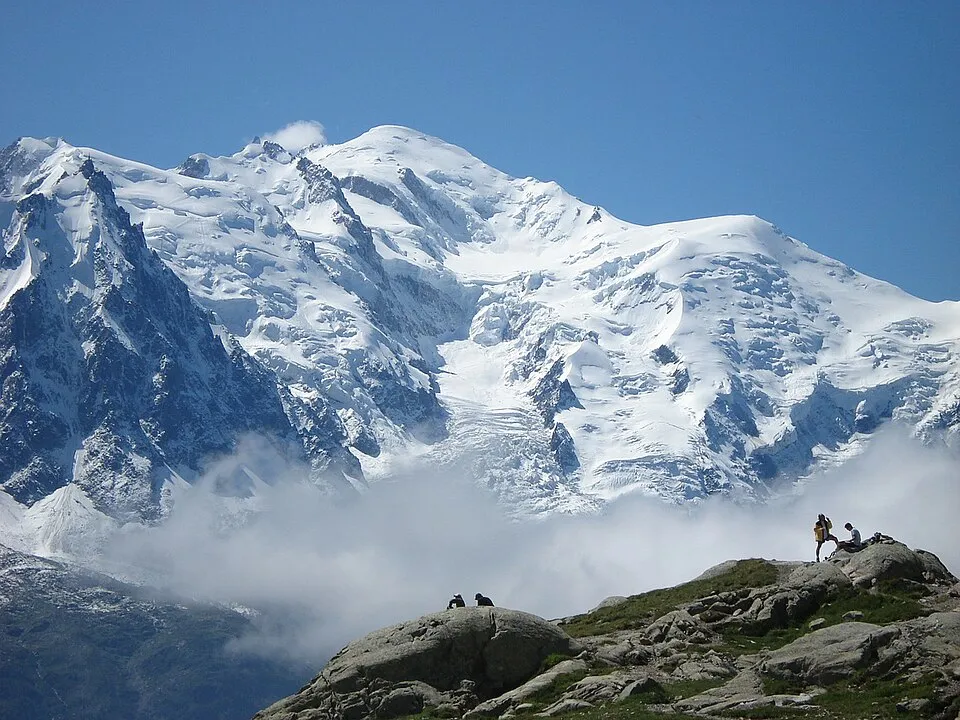
The French Alps represent the western part of the vast Alpine mountain range, extending across southeastern France from Lake Geneva to the Mediterranean coast. This region is home to the highest peaks in Western Europe, dominated by the majestic Mont Blanc massif, which attracts millions of mountaineers and tourists annually. Geographically, the French Alps are divided into several massifs, including the Vanoise, Queyras, and Mercantour, each offering unique landscapes and biodiversity. The area is globally famous for its world-class ski resorts, such as Chamonix, Courchevel, and Val d'Isère, which have hosted numerous international winter sports competitions. Historically, the region has been a gateway between France and Italy, with ancient mountain passes like the Little Saint Bernard and Mont Cenis serving as vital trade routes. The French Alps have also played a significant role in Olympic history, hosting the Winter Games three times in 1924, 1968, and 1992. Today, the mountains are protected by several national and regional parks that strive to balance environmental conservation with the demands of modern tourism.

Best time to visit & climate

The most pleasant time to visit is Jun–Aug.

JanFebMarAprMayJunJulAugSepOctNovDec
Avg °C-3-31691416151282-2
Rain mm9469846810587808271839398

📋 Practical info

🧭
Getting there
Access is usually via well-maintained mountain roads starting from major gateway cities like Geneva or Lyon. Numerous regional trains and buses efficiently serve the main valleys and popular alpine trailheads.
📅
Best season
The region is attractive year-round; winter is convenient for snow sports, while summer from June onwards gives well-suited hiking conditions. In spring, many of the higher mountain passes may still be snowbound.
⛰️
Terrain & paths
The terrain ranges from gentle, green alpine valleys to steep, rocky glacier massifs. There is an extensive network of well-marked trails, ranging from easy valley walks to highly demanding via ferratas.
🎒
What to bring
Sturdy hiking boots, layered warm clothing, and waterproof gear are essential in the high mountains regardless of the season. In winter, specialized snow equipment and avalanche safety gear are absolutely mandatory.
🅿️
Parking
Large, frequently paid parking areas are generally available in most valley villages and at cable car stations. During peak season, these spots can fill up very quickly, making early arrival highly advisable.
⚠️
Safety
Weather in the Alps can change extremely rapidly, so always check the latest forecast before setting out. Heightened caution, and sometimes a professional mountain guide, is strongly advised on glaciers and steep paths.
⏱️
Time needed
Day trips are perfectly suitable for selected specific hikes or enjoying the panoramic views. However, to truly experience the vast variety of the mountain ranges, visitors typically plan a stay of one to two weeks.

Geography

Coordinates
45.50000, 6.50000

Facts

  • Mont Blanc is the highest peak at 4,807 meters above sea level.
  • Vanoise National Park was the first created in France in 1963.
  • The region contains over 200 internationally recognized ski resorts.
  • The Mont Cenis mountain pass reaches an elevation of 2,083 meters.
  • The first Winter Olympics were held in Chamonix in 1924.
  • The Alps cover approximately 20 percent of the total area of France.

Explore nearby

Notable places around
Route planner — Car & Motorhome

Where do you start? We build the route here, with stops and country notes along the way.

Vehicle
Only stops with (optional):

© OpenStreetMap contributors · OpenRouteService

Sights in the town Französische Alpen (10)

Musée d'Histoire et d'Archéologie🏛 museum

A museum in the French Alps dedicated to the history and archaeology of the region.

🕒 Mo-Sa 09:00-12:00,14:00-18:00🆓

Musée d'Antan🏛 museum

A local heritage museum in the French Alps displaying historical artifacts.

Auditorium🎭 culture

A venue for theater and concerts located in the French Alps.

Pointe du Cuchet📍 landmark

A mountain peak in the French Alps.

Belvédère des Pontets🌿 nature

A viewpoint in the French Alps offering wide views of the landscape.

Salines Royales📍 landmark

A historic industrial site and attraction in the French Alps.

Belvédère du Grand Chêne🌿 nature

A viewpoint in the French Alps.

Belvédère du Grand Jet🌿 nature

A viewpoint with panoramic views in the French Alps.

Thermes de Salins🎡 recreation

A public bath located in the French Alps.

Thermes de La Léchère🎡 recreation

A thermal bath facility in the French Alps.

Sights nearby

Frequently asked questions

When does the ski season start?
Typically from December to April; high-altitude resorts open earlier.
What can you do in summer?
Hiking, mountain biking, paragliding, and enjoying alpine lakes.
Which city is the best base?
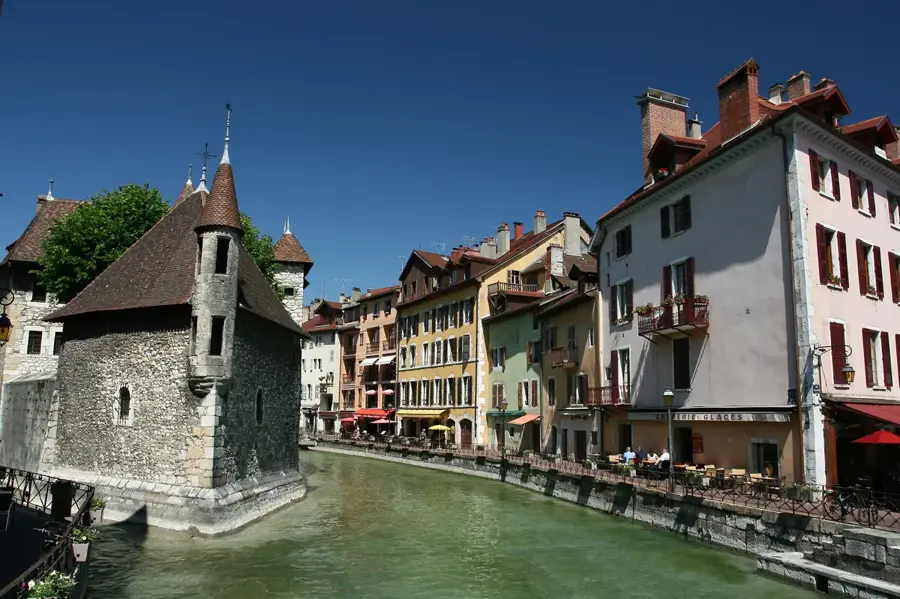
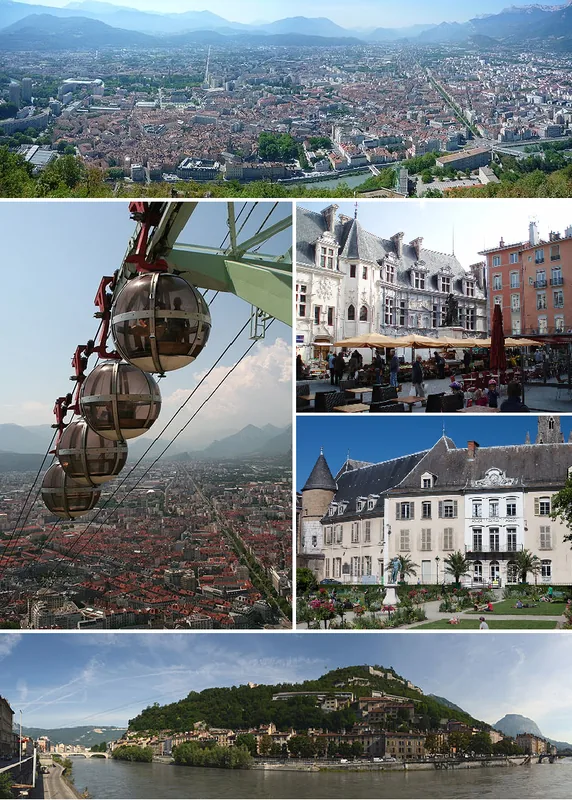
Annecy, Grenoble, or Chamonix are excellent for reaching different areas.
Are the Alps suitable for beginners?
Yes, most resorts have plenty of blue runs and excellent ski schools.
Do I need a car in the mountains?
Trains reach major towns, but a car is better for remote trailheads.
Französische Alpen: where is it located?
Französische Alpen is located in Auvergne-Rhône-Alpes, France.
Französische Alpen: what is there to see?
Highlights include Musée d'Histoire et d'Archéologie, Musée d'Antan, Auditorium.
Französische Alpen: when is the best time to visit?
The most pleasant time to visit is Jun, Aug.
Französische Alpen: why is it worth visiting?

The French Alps represent the western part of the vast Alpine mountain range, extending across southeastern France from Lake Geneva to the Mediterranean coast.
View on map → The Top 50 Attractions → Most beautiful beaches → OpenStreetMap →
Europe
Explore with Plizio Discover more places in Europe
More places in France →

Nearby cities