Plizio Visual Lab

Fontaine

Plizio editorial teamData Sources
City
—°258
Fontaine (France)
ℹ️

Practical info — Fontaine

🌤 Weather — 5 days

📍 Nearby

Sights nearby

💡 Tips

  • Take tram line A for a quick and direct connection into the heart of Grenoble.
  • Rent a bike to cycle along the Drac river path, which has remarkable mountain views.
  • Explore Parc de la Poya, a great starting point for hiking trails up into the Vercors Massif.
  • Check out the local outdoor markets to find the region's famous Saint-Marcellin cheese.

🍽 Food

🍽
Gratin Dauphinois

This classic creamy baked potato dish is a staple in traditional restaurants around the area.

🍽
Ravioles du Royans

Tiny cheese-filled pasta pockets, commonly found in cozy bistros near the town center.

🍽
Grenoble Walnuts

Look for desserts and salads featuring these renowned local walnuts in bakeries and cafes.

🛍 Shopping · 🧘 Quiet spots

🛍
City Hall Market

Find fresh regional produce, ranging from Alpine cheeses to cured meats.

🛍
Mountain Sports Gear

Check out specialized shops along the main roads to gear up for hiking in the Vercors.

🧘
Parc de la Poya

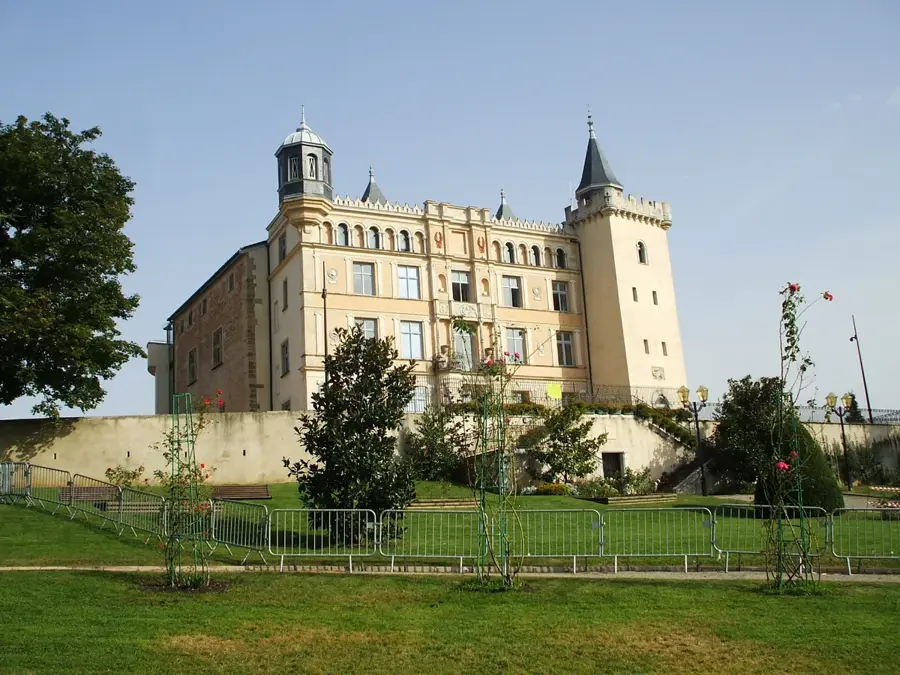
A large, wooded park featuring an old castle, convenient for a quiet break.

🧘
Banks of the Drac

The riverside walking and cycling paths provide a peaceful escape from the urban noise.

Highlights of 2026

2

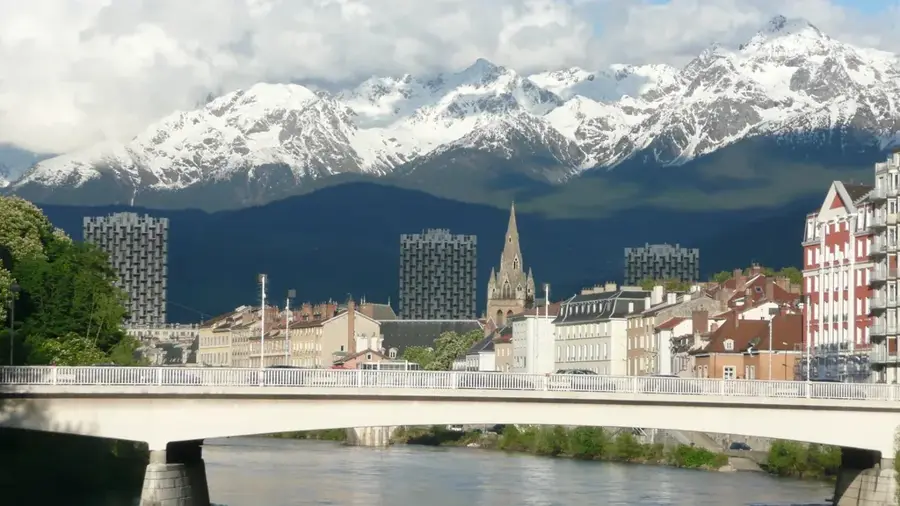
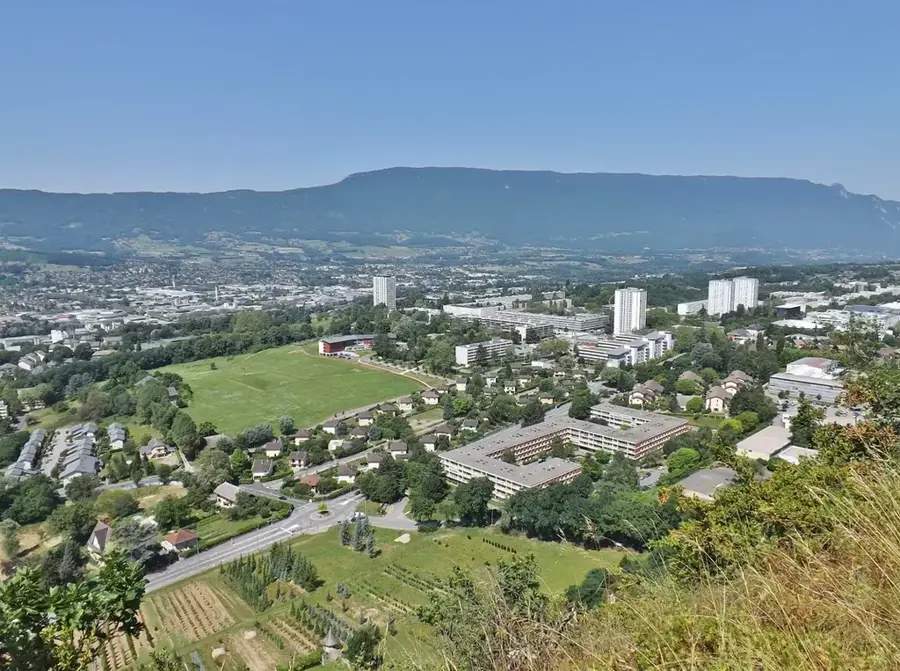
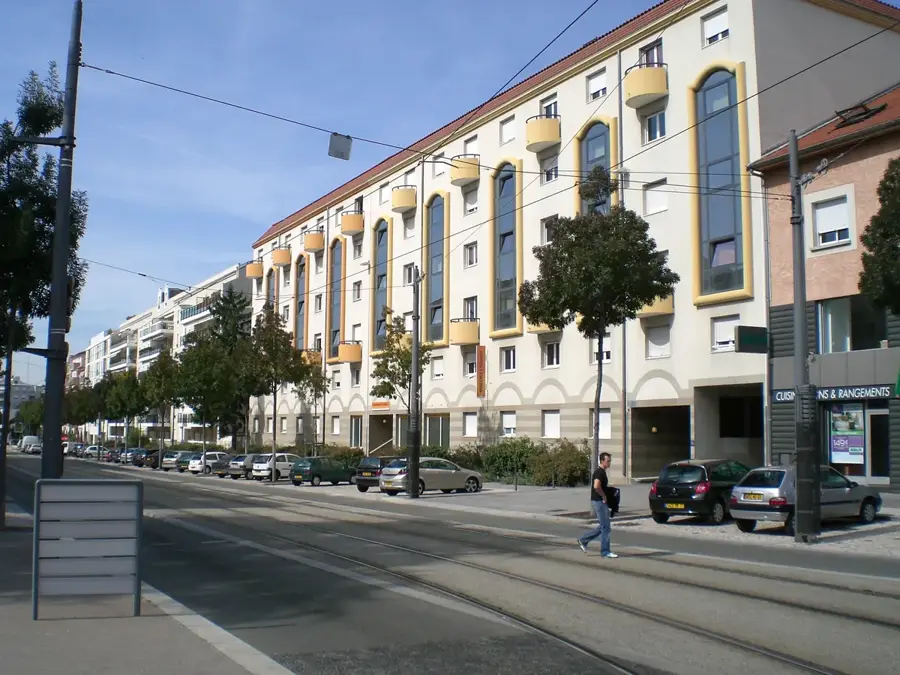
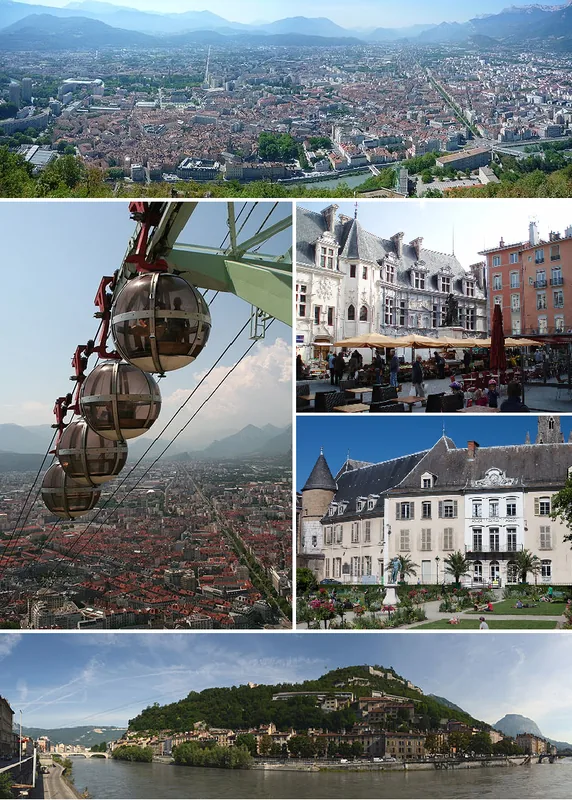
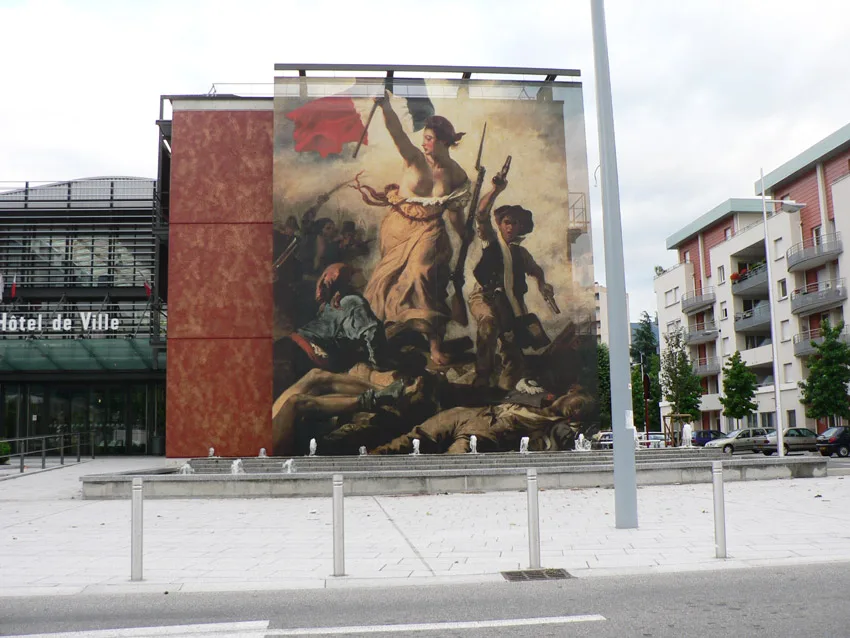
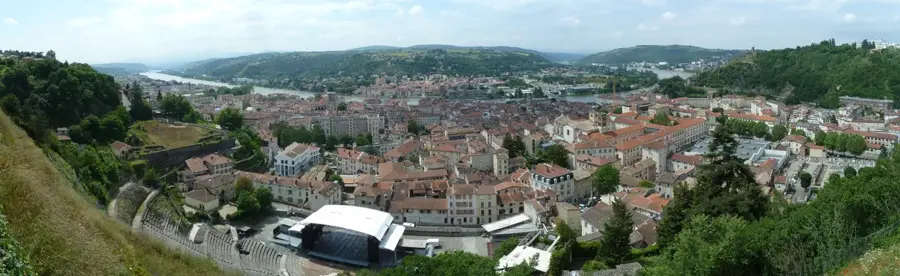
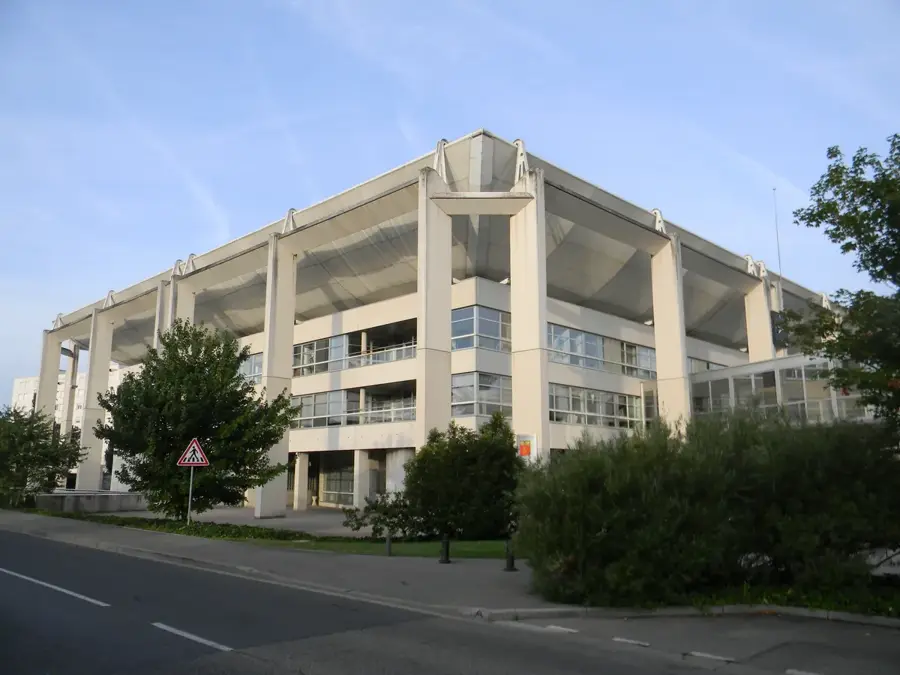
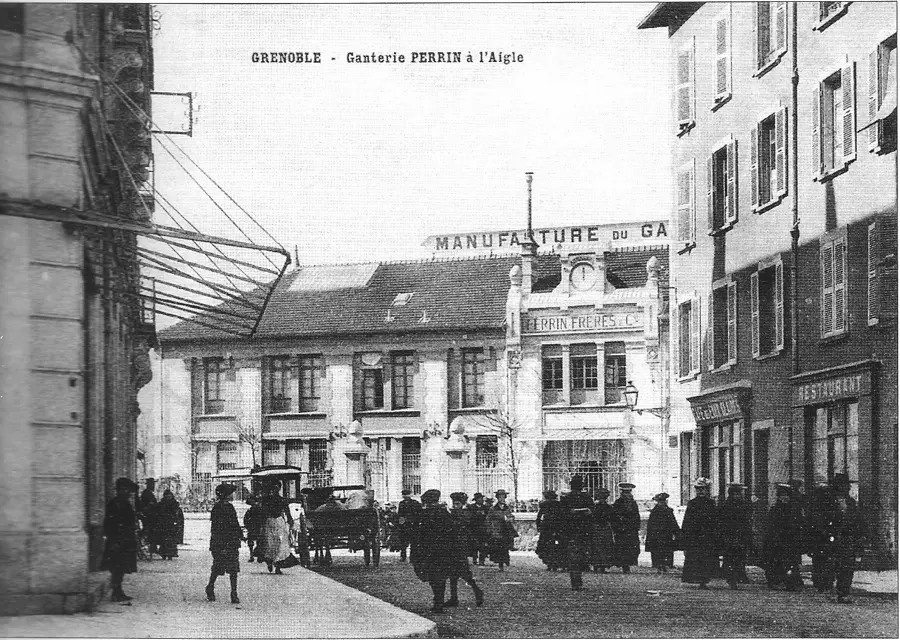
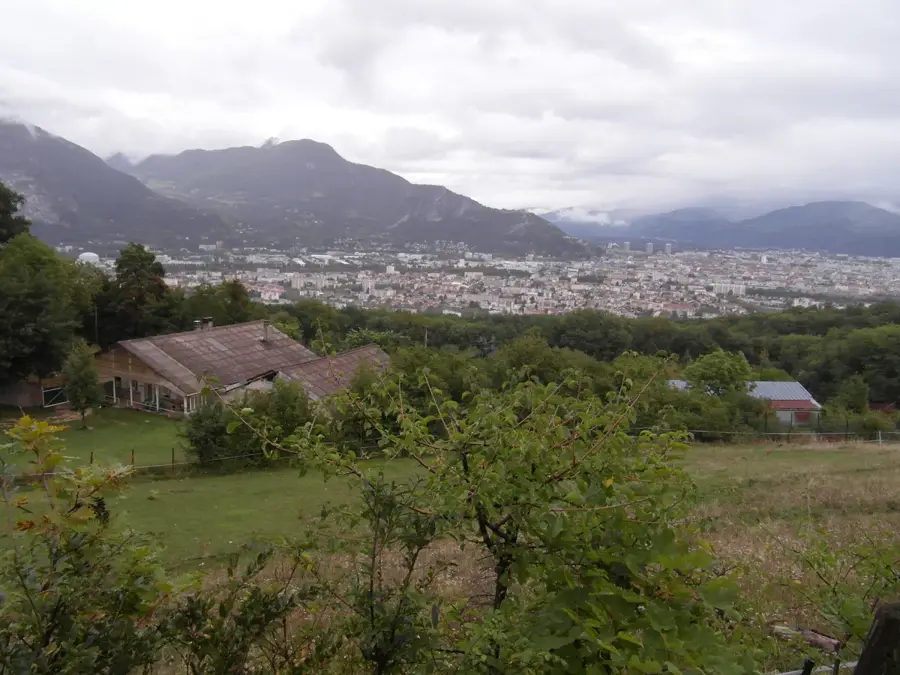
Fontaine is the third-largest city in the Grenoble metropolitan area, located in the Isère department of southeastern France. Its geographic setting is dramatic, wedged between the Drac river to the east and the towering cliffs of the Vercors Massif to the west. Originally a quiet agricultural village, it expanded rapidly during the industrial boom of the 19th and 20th centuries, becoming a key site for metallurgy and textile production. Today, Fontaine is a fully integrated suburb of Grenoble, benefiting from its proximity to world-class scientific research facilities and universities. The city is known for its cultural dynamism, particularly the 'La Source' arts center, which is a major venue for live music and performances. Urban planning in Fontaine emphasizes green corridors and public transport, with tram Line A providing a seamless link to central Grenoble. Residents enjoy easy access to the Vercors Regional Natural Park, offering endless opportunities for hiking, climbing, and skiing. The city maintains a strong community spirit, balancing its industrial heritage with a modern focus on sustainability and high quality of life.

Best time to visit & climate

The most pleasant time to visit is Jun–Aug.

JanFebMarAprMayJunJulAugSepOctNovDec
Avg °C-10371115171713940
Rain mm7057686588655658678510077

Geography

Population
24,588
Coordinates
45.19310, 5.68470

Facts

  • Fontaine covers an area of 6.74 square kilometers.
  • The city sits at an altitude of approximately 210 meters.
  • The Drac river forms the eastern boundary of the city.
  • La Source is a nationally recognized cultural venue.
  • Fontaine is part of the Grenoble-Alpes-Métropole area.
  • The city features several parks, including Parc de la Poya.

Explore nearby

Notable places around

Route planner — Car & Motorhome

Where do you start? We build the route here, with stops and country notes along the way.

Vehicle
Only stops with (optional):

© OpenStreetMap contributors · OpenRouteService

Sights in the town Fontaine (5)

Parc de la Poya🎡 recreation

The largest park in the city, featuring historic buildings, playgrounds, and vast green areas for relaxation.

Les Vouillants🌿 nature

A vast natural area overlooking the city, offering numerous hiking trails and panoramic mountain views.

Église Saint-Maurice⛪ religious

The historic parish church of Fontaine, known for its architecture and its central role in local life.

Rives du Drac🌿 nature

The walkways along the banks of the Drac river are excellent for strolling, cycling, and outdoor sports.

Château de la Rochette🏺 historical

Remains of an old fortress located within a public park, testifying to the long history of the region.

Frequently asked questions

Where is Fontaine located?
Fontaine is located directly west of Grenoble, at the foot of the Vercors Massif.
How to get to Grenoble?
Tram line A connects Fontaine directly to Grenoble city center in just a few minutes.
Are there hiking opportunities?
Yes, it is a gateway to the Vercors Regional Park, with numerous hiking trails nearby.
What is Bois des Vouillants?
A large forest park above the city, good for hiking, running, and views.
Are there local markets?
Yes, on Wednesday and Saturday mornings, there is a lively market at Place des Écrins.
Fontaine: where is it located?
Fontaine is located in Auvergne-Rhône-Alpes, France.
Fontaine: what is there to see?
Highlights include Parc de la Poya, Les Vouillants, Église Saint-Maurice.
Fontaine: when is the best time to visit?
The most pleasant time to visit is Jun, Aug.
Fontaine: why is it worth visiting?
Fontaine is the third-largest city in the Grenoble metropolitan area, located in the Isère department of southeastern France.
View on map → The Top 50 Attractions → Most beautiful beaches → OpenStreetMap →
Europe
Explore with Plizio Discover more places in Europe
More places in France →

Nearby cities