Plizio Visual Lab
Hawassa
ℹ️Practical info — Hawassa
▾
🌤 Weather — 5 days
📍 Nearby
Sights nearby
💡 Tips
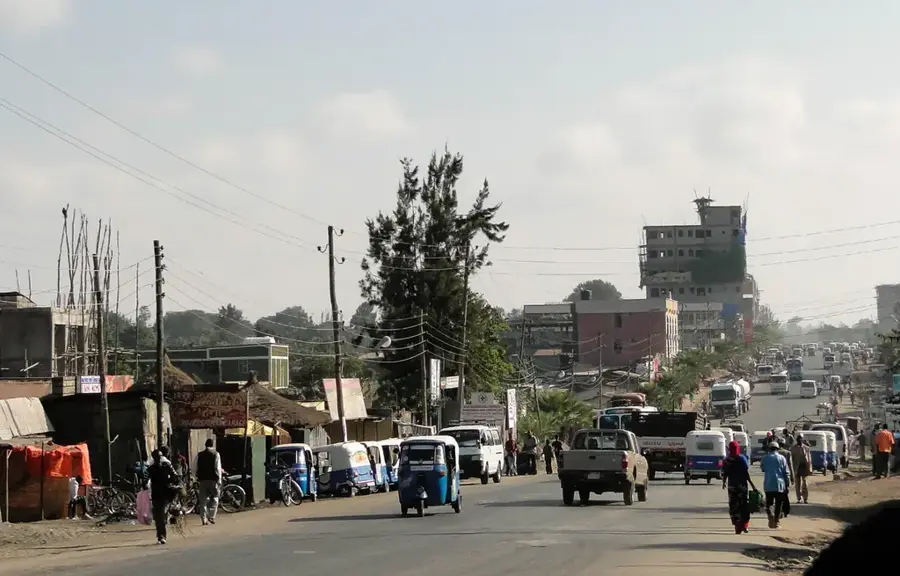
- Use the blue bajajs (tuk-tuks) for quick and cheap rides within the city.
- Visit the fish market (Amora Gedel) early in the morning to experience the bustling atmosphere.
- Look out for the colobus monkeys in the parks, but please do not feed them.
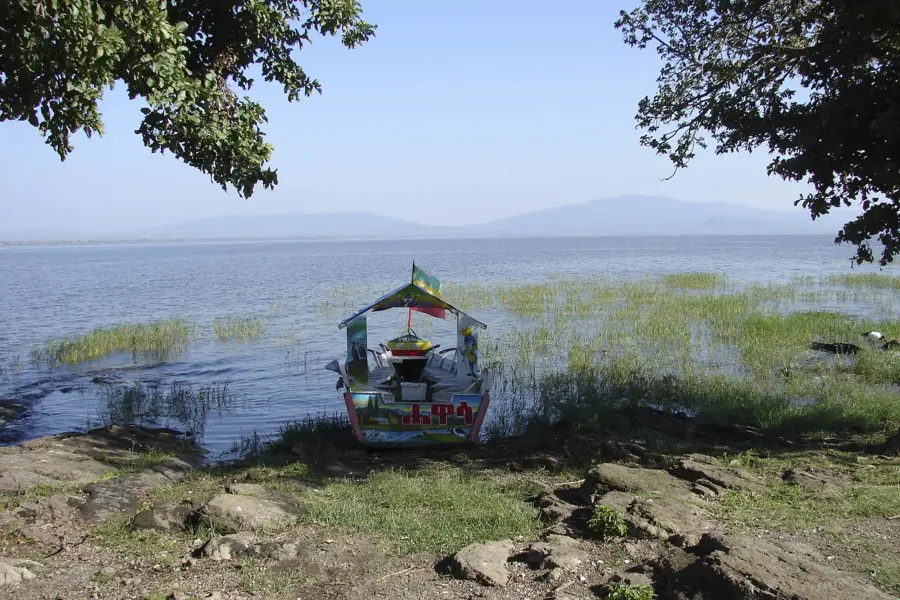
- Take a boat ride on the lake to see hippos in their natural habitat.
🍽 Food
Enjoy freshly caught fish right at the simple stalls by the Amora Gedel fish market.
Try this traditional spiced minced beef in the local restaurants in the center.
Experience traditionally roasted and served coffee in almost any cafe in the city.
🛍 Shopping · 🧘 Quiet spots
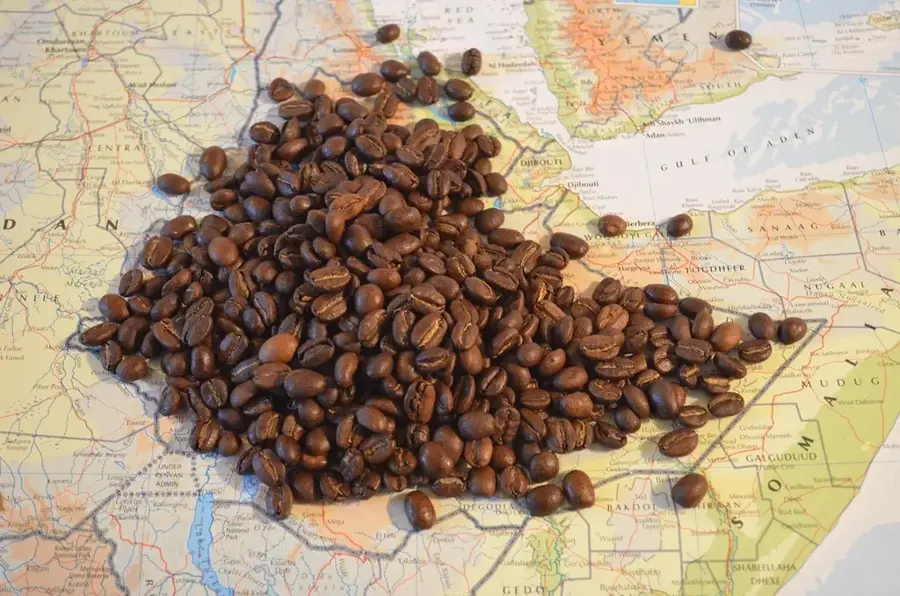
Buy fresh Sidama coffee beans at the lively local markets.
Look for hand-woven Habesha dresses in the city's small boutiques.
An excellent spot for a quiet evening stroll at sunset.
Climb this hill for a peaceful panoramic view of the city and the lake.
Water temperature…
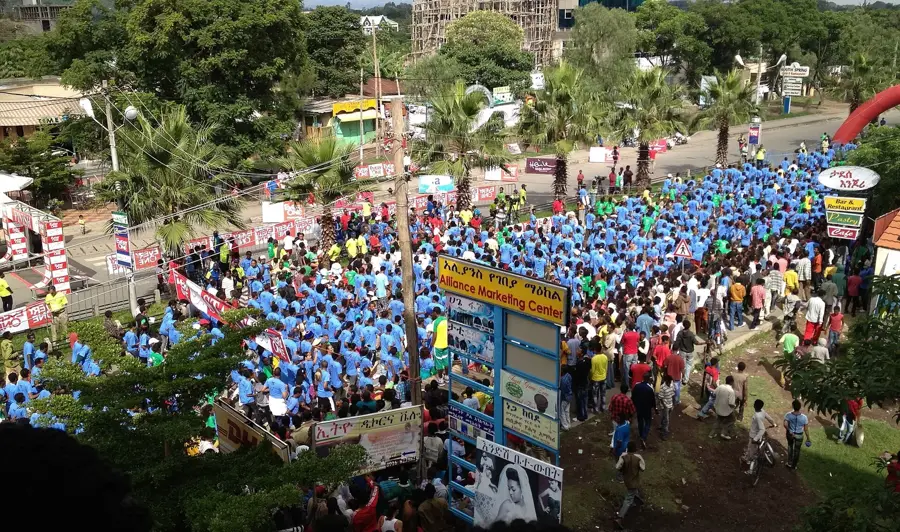
Hawassa, located on the shores of Lake Hawassa in the Great Rift Valley, is one of Ethiopia's most progressive and rapidly expanding cities. Founded in 1960 by Emperor Haile Selassie as a modern administrative center, it now serves as the capital of the Sidama Region. Unlike many ancient Ethiopian cities, Hawassa was planned from the outset, featuring wide avenues, roundabout sculptures, and expansive lakefront parks. The city's geography is dominated by the lake, which is the smallest in the Rift Valley chain but remains incredibly productive for fisheries. The Amora Gedel waterfront is a famous spot where local fishermen unload their daily catch of tilapia while being swarmed by hundreds of storks and pelicans, creating a unique spectacle for visitors. Economically, Hawassa is at the forefront of Ethiopia's industrialization efforts. The Hawassa Industrial Park, an eco-industrial hub launched in 2016, is one of the largest in Africa and primarily focuses on garment and textile manufacturing for the global market. The city is also a major educational hub, home to Hawassa University, which excels in agricultural and medical sciences. Culturally, the city is the heartland of the Sidama people, whose 'Fichee-Chambalaalla' New Year festival is recognized by UNESCO as intangible cultural heritage. This celebration marks the beginning of the lunar year and emphasizes peaceful coexistence and social justice. The city is a popular tourist destination for both domestic and international travelers, offering high-end resorts and an animated nightlife. Landmarks like the colorful St. Gabriel's Church add to the city's architectural charm. With its pleasant subtropical climate and strategic location on the highway connecting Addis Ababa to Nairobi, Hawassa continues to be a crucial driver of economic and social development in southern Ethiopia.
- Location: Ethiopia
- Top sights: Logita · Hawassa Boat Dock · Fikir Hayk
- Nearby: Lake Awasa (6 km)
- Population: ~422.200 (2025)
Best time to visit & climate
The most pleasant time to visit is Jan, Feb, Dec.
| Jan | Feb | Mar | Apr | May | Jun | Jul | Aug | Sep | Oct | Nov | Dec | |
|---|---|---|---|---|---|---|---|---|---|---|---|---|
| Avg °C | 16 | 17 | 18 | 17 | 16 | 15 | 15 | 15 | 15 | 15 | 15 | 15 |
| Rain mm | 20 | 39 | 96 | 219 | 214 | 114 | 132 | 174 | 167 | 141 | 83 | 33 |
Geography
Facts
- Hawassa is the capital of the Sidama Regional State since 2020.
- The city's elevation is 1,708 meters (5,604 feet).
- Lake Hawassa has a maximum depth of approximately 10 meters.
- The Hawassa Industrial Park was inaugurated in July 2016.
- The city is located roughly 273 kilometers south of Addis Ababa.
- The Sidama people celebrate their New Year based on the lunar cycle.
- Hawassa University was formed in 2000 by merging three colleges.
- The city experiences two rainy seasons: 'Belg' and 'Meher'.
Explore nearby
Notable places around


Route planner — Car & Motorhome
Where do you start? We build the route here, with stops and country notes along the way.
© OpenStreetMap contributors · OpenRouteService
Sights in the town Hawassa (6)
Frequently asked questions
Where is Awasa and how do I get there?
What is Awasa known for?
How long should I stay in Awasa?
What can I do in Awasa?
What is the best time to visit Awasa?
Hawassa: where is it located?
Hawassa: what is there to see?
Hawassa: when is the best time to visit?
Hawassa: why is it worth visiting?

Nearby cities

Nature

More places