Plizio Visual Lab

Dakhla Oasis
Plizio editorial teamData Sources
Lake
—°4
Dakhla Oasis (Egypt)

Weather…

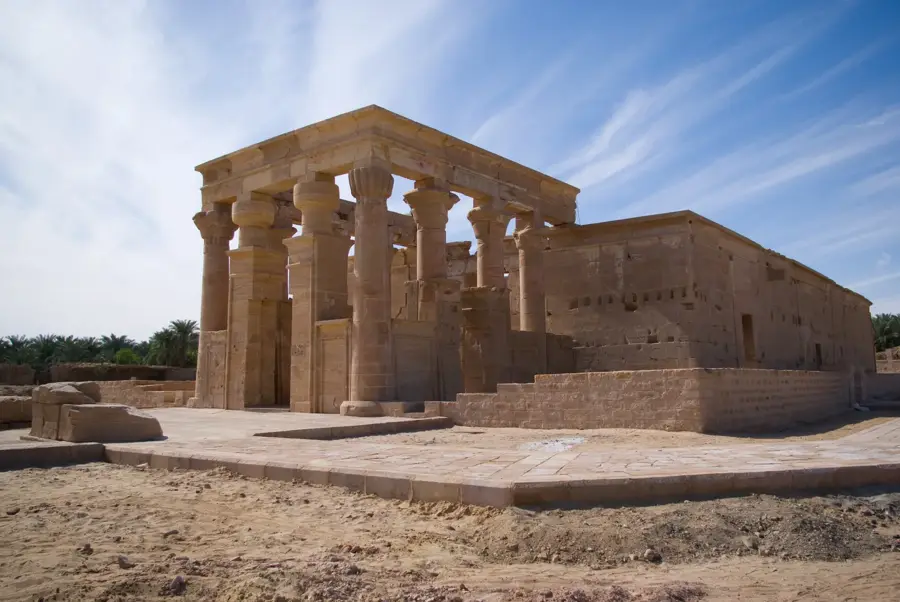
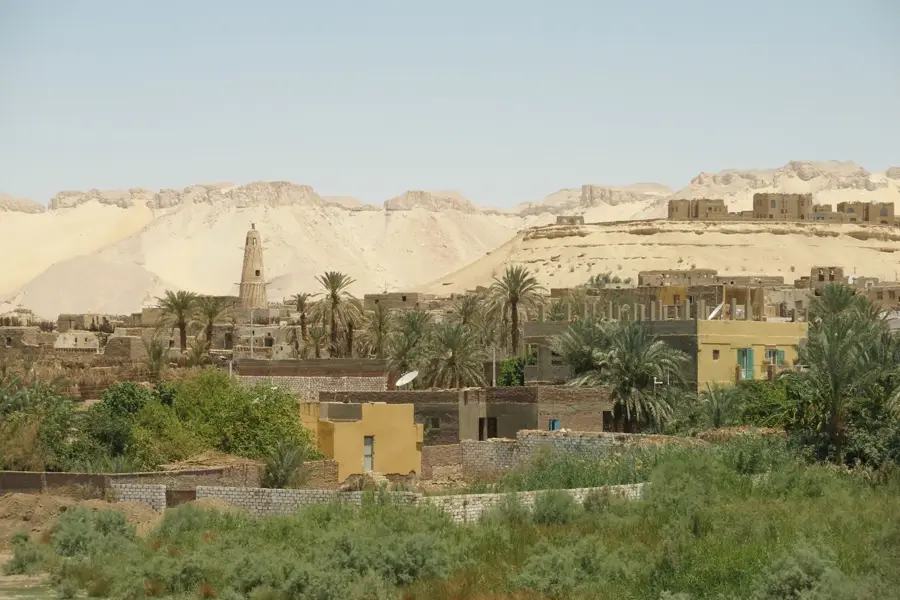
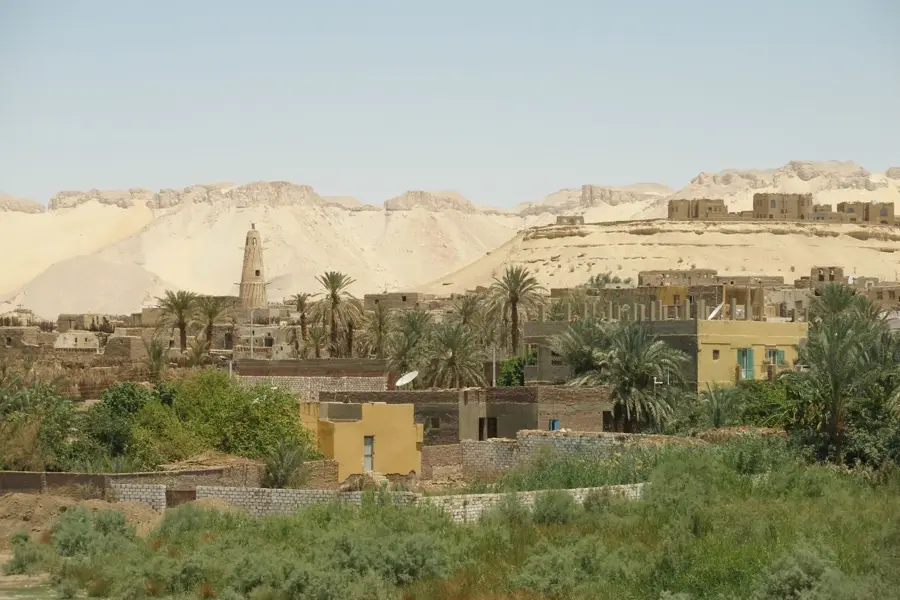
Dakhla Oasis lies at the heart of Egypt's Western Desert and is regarded as one of the most welcoming regions in the country. It consists of several settlements, with Al-Qasr, a medieval Islamic town dating from the 12th century, being the most significant. The architecture of Al-Qasr, featuring multi-story mud-brick houses and intricately carved wooden lintels, serves as an outstanding example of traditional Saharan desert construction. Dakhla has been inhabited since the Neolithic period, as evidenced by numerous rock art sites found in the surrounding cliffs. Among its archaeological treasures is the Roman Temple of Deir el-Hagar, dedicated to the god Amun. The oasis is sustained by more than 600 natural springs, facilitating a flourishing agricultural sector focused on dates, olives, and citrus fruits. Due to its fertile soil, Dakhla was a critical agricultural hub as far back as the Old Kingdom. Today, the region balances its deep historical roots with modern agricultural expansion under the New Valley project.

Best time to visit & climate

The most pleasant time to visit is Mar, Apr, Nov.

JanFebMarAprMayJunJulAugSepOctNovDec
Avg °C121519232831313229241814
Rain mm010000000000

📋 Practical info

🧭
Getting there
Access to the remote Dakhla Oasis typically involves a long drive via paved desert highways from Kharga or Farafra. Public buses serve the oasis from Cairo, but hiring a private car or joining an organized tour features far more flexibility for exploring the area.
📅
Best season
The convenient time to explore the oasis and its lakes is from October to April, avoiding the intense heat of the Egyptian summer. Winter days are typically sunny and mild, making outdoor activities and historical sightseeing highly pleasant.
⛰️
Terrain & paths
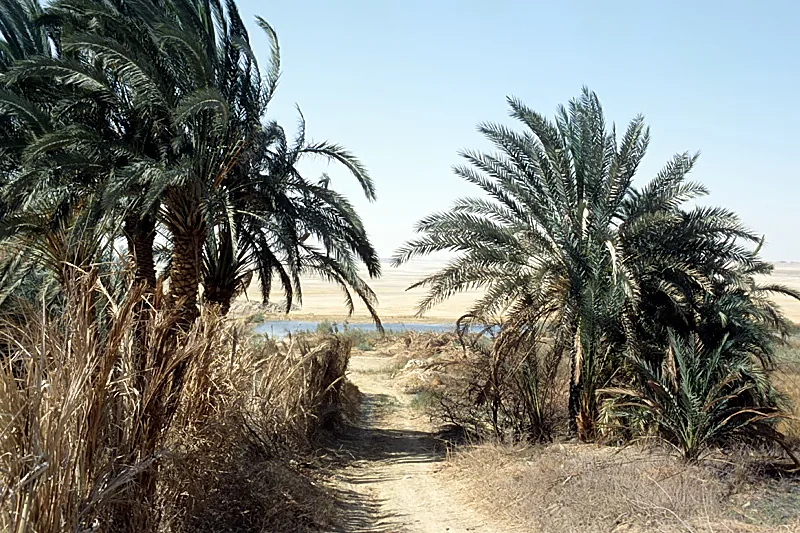
The oasis features a striking contrast between lush palm groves, small spring-fed lakes, and the encroaching golden dunes of the surrounding desert. Walking through the agricultural areas is generally flat and easy, though venturing into the dunes requires more effort.
🎒
What to bring
Comfortable walking shoes are sufficient for the towns and groves, but sandals are better suited for the hot sand dunes. Sun protection is critical year-round, alongside modest clothing to respect the local culture in the traditional oasis settlements.
🅿️
Parking
Parking is widely available and typically informal in the main towns like Mut, or near the entrances to historical ruins and hot springs. When driving off-road near the dunes or lakes, park on clearly hard-packed ground to avoid getting stuck in soft sand.
⚠️
Safety
While the oasis is generally very safe, visitors must be cautious of the extreme summer temperatures and stay well-hydrated. If venturing deeply into the surrounding desert beyond the lakes, always hire an experienced Bedouin guide and inform local authorities.
⏱️
Time needed
Given its remoteness, a visit should span at least two to three days to fully appreciate the lakes, ruins, and traditional mud-brick architecture. Many travelers include Dakhla as part of a longer, multi-day circuit exploring all the major Western Desert oases.

Geography

Coordinates
25.50000, 29.00000

Facts

  • Medieval town of Al-Qasr dates back to the 12th century
  • Sustained by a network of over 600 natural springs
  • Deir el-Hagar Temple was built during Nero's reign
  • Continuously inhabited since the Neolithic era
  • Key administrative center during the Old Kingdom
  • Famous for unique carved wooden door lintels

Route planner — Car & Motorhome

Where do you start? We build the route here, with stops and country notes along the way.

Vehicle
Only stops with (optional):

© OpenStreetMap contributors · OpenRouteService

Sights in the town Dakhla Oasis (4)

Old Citadel of Mut🏰 castle

The Old Citadel of Mut comprises the ruins of a historical mud-brick fortress located in the Dakhla Oasis.

'Ain al-Sabil Church🏺 historical

The archaeological remains of the 'Ain al-Sabil Church serve as evidence of early Christian presence in the desert oasis.

'Ain el-Gedida🏺 historical

'Ain el-Gedida is an archaeological site containing the ruins of a Roman-era agricultural village.

Kellis📍 landmark

Kellis, now known as Ismant el-Kharab, is an ancient ruined village from the Greco-Roman period featuring mud-brick walls.

Sights nearby

Frequently asked questions

What is the Old Town of Mut?
The historical center of Dakhla with narrow alleys and medieval mud-brick houses, named after the goddess Mut.
Are there ancient ruins in Dakhla?
Yes, the Roman temple of Deir el-Hagar and the ancient settlement of Al-Qasr are significant archaeological sites.
How is the climate in Dakhla?
Extremely dry and hot in summer. Winter days are pleasantly warm, but nights can become very cool.
What is Al-Qasr?
An excellently preserved Islamic mud-brick village with a 12th-century mosque and old courtrooms.
Are there nature resorts there?
Yes, there are beautiful eco-lodges that blend harmoniously into the desert landscape and palm groves.
Dakhla Oasis: where is it located?
Dakhla Oasis is located in Egypt.
Dakhla Oasis: what is there to see?
Highlights include Old Citadel of Mut, 'Ain al-Sabil Church, 'Ain el-Gedida.
Dakhla Oasis: when is the best time to visit?
The most pleasant time to visit is Mar, Apr, Nov.
Dakhla Oasis: why is it worth visiting?

Dakhla Oasis lies at the heart of Egypt's Western Desert and is regarded as one of the most welcoming regions in the country.
View on map → The Top 50 Attractions → OpenStreetMap →
Africa
Explore with Plizio Discover more places in Africa
More places in Egypt →

Nearby cities

History & landmarks

Nature