Plizio Visual Lab
Handoga Archaeological Site
Weather…
Water temperature…
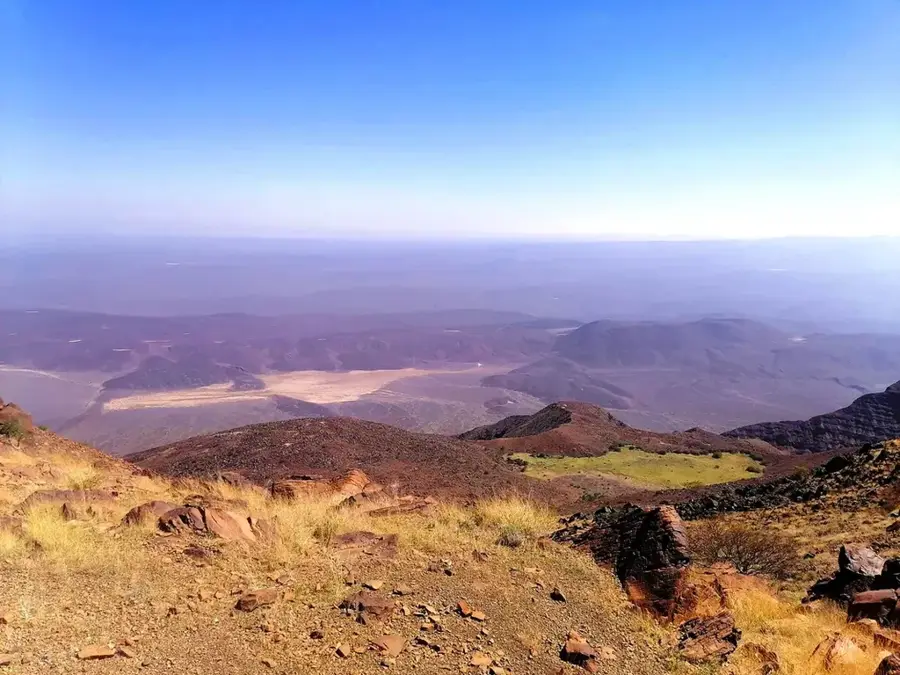
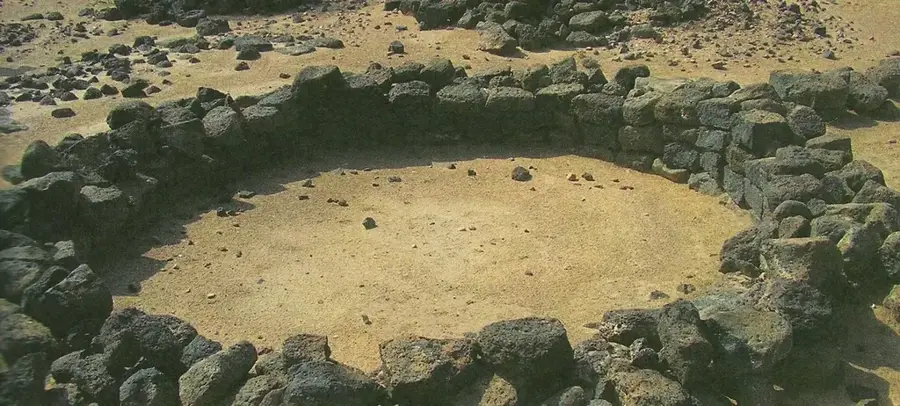
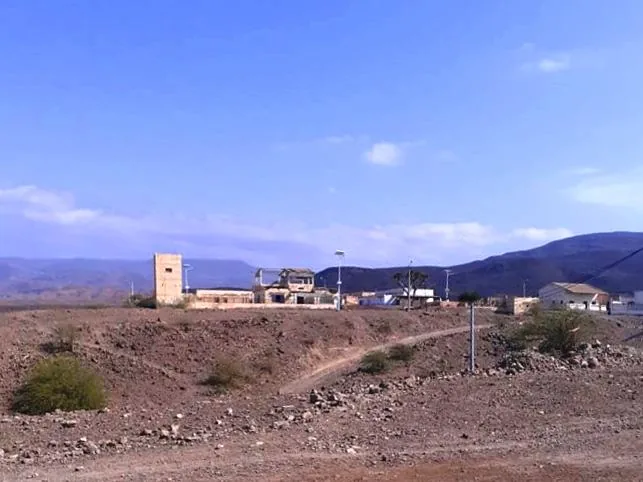
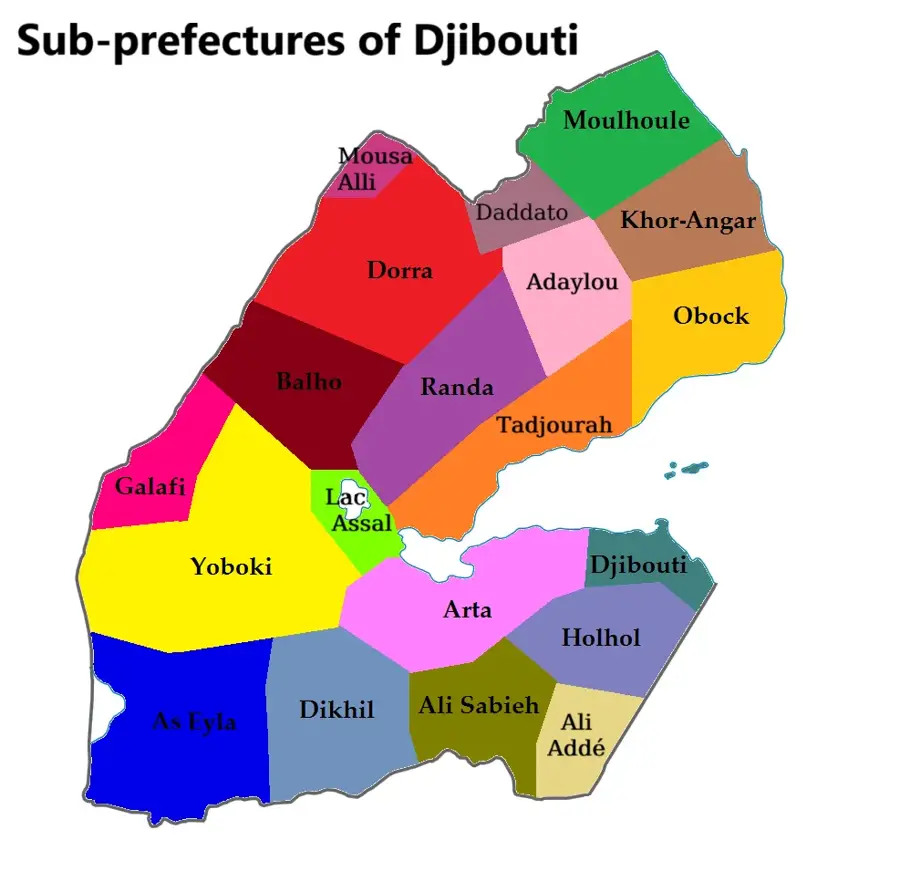
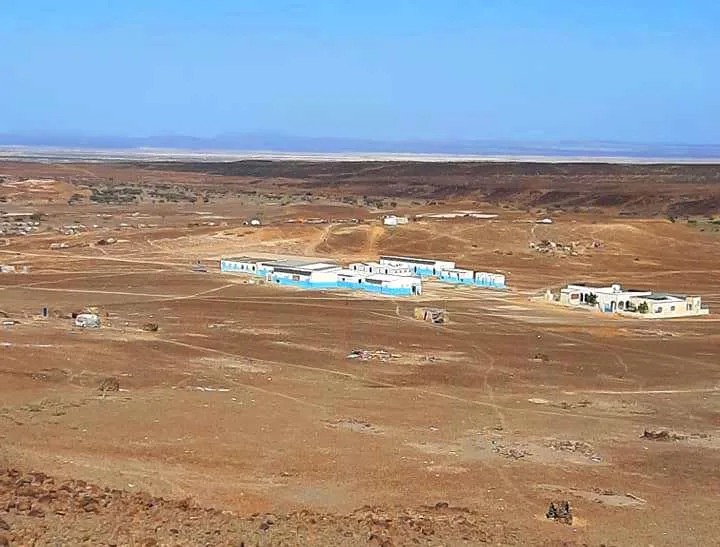
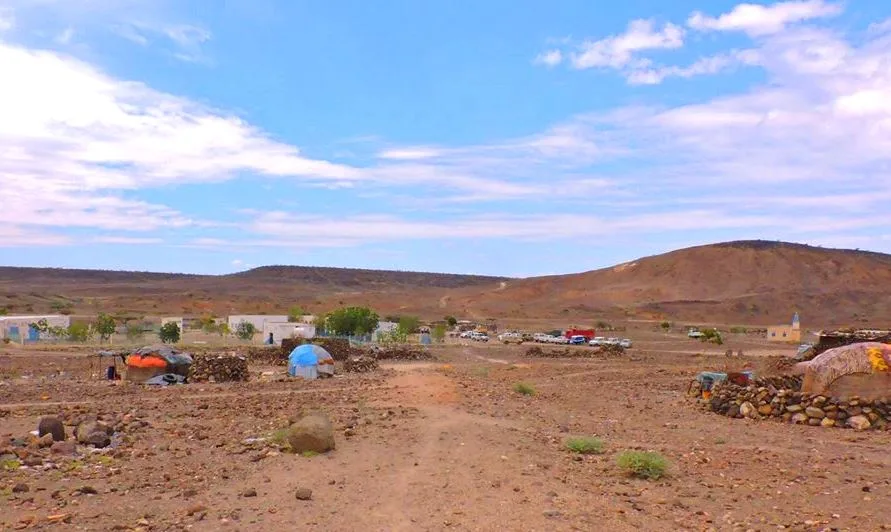
The Handoga archaeological site is situated west of Dikhil and stands as one of the most significant Neolithic centers in Djibouti. Excavations have revealed extensive collections of obsidian tools, pottery shards, and stone grinding implements, indicating a sedentary lifestyle dating back approximately 4,000 years. Researchers found evidence here of a complex social structure and the transition from hunter-gatherer cultures to early pastoralist societies. The findings also document long-distance trade relations, as the obsidian was sourced from distant volcanic regions. Today, the site serves as a vital reference point for studying prehistoric settlement patterns in the Horn of Africa. Its strategic location on the edge of a depression provided inhabitants with protection and access to essential resources, enabling prolonged habitation during the mid-Holocene period.
- Location: Djibouti
- Nearby: Sankal (11 km)
Best time to visit & climate
The most pleasant time to visit is Jan, Feb, Dec.
| Jan | Feb | Mar | Apr | May | Jun | Jul | Aug | Sep | Oct | Nov | Dec | |
|---|---|---|---|---|---|---|---|---|---|---|---|---|
| Avg °C | 22 | 23 | 26 | 27 | 30 | 33 | 32 | 31 | 31 | 27 | 24 | 22 |
| Rain mm | 6 | 7 | 26 | 57 | 22 | 8 | 45 | 60 | 39 | 17 | 10 | 14 |
📋 Practical info
Geography
Facts
- The site is dated to between the 4th and 3rd millennia BC.
- Obsidian tools account for over 80% of the lithic findings.
- The first systematic excavations were conducted in the 1970s.
- Inhabitants already kept domesticated cattle and goats.
- Handoga is located in an arid zone that was previously wetter.
- Remains of circular stone structures were discovered at the site.
Explore nearby
Notable places around



Route planner — Car & Motorhome
Where do you start? We build the route here, with stops and country notes along the way.
© OpenStreetMap contributors · OpenRouteService
Sights in the town Handoga Archaeological Site (1)
Sights nearby
Frequently asked questions
Why is Handoga archeologically significant?
Where is the Handoga site located?
Can laypeople visit the excavations?
Is there a museum there?
What should you bring?
Handoga Archaeological Site: where is it located?
Handoga Archaeological Site: when is the best time to visit?
Handoga Archaeological Site: why is it worth visiting?

Nearby cities


History & landmarks
Nature
More places