Plizio Visual Lab
Salona Archaeological Park
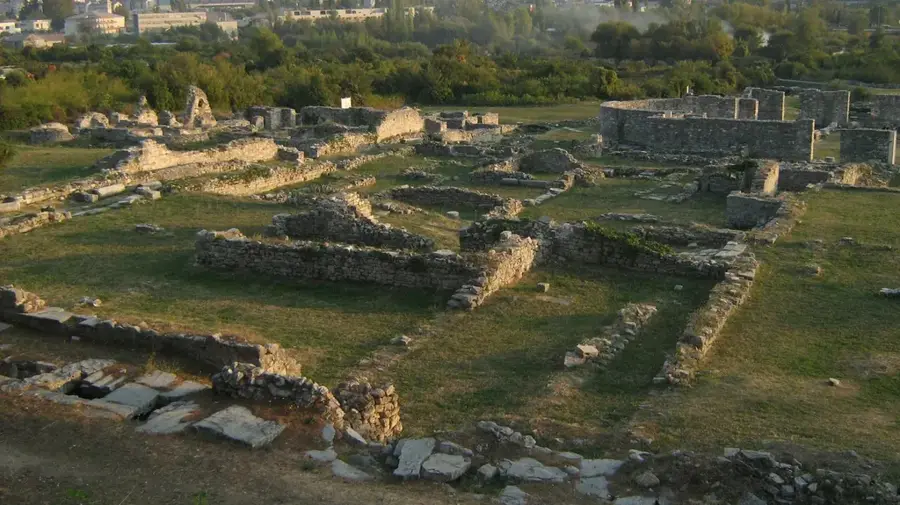
Salona was the ancient capital of the Roman province of Dalmatia and today stands as Croatia's most significant archaeological site, located near the city of Solin. During its peak in the 3rd and 4th centuries AD, especially during the reign of Emperor Diocletian, the city boasted a population of around 60,000 and featured all the amenities of a major Roman metropolis. The extensive archaeological park includes the remains of a massive amphitheater that once held 18,000 spectators, public baths, a forum, and various temples. Salona is also a crucial site for early Christian history, home to several paleo-Christian basilicas and cemeteries like Manastirine, where Christian martyrs were buried. The city was eventually destroyed by Avar and Slavic invasions in the 7th century, forcing its inhabitants to flee to the safety of Diocletian's Palace, which led to the founding of modern Split. Today, the ruins provide a fascinating look into Roman engineering and the early development of Christianity in the Mediterranean.
- Location: Croatia
- Top sights: Starine · Basilica · Salona - archaeological site / park
- Nearby: Stobreč (5 km)
Best time to visit & climate
The most pleasant time to visit is Jun, Jul, Sep.
| Jan | Feb | Mar | Apr | May | Jun | Jul | Aug | Sep | Oct | Nov | Dec | |
|---|---|---|---|---|---|---|---|---|---|---|---|---|
| Avg °C | 7 | 7 | 10 | 13 | 18 | 22 | 25 | 25 | 21 | 17 | 13 | 8 |
| Rain mm | 91 | 89 | 78 | 65 | 57 | 51 | 29 | 41 | 90 | 88 | 126 | 116 |
📋 Practical info
Geography
Facts
- The amphitheater of Salona was constructed during the 2nd century AD.
- The city walls extended over a total length of approximately 4 kilometers.
- Emperor Diocletian was likely born in the immediate vicinity of Salona.
- The site includes important early Christian cemeteries such as Manastirine.
- The city's decline followed the Avar and Slavic invasions around 614 AD.
- Salona served as the administrative and religious center of Dalmatia province.
Explore nearby
Notable places around
Route planner — Car & Motorhome
Where do you start? We build the route here, with stops and country notes along the way.
© OpenStreetMap contributors · OpenRouteService
Sights in the town Salona Archaeological Park (10)
Porta Caesarea
Roman city gate in Salona, part of the ancient fortifications.
Archeological Museum Salona🏛 museum
Museum with finds from the Roman city Salona, including sculptures and everyday objects.
Necropolis ad Viam Suburbanam
Roman necropolis along a road leading out of Salona, with funerary monuments.
crkva Svete Obitelji
Church building in Solin, Croatia, dedicated to the Holy Family.
crkva Gospe od Otoka
Roman Catholic church in Salona, Croatia, dedicated to Our Lady of the Island.
Marusinac
Early Christian site in Salona, with remains of a basilica and a mausoleum.
Sights nearby
Frequently asked questions
What was Salona in ancient times?
What is the most impressive monument in Salona?
Was Salona the birthplace of an emperor?
How do you get from Split to Salona?
What is the Manastirine site?
Salona Archaeological Park: where is it located?
Salona Archaeological Park: what is there to see?
Salona Archaeological Park: when is the best time to visit?
Salona Archaeological Park: why is it worth visiting?

Nearby cities