Plizio Visual Lab
Kozjak
Weather…
Water temperature…
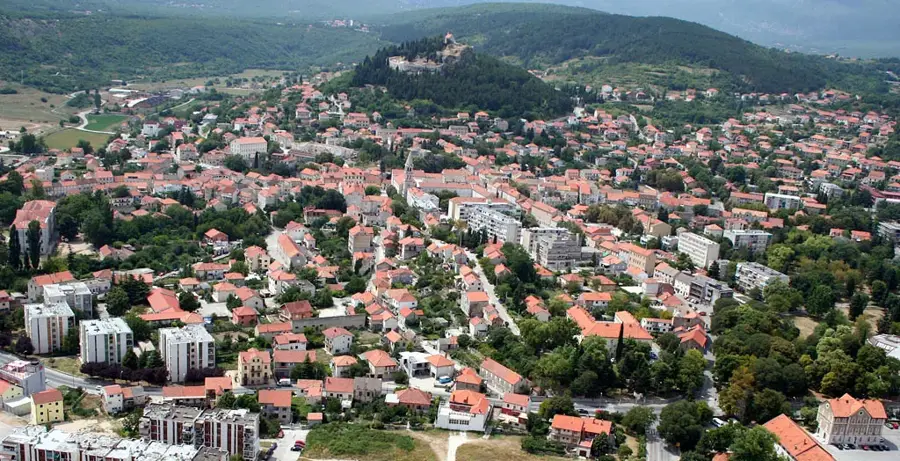
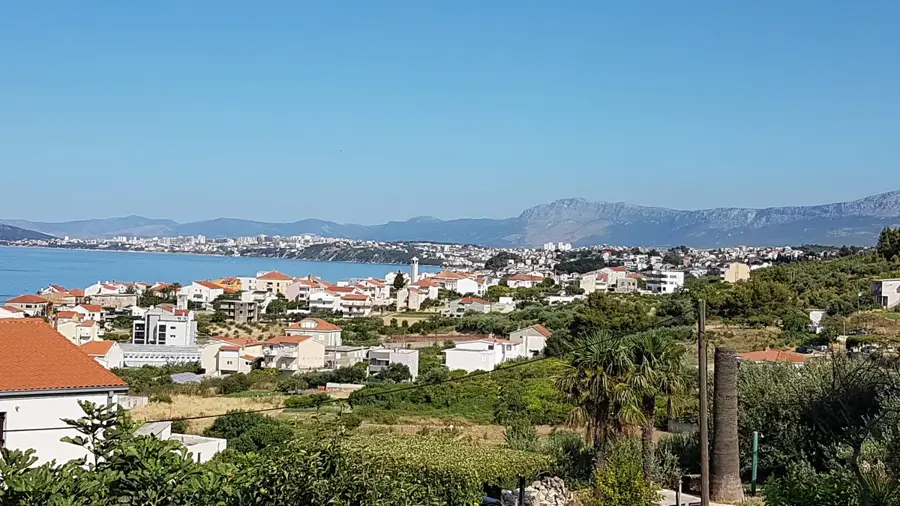
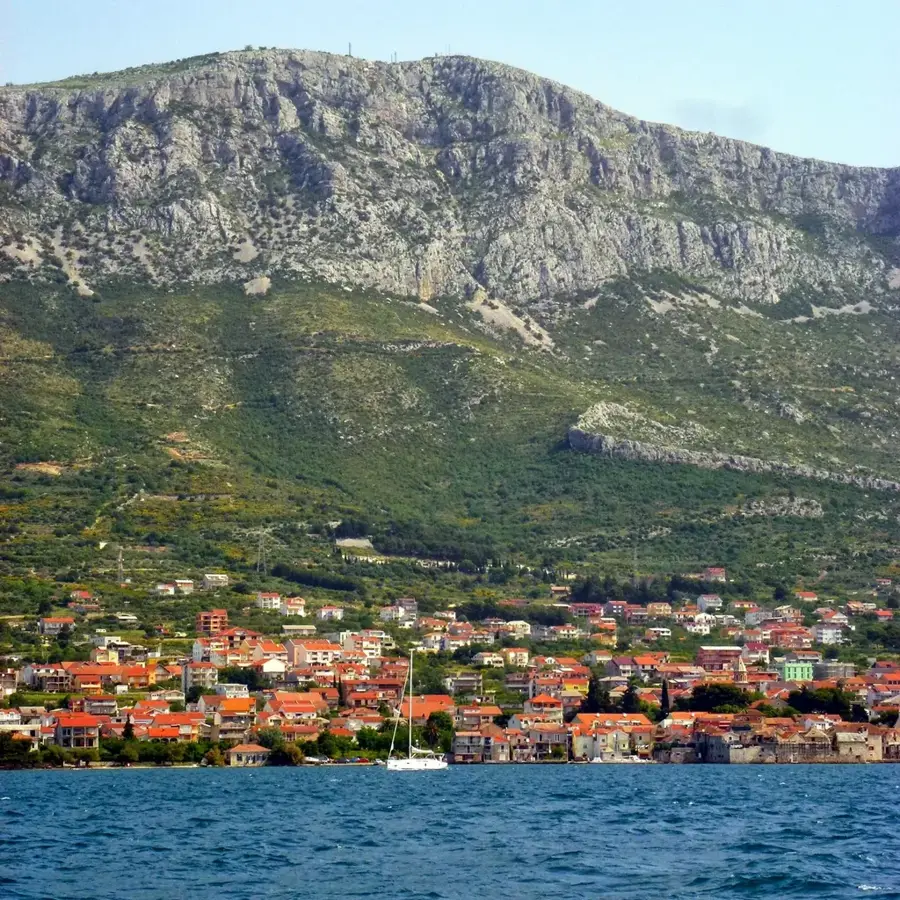
Kozjak is a prominent mountain range in Dalmatia, rising above the town of Kaštela north of Split and serving as a natural barrier between the sea and the hinterland. Geologically, Kozjak is characterized by an asymmetrical structure: its southern slopes drop almost vertically toward the sea, while the northern slopes decline gently toward the karst fields of Zagora. The mountain is primarily composed of Mesozoic limestone, with its base made of flysch layers responsible for the fertility of the coastal plain below. The highest peak of Kozjak is Veli Kozjak at 779 meters, offering sweeping views of the Adriatic Sea and the offshore islands. Historically, Kozjak was of great strategic importance, evidenced by numerous medieval churches and fortifications along its ridges, often built on ancient Illyrian foundations. Along the slopes, remains of the ancient Roman aqueduct that supplied Diocletian's Palace in Split can still be found. The vegetation varies from Mediterranean macchia on the southern side to denser beech and oak forests in protected northern areas. Today, Kozjak is a popular destination for hikers and rock climbers, as its steep cliffs provide good conditions. The region is also famous for the Crljenak Kaštelanski grape variety, which is genetically identical to Zinfandel.
- Location: Croatia
- Top sights: Biranj · Ostrog · Crni umac
- Nearby: Kaštel Novi (5 km)
Best time to visit & climate
The most pleasant time to visit is Jun, Jul, Sep.
| Jan | Feb | Mar | Apr | May | Jun | Jul | Aug | Sep | Oct | Nov | Dec | |
|---|---|---|---|---|---|---|---|---|---|---|---|---|
| Avg °C | 7 | 7 | 10 | 13 | 18 | 22 | 25 | 25 | 21 | 17 | 13 | 8 |
| Rain mm | 91 | 89 | 78 | 65 | 57 | 51 | 29 | 41 | 90 | 88 | 126 | 116 |
📋 Practical info
Geography
Facts
- Veli Kozjak is the highest peak of the range, standing at 779 meters.
- The mountain stretches for about 16 kilometers parallel to the Kaštela Bay.
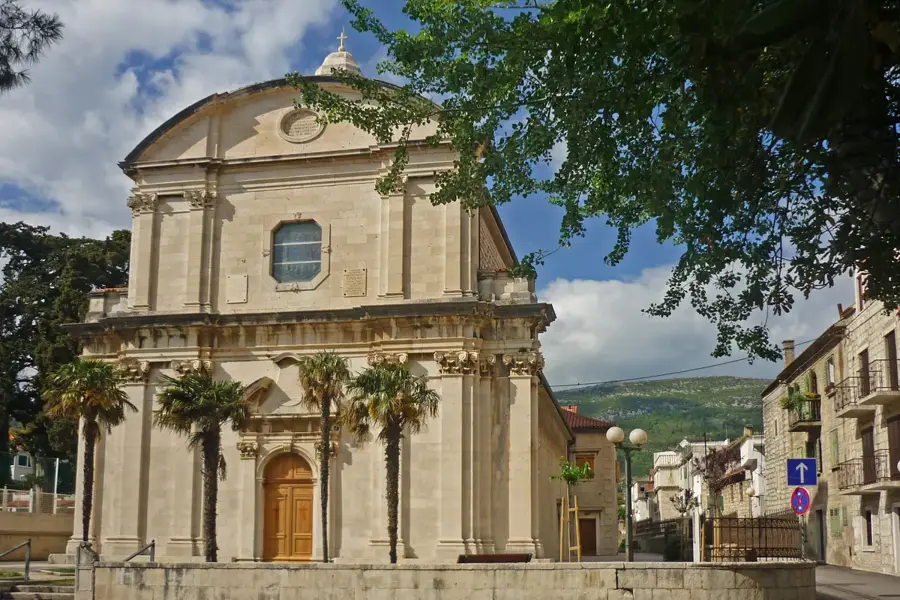
- It features over 12 medieval churches, such as St. Lawrence and St. John.
- The cliffs of Kozjak are popular for rock climbing, with routes of varying difficulty.
- The remains of the 4.5 km long Roman aqueduct of Diocletian pass near its base.
- The peak Sveti Jure (679 m) features a historic chapel rebuilt in the 1990s.
Explore nearby
Notable places around

Route planner — Car & Motorhome
Where do you start? We build the route here, with stops and country notes along the way.
© OpenStreetMap contributors · OpenRouteService
Sights in the town Kozjak (4)
Crni umac
Crni umac is an archaeological site on Kozjak.
Sights nearby
Frequently asked questions
Where is Kozjak located?
What is the most striking feature?
Are there mountain huts on Kozjak?
Can you drive up?
Which chapel is well-known?
Kozjak: where is it located?
Kozjak: what is there to see?
Kozjak: when is the best time to visit?
Kozjak: why is it worth visiting?

Nearby cities