Plizio Visual Lab
Dubrava
ℹ️Practical info — Dubrava
▾
🌤 Weather — 5 days
📍 Nearby
Sights nearby
💡 Tips
- Look for signs on houses that say 'Soparnik', this is the best way to buy the authentic dish fresh.
- Visit the nearby village of Gata to learn about the fascinating history of the Poljica Republic.
- Hike up Mosor mountain directly from the village, but ensure you wear sturdy boots for the rocky paths.
- Visit in July during the local summer festival to see traditional folk dances and music performances.
- The mountain roads are narrow; drive slowly and use the passing places when meeting oncoming traffic.
🍽 Food
A thin savory pie filled with chard, garlic, and olive oil, traditionally baked on an open hearth.
Taverns along the main road towards Omiš frequently serve freshly roasted lamb.
Ask in small local konobas for their own 'domaće vino', usually a strong red wine.
🛍 Shopping · 🧘 Quiet spots
Many local farms sell olive oil and wine directly to visitors, look for OPG signs.
A classic local snack, often cured with bay leaves and fennel for better preservation.
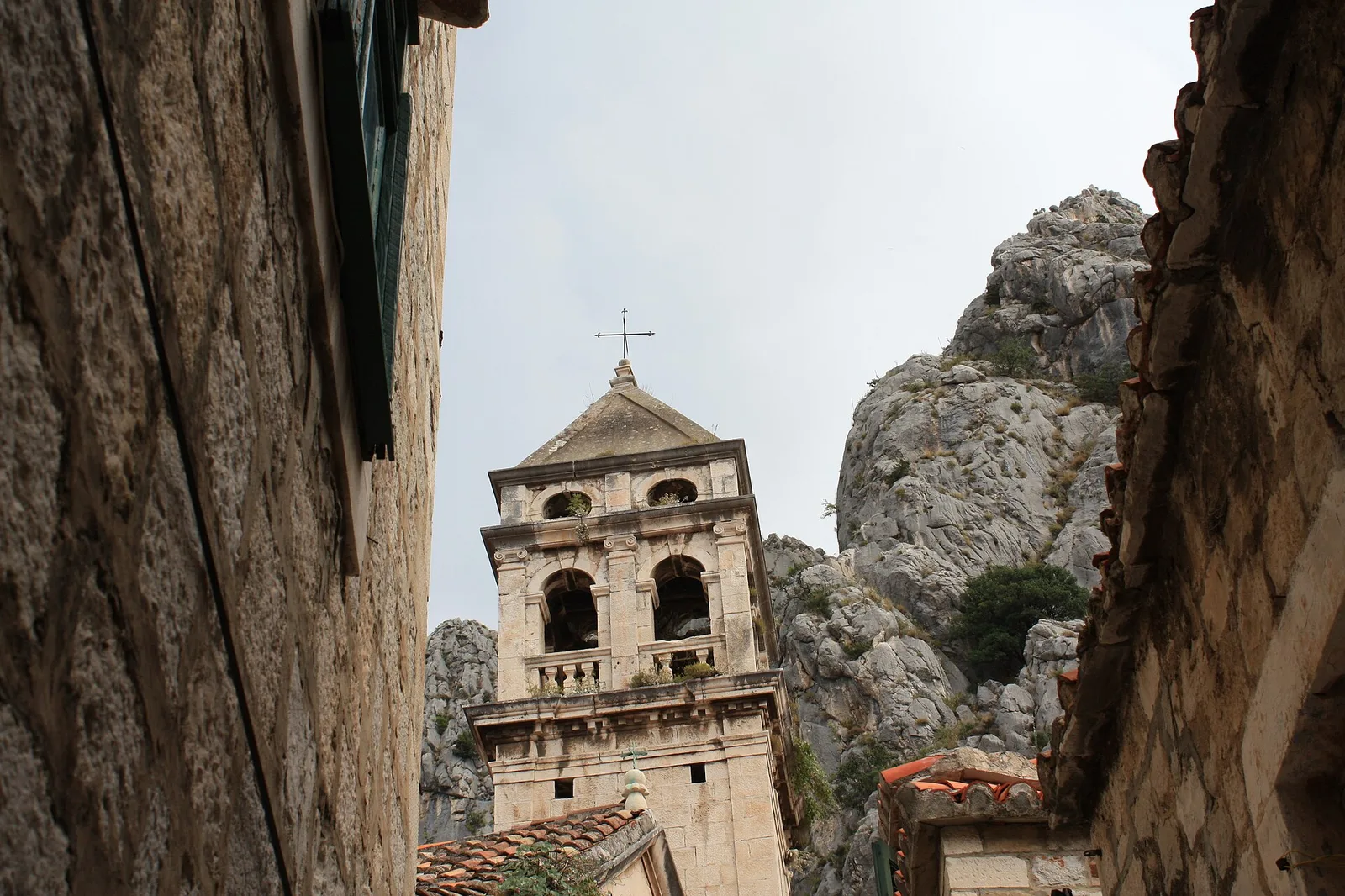
The historical church in nearby Gata gives a peaceful spot and cultural insights into the region.
Choose the less-traveled paths towards the peaks for absolute silence in the wilderness.
Water temperature…
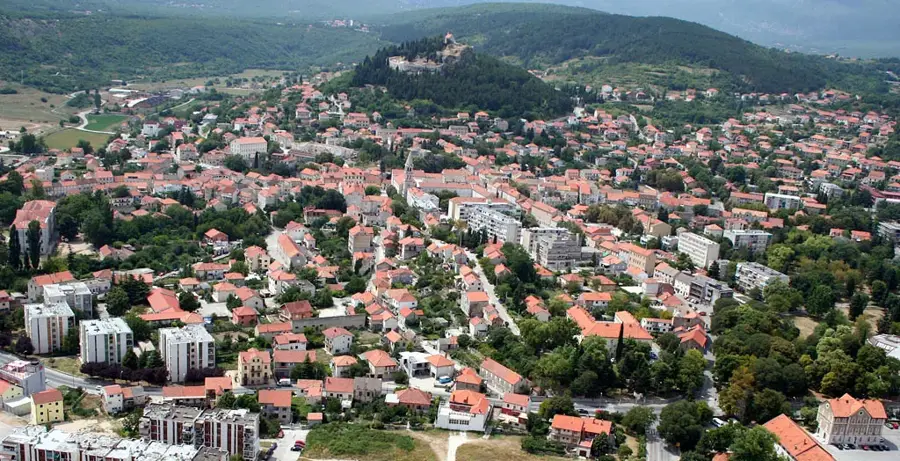
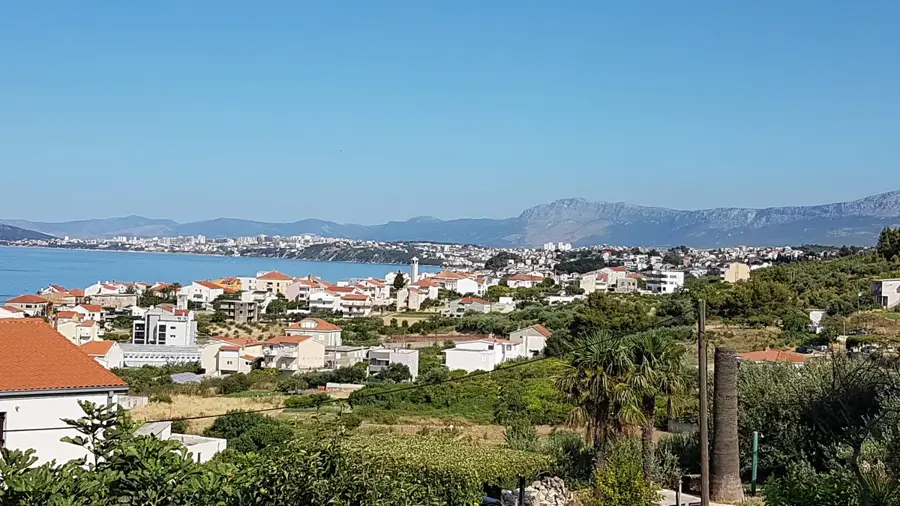
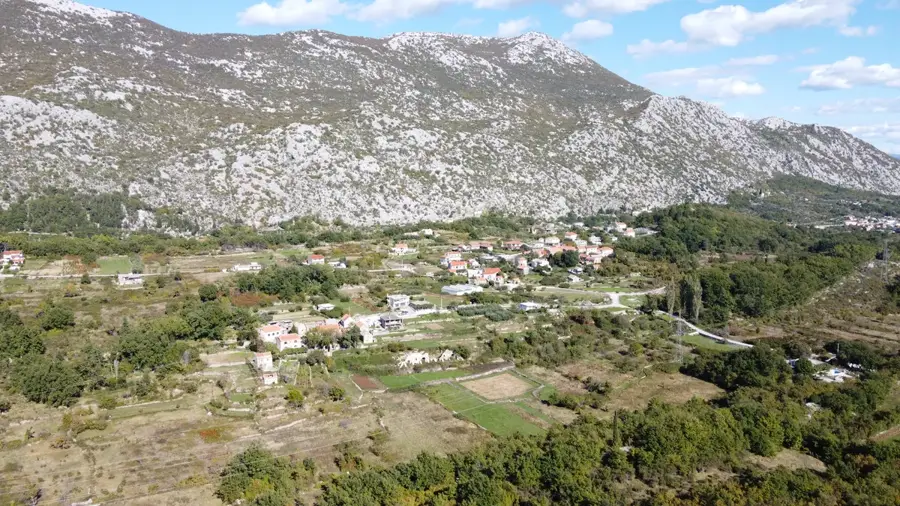
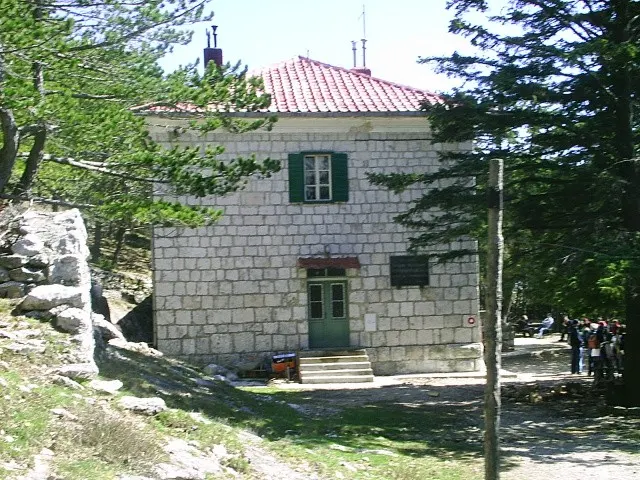
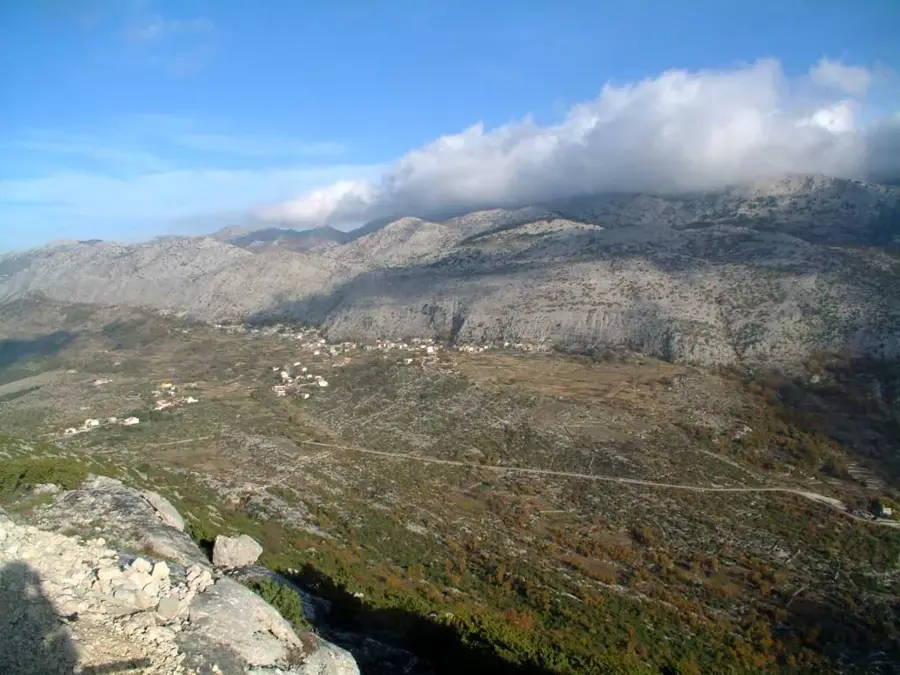
Dubrava lies at the foot of the Mosor mountain, in the heart of the Poljica region, famous for its centuries-old independence as a peasant republic. The village provides a spectacular view of the Adriatic Sea and the offshore islands of Brač and Šolta. The architecture is characterized by massive stone houses that once provided protection against invaders and the Bura wind. Today, Dubrava is a place for people seeking mountain seclusion while still appreciating the sea's proximity. Culturally, Dubrava is deeply connected to Poljica's traditions. The local Church of Saint Luke (sv. Luka) is an important gathering point for the community. Residents are particularly proud of 'Poljički soparnik,' a traditional dish of chard and dough baked over an open fire, protected as intangible cultural heritage. The surroundings invite extensive hiking in the Mosor mountains, with trails leading directly from the village to mountain peaks or small, hidden chapels. For tourists, Dubrava features an authentic experience of rural Dalmatia. Small family farms produce olive oil, honey, and medicinal herbs. The cool mountain air provides a welcome refreshment after a day at the beach in the nearby coastal towns of Omiš or Split. A visit to Dubrava is a journey back in time to when life was still determined by nature's cycles and the Statute of Poljica.
- Location: Croatia
- Top sights: Velim · Sedlo · Makirina
- Nearby: Tugare (5 km)
- Population: ~305
Best time to visit & climate
The most pleasant time to visit is Jun, Jul, Sep.
| Jan | Feb | Mar | Apr | May | Jun | Jul | Aug | Sep | Oct | Nov | Dec | |
|---|---|---|---|---|---|---|---|---|---|---|---|---|
| Avg °C | 7 | 7 | 10 | 13 | 18 | 22 | 25 | 25 | 21 | 17 | 13 | 8 |
| Rain mm | 91 | 89 | 78 | 65 | 57 | 51 | 29 | 41 | 90 | 88 | 126 | 116 |
Geography
Facts
- Southern slopes of Mosor mountain
- Part of former Poljica Republic
- Home of the Poljički soparnik
- Panoramic view of the Adriatic
- Church of Saint Luke
- Center for mountain hiking
- Traditional stone architecture
- Close to Omiš and Split
Explore nearby
Notable places around
Route planner — Car & Motorhome
Where do you start? We build the route here, with stops and country notes along the way.
© OpenStreetMap contributors · OpenRouteService
Sights in the town Dubrava (4)
Frequently asked questions
Where is Dubrava located?
What is the Falconry Center?
Are there hiking trails?
What is the local cuisine?
How far is it to Krka National Park?
Dubrava: where is it located?
Dubrava: what is there to see?
Dubrava: when is the best time to visit?
Dubrava: why is it worth visiting?

Nearby cities