Plizio Visual Lab
Wale
ℹ️Practical info — Wale
▾
🌤 Weather — 5 days
📍 Nearby
Sights nearby
💡 Tips
- Pukapuka is extremely remote, accessed only by infrequent flights or boats. Absolute flexibility in your travel plans is mandatory.
- The local language is Pukapukan, distinct from Cook Islands Maori. Learning a basic greeting goes a long way.
- Modest dress is required in the village; reserve your swimwear strictly for the beach.
- Everything runs on 'island time', and the community operates on a strict traditional sharing system.
🍽 Food
The staples of the local diet, prepared in various traditional, slow-cooked ways.
Usually caught by local fishermen and cooked simply on the same day.
A highly prized local delicacy, available only when in season and permitted by village rules.
🛍 Shopping · 🧘 Quiet spots
Beautifully handcrafted mats woven intricately by local artisans.
Authentic replicas of ancient fishing hooks and essential tools.
A tranquil spot in the island's interior to observe traditional agricultural practices.
Offering complete silence and isolation from the modern world.
Water temperature…
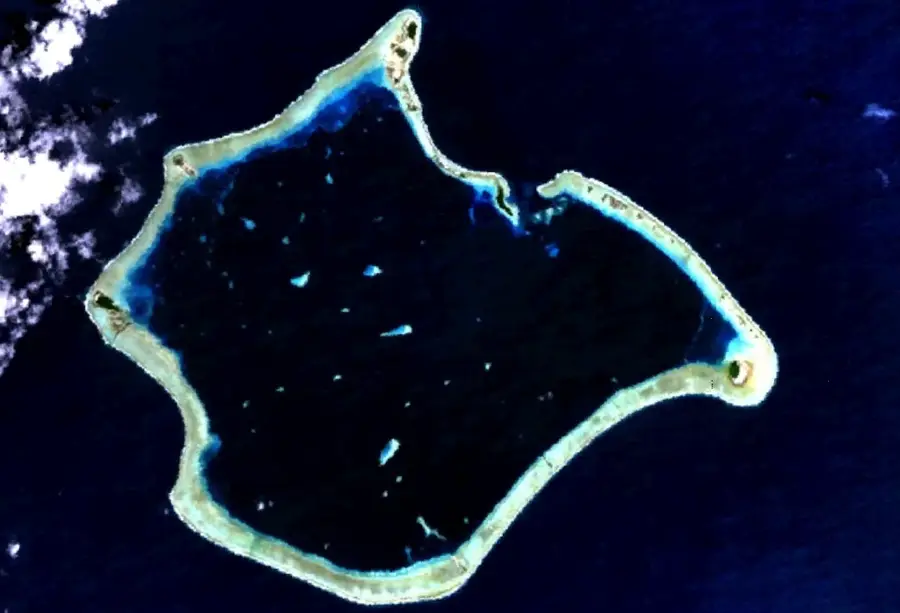
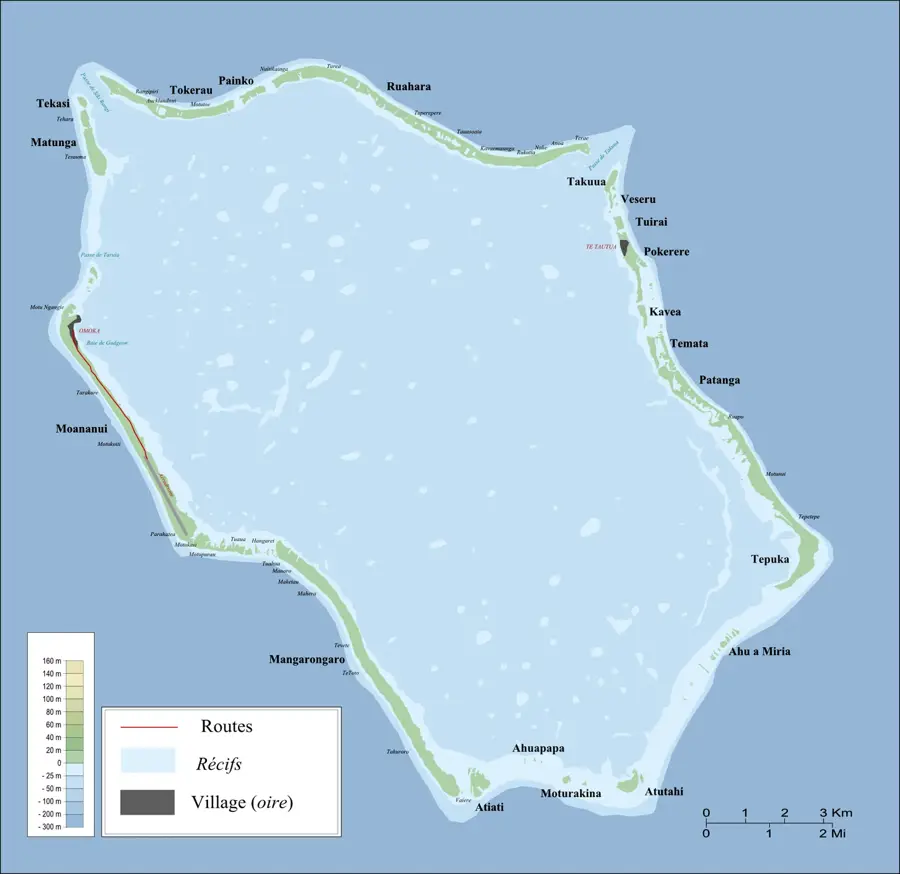
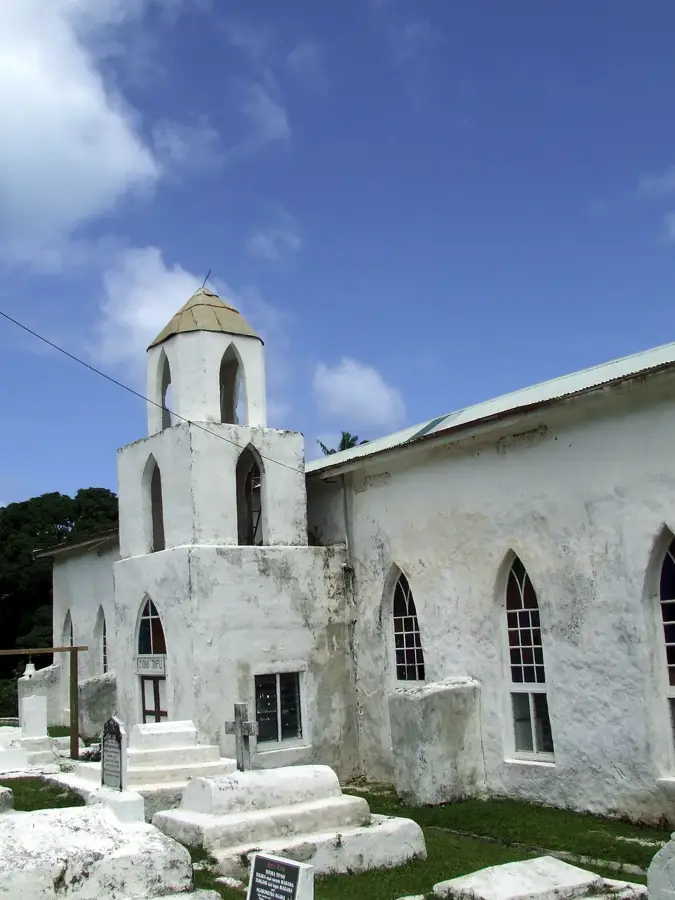
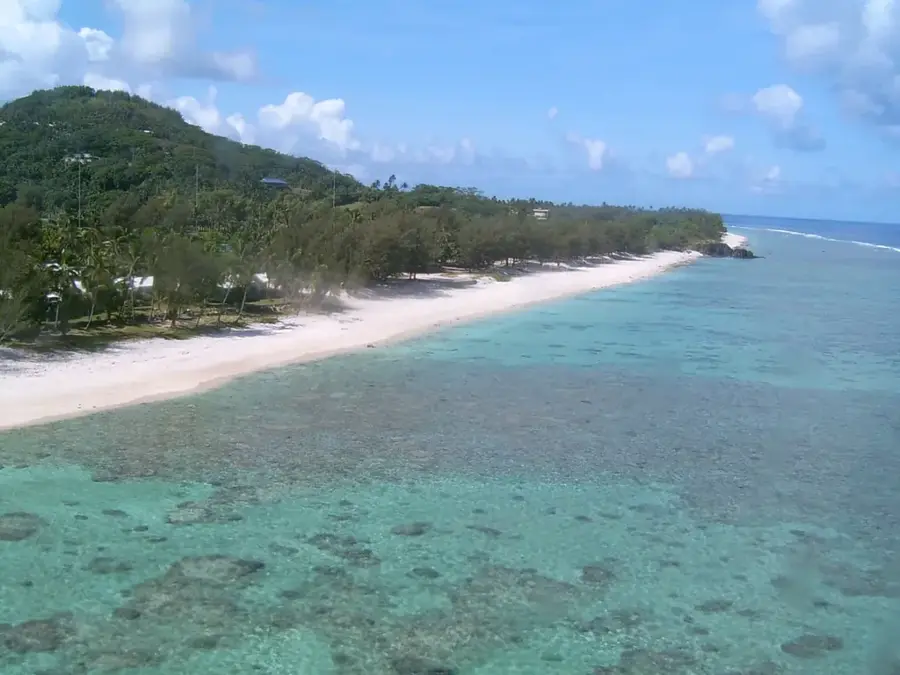
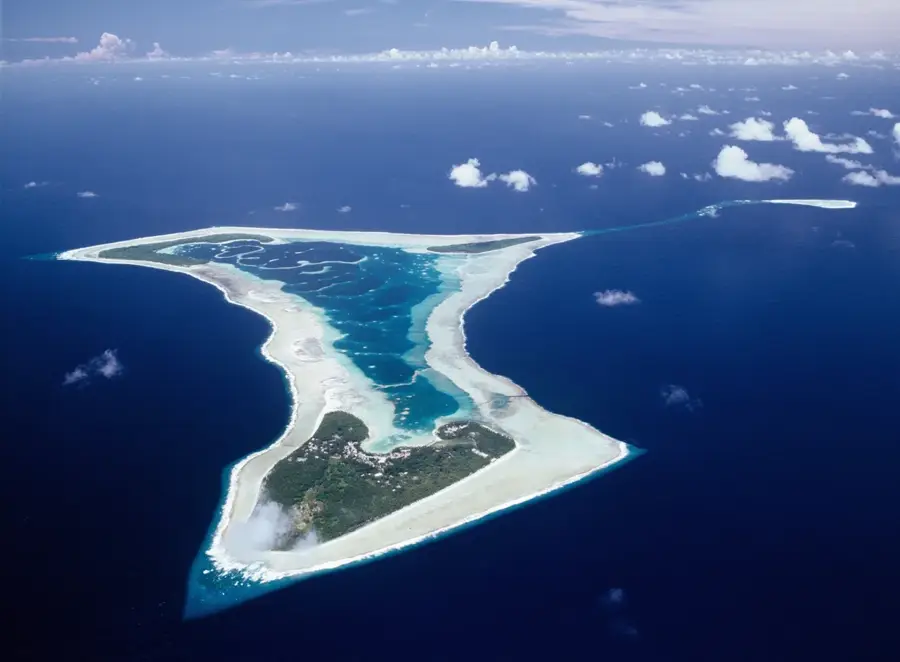
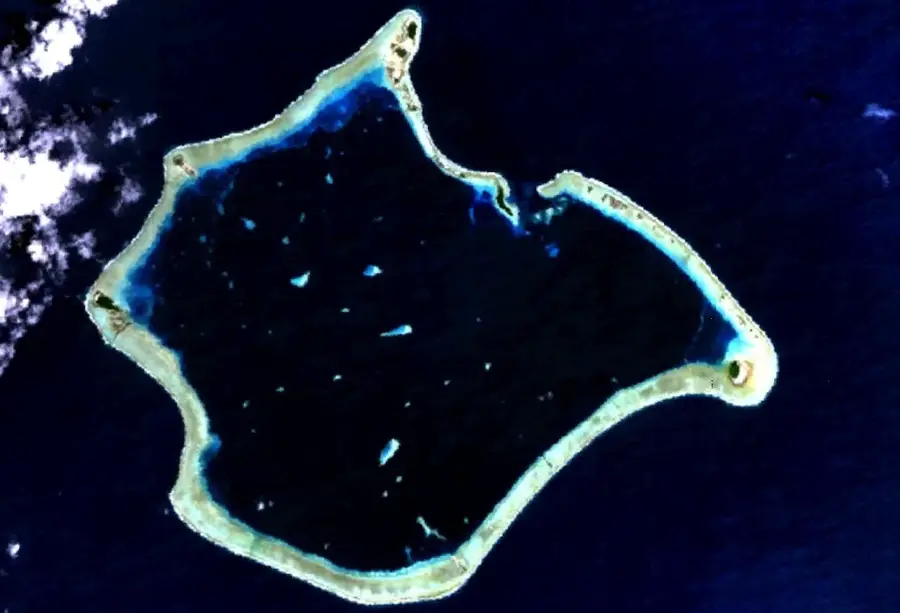
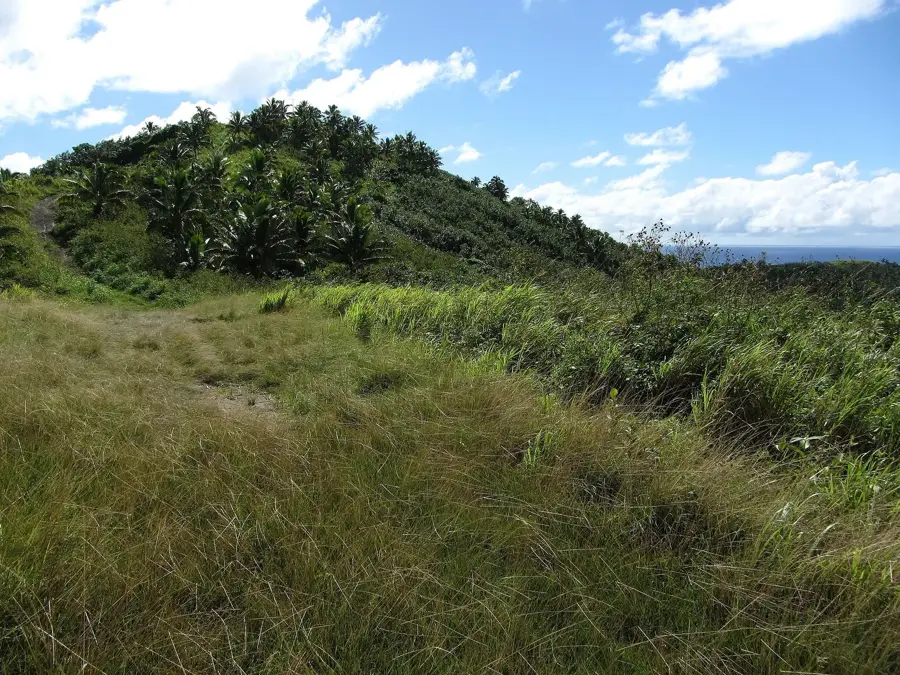
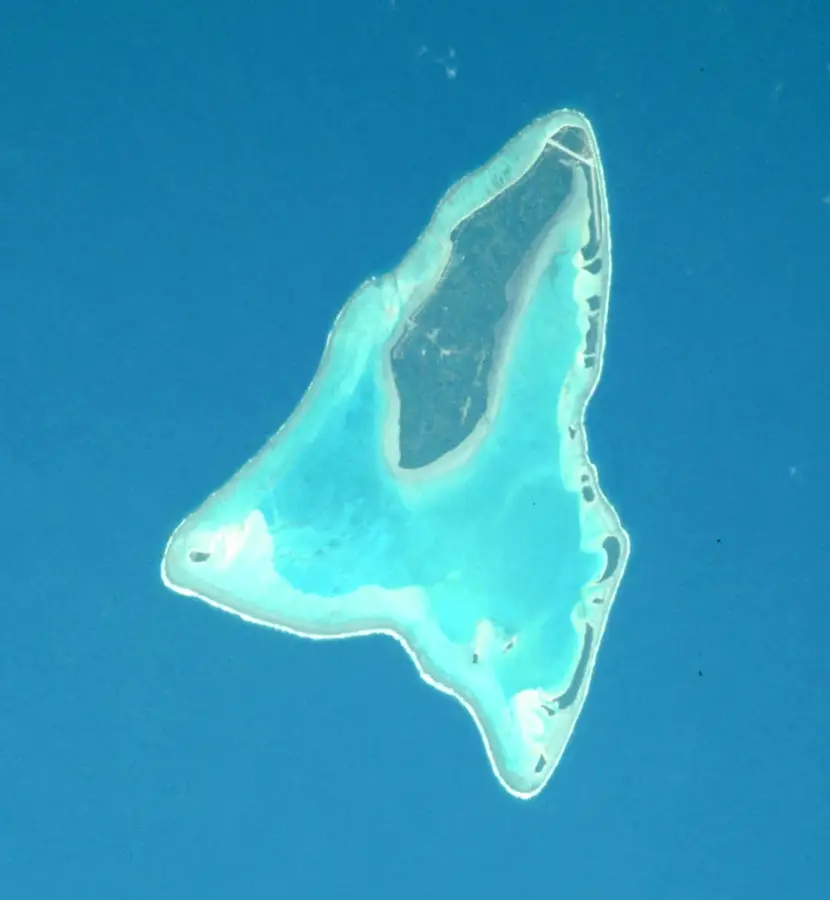
Wale is the primary village on the remote Pukapuka Atoll, often referred to as one of the most isolated communities in the Pacific Ocean. As the cultural and social heartbeat of the island, Wale is a place where ancient Polynesian customs remain animated and essential to daily survival. The residents speak Pukapukan, a distinct language that sets them apart from the rest of the Cook Islands. Geographically, the village is centered around the communal taro patches, which provide the staple food for the population and are meticulously maintained through shared labor. The social structure in Wale is unique, featuring a cooperative system of resource management that has allowed the community to flourish despite its extreme distance from modern markets. For the intrepid few who visit, Wale has a rare glimpse into a sustainable, communal way of life where the bonds of family and the rhythms of the sea define existence. It is a sanctuary of tradition in a rapidly changing world.
- Location: Cook Islands
- Top sights: Pukapuka · Motu Kotawa
Best time to visit & climate
The most pleasant time to visit is Jul–Sep.
| Jan | Feb | Mar | Apr | May | Jun | Jul | Aug | Sep | Oct | Nov | Dec | |
|---|---|---|---|---|---|---|---|---|---|---|---|---|
| Avg °C | 28 | 28 | 28 | 28 | 29 | 28 | 28 | 28 | 28 | 28 | 28 | 28 |
| Rain mm | 300 | 263 | 195 | 127 | 115 | 107 | 88 | 82 | 104 | 152 | 178 | 244 |
Geography
Facts
- Population: 200
- Atoll: Rakahanga
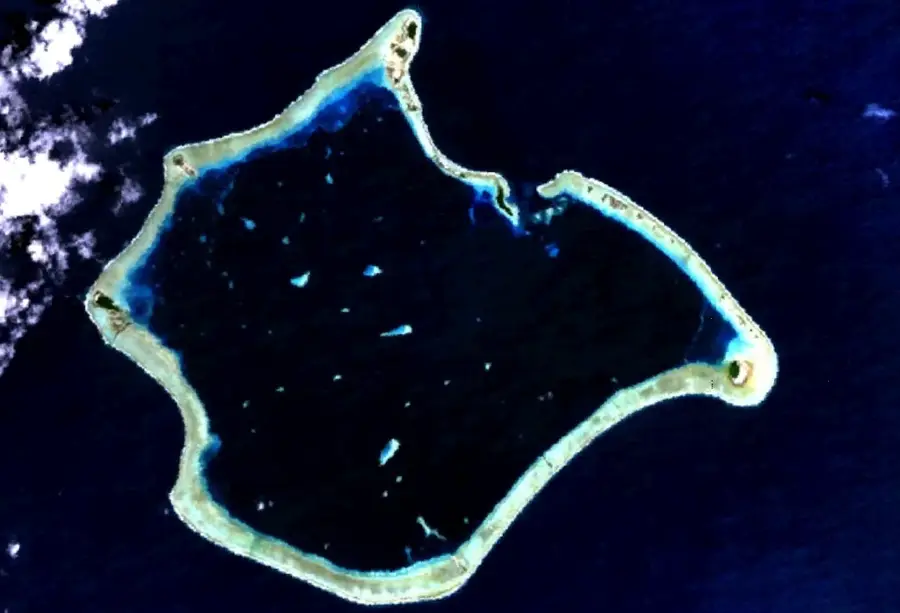
- Lagoon area: 10 km²
- Annual coconut production: 100 tons
- Church built: 1860
- Number of schools: 1
Route planner — Car & Motorhome
Where do you start? We build the route here, with stops and country notes along the way.
© OpenStreetMap contributors · OpenRouteService
Sights in the town Wale (2)
Frequently asked questions
Where is the village of Wale located?
What makes Wale unique?
Are there tourist facilities there?
Is money used there?
How is the connection to the outside world?
Wale: where is it located?
Wale: what is there to see?
Wale: when is the best time to visit?
Wale: why is it worth visiting?
Nearby cities
History & landmarks
Nature
More places