Plizio Visual Lab

Honda Historic Port
Plizio editorial teamData Sources
Historical site
—°5
Honda Historic Port (Colombia)

Weather…

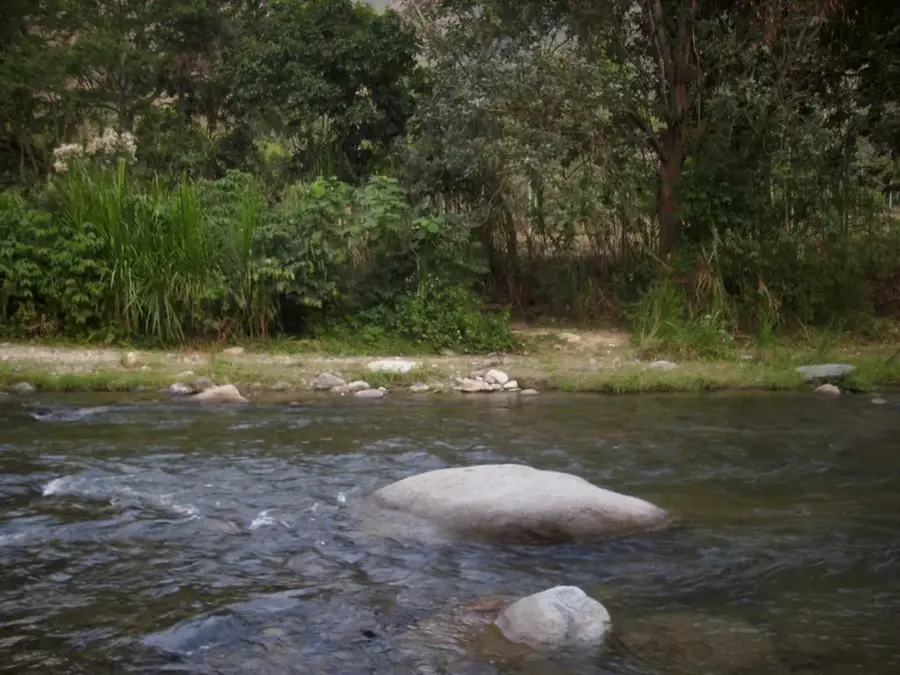
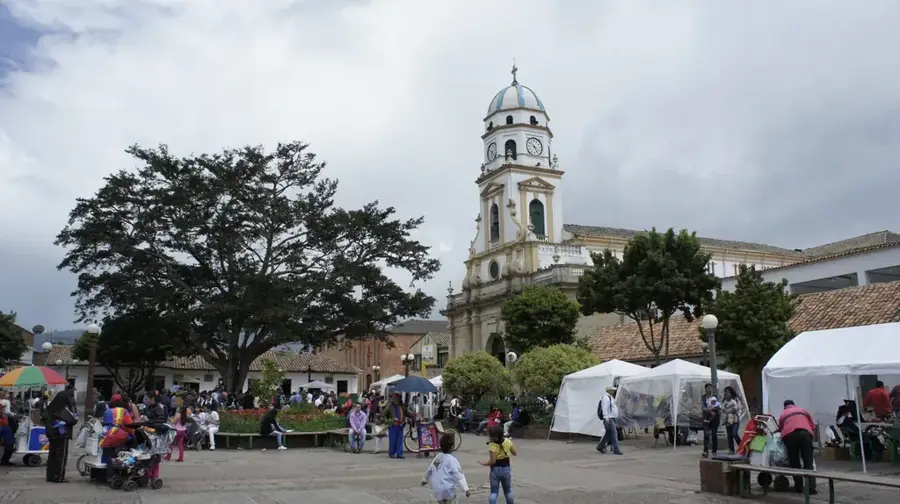
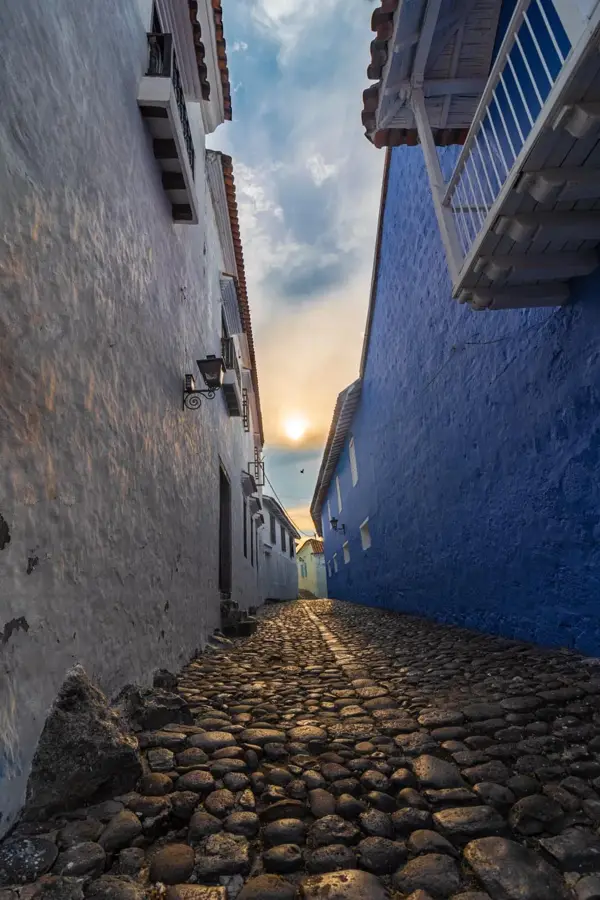
Honda, located in the department of Tolima, was the most important inland port of the Viceroyalty of New Granada on the Magdalena River during the colonial era. The city served as a strategic hub for the transport of goods and passengers between the Caribbean coast and the interior of the country, specifically Bogotá. Due to its architectural significance and well-preserved colonial structures, the historic center was declared a National Heritage site in 1977. The city is famous for its more than 40 bridges, earning it the nickname City of Bridges, with the Navarro Bridge, built in 1899, being the oldest iron bridge in South America. The hot climate and its location at the confluence of the Magdalena and Gualí rivers shaped its economic development for centuries. Today, Honda is a significant tourist destination providing insights into Colombia's maritime history and colonial urban planning.

Best time to visit & climate

The most pleasant time to visit is Jan, Feb, Sep.

JanFebMarAprMayJunJulAugSepOctNovDec
Avg °C212121212120212121202020
Rain mm4569117183173132108929316514790

📋 Practical info

🚪
Visiting
The historic port area of Honda can be visited, mostly outdoors along the riverside promenade. Some old buildings may not be open to the public, but the port perimeter is freely walkable.
🕒
Typical hours
Historic port areas are typically accessible during daytime without restrictions. Nearby churches or museums usually have fixed opening hours, which should be checked locally.
📷
Photography
Photography is allowed throughout the port area, especially worth capturing the old bridges and colonial buildings. Drone flights may require a permit, so check in advance.
⏱️
Time needed
A first walk along the riverside promenade takes about an hour. Those who also want to explore the surrounding alleys and bridges should plan for two to three hours.
Combine with
A visit to the port can be combined with exploring Honda's old town, which features several colonial churches and squares. The nearby Railway Museum is also worth a detour.
🧭
Getting there
Honda is about four hours north of Bogotá and can be reached by bus or car. From the town center, the port is about a 15-minute walk away.
💡
Insider tip
Visit the port early in the morning to avoid the intense midday heat and to get the best light for photos. Local fishermen sometimes sell fresh fish right by the shore.

Geography

Coordinates
5.20450, -74.74160

Facts

  • The port was Colombia's most important goods transfer point between the 17th and 19th centuries.
  • The Navarro Bridge was built between 1894 and 1898 by the San Francisco Bridge Company.
  • The city is located at an altitude of 225 meters above sea level.
  • In 1801, the German researcher Alexander von Humboldt visited the city.
  • Honda suffered a severe earthquake in 1805 that damaged many colonial buildings.
  • The Calle de las Trampas is a famous zigzag street in the historic center.

Explore nearby

Notable places around

Route planner — Car & Motorhome

Where do you start? We build the route here, with stops and country notes along the way.

Vehicle
Only stops with (optional):

© OpenStreetMap contributors · OpenRouteService

Sights in the town Honda Historic Port (5)

Casa cultural y museo Alfonso López Pumarejo🏛 museum

A museum and cultural house in the historic port city of Honda, dedicated to the legacy of the former Colombian president.

río Magdalena🏛 museum

A museum exhibition or cultural space focused on the immense history and navigation of the Magdalena River, the lifeblood of Honda.

Puerto Gallote Ruins📍 landmark

The deteriorating stone remains of a historic inland port that once facilitated intense river trade along the Magdalena.

Catedral de Nuestra Señora del Rosario📍 landmark

A striking Christian cathedral in Honda featuring an imposing bell tower and a grand colonial interior.

Plaza de Mercado🎭 culture

A large, architecturally distinct indoor marketplace supported by green columns, serving as Honda's central trading hub.

Sights nearby

Frequently asked questions

Why is Honda called the "City of Bridges"?
Because there are over 40 bridges over the Magdalena River and other rivers in the city.
What is the temperature like in Honda?
It is one of the hottest cities in Colombia, often exceeding 30°C; light clothing is essential.
Can you visit the port?
Yes, the historic riverfront area is open to the public and very photogenic.
Is there a museum about the river's history?
Yes, the "Museo del Río Magdalena" is highly recommended for history buffs.
How far is Honda from Bogotá?
The trip by bus or car takes about 4 to 5 hours along winding roads.
Honda Historic Port: where is it located?
Honda Historic Port is located in Colombia.
Honda Historic Port: what is there to see?
Highlights include Casa cultural y museo Alfonso López Pumarejo, río Magdalena, Puerto Gallote Ruins.
Honda Historic Port: when is the best time to visit?
The most pleasant time to visit is Jan, Feb, Sep.
Honda Historic Port: why is it worth visiting?
Honda, located in the department of Tolima, was the most important inland port of the Viceroyalty of New Granada on the Magdalena River during the colonial era.
View on map → The Top 50 Attractions → OpenStreetMap →
South America
Explore with Plizio Discover more places in South America
More places in Colombia →

Nearby cities

History & landmarks
More places