Plizio Visual Lab

Tatacoa Desert
Plizio editorial teamData Sources
Relief
—°6
Tatacoa Desert (Colombia)

Weather…

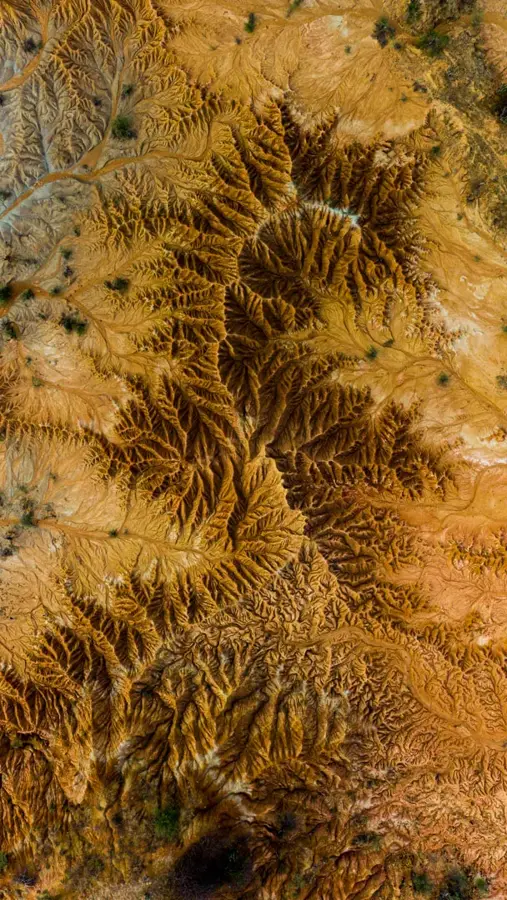
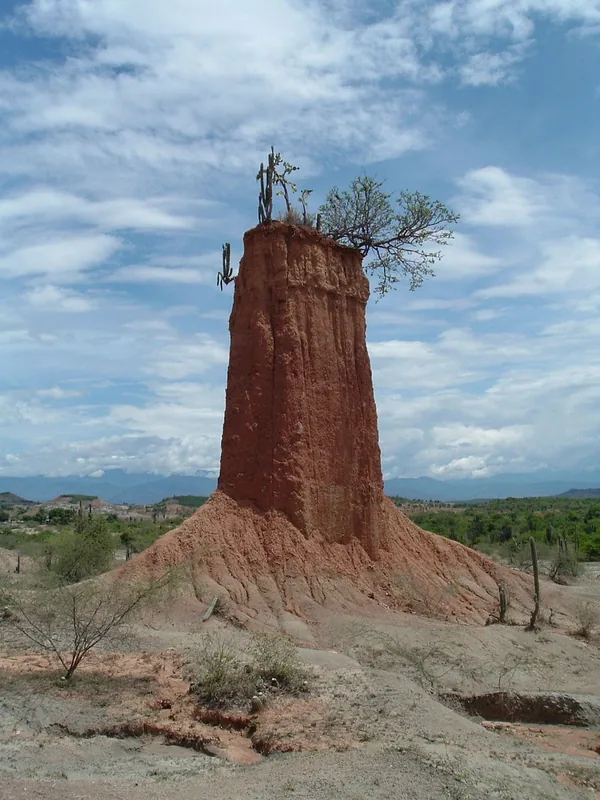
The Tatacoa Desert in the Huila department, covering an area of about 330 square kilometers, is Colombia's second-largest arid zone after the La Guajira peninsula. Geologically, it is not a true desert but a tropical dry forest that has been divided by erosion into two distinct zones: Cuzco, with its ochre-colored earth, and Los Hoyos, featuring gray formations. During the Tertiary period, this area was a humid region with rich flora and fauna, evidenced by numerous fossil finds of giant turtles and sloths. Due to its location near the equator and low light pollution, the Tatacoa is a premier site for astronomy and houses a modern observatory. Temperatures can rise above 40 degrees Celsius during the day, while cooling significantly at night. The vegetation is adapted to the dryness, consisting mainly of cacti and thorny shrubs, while the wildlife includes reptiles and birds of prey.

📋 Practical info

🧭
Getting there
Access to this dry forest region is primarily through the nearby town of Villavieja, which connects via paved roads to the city of Neiva. From Villavieja, visitors often hire motor-taxis or drive their own vehicles the short distance to the canyon entrances.
📅
Best season
This destination can be visited year-round, although avoiding the sporadic heavy rainfalls prevents the clay paths from becoming slippery traps. Stargazing is arguably best during the dry months when the night skies remain completely free of cloud cover.
⛰️
Terrain & paths
The area features distinct red and gray zones characterized by deeply eroded labyrinths, dry gullies, and sparse cactus vegetation. Walking involves navigating relatively flat but winding sandy paths through these visually striking, surreal clay formations.
🎒
What to bring
Comfortable, lightweight clothing and solid walking shoes are appropriate for the dusty trails crisscrossing the canyon floors. Since daytime heat is intense, visitors must carry plenty of water, a wide hat, and dependable sun protection at all times.
🅿️
Parking
Ample dirt parking spaces are usually available right near the main observatory and at the entrances to the distinct colored labyrths. These parking spots are generally safe during daylight hours, making it easy to hop between the different geological sectors.
⚠️
Safety
The primary safety concern here is extreme heat exhaustion, so scheduling walks for the early morning or late afternoon is a very wise decision. While generally a safe area, wandering too far off the marked labyrinth trails can lead to disorientation.
⏱️
Time needed
Exploring both the prominent red and gray sections takes roughly a half day, usually around three to five hours of leisurely walking. Many visitors choose to stay until the evening to enjoy a highly recommended session of guided stargazing at the observatory.

Geography

Coordinates
3.20000, -75.10000

Facts

  • The desert covers an area of 330 square kilometers.
  • It lies in the rain shadow of the Central and Eastern Cordilleras.
  • In Cuzco, temperatures often reach 40 to 45 degrees Celsius.
  • Fossils of animals over 15 million years old have been found here.
  • The observatory takes advantage of the 360-degree view of the sky.
  • The gray 'Los Hoyos' zone contains volcanic ash deposits.

Explore nearby

Notable places around

Route planner — Car & Motorhome

Where do you start? We build the route here, with stops and country notes along the way.

Vehicle
Only stops with (optional):

© OpenStreetMap contributors · OpenRouteService

Sights in the town Tatacoa Desert (6)

Mirador Ventana🌿 nature

A scenic viewpoint offering sweeping vistas over the dry, eroded landscapes of the Tatacoa Desert.

Los Hoyos - Desierto Gris🌿 nature

This viewpoint overlooks the striking grey, eroded badlands known as Los Hoyos in the Tatacoa Desert.

Los Hoyos🌿 nature

An overlook offering panoramic views of the lunar-like, grey clay formations of the desert.

Sendero de los Xilopalos📍 landmark

A desert trail leading past ancient fossilized wood remnants scattered in the arid terrain.

Parque Zoologico🎡 recreation

A small zoological park near the desert displaying animal species adapted to the regional dry climate.

Nuestra Señora Del Carmen📍 landmark

A Christian church serving the local community near the desert, featuring a traditional facade.

Sights nearby

Frequently asked questions

Is the Tatacoa Desert a true desert?
Technically, it is a tropical dry forest.
Why should you be there at night?
It is one of Colombia's best places for astronomy and stargazing.
What colors does the desert have?
There are red (Cuzco) and gray (Los Hoyos) sectors.
How hot does it get there?
Temperatures can rise above 40°C during the day.
How do you reach the desert?
From the city of Neiva by taxi or boat across the Magdalena River.
Tatacoa Desert: where is it located?
Tatacoa Desert is located in Colombia.
Tatacoa Desert: what is there to see?
Highlights include Mirador Ventana, Los Hoyos - Desierto Gris, Los Hoyos.
Tatacoa Desert: why is it worth visiting?

The Tatacoa Desert in the Huila department, covering an area of about 330 square kilometers, is Colombia's second-largest arid zone after the La Guajira peninsula.
View on map → The Top 50 Attractions → OpenStreetMap →
South America
Explore with Plizio Discover more places in South America
More places in Colombia →

Nearby cities

History & landmarks
More places