Plizio Visual Lab
Gobi Desert
Weather…
Water temperature…
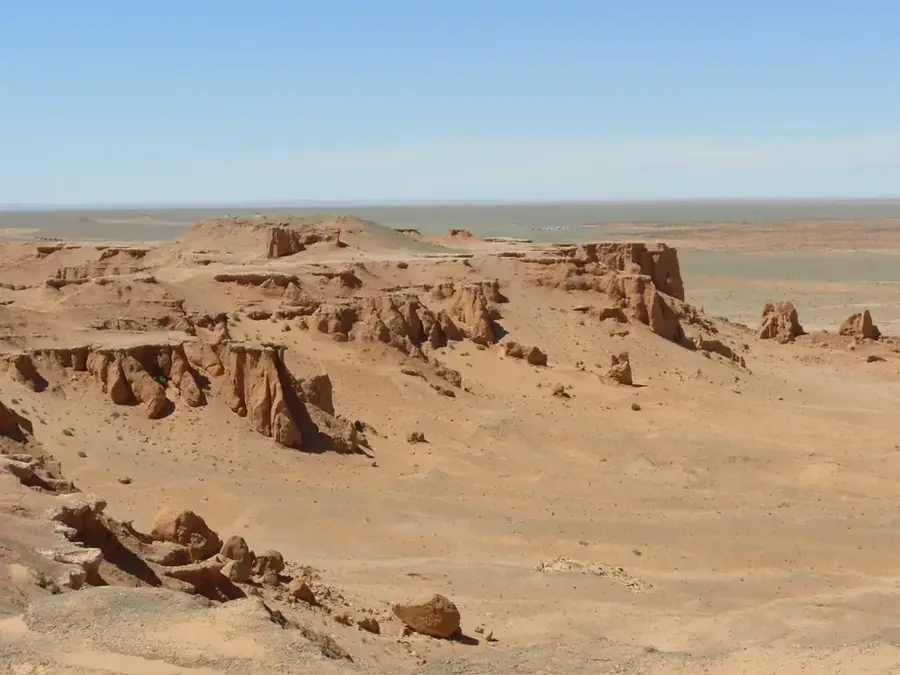
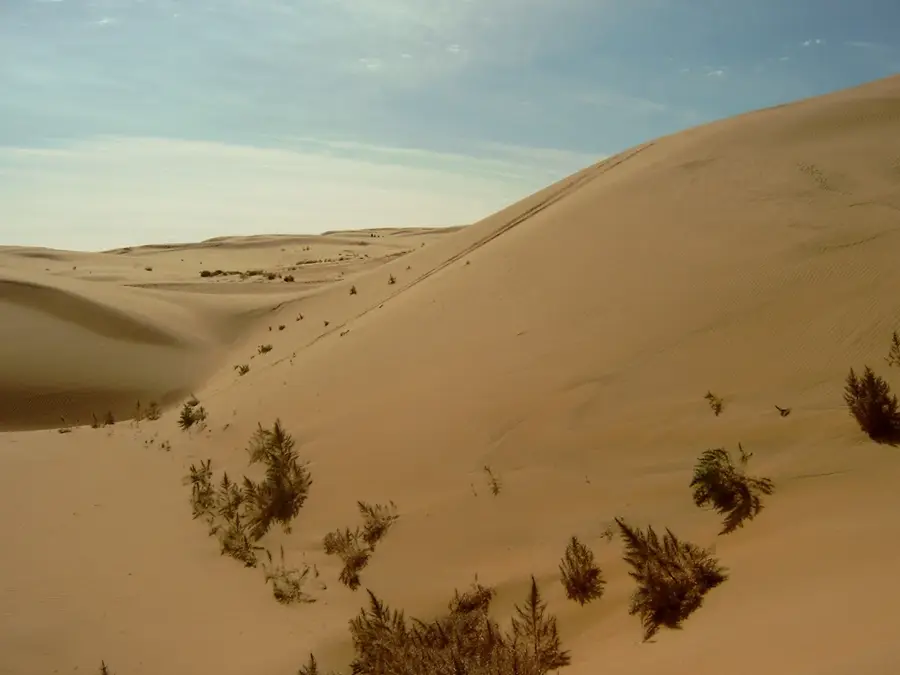
The Gobi Desert is a vast, arid region in northern China and southern Mongolia, covering approximately 1.295 million square kilometers. It is the sixth-largest desert in the world and the second-largest in Asia. Formed by the rain shadow cast by the Himalayan plateau, the Gobi experiences extreme temperature fluctuations, ranging from -40 °C in winter to over +50 °C in summer. Unlike typical sandy deserts, much of the Gobi consists of exposed bare rock and gravel plains known as "hamada." The region is historically significant as part of the Mongol Empire and home to several important stops along the Silk Road. In the 1920s, paleontologist Roy Chapman Andrews discovered the first fossilized dinosaur eggs in the Flaming Cliffs of the Gobi, revolutionizing the field of paleontology. Today, it supports unique wildlife such as the critically endangered Gobi bear and wild Bactrian camels, while facing significant challenges from desertification. The desert continues to expand southward toward Beijing, leading to large-scale reforestation efforts by the Chinese government.
Best time to visit & climate
The most pleasant time to visit is May, Jun, Aug.
| Jan | Feb | Mar | Apr | May | Jun | Jul | Aug | Sep | Oct | Nov | Dec | |
|---|---|---|---|---|---|---|---|---|---|---|---|---|
| Avg °C | -12 | -7 | 1 | 9 | 16 | 23 | 26 | 23 | 16 | 7 | -2 | -10 |
| Rain mm | 2 | 2 | 3 | 5 | 13 | 23 | 30 | 27 | 18 | 5 | 3 | 2 |
📋 Practical info
Geography
Facts
- Covers about 1,295,000 km² across China and Mongolia
- Rain shadow desert formed by the high Himalayan range
- Temperature range from -40 °C to +50 °C
- Site of the world's first dinosaur egg discovery in 1923
- Only 5% of the desert is sand; the rest is bare rock
- Home to the world's only wild Bactrian camel population
Explore nearby
Notable places around

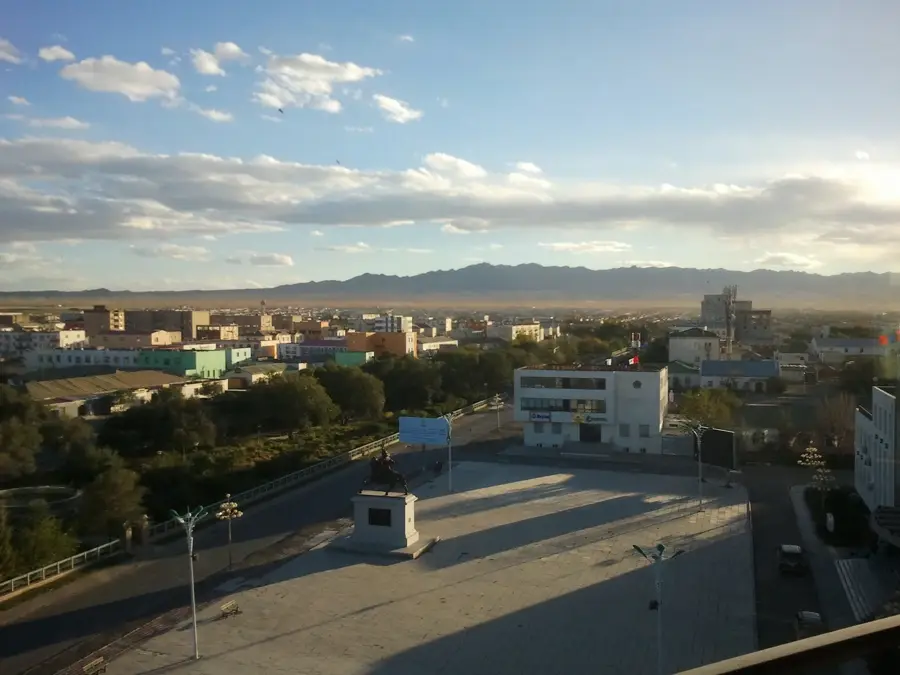
Route planner — Car & Motorhome
Where do you start? We build the route here, with stops and country notes along the way.
© OpenStreetMap contributors · OpenRouteService
Sights nearby
Frequently asked questions
Is the Gobi only a sand desert?
What are the temperatures like?
Can you ride camels?
Are there oases there?
What should I bring on a tour?
Gobi Desert: where is it located?
Gobi Desert: when is the best time to visit?
Gobi Desert: why is it worth visiting?
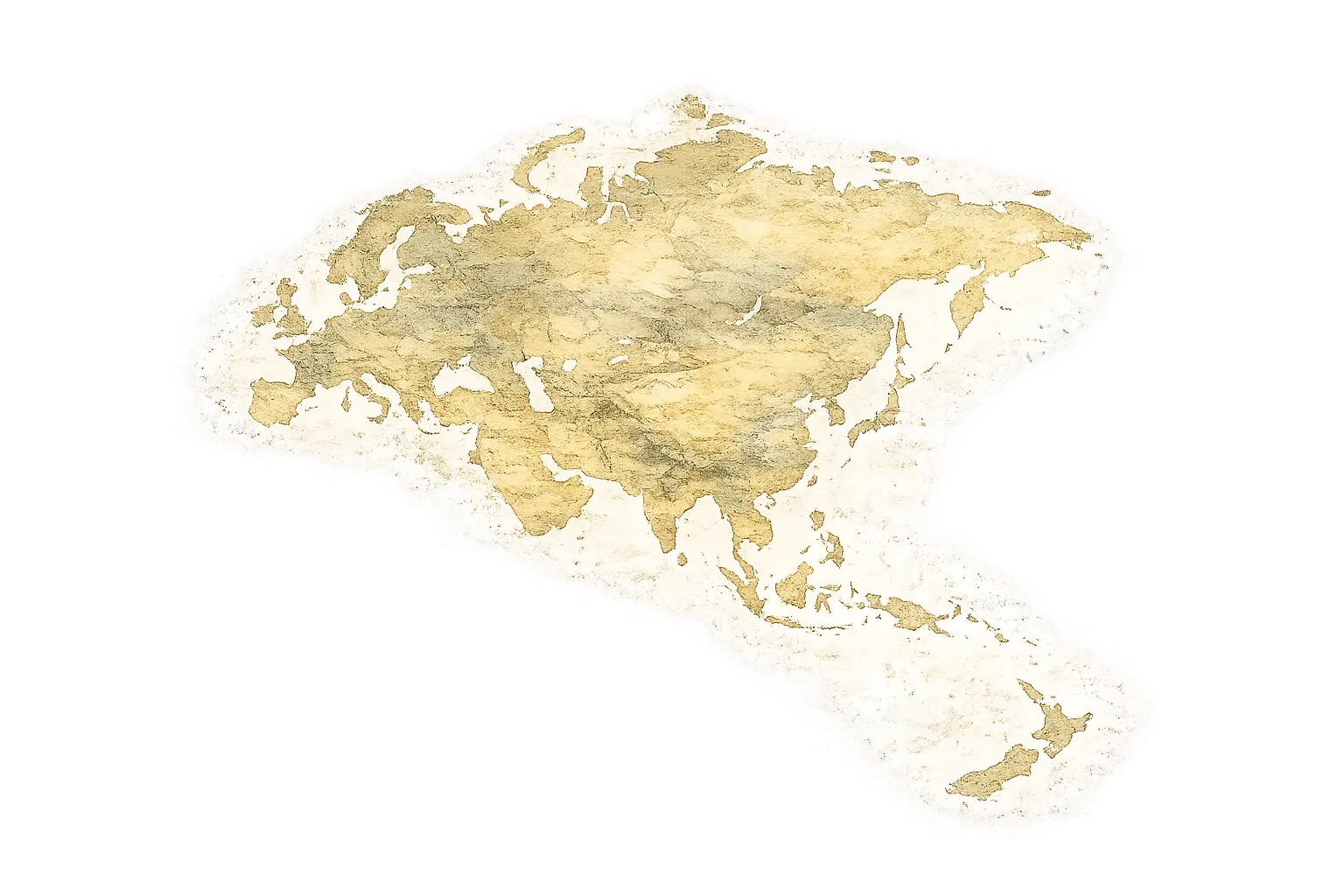
Nearby cities
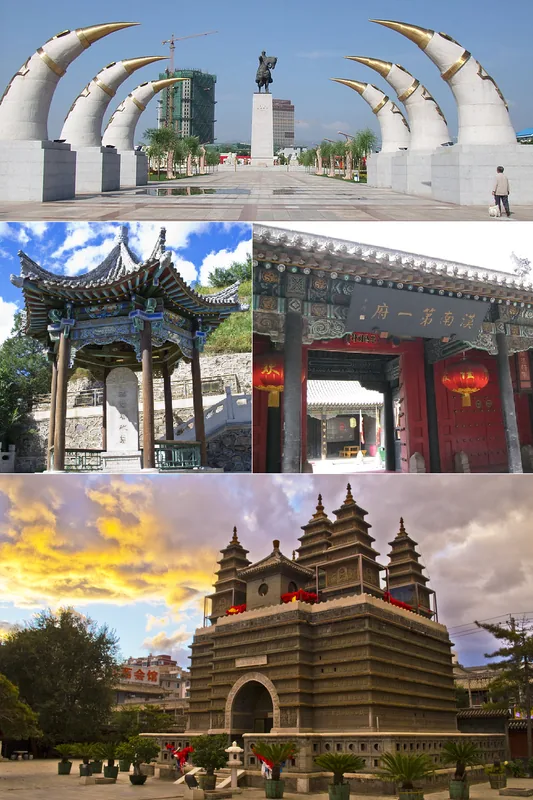
History & landmarks
More places