Plizio Visual Lab
Easter Island (Rapa Nui)
Weather…
Water temperature…
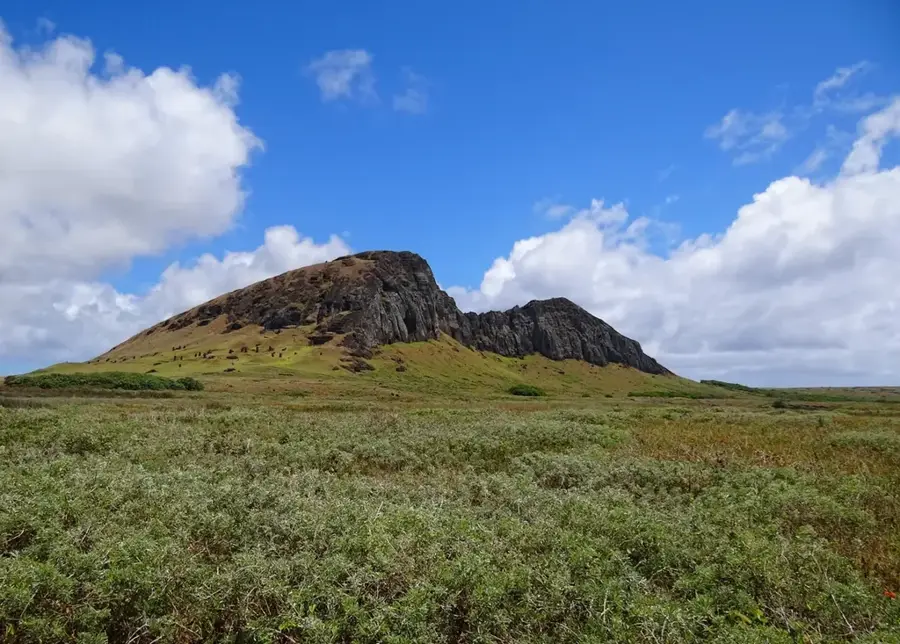
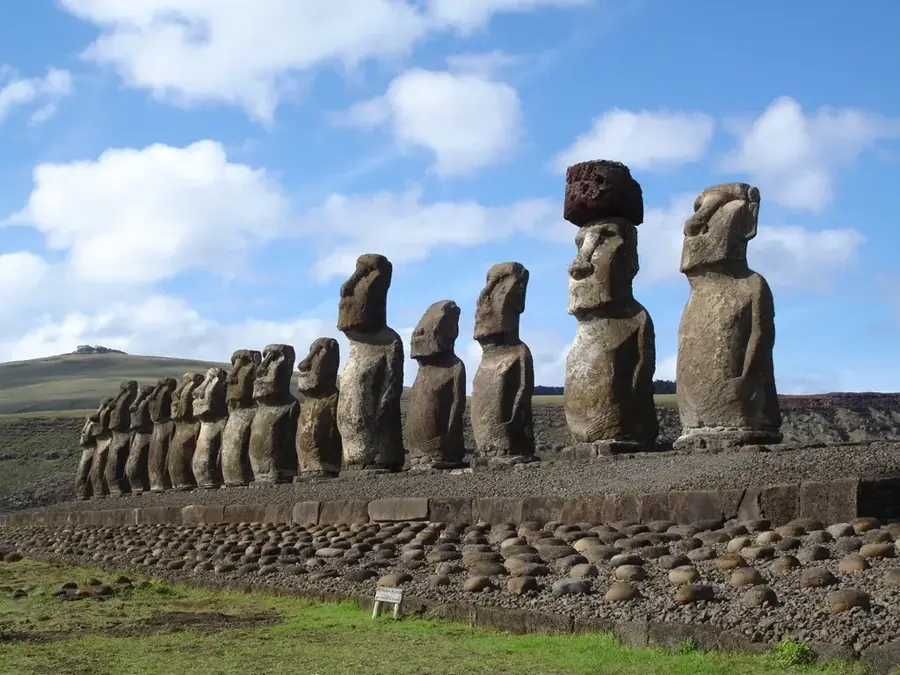
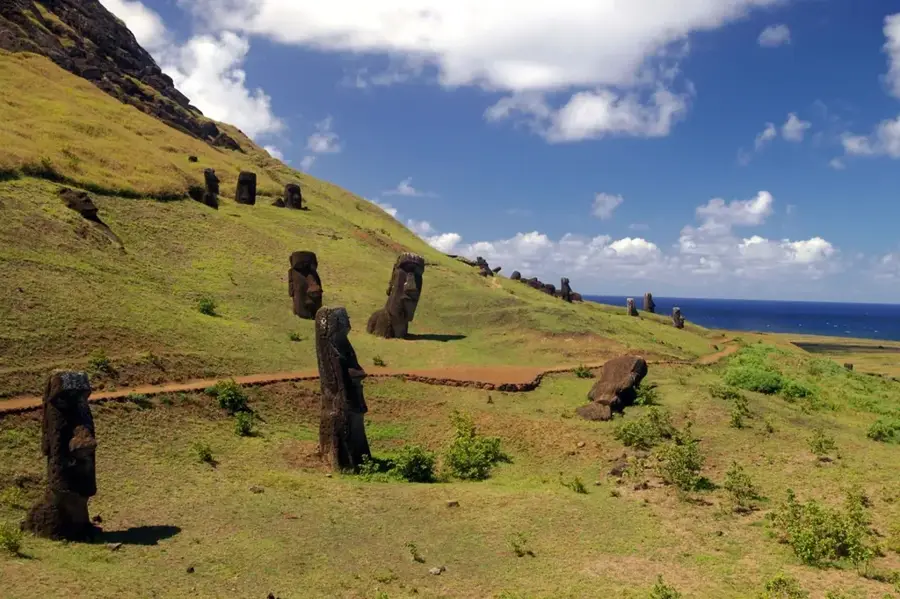
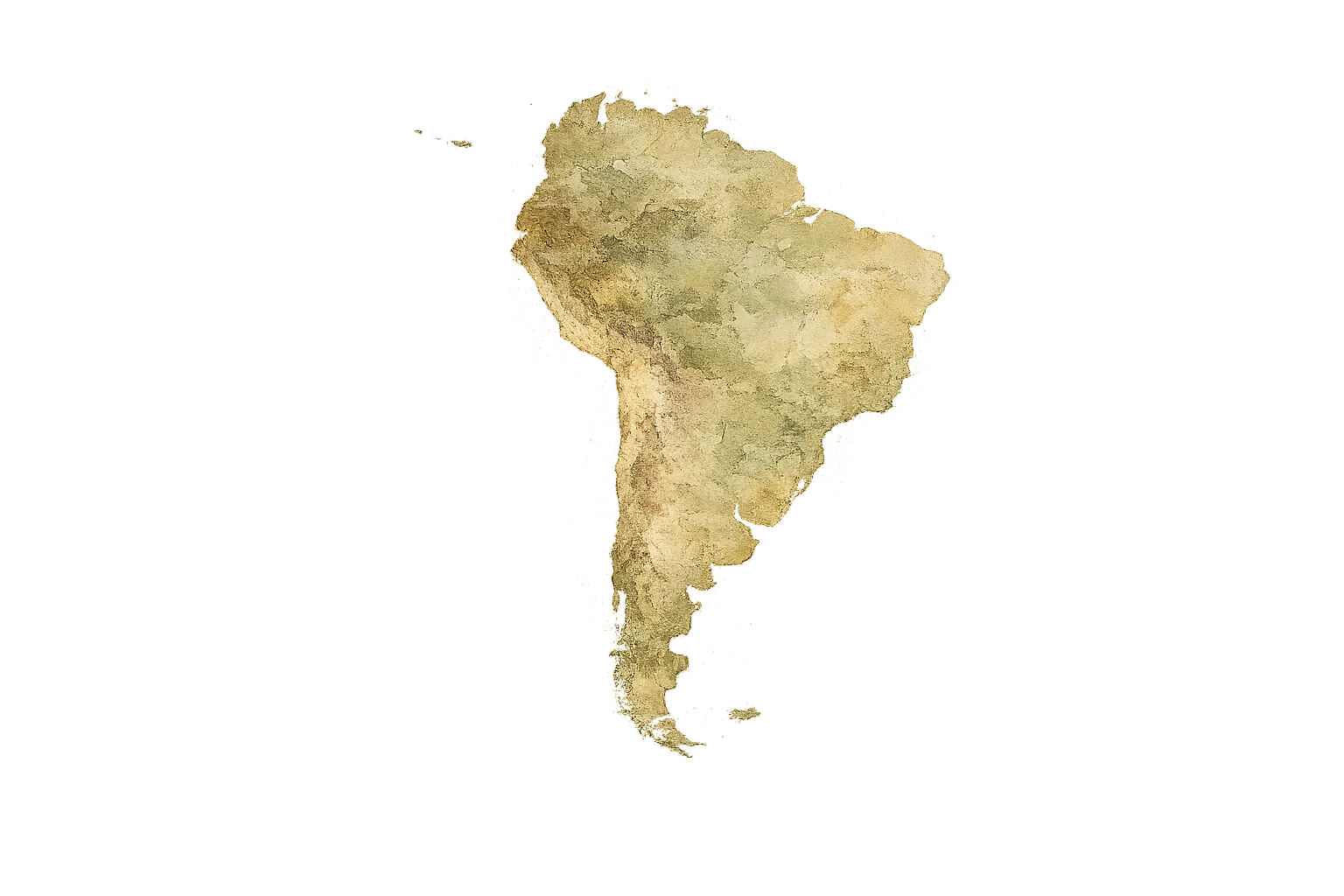
Easter Island, also known as Rapa Nui, is a remote volcanic island in the southeastern Pacific Ocean and a special territory of Chile. It is world-renowned for its monumental stone statues called moai, carved by the Rapa Nui people between 1250 and 1500 CE from volcanic tuff. The island is triangular in shape, formed by the eruptions of three extinct volcanoes: Terevaka, Poike, and Rano Kau. Spanning roughly 163 square kilometers, it is one of the most isolated inhabited places on Earth, located over 3,500 kilometers from the Chilean mainland. In 1995, Rapa Nui National Park was designated a UNESCO World Heritage site to protect its unique cultural legacy and archaeological ruins. The island's history is a compelling narrative of Polynesian migration, environmental transformation, and its first European contact on Easter Sunday in 1722. Today, tourism is the primary economic driver, while the local population works to preserve their indigenous language and cultural identity.
- Location: Chile
- Top sights: Ahu Ki Raau · Ahu Hanua Nua Mea · Rapa Nui National Park
Best time to visit & climate
The most pleasant time to visit is Oct–Dec.
| Jan | Feb | Mar | Apr | May | Jun | Jul | Aug | Sep | Oct | Nov | Dec | |
|---|---|---|---|---|---|---|---|---|---|---|---|---|
| Avg °C | 24 | 24 | 24 | 23 | 22 | 21 | 20 | 19 | 19 | 20 | 21 | 22 |
| Rain mm | 33 | 25 | 39 | 63 | 89 | 73 | 52 | 40 | 50 | 40 | 47 | 32 |
📋 Practical info
Geography
Facts
- A total of 887 moai statues have been cataloged on the island.
- Distance to the Chilean mainland is approximately 3,512 kilometers.
- The largest statue, 'El Gigante,' is 21 meters tall and unfinished.
- Designated as a UNESCO World Heritage site in 1995.
- The highest point is the Terevaka volcano at 507 meters elevation.
- The island was first encountered by Jacob Roggeveen on April 5, 1722.
Explore nearby
Notable places around
Route planner — Car & Motorhome
Where do you start? We build the route here, with stops and country notes along the way.
© OpenStreetMap contributors · OpenRouteService
Sights in the town Easter Island (Rapa Nui) (8)
Moai
Moai are monumental stone statues on Easter Island, created by the Rapa Nui culture.
Ahu Te Hanga Kiri
Ahu Te Hanga Kiri is a ceremonial platform on Easter Island, featuring moai statues.
Pipi horeko
Pipi horeko is an archaeological site on Easter Island, possibly a residential or ceremonial area.
Moai De Escoria Roja
Moai De Escoria Roja are moai statues made of red volcanic stone on Easter Island.
Sights nearby
Frequently asked questions
What are the Moai statues?
How do you get to Easter Island?
Is a special document required for entry?
When does the Tapati festival take place?
Is it allowed to touch the statues?
Easter Island (Rapa Nui): where is it located?
Easter Island (Rapa Nui): what is there to see?
Easter Island (Rapa Nui): when is the best time to visit?
Easter Island (Rapa Nui): why is it worth visiting?
History & landmarks
More places